Understanding Hair Loss: When It’s Normal and When to Worry
Learn to distinguish between everyday hair shedding and signs of abnormal hair loss
The Natural Hair Growth Cycle and Daily Shedding
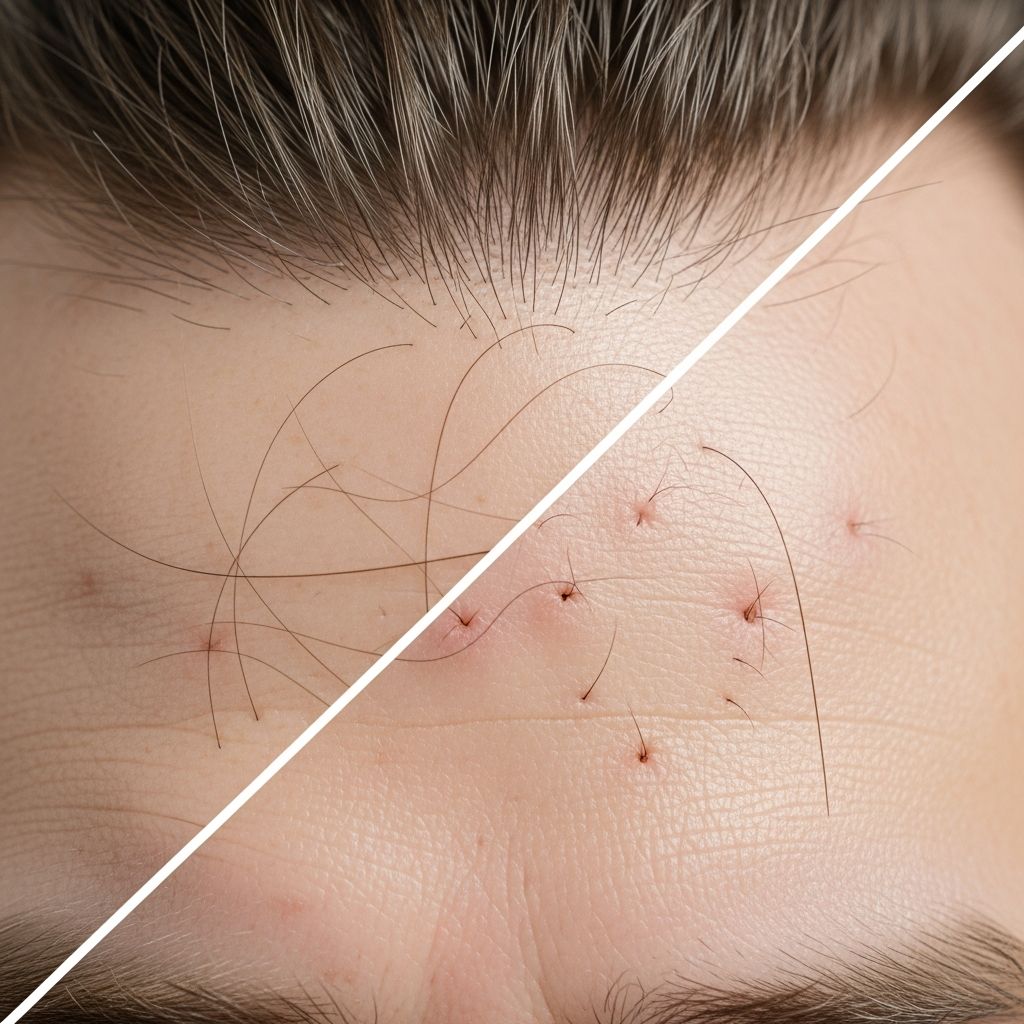
Hair naturally follows a biological growth cycle that involves periods of active growth, transition, and rest before shedding occurs. This continuous process is entirely normal and represents the body’s way of maintaining healthy hair throughout life. Most people shed between 50 and 100 individual hairs each day as part of this natural renewal process. When you notice strands in your shower drain or on your hairbrush, this typically represents the completion of a hair’s life cycle rather than a cause for concern.
Understanding this baseline is crucial because it helps distinguish between expected daily hair loss and abnormal shedding that warrants medical attention. The scalp contains approximately 100,000 to 150,000 hair follicles, each functioning on its own timeline. As some follicles enter their resting phase, the hairs they produce are shed to make room for new growth. This system works efficiently for most people throughout their lives, though the rate and pattern of shedding can vary based on numerous individual factors.
Distinguishing Between Normal Shedding and Excessive Hair Loss
The transition from normal shedding to excessive hair loss represents a key threshold in determining whether professional evaluation is necessary. Excessive hair shedding occurs when the body sheds significantly more hairs every day than the normal 50 to 100 hair range. When you begin noticing clumps of hair, visible thinning in specific areas, or a marked increase in the amount of hair lost during grooming routines, these may signal that something beyond normal physiology is occurring.
Medical professionals distinguish between two related but distinct conditions: hair loss and hair shedding. Hair loss occurs when something actively stops hair from growing, whereas shedding refers to the natural release of hair that has completed its growth cycle. This distinction matters because the treatment approaches differ significantly depending on which condition is present. Identifying which type of hair loss you’re experiencing requires careful observation and, in many cases, professional assessment.
Common Temporary Causes of Hair Loss
Several reversible factors can trigger temporary increases in hair shedding. These conditions typically manifest suddenly or following a specific event, and hair growth often returns to normal once the triggering factor is addressed or resolves naturally.
Telogen Effluvium: Stress-Induced Hair Shedding
Telogen effluvium represents one of the most common forms of temporary hair loss, occurring when large numbers of hair follicles enter the resting phase simultaneously and subsequently shed. This condition typically emerges three to five months following a significant physical or emotional stressor. The triggering events can include severe illness, major surgery, high fever, significant weight loss, or profound psychological stress. A stressful event can cause general thinning of hair several months after the shock, making the connection between cause and effect sometimes unclear to the person experiencing it.
The inciting factors for telogen effluvium extend across multiple categories. Severe chronic illnesses, pregnancy, childbirth, surgical procedures, malnutrition, severe infections, and endocrine disorders can all precipitate this condition. Additionally, discontinuing oral contraceptive medications or experiencing sudden hormonal changes related to menopause or thyroid dysfunction may trigger telogen effluvium. The encouraging aspect of this condition is that it typically resolves without intervention, though the timeline varies among individuals.
Related Stories



Medication-Related Hair Loss
Certain pharmaceutical medications list hair loss among their potential side effects. Medications used to treat cancer, arthritis, depression, heart disease, gout, and high blood pressure can cause hair loss as an adverse reaction. Birth control pills, which alter hormonal balance, may also contribute to increased shedding in some individuals. Specific medication classes known to affect hair include retinoids, anticoagulants, anticonvulsants, beta blockers, and antithyroid medications.
When medication-related hair loss occurs, addressing the underlying issue often resolves the problem. If your provider suspects that a medication is responsible for your hair loss, they may adjust your dosage, switch you to an alternative medication, or recommend discontinuation if medically appropriate. The hair typically regrows once the causative medication is removed or changed, though this process takes time matching the natural growth cycle.
Nutritional Deficiencies and Dietary Factors
Hair health depends significantly on adequate nutrition, as hair follicles require specific nutrients to function optimally. Nutritional deficiencies, particularly involving iron and protein, can precipitate hair loss. A diet lacking sufficient vitamins, minerals, and protein may weaken hair structure and disrupt the growth cycle. Rapid weight loss, whether intentional or unintentional, can also trigger temporary hair shedding as the body adjusts to reduced caloric intake.
Addressing nutritional deficiencies typically involves dietary modifications or supplementation under professional guidance. Ensuring adequate intake of protein, iron, zinc, vitamins B and D, and other essential micronutrients supports healthy hair growth. In cases where deficiency is severe, supplementation may accelerate recovery of normal hair growth patterns.
Chronic and Permanent Hair Loss Conditions
Unlike temporary shedding caused by reversible factors, some hair loss conditions involve ongoing or permanent changes to hair growth patterns. These conditions often require long-term management and professional treatment to slow progression or encourage regrowth.
Androgenetic Alopecia: Hereditary Hair Loss
Hereditary hair loss, medically termed androgenetic alopecia, represents the most common cause of hair loss, affecting approximately 80 million men and women in the United States. This condition results from a combination of genetic predisposition and the body’s sensitivity to the hormone DHT (dihydrotestosterone). Individuals with a family history of hair loss, thinning, or premature baldness face increased likelihood of experiencing similar patterns.
Androgenetic alopecia typically manifests as a gradual and predictable pattern of thinning or baldness. In men, this often presents as a receding hairline or vertex baldness, while women typically experience diffuse thinning across the scalp. The condition is more prevalent in males than females, though female pattern hair loss represents a significant concern for many women. Unlike temporary shedding, hereditary hair loss is permanent without medical intervention, though treatments can slow progression and potentially regrow some hair.
Alopecia Areata: Autoimmune-Related Patchy Hair Loss
Alopecia areata represents an autoimmune condition wherein the immune system mistakenly attacks hair follicles, causing sudden hair loss on the scalp and body. This condition produces characteristic patchy hair loss with clearly defined borders, distinguishing it from other forms of alopecia. The hair loss can be sudden in onset and unpredictable in its progression.
The encouraging aspect of alopecia areata is that spontaneous remission occurs in many cases, with hair potentially regrowing within a year even without treatment. However, in other instances, the condition persists and requires medical intervention. Treatment options include topical or systemic corticosteroids to reduce immune system activity, as well as minoxidil application. Some individuals may benefit from immunotherapy or other medications that suppress the abnormal immune response.
Infections and Inflammatory Scalp Conditions
Fungal and bacterial infections of the scalp can cause both temporary and, in some cases, permanent hair loss. Conditions such as ringworm (tinea capitis) and bacterial infections disrupt normal hair growth by inflaming the scalp and damaging follicles. Frontal fibrosing alopecia, a scarring alopecia characterized by scalp inflammation and redness, can permanently destroy hair follicle cells, leading to baldness if left untreated. This condition disproportionately affects women.
Treating infections requires appropriate antimicrobial therapy targeting the specific organism responsible. Early intervention helps prevent permanent follicle damage and promotes recovery of normal hair growth. Professional diagnosis is essential because the appearance of scalp conditions can overlap, and incorrect treatment delays resolution.
External Factors Contributing to Hair Damage and Loss
Beyond internal physiological factors, external stressors can significantly impact hair health and trigger noticeable shedding or breakage.
Chemical and Physical Hair Trauma
Harsh hair treatments including excessive bleaching, dyeing, use of chemical relaxers, and frequent perming can damage hair structure and cause breakage or shedding. Chemical-based hair products such as gels, sprays, and certain shampoos may also contribute to hair damage when used excessively or incorrectly. Physical trauma includes tight hairstyles such as ponytails and braids that create traction alopecia by placing prolonged tension on hair follicles. Exposure to salt water can similarly damage hair integrity over time.
Reducing reliance on harsh chemical treatments and adopting gentler hair care practices allows damaged hair to recover. Switching to protective hairstyles, using quality hair care products, and limiting heat and chemical exposure supports hair health restoration.
Trichotillomania: Compulsive Hair Pulling
Trichotillomania, a body-focused repetitive behavior wherein individuals unintentionally pull out their hair, represents a psychological condition that results in visible hair loss. This behavior often develops in response to stress, anxiety, or as a coping mechanism for managing uncomfortable emotions. The resulting hair loss patterns reflect the physical act of pulling and can be modified through behavioral intervention.
Treatment for trichotillomania typically involves cognitive behavioral therapy and, in some cases, selective serotonin reuptake inhibitor medications that address underlying anxiety or compulsive urges.
When to Seek Professional Medical Evaluation
Determining whether hair loss warrants professional assessment depends on several factors. Contact a healthcare provider if you notice a sudden increase in shedding beyond your normal baseline, visible patches of baldness, thinning hair that persists beyond three to four months, or hair loss accompanied by scalp pain, itching, or inflammation. Additionally, if hair loss coincides with starting a new medication or follows a significant physical or emotional event, medical evaluation can identify the underlying cause and appropriate treatment.
A healthcare provider will typically review your medical history, conduct a physical examination of your scalp, and potentially perform diagnostic tests to identify the specific cause of your hair loss. This systematic approach ensures accurate diagnosis and appropriate treatment recommendation.
Treatment Options for Hair Loss
Treatment approaches vary depending on the underlying cause and type of hair loss. For temporary hair loss related to medication, hormonal imbalance, thyroid disease, or nutritional deficiency, addressing the underlying cause is often sufficient to restore normal hair growth. When the causative factor is removed or corrected, hair typically regrows following the natural growth cycle timeline.
For chronic conditions like androgenetic alopecia, several evidence-based treatments can slow hair loss and potentially promote regrowth:
- Minoxidil: A topical medication applied directly to the scalp that stimulates hair follicle cells and promotes blood vessel growth to hair roots, encouraging hair regrowth in both men and women.
- Finasteride: An oral medication for men that blocks DHT formation, preventing further hair loss and stimulating hair regrowth in hereditary hair loss.
- Platelet-Rich Plasma (PRP): A regenerative treatment where concentrated platelets are injected into the scalp to slow hair loss and stimulate healthy hair growth.
- Regenera Activa: A treatment using stem cells derived from the patient’s own hair follicles to strengthen follicles and promote thick hair growth.
For alopecia areata, additional treatment options include topical or systemic corticosteroids, anthralin, and immunotherapy approaches. The choice of treatment depends on disease severity, patient preference, and individual health factors.
Frequently Asked Questions
Is it normal to lose hair every day?
Yes, losing between 50 and 100 hairs daily is entirely normal and represents the natural completion of the hair growth cycle. However, if you notice significantly more hair loss than this baseline, professional evaluation is warranted.
How long does temporary hair loss typically last?
Temporary hair loss from telogen effluvium or medication effects typically resolves within several months once the triggering factor is addressed. Hair growth follows the natural cycle, which can take three to six months for noticeable improvement.
Can stress cause permanent hair loss?
Stress typically causes temporary hair loss through telogen effluvium rather than permanent baldness. However, if stress triggers or exacerbates other conditions like alopecia areata, professional treatment may be necessary.
What nutritional factors support healthy hair?
Hair health depends on adequate protein, iron, zinc, and B vitamins. Ensuring balanced nutrition through diet or appropriate supplementation supports optimal hair growth and reduces shedding related to deficiency.
Is hair loss in women different from hair loss in men?
While the underlying causes are often similar, the presentation differs. Men typically experience pattern baldness with a receding hairline, while women more commonly experience diffuse thinning across the scalp. Some conditions, such as frontal fibrosing alopecia, disproportionately affect women.
References
- Hair Loss: Causes, Symptoms, Treatments, Grow New Hair — Med Park Hospital. Accessed 2026. https://www.medparkhospital.com/en-US/disease-and-treatment/hair-loss
- Hair Loss: Symptoms and Causes — Mayo Clinic. 2024. https://www.mayoclinic.org/diseases-conditions/hair-loss/symptoms-causes/syc-20372926
- Hair Loss: Common Causes and Treatment — American Academy of Family Physicians (AAFP). September 15, 2017. https://www.aafp.org/pubs/afp/issues/2017/0915/p371.html
- Hair Loss: Causes, Treatments and Prevention Options — Cleveland Clinic. 2024. https://my.clevelandclinic.org/health/diseases/21753-hair-loss
- Do You Have Hair Loss or Hair Shedding? — American Academy of Dermatology (AAD). 2024. https://www.aad.org/public/diseases/hair-loss/insider/shedding
- What Causes Hair Loss? — CVS MinuteClinic. 2024. https://www.cvs.com/minuteclinic/services/hair-loss
- Hair Loss Causes, Symptoms, And Treatment — APDerm. 2024. https://www.apderm.com/blog/hair-loss-causes-symptoms-and-treatment/
Similar Articles








Read full bio of Sneha Tete