Understanding Headaches: Types, Causes, and Treatment Options
Comprehensive guide to headache types, triggers, and effective management strategies.
Understanding Headaches: A Comprehensive Guide
Headaches are among the most common health complaints affecting millions of people worldwide. A headache is characterized by pain in the head or face region and can vary significantly in intensity, duration, and type. The sensation may feel like pressure, throbbing, constant discomfort, or sharp pain. Understanding the nature of your headache is crucial for determining the appropriate treatment and management strategies.
Headaches differ considerably in their pain characteristics, severity, location, and frequency. Some individuals experience occasional mild headaches, while others endure chronic conditions that significantly impact their quality of life. Recognizing the specific type of headache you experience is the first step toward effective management and relief.
Common Types of Headaches
Healthcare professionals recognize several distinct types of headaches, each with unique characteristics and underlying causes. Understanding these categories helps in identifying your symptoms and seeking appropriate treatment.
Tension Headaches
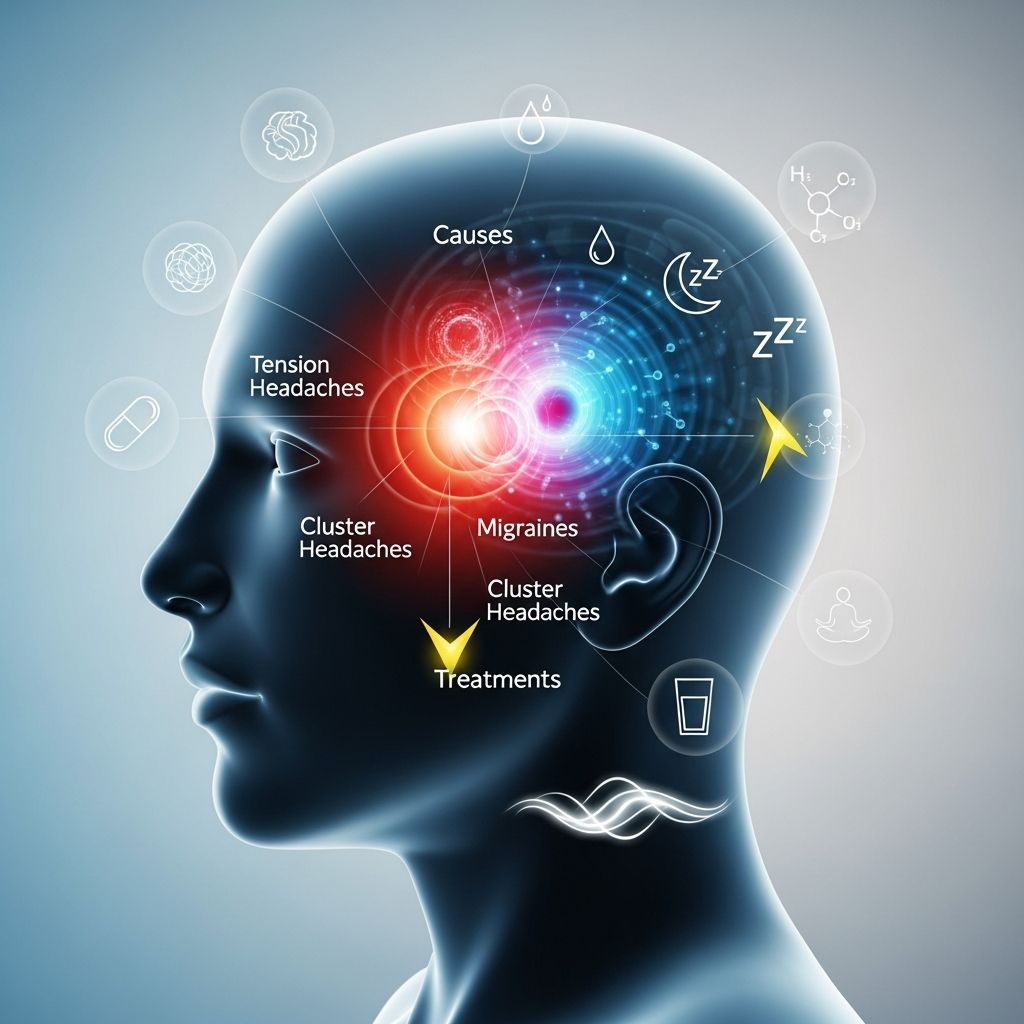
Tension headaches are the most prevalent type of headache experienced by the general population. These headaches typically present as a constant, pressing sensation, often described as a tight band around the head. They usually affect both sides of the head and are frequently triggered by muscle tension in the neck, shoulders, and scalp. Stress, poor posture, and prolonged muscle contraction are common culprits behind tension headaches.
Migraines
Migraines are a more severe form of headache characterized by throbbing pain, typically on one side of the head. These headaches can be debilitating and may include additional symptoms such as sensitivity to light, sound, and smell. Some individuals experience an aura, which consists of visual disturbances that precede the migraine attack. Migraines can last from four to seventy-two hours and often require medical intervention for relief.
Cluster Headaches
Cluster headaches are intense, burning headaches that occur in cyclical patterns. These headaches typically affect one side of the head around the eye area and may be accompanied by redness, tearing, and nasal congestion. They are called cluster headaches because they occur in groups or clusters over weeks or months, followed by periods of remission.
Identifying Headache Triggers
Headaches can be influenced by various internal and external factors. Some triggers remain within your control, while others are influenced by physiological or environmental conditions beyond your immediate management.
Controllable Triggers
Several lifestyle factors and habits can significantly influence headache frequency and severity. Diet plays an important role, as skipping meals, low blood sugar, and certain foods can precipitate headaches. Caffeine and alcohol consumption are common dietary triggers that many people find exacerbate their symptoms. Dehydration is another frequently overlooked trigger—maintaining adequate fluid intake throughout the day can help prevent headaches.
Sleep patterns dramatically affect headache occurrence. Changes to your regular sleep schedule, insufficient sleep, or excessive sleeping can all trigger headaches. Overexertion and excessive physical activity without proper preparation may also lead to headache episodes. Environmental factors such as bright lights, loud noises, and strong odors can be immediate triggers for susceptible individuals.
Related Stories



Uncontrollable Triggers
Several headache triggers operate beyond your direct control. Hormonal changes, particularly in women related to the menstrual cycle, pregnancy, and menopause, significantly influence migraine patterns. Weather changes and barometric pressure fluctuations affect many headache sufferers. Certain medications may also have headaches as a side effect, requiring discussion with your healthcare provider about alternative options.
Causes of Headaches
Understanding the underlying causes of headaches helps in developing effective prevention and treatment strategies. Causes range from common, benign factors to more serious medical conditions requiring professional attention.
General Headache Causes
Most common headaches result from muscle strain, stress, poor posture, or lifestyle factors. Tension in the neck, shoulders, and scalp muscles frequently leads to tension-type headaches. Nicotine use can also trigger or worsen headaches. Alcohol consumption, particularly excessive intake, commonly causes headaches both during consumption and during withdrawal periods. Changes in caffeine consumption, either increased intake or sudden cessation, frequently trigger headaches.
More Serious Underlying Conditions
While most headaches are not indicative of serious illness, some warrant medical evaluation. Underlying conditions such as head injury, brain bleeding, brain tumors, elevated blood pressure, and infections can manifest as headaches. Neurological conditions and structural abnormalities may also present with headache symptoms. If you experience sudden severe headaches, headaches following an injury, or headaches accompanied by fever, vision changes, confusion, or loss of consciousness, seeking immediate medical attention is essential.
The Science Behind Migraines
Modern neurological research has significantly advanced our understanding of migraine mechanisms. Previously, scientists believed migraines resulted primarily from blood vessel constriction and dilation—a vascular theory that has since been proven incomplete. Contemporary research reveals that migraines involve far more complex processes affecting multiple brain regions and pain pathways.
Migraine attacks activate numerous brain structures including the hypothalamus, visual cortex, and thalamus. The trigeminal nerve and upper cervical nerves play crucial roles in pain transmission and nerve sensitization during migraine episodes. Calcitonin gene-related peptide (CGRP) has emerged as a key molecule in migraine pathophysiology, with research demonstrating its significant role in pain generation. This discovery has led to the development of CGRP-targeting medications that have revolutionized migraine treatment for many patients.
Non-Medication Treatment Strategies
Several non-pharmacological approaches can effectively reduce headache frequency and severity. These strategies empower patients to manage pain through lifestyle modifications and behavioral interventions.
Immediate Relief Techniques
When a headache strikes, several immediate actions can provide relief. Resting in a dark, quiet, cool room creates an optimal environment for headache recovery. Applying warm or cold compresses to the forehead or back of the neck can reduce pain sensation. Gentle stretching and massage of the head, neck, and back muscles may alleviate tension-related symptoms. Taking a relaxing walk in a calm environment can also help ease headache discomfort.
Lifestyle and Prevention Strategies
Long-term headache management involves implementing preventive lifestyle changes. Regular exercise improves overall health and reduces headache frequency. Maintaining proper hydration throughout the day prevents dehydration-triggered headaches. Adequate sleep and consistent sleep schedules support neurological health and reduce migraine risk.
Stress management techniques are particularly important, as stress remains a significant trigger for many headache sufferers. Identifying stress sources and developing coping mechanisms can substantially reduce headache occurrence. Temperature regulation, including cooling down and maintaining comfortable environmental temperatures, supports headache prevention.
Advanced Non-Pharmacological Options
Biofeedback represents a powerful non-pharmacological method for managing headaches. This technique teaches patients to recognize and control physiological responses to stress, enabling them to abort or reduce headache intensity. Neuromodulation devices offer another innovative non-medication approach for acute migraine treatment, providing relief without pharmaceutical intervention.
Medical Treatment Options
When non-medication strategies prove insufficient, various pharmaceutical and medical interventions are available. Treatment selection depends on headache type, frequency, severity, and individual patient factors.
Over-the-Counter Pain Relievers
For many individuals, over-the-counter medications provide adequate relief for mild to moderate headaches. Common options include acetaminophen, ibuprofen, and naproxen sodium. Combination products containing acetaminophen, aspirin, and caffeine may offer enhanced effectiveness for some patients. These medications work by reducing inflammation and blocking pain signals.
Prescription Migraine Treatments
For moderate to severe migraines, prescription medications offer more targeted relief. Triptans represent the gold standard for acute migraine treatment, acting as serotonin receptor agonists that address migraine-specific pain pathways. Originally designed based on the vascular theory of migraines, triptans are now understood to work through multiple mechanisms beyond simple vasoconstriction.
Triptans are available in multiple formulations including oral tablets, sublingual disintegrating tablets, nasal sprays, and injectable agents. The choice of formulation depends on individual attack characteristics and onset patterns. For patients experiencing rapid headache escalation—typically within thirty minutes—injectable or nasal spray formulations prove more effective than oral medications, as they bypass gastrointestinal absorption delays.
Advanced Treatment Options
Newer treatment modalities include CGRP-targeted monoclonal antibodies, which have shown remarkable effectiveness in reducing migraine frequency. Nerve blocks and trigger point injections provide localized pain relief by targeting specific nerve pathways. Intravenous infusions of various medications offer rapid symptom relief during severe attacks. Wearable devices using neuromodulation technology provide portable treatment options for acute migraine management.
Tracking and Managing Your Headaches
Maintaining a comprehensive headache diary significantly improves diagnosis accuracy and treatment effectiveness. This tracking tool helps identify patterns, triggers, and effective treatment responses.
What to Track in Your Diary
Record the frequency of your headaches, including how often attacks occur and any patterns in timing. Document detailed symptom descriptions including pain intensity, location, duration, and associated symptoms. Note potential triggers such as specific foods, stressful situations, sleep disruptions, hormonal changes, and weather conditions. Track which activities, foods, or medications seem to precede headaches. Record the time of day headaches typically occur and situations that consistently trigger symptoms.
Using Your Headache Diary
This comprehensive record provides invaluable information for healthcare professionals in diagnosing your specific headache type and identifying personalized triggers. Your diary helps distinguish between different headache types and reveals treatment effectiveness. Over time, patterns emerge that guide preventive strategies and lifestyle modifications. Healthcare providers use this information to select the most appropriate treatments and adjust therapies based on your individual response patterns.
When to Seek Medical Attention
While most headaches resolve without medical intervention, certain circumstances warrant professional evaluation. Seek immediate medical attention for sudden severe headaches unlike any you’ve experienced previously, headaches following head injuries, headaches accompanied by fever and stiff neck, vision changes, confusion, difficulty speaking, weakness, numbness, or loss of consciousness. Additionally, if headache patterns change significantly or over-the-counter treatments become ineffective, consulting a healthcare professional is advisable.
Frequently Asked Questions About Headaches
Q: What is the difference between a headache and a migraine?
A: Headaches are general pain in the head or face that can result from various causes including muscle tension and stress. Migraines are a specific neurological condition characterized by throbbing pain, often on one side of the head, and may include additional symptoms like light sensitivity, nausea, and visual disturbances (aura).
Q: How long do migraines typically last?
A: Migraine attacks can last anywhere from four to seventy-two hours, depending on individual factors and treatment effectiveness. Some patients experience shorter episodes, while others endure extended attacks requiring medical intervention.
Q: Can dietary changes help prevent headaches?
A: Yes, maintaining proper hydration, eating regular meals to prevent low blood sugar, and identifying food triggers through your headache diary can significantly reduce headache frequency. Limiting caffeine and alcohol consumption may also help prevent headache episodes.
Q: Are there effective non-medication treatments for migraines?
A: Several non-medication approaches prove effective, including resting in dark, quiet environments, applying warm or cold compresses, biofeedback training, stress management, regular exercise, and neuromodulation devices. These strategies can complement or sometimes replace pharmaceutical treatments.
Q: When should I see a doctor about my headaches?
A: Consult a healthcare professional if you experience sudden severe headaches, headaches following injury, frequent recurring headaches, changes in your normal headache pattern, or headaches accompanied by fever, vision changes, or neurological symptoms.
Q: How can I identify my headache triggers?
A: Keeping a detailed headache diary tracking symptoms, timing, associated activities, foods, stress levels, sleep patterns, and hormonal changes helps identify your personal triggers. Most people discover patterns within a few weeks of consistent tracking.
References
- When Your Head Is Splitting: Headaches and Migraines — Johns Hopkins University. March 28, 2023. https://events.jhu.edu/archive/awj_headaches_and_migraines
- Neurological Understanding of Migraine Mechanisms and Treatment Options — Johns Hopkins University Neurology Department. March 28, 2023. https://www.youtube.com/watch?v=LFFwH4qZX3I
- Managing Headaches & Migraines — University of Florida College of Medicine, Department of Emergency Medicine. November 2024. https://pami.emergency.med.jax.ufl.edu/wordpress/files/2024/11/Managing-Headaches-Migraines.pdf
- National Institute of Neurological Disorders and Stroke Headache Information — National Institutes of Health. https://www.ninds.nih.gov
- American Migraine Foundation Clinical Resources — American Migraine Foundation. https://americanmigrainefoundation.org
Similar Articles








Read full bio of medha deb