Headaches: A Complete Guide To Causes, Symptoms, And Relief
Explore the types, triggers, and management strategies for headaches, including their potential links to eye conditions and when to seek medical help.
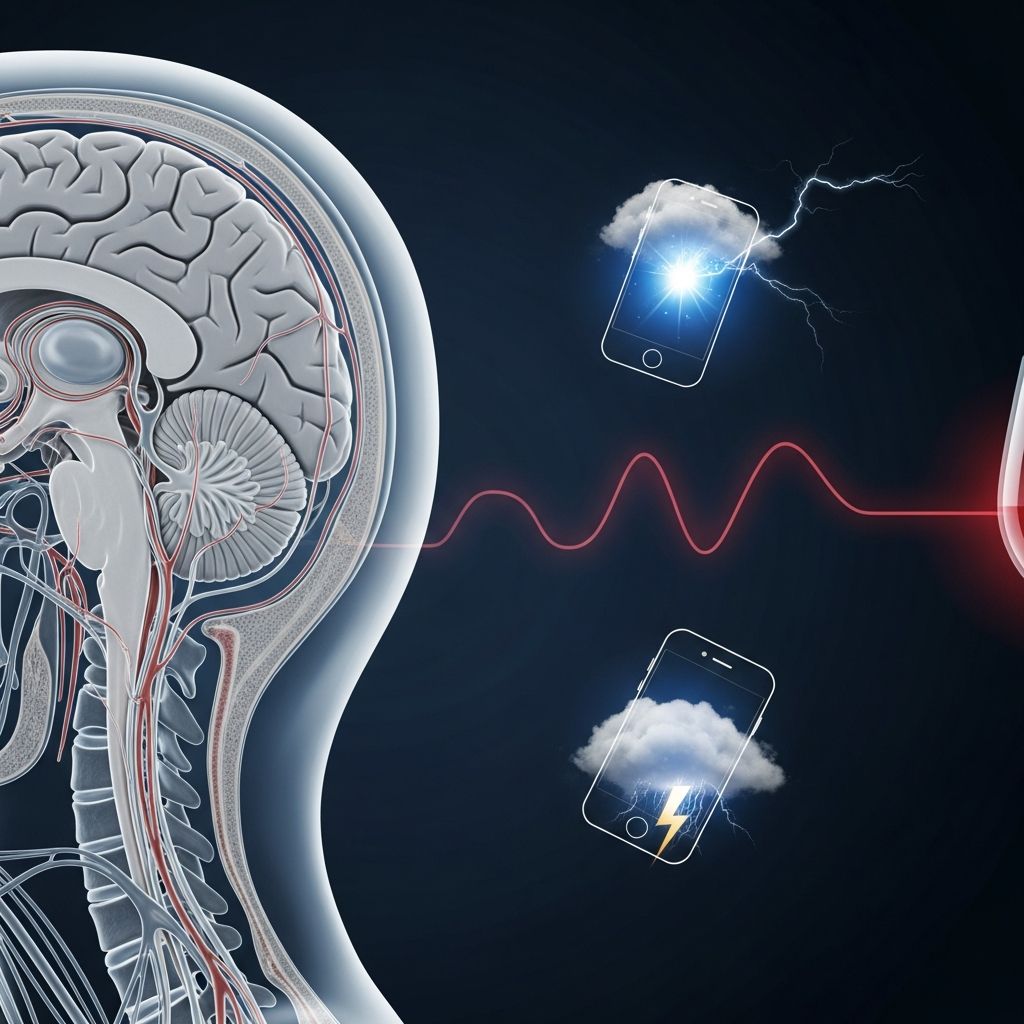
Headaches represent one of the most widespread health complaints, affecting billions globally and disrupting daily life. These episodes of head or facial pain arise from complex interactions between the brain, nerves, blood vessels, and surrounding muscles. While most are benign and self-limiting, some signal underlying issues requiring prompt attention. This guide delves into the mechanisms, classifications, triggers, symptoms, and strategies for relief, emphasizing connections to eye health where relevant.
The Science Behind Head Pain
Pain during a headache stems from signals transmitted among the brain, blood vessels, and nearby nerves. Specific nerves activate, influencing muscles and vessels, which then relay discomfort signals to the brain. Structures like head and neck muscles, scalp skin, nerves, and arteries to the brain contain pain-sensitive receptors. Inflammation or irritation in sinuses, ear/nose/throat membranes, or even referred pain from the neck can contribute.
Primary headaches originate from overactivity or issues in these pain-sensitive areas without an underlying disease. Chemical brain changes, nerve or vessel problems around the skull, or head/neck muscle tension often play roles. Genetic factors may heighten susceptibility.
Classifying Headaches: Primary vs. Secondary
Headaches fall into two main categories: primary, where the pain is the core issue, and secondary, where it signals another condition. Over 90% are primary, making them the most common type.
Primary Headaches
These standalone conditions include several subtypes:
- Tension-type headaches: The most frequent, featuring mild to moderate non-throbbing pain on both sides, like a tight band around the head. Often affects the neck or back, lasts at least 30 minutes, and isn’t worsened by activity. May involve light/sound sensitivity.
- Migraines: Intense, throbbing pain usually on one side, often with nausea, vomiting, and sensitivity to light, sound, or smells. Aura precedes some episodes, involving visual or sensory disturbances.
- Cluster headaches: Severe, burning or piercing pain around one eye or temple, recurring in clusters over weeks or months. Accompanied by eye watering, nasal congestion, or restlessness.
- Other patterns: Less common types like chronic daily headaches (15+ days/month for 3+ months), cough/exercise/sex headaches, or trigeminal autonomic cephalalgias.
Secondary Headaches
These arise from identifiable causes and demand investigation if persistent. Common triggers include:
| Type | Examples | Key Features |
|---|---|---|
| Infections | Acute sinusitis, flu, COVID-19, encephalitis, meningitis | Fever, swelling of head blood vessels |
| Vascular Issues | Arterial tears, aneurysms, stroke, high blood pressure | Sudden severe pain, neurological symptoms |
| Structural/Neurological | Brain tumor, Chiari malformation, concussion, pseudotumor cerebri | Progressive or unusual patterns |
| Other | Glaucoma, dental problems, dehydration, medication overuse | Eye pain, jaw issues, frequent med use |
Serious causes like tumors are rare but warrant checking persistent or changing headaches.
Common Triggers and Risk Factors
Lifestyle and environmental factors often precipitate primary headaches:
- Stress and anxiety, leading to muscle tension.
- Sleep disturbances or skipping meals.
- Dehydration, alcohol (especially red wine), certain foods like nitrates in processed meats.
- Poor posture straining neck muscles.
- Medication overuse (over 10 doses/month).
- Hormonal changes, noise, temperature extremes.
Related Stories



For secondary types, triggers tie to the root condition, such as infections or injuries.
Recognizing Symptoms Across Types
Symptoms vary by type, aiding identification:
- Tension: Pressing/tightening sensation, bilateral, no nausea.
- Migraine: Throbbing, unilateral, with nausea and sensory sensitivities.
- Cluster: Excruciating unilateral pain with eye/tear symptoms.
- Cervicogenic: One-sided pain from neck, with shoulder/arm involvement, blurred vision.
- Fever-related: Diffuse pain with fever from infection.
Children and adolescents experience headaches differently, potentially missing school or activities.
Eye Health and Headaches: Important Connections
Certain headaches link to ocular issues. Acute angle-closure glaucoma causes sudden severe pain with eye redness, blurred vision, and nausea— a medical emergency. Eye strain from uncorrected vision, prolonged screen time, or poor lighting can mimic tension headaches. Cluster headaches often involve eye watering or drooping. Consult an eye specialist if headaches accompany vision changes, eye pain, or redness.
Diagnosis: When and How to Seek Help
Most headaches resolve with rest or over-the-counter remedies, but see a doctor for:
- Sudden ‘thunderclap’ onset.
- Worst-ever pain or changing patterns.
- Accompanied by fever, stiff neck, confusion, weakness, or vision loss.
- Frequent or chronic (15+ days/month).
- Post-head injury.
Diagnosis involves history, exam, and possibly imaging or blood tests to rule out secondary causes.
Treatment Options
Management depends on type:
- Acute relief: NSAIDs, acetaminophen, aspirin for mild cases; triptans or anti-nausea meds for migraines.
- Preventive: Beta-blockers, antidepressants, or anti-seizure drugs for frequent migraines; lifestyle changes.
- Non-drug: Rest in dark/quiet room, hydration, cold/hot compresses, acupuncture, or biofeedback.
- Secondary: Treat underlying issue, e.g., antibiotics for infections, surgery for structural problems.
Prevention Strategies
Proactive steps reduce frequency:
- Maintain regular sleep, meals, and hydration.
- Manage stress via exercise, meditation, or yoga.
- Limit triggers: track diet, alcohol, caffeine.
- Improve posture and ergonomics, especially for desk work.
- Avoid medication overuse; follow limits.
Frequently Asked Questions (FAQs)
Are all headaches dangerous?
No, over 90% are primary and harmless, but secondary ones need evaluation if red flags appear.
Can eye problems cause headaches?
Yes, conditions like glaucoma or strain from refractive errors can trigger them. Eye exams help rule this out.
How do I differentiate migraine from tension headache?
Migraines throb, are one-sided with nausea; tension feels like a band, bilateral, milder.
Is headache a sign of brain tumor?
Rarely; tumors cause progressive symptoms like seizures or personality changes alongside pain.
Can children get migraines?
Yes, affecting school and activities; symptoms may differ from adults.
Living with Chronic Headaches
For those with frequent episodes, multidisciplinary approaches work best: neurologists, pain specialists, therapists. Track patterns in a diary to identify triggers. Support groups and apps aid management. Globally, 40% experience tension headaches, 10% migraines, underscoring their prevalence.
Headaches, though common, needn’t dominate life. Understanding types, triggers, and treatments empowers better control and timely care.
References
- Headache Causes – Mayo Clinic — Mayo Clinic. 2023-10-01. https://www.mayoclinic.org/symptoms/headache/basics/causes/sym-20050800
- Headache | Better Health Channel — Better Health Channel (Victorian Government). 2024-05-15. https://www.betterhealth.vic.gov.au/health/conditionsandtreatments/headache
- Understanding Headaches and Migraines | Brain Institute – OHSU — Oregon Health & Science University. 2024-02-10. https://www.ohsu.edu/brain-institute/understanding-headaches-and-migraines
- The Complete Headache Chart — National Headache Foundation. 2023-08-20. https://headaches.org/resources/the-complete-headache-chart/
- Migraine and other headache disorders — World Health Organization. 2024-06-30. https://www.who.int/news-room/fact-sheets/detail/headache-disorders
- Headache: What It Is, Types, Causes, Symptoms & Treatment — Cleveland Clinic. 2025-01-15. https://my.clevelandclinic.org/health/diseases/9639-headaches
Similar Articles








Read full bio of Sneha Tete