Understanding the Heart Attack Gender Gap
Exploring why women face greater risks and disparities in heart attack survival and treatment outcomes.
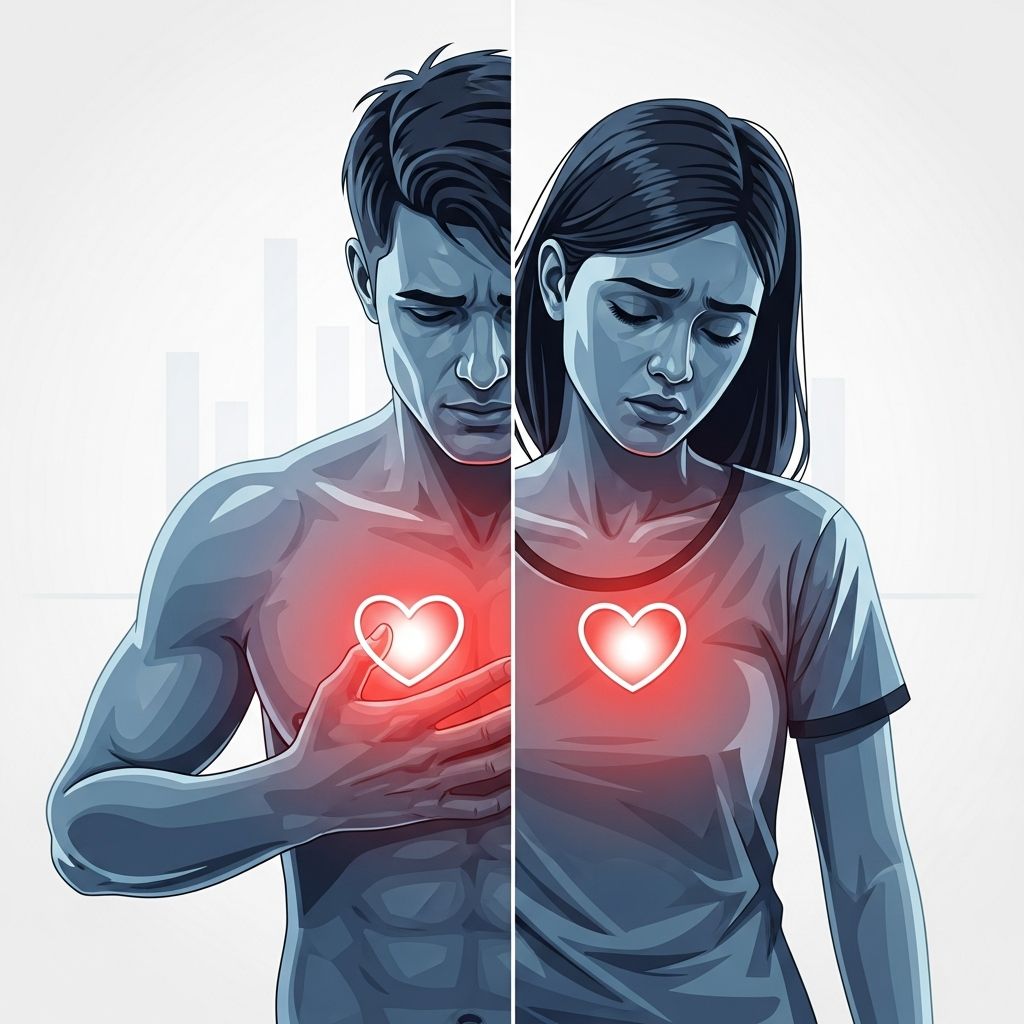
Heart disease remains the leading cause of death for both men and women in the United States, yet women face a paradoxical challenge: despite advances in cardiovascular medicine, they experience significantly worse outcomes following heart attacks compared to men. This disparity, often referred to as the “gender gap” in cardiac care, represents a critical public health issue that demands urgent attention and action. Research from Harvard Medical School and other leading institutions has revealed troubling patterns in how women are diagnosed, treated, and monitored after suffering heart attacks, patterns that ultimately contribute to preventable deaths and diminished quality of life.
The Stark Reality: Survival Rates and Outcomes
Recent research from Harvard Medical School examining over 2,000 adults aged 50 and younger treated for their first heart attack at Brigham and Women’s Hospital and Massachusetts General Hospital reveals a sobering truth about gender disparities in cardiac outcomes. Within one year of a first heart attack, women have significantly lower survival rates than men. More alarming, within five years of a first heart attack, 47% of women either die, develop heart failure, or suffer a stroke—compared with only 36% of men who experience the same event. These statistics underscore not merely a difference in biology, but a systematic gap in how women receive care and attention in the critical moments following cardiac events.
A particularly troubling finding from a University of Leeds study revealed that over a 10-year period, more than 8,200 heart attack deaths among women in England and Wales could have been prevented if they had received treatment equal to that provided to men. This figure alone demonstrates that the gender gap is not an inevitable consequence of biological differences but rather a preventable tragedy rooted in healthcare practices and societal perceptions.
Why Women Receive Fewer Interventions
One of the most significant contributors to poor outcomes for women following heart attacks is the systematic undertreatment they receive compared to men. Research consistently shows that women are less likely to undergo invasive procedures or receive certain therapeutic heart medications following their heart attacks. Specifically, women are prescribed aspirin and statins—two critical medications for heart attack prevention and recovery—at lower rates than their male counterparts upon hospital discharge.
This gap in treatment cannot be explained by disease severity or medical necessity alone. Instead, experts attribute it to a complex interplay of factors including unconscious bias among healthcare providers, outdated clinical guidelines that were developed primarily using male patient populations, and systemic failures in recognizing the urgency of women’s cardiac conditions. When women are not offered the same interventions as men, their recovery is compromised from the outset, setting them on a trajectory toward worse long-term outcomes.
The Physician Gender Factor
An emerging area of research has uncovered an additional layer of complexity in the gender gap: the gender of the treating physician matters. Research from Harvard Business School revealed that when a female patient suffering a heart attack is treated by a male physician, she is more likely to die than the average patient. This counterintuitive finding suggests that gender dynamics between patient and provider can influence clinical decision-making and outcomes in ways we are only beginning to understand. Conversely, female patients treated by female physicians appear to have better survival rates, pointing to the potential importance of gender-concordant care in certain emergency scenarios.
Related Stories



The Symptom Recognition Problem
A fundamental barrier to timely treatment for women experiencing heart attacks lies in symptom recognition—both by patients themselves and by healthcare providers. Historically, heart attack symptoms have been characterized through a male lens, with chest pain described as the hallmark sign. However, women frequently experience heart attacks differently than men, and this divergence in symptom presentation often leads to delayed diagnosis and treatment.
The American Heart Association highlights these key differences: while both men and women can experience chest pressure or chest pain, women are significantly more likely to experience a heart attack without prominent chest pressure. Instead, women may present with:
- Shortness of breath
- Nausea or vomiting
- Fatigue or weakness
- Pain in the neck, jaw, shoulder, or back
- Indigestion or abdominal discomfort
- Dizziness or lightheadedness
- Cold sweats or clamminess
When women present with these atypical symptoms, healthcare providers—trained to recognize the “classic” male presentation of heart attacks—may misdiagnose them as anxiety, gastrointestinal issues, or other non-cardiac conditions. This diagnostic delay can prove fatal, as prompt intervention is critical in minimizing heart damage and preventing complications.
Societal Perceptions and Healthcare Bias
The gender gap in heart attack outcomes is substantially driven by a persistent societal misconception: that heart disease is primarily a man’s disease. This deeply ingrained belief influences everyone from patients themselves to healthcare providers to public health educators. Women experiencing early warning signs of heart disease may dismiss their symptoms or delay seeking care because they do not perceive themselves as being at risk. Healthcare providers, consciously or unconsciously, may deprioritize cardiac evaluation in female patients, instead focusing on other potential diagnoses.
This perception gap has profound consequences. The British Heart Foundation reports that coronary heart disease kills twice as many women as breast cancer in the UK, yet breast cancer receives substantially more public awareness and research funding. This disconnect between disease burden and public awareness means that many women lack knowledge about their cardiovascular risk factors and the warning signs they should heed.
Awareness and Prevention Strategies
Addressing the gender gap in heart attack outcomes requires a multifaceted approach centered on awareness, education, and prevention. The American Heart Association recommends the following preventive measures for reducing heart attack risk in women:
- Maintaining a heart-healthy diet rich in fruits, vegetables, whole grains, and lean proteins
- Engaging in regular physical activity—at least 150 minutes of moderate-intensity aerobic exercise per week
- Managing stress through relaxation techniques, meditation, or professional counseling
- Avoiding tobacco products and limiting alcohol consumption
- Maintaining a healthy weight and managing conditions like diabetes, hypertension, and high cholesterol
- Knowing your family history of heart disease and discussing cardiovascular risk with your healthcare provider
- Regular health screenings to monitor blood pressure, cholesterol levels, and other cardiovascular risk factors
Beyond individual prevention, public health initiatives must focus on educating women about their actual risk of heart disease and ensuring they understand both typical and atypical symptoms of heart attacks. Education campaigns should target not only the general public but also healthcare professionals, emphasizing that women’s cardiovascular symptoms may differ from the textbook presentation.
The Role of Healthcare Systems and Policy
Closing the gender gap requires systemic changes within healthcare institutions and the development of evidence-based clinical guidelines that account for sex differences in cardiovascular disease. Healthcare systems must implement protocols that ensure equal access to cardiac interventions regardless of patient gender. This includes reviewing medication prescribing patterns, procedure referral rates, and treatment decisions to identify and eliminate gender bias.
Additionally, research funding must prioritize studies examining sex differences in cardiovascular disease. Historically, clinical trials have underrepresented women, leading to treatment guidelines developed primarily from male patient data. Future research must intentionally include women and analyze outcomes separately by sex to ensure clinical recommendations are equally applicable to all patients.
What Women Can Do Now
While systemic change is necessary, individual women can take steps today to protect their cardiovascular health and advocate for themselves within the healthcare system:
- Know your risk: Discuss your personal and family history of cardiovascular disease with your healthcare provider and understand your individual risk factors.
- Recognize atypical symptoms: Learn the full range of heart attack symptoms in women, not just chest pain, so you can act quickly if you experience concerning signs.
- Advocate for yourself: If you believe your symptoms warrant cardiac evaluation, insist on appropriate testing and seek a second opinion if necessary.
- Build a healthcare team: Develop relationships with healthcare providers who take your cardiovascular concerns seriously and who stay current with evidence-based care standards.
- Make lifestyle changes: Adopt heart-healthy behaviors today to reduce your long-term cardiovascular risk.
- Support cardiovascular awareness: Share knowledge about the gender gap with other women and encourage conversations about heart health.
Frequently Asked Questions
Q: Why do women have worse outcomes after heart attacks than men?
A: Multiple factors contribute, including systematic undertreatment (fewer invasive procedures and medications), delayed diagnosis due to atypical symptom presentation, healthcare provider bias, and the widespread misconception that heart disease is primarily a men’s disease. These factors combine to create a cascade of disadvantages for women from the moment they experience a cardiac event.
Q: What are the warning signs of a heart attack in women?
A: While chest pain or pressure can occur, women may also experience shortness of breath, fatigue, nausea, vomiting, pain in the neck or jaw, back pain, or abdominal discomfort. Any of these symptoms, especially if multiple occur together, warrant immediate medical evaluation.
Q: Should I be concerned if my doctor is male versus female?
A: Research suggests that female patients treated by female physicians for heart attacks have slightly better outcomes, but the most important factor is finding a healthcare provider who is knowledgeable about women’s cardiovascular health and takes your concerns seriously, regardless of their gender.
Q: What medications should I take after a heart attack?
A: This depends on your individual case, but commonly prescribed medications include aspirin, statins, beta-blockers, and ACE inhibitors. Discuss with your cardiologist which medications are appropriate for your situation and ensure you understand why each has been prescribed.
Q: How can I reduce my risk of having a heart attack?
A: Maintain a healthy diet, exercise regularly, manage stress, avoid smoking, maintain a healthy weight, and control conditions like hypertension, diabetes, and high cholesterol. Regular health screenings and open communication with your healthcare provider are also essential.
Q: Is heart disease really more common in women than breast cancer?
A: Yes. Coronary heart disease kills twice as many women as breast cancer in the UK, and similar patterns exist in the United States. However, breast cancer receives more public awareness, creating a false perception about relative disease burden.
Conclusion
The heart attack gender gap represents a critical and largely preventable health crisis affecting millions of women. From the moment a woman experiences cardiac symptoms through her long-term recovery and prevention of future events, systemic barriers and biases conspire to deliver her inferior care compared to men experiencing identical conditions. Yet this gap is not inevitable. By raising awareness about gender differences in heart disease, pushing for systemic changes in healthcare delivery, ensuring women receive evidence-based treatment regardless of sex, and empowering women to advocate for their cardiovascular health, we can close this gap and save lives. Heart attacks have never been more treatable—what is needed now is the commitment to ensure that all people, regardless of gender, receive the treatment they deserve and the outcomes they deserve.
References
- Harvard Study: Young Women More Likely To Die From Heart Attacks — CBS Boston. 2016. https://www.cbsnews.com/boston/news/harvard-study-young-women-more-likely-to-die-from-heart-attacks/
- Did you know there is even a gender gap when it comes to coronary heart disease — International Women’s Day. https://www.internationalwomensday.com/Missions/14502/Did-you-know-there-is-even-a-gender-gap-when-it-comes-to-coronary-heart-disease
- Health Minute: The Impact of Gender on Clinical Outcomes — Harvard Business School. 2019. https://www.hbs.edu/about/video.aspx?v=1_80ctwlte
- Heart Disease and Stroke Statistics — American Heart Association. 2025. https://www.heart.org/en/about-us/statements-and-resolutions/aha-statistical-heart-disease-and-stroke-statistics
- Women and Heart Disease — Centers for Disease Control and Prevention (CDC). 2024. https://www.cdc.gov/heart-disease/women/index.html
Similar Articles








Read full bio of Sneha Tete