Understanding Your Heart Rate: Normal Range & Target Zones
Learn what constitutes a normal heart rate, how to measure your pulse, and determine your target heart rate zone for optimal exercise.
Understanding Your Heart Rate: A Complete Guide to Pulse and Cardiovascular Health
Your heart rate is one of the most important vital signs indicating how efficiently your cardiovascular system is working. Understanding your heart rate, learning how to measure it accurately, and knowing what ranges are normal for your age and fitness level can help you optimize your exercise routine and monitor your overall health. This comprehensive guide will walk you through everything you need to know about heart rate, from measuring your pulse to calculating your target heart rate zone.
What Is a Normal Resting Heart Rate?
A normal resting heart rate for adults typically falls between 60 and 100 beats per minute. However, it’s important to understand that this range represents what is considered typical, not what is necessarily optimal for every individual. Your resting heart rate can vary based on several factors, including your age, fitness level, overall health, medications, and even your stress levels.
For trained athletes and highly active individuals, a resting heart rate in the 40s or even lower is completely normal and healthy. This lower rate actually indicates that your heart is working more efficiently. As your cardiovascular fitness improves through regular exercise, your heart becomes stronger and can pump more blood with each contraction, meaning it doesn’t need to beat as frequently to meet your body’s demands during rest.
Conversely, if your resting heart rate is elevated above 100 beats per minute, this may indicate that your heart is working harder than necessary. However, various factors can temporarily raise your resting heart rate, including stress, anxiety, infections, caffeine consumption, or certain medications. Mental health also plays a significant role—anxiety and stress activate your fight-or-flight response, which correlates with increased heart rate and blood pressure.
How to Measure Your Pulse
Learning to take your own pulse is a valuable skill that allows you to monitor your heart rate anytime, anywhere. Here’s the step-by-step process for accurately measuring your pulse:
Steps to Check Your Pulse
1. Find Your Pulse Point: You can feel your pulse in two primary locations on your body. The most common location is on the inside of your wrist, just below the thumb. Place two fingers (your index and middle finger) on the inside of your wrist, between the bone and the tendon. You can also check your pulse on the side of your neck, in the carotid artery. Gently press your index and middle fingers against the side of your neck, just below your jawbone, until you feel the pulsing.
2. Apply Gentle Pressure: Don’t press too hard when locating your pulse point. Applying too much pressure can restrict blood flow and make your pulse harder to detect. Use gentle, light pressure with your fingertips.
3. Count for 10 Seconds: Once you’ve located your pulse and can feel it clearly, use a watch or clock with a second hand, or the timer on your phone, to count the number of beats you feel during a 10-second interval.
4. Calculate Your Pulse Per Minute: After counting the beats for 10 seconds, multiply that number by 6 to get your pulse rate per minute. For example, if you count 12 beats in 10 seconds, your pulse rate would be 72 beats per minute (12 × 6 = 72).
Related Stories



Understanding Maximum Heart Rate
Your maximum heart rate is the highest number of beats per minute your heart can achieve while you’re exercising at your most intense level. This number is important because it serves as the basis for calculating your target heart rate zone for exercise.
Calculating Your Estimated Maximum Heart Rate
The simplest and most widely used method for estimating your maximum heart rate is to subtract your age from 220. This formula provides a reasonable estimate for most people:
220 – Your Age = Estimated Maximum Heart Rate
For example, if you are 40 years old, your estimated maximum heart rate would be 180 beats per minute (220 – 40 = 180). If you are 50 years old, your estimated maximum heart rate would be 170 beats per minute (220 – 50 = 170).
Important Considerations About Maximum Heart Rate
Several factors can affect your actual maximum heart rate, which may differ from the predicted number calculated using the simple formula. Some medications, including beta-blockers used to treat high blood pressure and heart conditions, can lower your maximum heart rate. Similarly, certain medical conditions such as heart disease, high blood pressure, and diabetes can affect how high your heart rate can safely reach during exercise. If you’re taking any medications or have been diagnosed with a medical condition, it’s essential to consult with your healthcare provider about whether these factors affect your maximum or target heart rate and what your specific heart rate goals should be during exercise.
For the most accurate determination of your true maximum heart rate, a medically supervised maximal graded exercise test conducted by a healthcare professional provides the most reliable result. This test allows your doctor to monitor your heart rate and heart rhythm during progressively intense exercise to determine your actual maximum capacity.
Target Heart Rate Range: Finding Your Exercise Zone
Your target heart rate range is the zone you should aim to maintain during aerobic exercise to ensure you’re working hard enough to gain cardiovascular benefits while staying safe and avoiding overexertion. This range is expressed as a percentage of your maximum heart rate.
Determining Your Target Heart Rate Zone
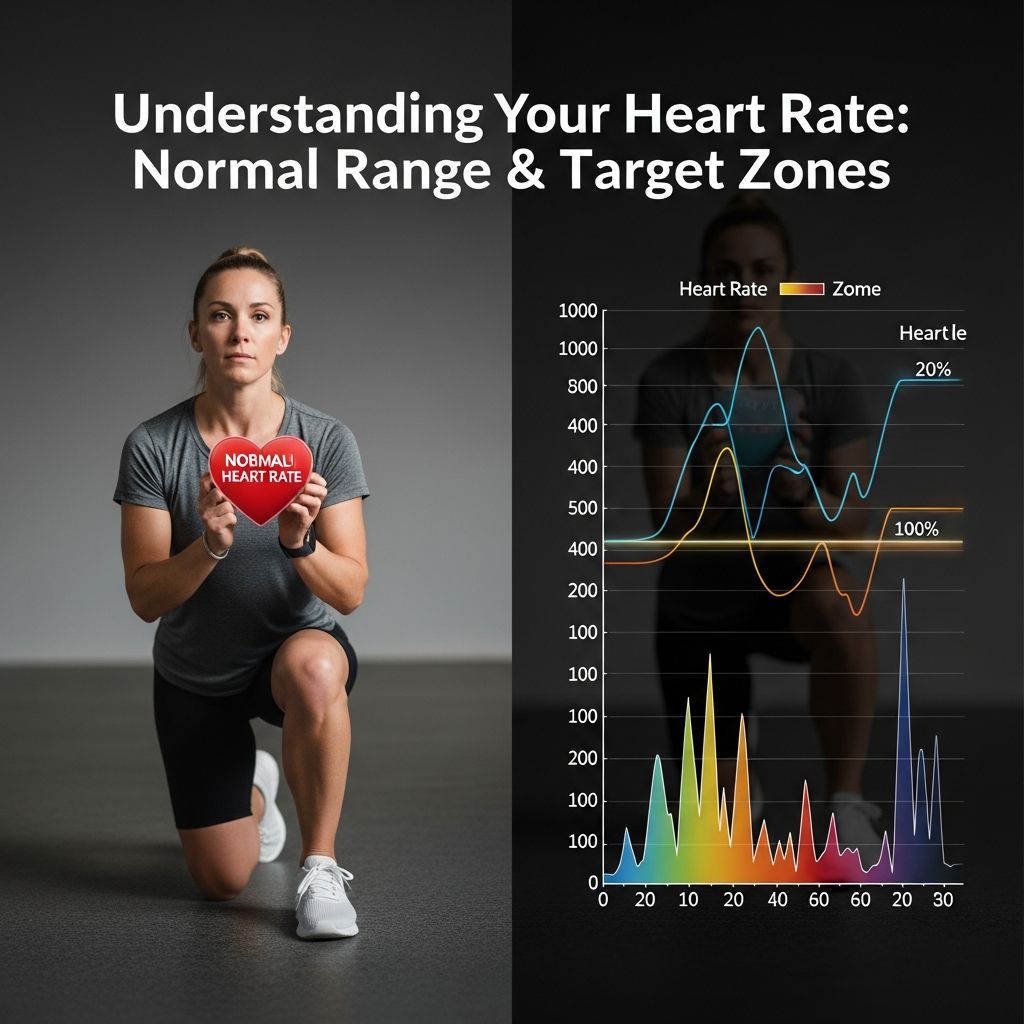
For most adults who exercise regularly, the recommended target heart rate zone is 60% to 85% of their known maximum heart rate. However, your specific target zone depends on several individual factors:
– Your age and fitness level
– Your exercise experience
– Your overall medical history
– Whether you have any underlying health conditions
– Your current fitness status
If you’re just beginning an exercise program or haven’t exercised in a while, your healthcare provider may recommend that you stay at a lower intensity, no higher than 50% of your maximum heart rate. This conservative approach allows your cardiovascular system to gradually adapt to increased activity and helps prevent injury or excessive strain on your heart.
Target Heart Rate by Age Chart
| Age | Predicted Maximum Heart Rate | Target Zone (60%-85%) |
|---|---|---|
| 20 | 200 | 120–170 |
| 25 | 195 | 117–166 |
| 30 | 190 | 114–162 |
| 35 | 185 | 111–157 |
| 40 | 180 | 108–153 |
| 45 | 175 | 105–149 |
| 50 | 170 | 102–145 |
Monitoring Your Heart Rate During Exercise
During your workouts, periodically checking your heart rate helps ensure you’re exercising within your target zone. If your pulse is below your target zone, you can increase the intensity of your workout to gain more cardiovascular benefit. If your heart rate is too high or you start to feel unwell, you should slow down and reduce your intensity.
Remember that if an exercise feels too hard physically, listen to your body and reduce the intensity. You don’t need to reach the top end of your target heart rate zone immediately. If you’re just starting an exercise program, take your time and gradually increase your fitness level before exercising near the upper limit of your target zone.
High-Intensity Interval Training (HIIT)
High-intensity interval training involves alternating periods of intense effort with recovery periods, and it can temporarily raise your heart rate to higher than 85% of your maximum heart rate. While HIIT can be beneficial for improving cardiovascular fitness and burning calories efficiently, it should never be attempted without first discussing it with your healthcare provider. HIIT places greater demands on your heart and cardiovascular system, so medical clearance is important, especially if you have any underlying health conditions or have been sedentary.
Heart Rate Reserve and Fitness Indicator
Heart rate reserve (HRR) is another important measure that provides additional insight into your cardiovascular fitness. Heart rate reserve is calculated by subtracting your resting heart rate from your maximum heart rate. For example, if your maximum heart rate is 180 and your resting heart rate is 60, your heart rate reserve would be 120.
A higher heart rate reserve generally indicates better cardiovascular fitness and health. Research has shown that individuals with a higher heart rate reserve have a lower risk of adverse cardiac events. Conversely, a low heart rate reserve may be associated with increased cardiovascular risk. The good news is that your heart rate reserve can be improved through consistent exercise and aerobic conditioning.
Factors That Influence Your Heart Rate
Numerous factors can cause your heart rate to fluctuate throughout the day:
– Physical activity: Exercise increases heart rate to meet increased oxygen demands
– Stress and anxiety: Emotional stress activates your nervous system, raising heart rate
– Infections: Your heart pumps more frequently to meet increased metabolic demands during illness
– Caffeine and stimulants: These substances increase heart rate
– Medications: Certain drugs can raise or lower heart rate
– Temperature: Heat can increase heart rate slightly
– Sleep and rest: Heart rate naturally decreases during sleep
– Fitness level: Athletes typically have lower resting heart rates
When to Consult a Healthcare Provider
While a heart rate between 60 and 100 beats per minute is considered normal, a heart rate outside this range can still be healthy depending on your individual circumstances. However, you should consult with a healthcare provider, such as your primary care doctor or a cardiologist, if you experience:
– A consistently elevated resting heart rate above 100 beats per minute
– A resting heart rate significantly lower than normal (unless you’re a trained athlete)
– Sudden changes in your heart rate pattern
– Heart rate accompanied by chest pain, shortness of breath, or dizziness
– Concerns about your cardiovascular health or fitness progress
Your healthcare provider can perform an electrocardiogram (EKG) to assess your heart rate and rhythm in more detail, review your medical history and current medications, and help determine if your symptoms warrant further investigation.
Frequently Asked Questions
Q: Is a lower resting heart rate always better?
A: Generally, a lower resting heart rate is associated with better cardiovascular health and fitness. A lower resting heart rate indicates that your heart is working efficiently and doesn’t need to beat as frequently to pump blood throughout your body. However, an unusually low resting heart rate (below 40) combined with symptoms like dizziness or fainting may warrant medical evaluation.
Q: How often should I check my heart rate?
A: Most people don’t need to check their heart rate daily. However, if you’re starting a new exercise program or have health concerns, checking your resting heart rate a few times per week can help you monitor improvements in your cardiovascular fitness over time. Always check your resting heart rate when you first wake up, before getting out of bed.
Q: Can my target heart rate change over time?
A: Yes, your target heart rate can change as your fitness level improves. As you become more fit, your resting heart rate typically decreases, which affects your heart rate reserve and target zone. This is why it’s beneficial to recalculate your target heart rate zone periodically as your fitness improves.
Q: What if my heart rate doesn’t increase during exercise?
A: If your heart rate doesn’t increase appropriately during exercise, this could indicate that you’re not exercising at sufficient intensity, or it could be related to certain medications like beta-blockers. Discuss this with your healthcare provider, who can help determine whether you need to increase exercise intensity or adjust your medications.
Q: Should I always stay within my target heart rate zone during exercise?
A: Most steady-state aerobic exercise should be performed within your target heart rate zone. However, warm-up and cool-down periods may be performed at lower intensities, and high-intensity interval training intentionally goes above the target zone. Always consult with your healthcare provider or a fitness professional about the most appropriate intensity for your specific situation.
References
- Your Pulse and Your Target Heart Rate — Cleveland Clinic, Sydell and Arnold Miller Family Heart, Vascular and Thoracic Institute. 2020-09. https://my.clevelandclinic.org/-/scassets/files/org/heart/patient-education/hvti-files/your-pulse-and-target-heart-rate.pdf
- What’s a Normal Heart Rate? — Cleveland Clinic Health Library. 2024. https://health.clevelandclinic.org/normal-heart-rate
- Heart Rate Reserve — Cleveland Clinic. 2024. https://my.clevelandclinic.org/health/articles/24649-heart-rate-reserve
- How to Check Your Pulse — Cleveland Clinic. 2024. https://my.clevelandclinic.org/health/articles/23918-how-to-take-your-pulse
Similar Articles








Read full bio of medha deb