Understanding Hemorrhoids: Causes, Symptoms & Relief
Learn about hemorrhoid causes, recognize symptoms early, and explore effective treatment options.
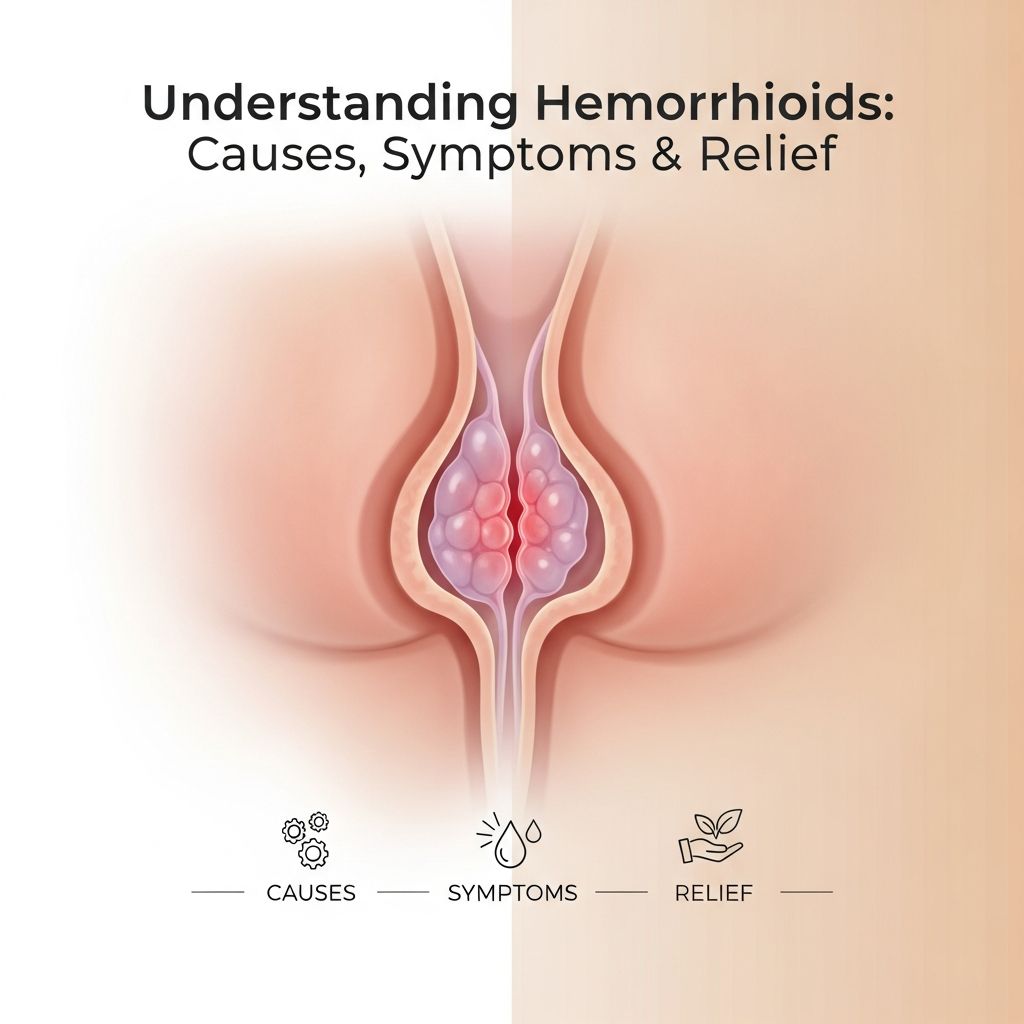
Hemorrhoids, commonly referred to as piles, represent a widespread health concern affecting individuals across various age groups and backgrounds. These swollen veins develop in the lower rectum and around the anus, creating discomfort and concern for millions of people annually. While the condition often resolves independently through conservative management, understanding its underlying causes, recognizing distinctive symptoms, and knowing when professional intervention becomes necessary empowers individuals to take control of their health effectively.
Defining Hemorrhoids and Their Classification
Hemorrhoids are enlarged blood vessels within the anal and rectal region that become swollen due to increased pressure. These structures exist naturally in everyone, but they become problematic when they swell or become inflamed. Medical professionals categorize hemorrhoids into two primary types based on their anatomical location: internal hemorrhoids develop above the pectinate line deep within the rectum, while external hemorrhoids form below this anatomical boundary in the subcutaneous tissue surrounding the anus.
Each type presents distinct characteristics and symptomatology. Internal hemorrhoids may bleed during bowel movements but typically produce less pain because the rectal lining contains fewer pain-sensing nerve endings. External hemorrhoids, conversely, are covered with skin containing abundant nerve endings, making them considerably more sensitive and prone to causing localized discomfort and itching sensations.
What Triggers Hemorrhoid Development
The development of hemorrhoids stems from excessive pressure exerted on the venous system surrounding the anus and rectum. This pressure causes the delicate blood vessel walls to stretch and bulge, leading to the characteristic swelling and inflammation. Understanding the contributing factors allows individuals to implement preventive strategies effectively.
Pressure-Related Contributing Factors
- Bowel Movement Strain: Forcing or straining excessively during bowel movements transmits considerable pressure directly to the hemorrhoidal veins, making this the most common causative factor.
- Prolonged Toilet Sitting: Extended periods seated on the toilet increase pressure within the lower rectum, particularly when combined with straining or when using the toilet as a reading location.
- Dietary Insufficiencies: Diets lacking adequate fiber content contribute to constipation, necessitating excessive straining during elimination.
- Chronic Constipation: Persistent difficulty passing stools creates cumulative pressure on rectal blood vessels over extended timeframes.
- Chronic Diarrhea: Prolonged loose stools necessitate frequent bathroom visits and extended sitting periods, contributing to hemorrhoid formation.
- Obesity: Excess body weight increases overall abdominal pressure, which transmits to the rectal region.
- Heavy Lifting: Regularly lifting substantial weights, whether occupationally or recreationally, increases intra-abdominal pressure.
- Pregnancy: Hormonal changes and the expanding uterus increase abdominal pressure, particularly during the third trimester and during labor.
Age-Related and Structural Factors
The supporting tissues surrounding the anus and rectum naturally weaken with advancing age, reducing their capacity to maintain vascular integrity under pressure. This age-related degeneration explains why hemorrhoids become increasingly prevalent in older populations. Additionally, certain lifestyle behaviors and anatomical variations contribute to disease susceptibility.
Recognizing Hemorrhoid Symptoms
Symptom presentation varies considerably depending on whether hemorrhoids are internal or external, their severity, and individual pain sensitivity. Recognizing these manifestations enables timely intervention and appropriate management selection.
External Hemorrhoid Presentations
External hemorrhoids, being situated in skin-covered tissue with abundant nerve endings, produce more noticeable symptoms. Common manifestations include:
Related Stories



- Itching or irritation sensation around the anal opening
- Hard, tender lumps palpable near the anus
- Soreness and discomfort, particularly during sitting or bowel movements
- Visible swelling in the anal region
- Pain that may intensify with physical activity or extended sitting
Internal Hemorrhoid Presentations
Internal hemorrhoids, located within the less sensitive rectal tissue, frequently produce minimal discomfort but may cause concerning symptoms:
- Bright red blood visible on toilet paper or in the toilet bowl following bowel movements
- Blood streaking on stool surfaces
- Tissue protrusion extending beyond the anus during straining
- Mucous discharge producing undergarment spotting
- Sensations of incomplete evacuation
Notably, some internal hemorrhoids prolapse, becoming displaced and protruding externally. Prolapsed hemorrhoids may cause acute pain if the surrounding tissue constricts, cutting off blood flow to the protruding tissue—a condition termed strangulation.
When Professional Evaluation Becomes Necessary
While many hemorrhoid cases resolve through self-care measures, specific situations warrant professional medical assessment. Individuals should seek healthcare evaluation if symptoms persist beyond one week despite consistent home treatment application, or if rectal bleeding occurs. Although hemorrhoids represent a common bleeding source, other serious conditions including Crohn’s disease, ulcerative colitis, colorectal malignancy, and anal cancer also produce similar bleeding manifestations. Professional evaluation establishes definitive diagnosis and rules out potentially serious underlying pathology.
Conservative Management Strategies
First-line treatment focuses on reducing pressure and promoting comfortable bowel movements through dietary and behavioral modifications. These approaches prove effective for the majority of hemorrhoid cases and should be maintained even when pursuing additional interventions.
Dietary Modifications
Adequate fiber intake forms the cornerstone of hemorrhoid management and prevention. Fiber consumption recommendations range from 25 to 35 grams daily, achievable through whole grains, legumes, vegetables, and fruits. Fiber supplementation demonstrates measurable efficacy, reducing hemorrhoid bleeding by approximately 50 percent while improving overall symptomatology.
Hydration plays an equally critical role in bowel regularity. Consuming adequate water and other fluids softens stool consistency, reducing the straining effort required for evacuation. Stool softeners may supplement dietary modifications when constipation persists despite increased fiber and water intake.
Behavioral and Lifestyle Adjustments
- Toilet Habits Modification: Limiting toilet sitting duration, avoiding prolonged straining, and responding promptly to urges reduce pressure exposure.
- Regular Physical Activity: Moderate exercise promotes regular bowel function and prevents constipation accumulation.
- Weight Management: Maintaining healthy body weight reduces overall abdominal pressure transmission to rectal structures.
- Sitz Bath Therapy: Sitting in shallow, warm water for 15 minutes multiple times daily, particularly following bowel movements, temporarily reduces pain and promotes comfort.
- Cold Compress Application: Applying cold packs to affected external areas provides temporary pain relief and reduces swelling.
Topical and Oral Pharmacological Options
Over-the-counter preparations provide symptomatic relief when conservative measures require supplementation. These medications target specific symptoms without addressing underlying causes.
Common Over-the-Counter Formulations
| Medication Type | Active Components | Primary Benefits | Usage Notes |
|---|---|---|---|
| Hydrocortisone Creams | Corticosteroid | Reduces inflammation and itching | Limit use to 7 days; prolonged application risks skin damage |
| Lidocaine Products | Local anesthetic | Numbs pain and discomfort | Often combined with anti-inflammatory agents |
| Witch Hazel | Astringent | Reduces swelling and itching | Gentle option with minimal side effects |
| Phenylephrine | Decongestant | Shrinks swollen tissue | Available in creams and suppositories |
Oral analgesics including acetaminophen, ibuprofen, or aspirin manage pain when topical applications prove insufficient. Prescription-strength options may be considered when over-the-counter medications provide inadequate symptom control.
Medical Procedures for Persistent Symptoms
When conservative management fails to provide adequate symptom relief, medical professionals can perform minimally invasive office procedures. These interventions demonstrate high efficacy rates with reduced recovery times compared to surgical approaches.
Rubber Band Ligation
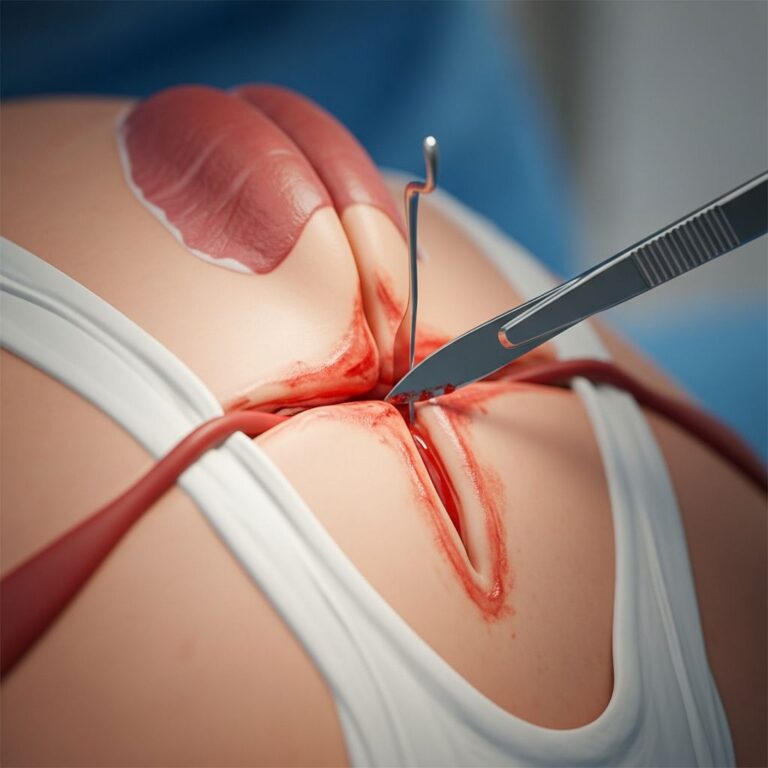
This widely-used procedure involves placing one or two small medical-grade rubber bands around the hemorrhoid base, cutting off blood supply. The tissue eventually dies and separates naturally within approximately one week. Patients may require multiple treatments for complete resolution, but the procedure remains remarkably effective for internal hemorrhoids.
Sclerotherapy Injection
Doctors inject chemical solutions directly into hemorrhoid tissue, causing vascular constriction and tissue shrinkage. This approach produces minimal discomfort and leaves no external wounds, making it particularly suitable for patients concerned about recovery periods.
Cryotherapy Application
Applying extremely cold gases or liquids to freeze external hemorrhoids causes tissue death and subsequent shedding. The procedure produces minimal pain and achieves good cosmetic results.
Surgical Interventions
Hemorrhoidectomy—complete surgical removal of hemorrhoidal tissue—represents the most definitive treatment option, reserved for severe cases unresponsive to conservative and minimally invasive approaches. Surgical procedures aim to remove symptomatic hemorrhoidal columns, reduce redundant tissue causing prolapse, and minimize postoperative pain complications.
Surgical approaches vary in extent and aggressiveness. More extensive procedures provide greater permanence but involve longer recovery periods and increased postoperative discomfort. Surgeons balance definitive tissue removal against patient comfort considerations when determining procedural extent.
Prevention Strategies for Long-Term Management
Preventing hemorrhoid recurrence involves sustained implementation of the dietary and behavioral modifications discussed previously. Consistent fiber consumption, adequate hydration, regular physical activity, and prompt toilet response prevent the pressure accumulation that initiates symptom development. Individuals with previous hemorrhoid episodes should maintain these preventive measures indefinitely to minimize recurrence risk.
Frequently Asked Questions
Can hemorrhoids disappear without treatment?
Yes, many hemorrhoid cases resolve independently within several days to weeks as inflammation subsides and pressure normalizes. However, conservative management accelerates symptom resolution and prevents complications.
Are hemorrhoids dangerous or life-threatening?
Hemorrhoids themselves are not dangerous, though their symptoms can cause significant discomfort. However, rectal bleeding warrants professional evaluation to exclude serious underlying conditions.
Will hemorrhoids return after treatment?
Hemorrhoid recurrence is possible if contributing factors persist. Maintaining preventive measures substantially reduces recurrence likelihood regardless of treatment approach utilized.
Is surgical hemorrhoid treatment permanent?
Surgical removal offers the most definitive resolution, though hemorrhoid recurrence remains possible if causative factors continue. Maintaining preventive measures optimizes long-term outcomes.
When should I contact a healthcare provider?
Seek professional evaluation if home treatments fail to improve symptoms within one week, if bleeding continues, if pain intensifies despite treatment, or if hemorrhoids prolapse externally and cannot be repositioned.
References
- Hemorrhoids – Symptoms and causes — Mayo Clinic. 2024-02-10. https://www.mayoclinic.org/diseases-conditions/hemorrhoids/symptoms-causes/syc-20360268
- Hemorrhoids — National Institute of Diabetes and Digestive and Kidney Diseases (NIDDK). 2024. https://www.niddk.nih.gov/health-information/digestive-diseases/hemorrhoids
- Hemorrhoids | Piles — MedlinePlus. 2025-06-15. https://medlineplus.gov/hemorrhoids.html
- Hemorrhoids: Diagnosis and Treatment Options — American Academy of Family Physicians (AAFP). 2018-02-01. https://www.aafp.org/pubs/afp/issues/2018/0201/p172.html
- Hemorrhoids: Symptoms, Causes & Treatment — Cleveland Clinic. 2025-01-22. https://my.clevelandclinic.org/health/diseases/15120-hemorrhoids
Similar Articles








Read full bio of Sneha Tete