Hip Replacement Surgery: A Comprehensive Patient Guide
Complete guide to hip replacement procedures, recovery, and outcomes
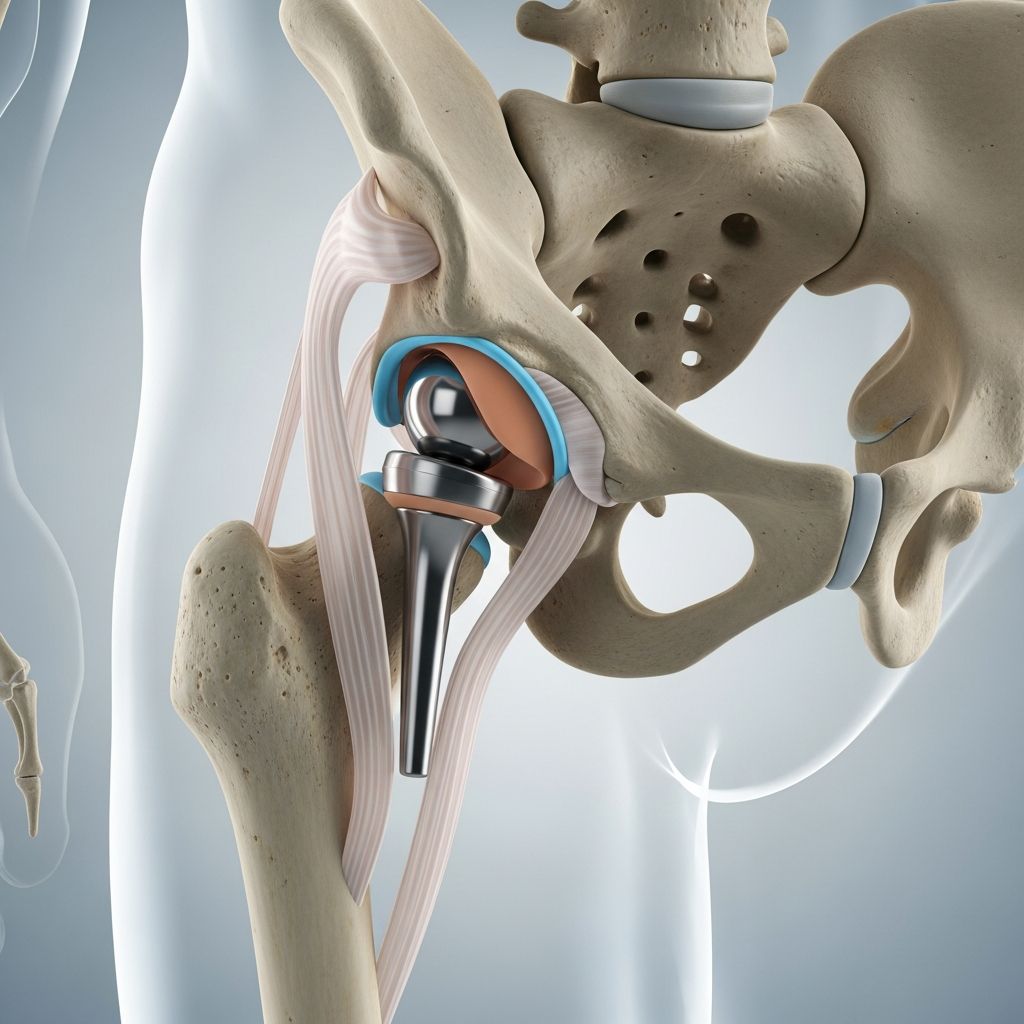
Hip replacement surgery, medically known as total hip arthroplasty, represents one of the most successful surgical interventions in modern orthopedic medicine. This procedure involves removing damaged or diseased portions of the hip joint and replacing them with artificial components designed to restore function and eliminate pain. For individuals suffering from severe hip joint deterioration, this surgery can be life-changing, enabling return to normal daily activities and improved quality of life.
The Fundamental Purpose of Hip Replacement
The primary objectives of hip replacement surgery are multifaceted and patient-centered. The procedure aims to relieve pain from a damaged or diseased hip joint, improve hip joint function, and increase overall mobility and movement capabilities. When conservative treatments such as physical therapy, weight management, activity modification, and anti-inflammatory medications fail to provide adequate relief, hip replacement becomes an appropriate consideration for patients experiencing significant functional limitations.
The hip joint is a ball-and-socket articulation where the femoral head (the ball) connects with the acetabulum (the socket). When cartilage and bone in this joint deteriorate due to arthritis or injury, movement becomes painful and restricted. Hip replacement surgery addresses this by replacing the damaged structures with prosthetic components that restore smooth, pain-free movement.
Anatomy of Prosthetic Hip Components
Modern hip replacement systems consist of several carefully engineered components that work together to replicate natural hip function. Understanding these elements helps patients appreciate the sophistication of contemporary orthopedic solutions.
The femoral stem is a metal implant inserted into the hollow center of the thighbone (femur). This component provides stability and support for the upper prosthetic elements. The stem may be secured using either cement (which acts as an adhesive) or a press-fit technique that allows bone to grow onto the implant surface.
The femoral head, constructed from metal or ceramic materials, replaces the damaged natural ball portion of the hip joint. This spherical component articulates with the socket component, enabling hip movement.
The acetabular socket is a metal prosthetic component that replaces the damaged cartilage surface of the natural socket. Surgeons secure the socket using screws or cement, depending on bone quality and surgical approach. Between the ball and socket sits an articular spacer or liner, typically made from plastic, ceramic, or metal, which provides a smooth gliding surface that minimizes friction and wear.
Surgical Approaches: Choosing the Right Method
Surgeons employ different surgical approaches to access and replace the hip joint, each with distinct advantages and considerations. The three primary approaches include:
- Direct Anterior Approach: The surgeon accesses the hip joint through an incision between the abdominal muscles and thigh muscles at the front of the hip. This approach minimizes damage to hip muscles and may result in faster recovery for some patients.
- Lateral Approach: An incision is made on the outer side of the hip, allowing direct access to the joint. This approach provides good visualization of the surgical field and is widely used for various hip pathologies.
- Posterior Approach: The surgeon accesses the hip from behind, making an incision between the gluteal muscles. Each approach offers specific advantages depending on the patient’s anatomy and surgical requirements.
Related Stories



The choice of surgical approach depends on factors including the specific hip pathology, patient anatomy, bone quality, and surgeon preference and expertise.
Pre-Operative Assessment and Preparation
Thorough preparation significantly influences surgical success and recovery outcomes. The process begins with comprehensive evaluation by an orthopedic surgeon, which includes several essential components.
The medical history assessment gathers detailed information about your general health status and specifically explores the extent of hip pain and its impact on daily functioning. Your surgeon will ask questions about activity limitations, pain patterns, and how the hip problem affects your lifestyle.
During physical examination, the surgeon assesses hip mobility, muscle strength, and joint alignment to understand the extent of functional compromise. Diagnostic imaging, particularly X-rays, helps determine the degree of cartilage and bone damage present in the joint.
Laboratory testing and cardiac evaluation typically occur within three weeks before surgery. These may include blood and urine samples, electrocardiogram (EKG), and chest X-rays to ensure your body is prepared for surgical stress and anesthesia. These tests help identify any underlying conditions that might complicate surgery or recovery.
Skin preparation deserves particular attention. Patients should report any skin irritations on the operative limb, including cuts, scratches, rashes, or insect bites, as breaks in skin integrity can increase infection risk and may necessitate surgery postponement.
Hospital Arrival and Surgical Day Procedures
Plan to arrive at the hospital approximately two hours before your scheduled surgery time. Upon check-in, you will be directed to the pre-operative holding area where staff will prepare you for surgery. Bring necessary items such as your CPAP mask if you use one at home, along with all prescribed medications and relevant medical documentation.
Anesthesia selection represents an important decision made in consultation with your anesthesiologist. Options typically include spinal anesthesia, which produces numbness from the abdomen to the toes and lasts approximately 2-4 hours, combined with sedation to promote relaxation. Some patients require general anesthesia depending on medical history and preferences.
The Surgical Procedure
Hip replacement surgery typically requires 60 to 90 minutes to complete, though duration varies based on individual factors and surgical complexity. The surgeon begins by making an incision sized appropriately for adequate visualization while minimizing soft tissue trauma. Modern surgical techniques emphasize smaller incisions to limit damage to surrounding structures.
The surgeon systematically removes diseased bone tissue and damaged cartilage from the hip joint. Once the surgical field is prepared, the femoral head is extracted and replaced with the prosthetic stem and ball components. The damaged socket surface is similarly removed and replaced with the prosthetic socket component. After confirming proper alignment and stability of all components, the surgeon closes the incision with sutures or staples.
The decision to use cemented or press-fit prosthetics depends on bone quality and strength. Press-fit implants allow bone to grow onto the prosthesis, while cemented components use bone cement as an adhesive. Some surgeons employ a hybrid approach, combining cemented and non-cemented components based on patient-specific factors.
Immediate Post-Operative Recovery
After surgery concludes, you will be transferred to the recovery room where medical staff monitor your emergence from anesthesia for several hours. You will have pain management medications available and will be observed for any complications. Most patients either return to a hospital room for continued monitoring or are discharged home the same day, depending on surgical complexity and overall health status.
Rehabilitation and Progressive Recovery
Successful recovery requires active participation in rehabilitation beginning immediately after surgery. Physical therapy professionals design individualized exercise programs to restore movement, strength, and function.
Early exercises focus on gentle activation of hip muscles. Key early exercises include:
| Exercise | Description | Frequency |
|---|---|---|
| Quadriceps Set | Lie on your back and tighten the muscles on top of the thigh, pressing the back of the knee toward the floor. Hold for 5 seconds. | 10 repetitions, 3 sets daily |
| Gluteal Set | Lie on your back and gently squeeze your buttocks together, slightly raising your pelvis. Hold 5 seconds. | 10 repetitions hourly in hospital; 3 daily at home |
| Hip Rotation to Neutral | Use hip muscles to rotate hips and knees outward, then return to neutral position with knees and toes pointing upward. | 10 repetitions hourly in hospital; 3 daily at home |
| Seated Knee Lifts | Sit in a chair, lean back, and slowly lift your thigh while keeping the knee bent. | 10 repetitions, 3 times daily |
| Standing Side Leg Lift | Stand upright while holding a stable object, slowly raise your leg outward from your body without leaning sideways. | 10 repetitions, 3 times daily |
As recovery progresses, rehabilitation advances to include graduated walking programs that begin inside your home and gradually expand to outdoor activities, progressively increasing mobility demands. Physical therapists teach proper techniques for sitting, standing, and climbing stairs—essential daily activities. Continued strengthening exercises performed multiple times daily restore hip function and stability.
Timeline for Functional Recovery
Recovery timelines vary among individuals but follow general progression patterns. Most patients experience significant pain reduction within the first few weeks post-surgery. Initial recovery in the hospital setting typically spans 1-3 days, during which vital functions stabilize and early mobilization begins.
The first 2-6 weeks focus on early mobilization, pain management, and preventing complications such as blood clots or infection. Many patients progress to walking with assistive devices and performing basic self-care activities during this period.
Between 6-12 weeks, patients typically demonstrate substantial functional improvement. Walking distances increase, dependence on assistive devices diminishes, and return to light household activities becomes possible. However, complete healing of bone and soft tissues continues throughout this period.
Full recovery and return to normal activities may require 3-6 months or longer. Patients can usually resume driving, work activities, and recreational pursuits gradually as strength and confidence increase. Your physical therapist and surgeon provide specific guidance regarding activity progression based on your individual recovery trajectory.
Physical Therapy Support Systems
Physical therapists play a crucial role in recovery success. Professional guidance helps you learn proper movement patterns, progress exercises appropriately, and avoid complications. Many patients benefit from home-based physical therapy during the initial recovery weeks, with supervision at therapy centers as recovery progresses. Therapists provide hands-on assistance while teaching exercises you can perform independently, ultimately promoting self-sufficiency in your recovery journey.
Important Precautions During Early Recovery
During the initial recovery phase, certain precautions protect your new hip and optimize healing. Avoid activities involving hip flexion beyond 90 degrees, which could dislocate the new hip joint. Use elevated toilet seats and chairs with armrests to maintain proper hip positioning. Sleep with a pillow between your legs to maintain proper alignment. Avoid crossing your legs and refrain from bending forward excessively when sitting or standing.
Most hip replacement surgeons provide specific movement restrictions during early recovery that typically last 4-12 weeks, depending on surgical approach and individual healing. Your healthcare team will clarify these restrictions during your hospital discharge and recovery instructions.
Long-Term Outcomes and Activity Levels
Modern hip replacement prosthetics offer excellent longevity when properly cared for. Most contemporary implants demonstrate strong survivorship rates and durability, with implants designed to function reliably for 15-20 years or longer. Regular follow-up appointments with your orthopedic surgeon help monitor your hip health and address any concerns early.
After complete recovery, most patients achieve substantial pain relief and functional improvement compared to their pre-surgical state. Many individuals return to activities including walking, swimming, cycling, golfing, and other recreational pursuits. High-impact activities such as running or contact sports are typically discouraged, as these accelerate prosthetic wear and may compromise implant longevity.
Frequently Asked Questions
How long does hip replacement surgery take?
The surgical procedure typically requires 60 to 90 minutes, though duration varies based on surgical complexity and individual anatomical factors.
What type of anesthesia is used?
Spinal anesthesia is commonly used, lasting approximately 2-4 hours and producing numbness from the abdomen to the toes, combined with sedation. General anesthesia may be used in specific situations.
When can I resume normal activities?
Most patients gradually resume normal daily activities over 3-6 months. Your physical therapist and surgeon will provide specific guidance based on your individual recovery progress.
How long do hip replacement prosthetics last?
Modern implants typically function reliably for 15-20 years or longer, with excellent survivorship and durability records when properly cared for.
What activities should I avoid after surgery?
High-impact activities, hip flexion beyond 90 degrees, and contact sports are generally discouraged. Low-impact activities such as walking, swimming, and cycling are typically encouraged once cleared by your healthcare team.
References
- Total Hip Replacement — American Academy of Orthopaedic Surgeons (AAOS). https://orthoinfo.aaos.org/en/treatment/total-hip-replacement/
- Hip Replacement: What to Expect & How to Prepare — National Institute of Arthritis and Musculoskeletal and Skin Diseases (NIAMS). https://www.niams.nih.gov/health-topics/hip-replacement-surgery
- Total Hip Replacement Surgery Guide — NYU Langone Health. https://nyulangone.org/files/nyulh-total-hip-surgery-booklet.pdf
- Hip Replacement Patient Guide To Surgery — Proliance Orthopedic Associates. https://www.prolianceorthopedicassociates.com/hip-replacement-patient-guide-to-surgery
- Good as New: A Patient Guide to Total Hip Replacement — Massachusetts General Hospital. https://www.massgeneral.org/assets/MGH/pdf/orthopaedics/patient-guides/total-hip-replacement-patient-guide.pdf
- A Guide to Your Hip Replacement Surgery — Healthcare Excellence Canada. https://www.healthcareexcellence.ca/media/bbndng0n/20230309_erc_hipreplacement_patientbooklet_en.pdf
Similar Articles








Read full bio of Sneha Tete