Understanding Hives: Causes, Symptoms & Treatment
Learn about hives, their triggers, symptoms, and effective treatment options for relief.
What Are Hives?
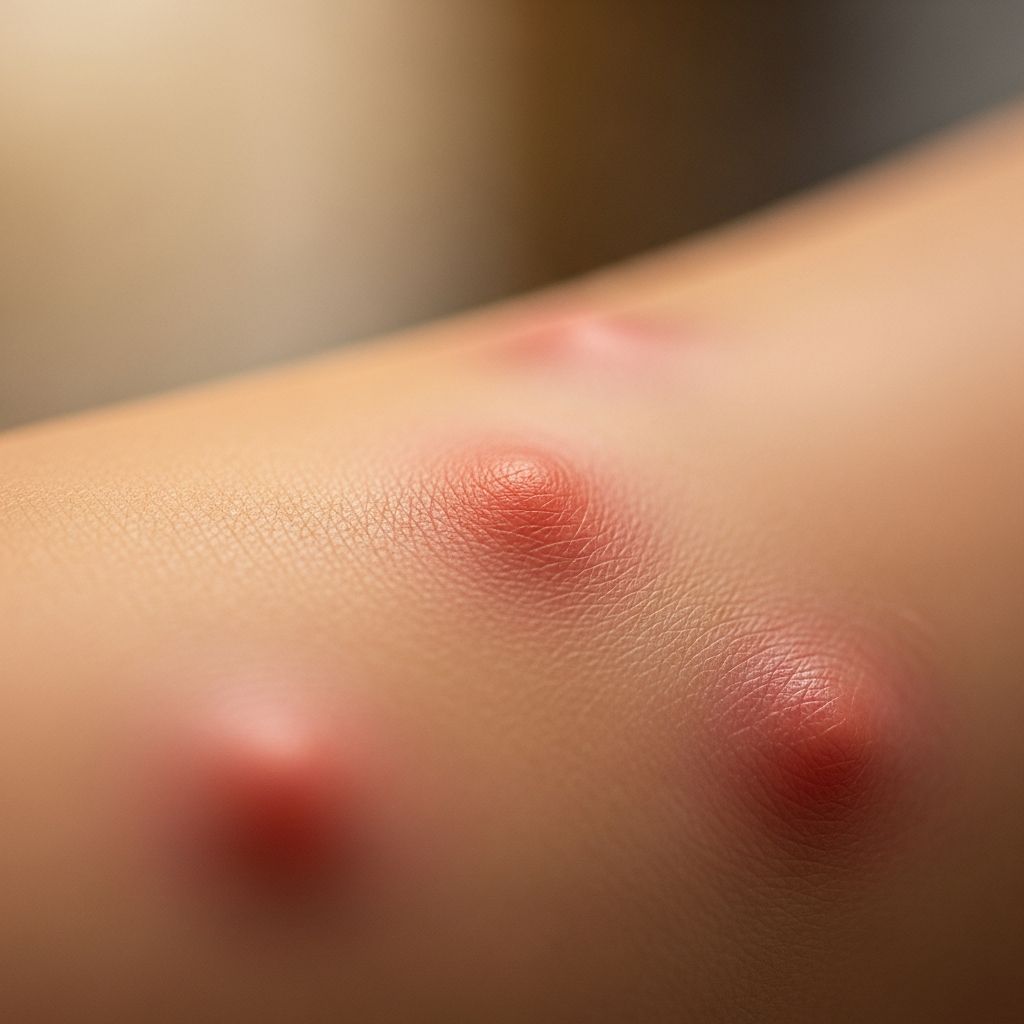
Hives, medically known as urticaria, are raised, red, itchy bumps or welts that appear on the skin. These temporary skin reactions occur when your body releases histamine in response to various triggers. Hives can develop suddenly and may appear anywhere on your body, ranging in size from tiny pinpricks to welts larger than a softball. The condition can be acute, lasting only a few hours to days, or chronic, persisting for weeks or months.
The appearance of hives varies from person to person. Some individuals experience small, clustered welts, while others develop larger, more scattered patches across their skin. Regardless of appearance, hives consistently cause significant itching and discomfort that can interfere with daily activities and sleep quality.
Acute Hives vs. Chronic Hives
Understanding the difference between acute and chronic hives is essential for proper diagnosis and treatment. Acute hives typically appear suddenly following exposure to an allergen or irritant and resolve quickly once the trigger is removed or the allergic reaction subsides. These hives usually last from a few minutes to several hours, though they may persist for a day or two.
Chronic hives, also called chronic idiopathic urticaria or spontaneous urticaria, present a different challenge. These welts appear on the skin at least twice per week and persist for more than six weeks, with many patients experiencing daily outbreaks for a year or longer. The key distinction is that chronic hives often lack an obvious trigger, making them significantly more difficult to manage and treat.
Causes and Triggers of Hives
Hives result from your immune system’s response to various triggers, but the causes differ between acute and chronic cases. Understanding what sparks your hives is crucial for effective management.
Acute Hives Triggers
Acute hives typically result from identifiable triggers, which may include:
– Food allergies (peanuts, shellfish, tree nuts, eggs, milk)- Contact allergens (latex, pet dander, certain plants)- Medications (antibiotics, pain relievers, blood pressure medications)- Insect stings or bites- Environmental factors (pollen, mold spores)- Temperature changes (exposure to extreme heat or cold)
Once the trigger is removed or the allergic reaction resolves, acute hives generally disappear without leaving scars or permanent skin damage.
Chronic Hives Causes
Chronic hives present a more complex picture, as most cases lack an obvious identifiable cause. For approximately 75-80% of patients with chronic hives, no specific trigger can be determined, leading to the term “idiopathic.” However, several factors may contribute to chronic hive development:
– Autoimmune conditions (approximately 1 in 5 people with chronic hives have an autoimmune disease)- Thyroid disorders- Systemic lupus erythematosus (SLE)- Infections (viral or bacterial)- Stress and anxiety- Physical stimuli (temperature changes, pressure on skin, physical activity)- Certain medications- Rarely, food or medication allergies that affect the individual regularly
Inducible Triggers
Some people experience hives triggered by external physical factors, known as inducible hives. These include:
– Heat from warm water, exercise, or warm environments- Cold exposure or cold water contact- Pressure from tight clothing or prolonged skin pressure- Sunlight exposure (solar urticaria)- Vibration- Exercise-induced hives
Symptoms of Hives
Recognizing hive symptoms allows for prompt identification and treatment. The primary manifestations include:
Related Stories



– Red, raised, itchy bumps or welts on the skin- Intense itching that may worsen at night- Welts that vary in size and shape- Hives that may merge into larger patches- Skin burning or stinging sensations- Symptoms that may appear and disappear throughout the day
In some cases, hives may be accompanied by angioedema, a deeper skin swelling that can affect the lips, tongue, or throat. If you experience difficulty breathing, chest tightness, or throat swelling, seek immediate medical attention, as these may indicate a severe allergic reaction.
When to See a Healthcare Provider
While many cases of acute hives resolve on their own, certain situations warrant professional medical evaluation. Consult a healthcare provider if:
– Hives persist for more than six weeks- You experience severe symptoms that interfere with sleep or daily activities- Home remedies fail to provide relief- You develop signs of severe allergic reactions (facial swelling, breathing difficulty)- Hives appear without any identifiable trigger- You suspect medication may be causing your hives
Specialists for Hives
Several healthcare professionals can diagnose and treat hives, including:
– Dermatologists (skin specialists)- Allergists/immunologists (allergy and immune system specialists)- Primary care physicians- Internal medicine doctors
Diagnosis of Hives
Most hives can be diagnosed through clinical examination and patient history. Your healthcare provider will examine your skin, ask about symptom onset, duration, and potential triggers, and review your medical history and current medications.
Diagnostic Tests
If chronic hives are suspected or the cause remains unclear, your provider may order diagnostic tests to identify underlying conditions:
– Blood tests to identify infections or autoimmune conditions- Thyroid function tests- Skin prick testing for allergen identification- Physical provocation tests (ice cube test for cold hives, pressure test for pressure hives)- Autologous serum skin test (ASST) for autoimmune evaluation
These tests help rule out other skin conditions that may resemble hives and identify any contributing factors that require specific treatment.
Treatment Options for Hives
Treatment approaches vary depending on whether you have acute or chronic hives and the severity of your symptoms.
First-Line Treatment
Antihistamines are typically the first-line treatment for hives. These medications block histamine receptors, reducing itching and inflammation:
– Non-sedating antihistamines (cetirizine, fexofenadine, loratadine)- Sedating antihistamines (diphenhydramine) – useful for nighttime relief- Second-generation antihistamines for chronic cases
Advanced Treatments
If antihistamines alone prove insufficient, additional treatment options include:
– Corticosteroids (oral or topical) to reduce inflammation- Prescription medications like omalizumab or cyclosporine for resistant cases- Immunosuppressive medications for severe chronic hives- Biologic therapies targeting specific immune pathways
Home Care and Lifestyle Management
Complementary home remedies can ease symptoms and reduce flare-ups:
– Apply cool compresses to affected areas- Take lukewarm (not hot) baths or showers- Wear soft, loose-fitting clothing- Avoid scratching, which worsens inflammation- Use fragrance-free moisturizers- Minimize exposure to known triggers- Manage stress through relaxation techniques- Stay hydrated- Avoid very hot or cold foods and beverages
Prognosis and Outlook
The outlook for hives varies by type. Acute hives typically resolve completely within 24 hours to a few weeks once the trigger is removed. For chronic hives, approximately half of patients experience remission within a year, often without specific treatment. However, some individuals may experience persistent symptoms requiring long-term management strategies.
Frequently Asked Questions
Q: Can hives be contagious?
A: No, hives are not contagious. They result from your individual immune system response and cannot spread from person to person through contact or proximity.
Q: How long do hives typically last?
A: Acute hives usually last from a few minutes to 24 hours, though some may persist for several days. Chronic hives, by definition, last more than six weeks and may persist for months or years.
Q: Can stress cause hives?
A: Yes, stress can trigger or worsen hives by activating immune system responses. Stress management is an important component of comprehensive hive treatment.
Q: Are hives dangerous?
A: Most hives are not dangerous, though they cause discomfort. However, if hives are accompanied by facial swelling, throat tightness, or breathing difficulty, seek immediate emergency care, as these may indicate anaphylaxis.
Q: Can certain foods trigger chronic hives?
A: While food allergies rarely cause chronic hives, they may trigger acute hives. When foods do cause chronic hives, it is typically because they are consumed regularly, making the connection difficult to identify.
Q: What medications can cause hives?
A: Common medications that may trigger hives include antibiotics (especially penicillin-based), pain relievers (NSAIDs and aspirin), and blood pressure medications (ACE inhibitors). Always inform your provider of any medications you take.
Prevention Strategies
While not all hives can be prevented, certain strategies reduce your risk:
– Identify and avoid known allergens- Maintain a hives diary to track potential triggers- Use hypoallergenic personal care products- Wear protective clothing in extreme temperatures- Manage stress through exercise, meditation, or therapy- Maintain a healthy immune system through proper nutrition and sleep- Avoid medications known to trigger your hives
Conclusion
Hives are a common skin condition that affects millions of people each year. While acute hives are usually minor and self-limiting, chronic hives require comprehensive management involving professional healthcare providers, diagnostic testing, and personalized treatment plans. By understanding the causes, recognizing symptoms, and implementing appropriate treatments and lifestyle modifications, most people can effectively manage hives and improve their quality of life. If you experience persistent or severe hives, consult a healthcare provider to develop an appropriate treatment strategy tailored to your specific needs.
References
- Chronic Hives (Chronic Idiopathic Urticaria): Causes & Treatment — Cleveland Clinic. 2022. https://my.clevelandclinic.org/health/diseases/22900-chronic-hives-chronic-idiopathic-urticaria
- How To Manage Frustrating Chronic Hives Flare-Ups — Cleveland Clinic Health. 2024. https://health.clevelandclinic.org/chronic-hives-flare-up
- Stress Rash and Hives: How To Get Rid of Them — Cleveland Clinic Health. 2024. https://health.clevelandclinic.org/why-am-i-breaking-out-in-hives-when-im-stressed
- Understanding Hives: Causes & Symptoms — ZYRTEC. 2024. https://www.zyrtec.com/allergy-guide/understanding-allergies/symptoms/understanding-hives
- Chronic Hives & Stress — Cleveland Clinic. 2024. https://my.clevelandclinic.org/watch/psychological-impact-of-chronic-hives
Similar Articles








Read full bio of medha deb