Hives (Urticaria): Complete Guide To Symptoms And Treatment
Comprehensive guide to recognizing, managing, and treating hives for better skin health and relief from itching.
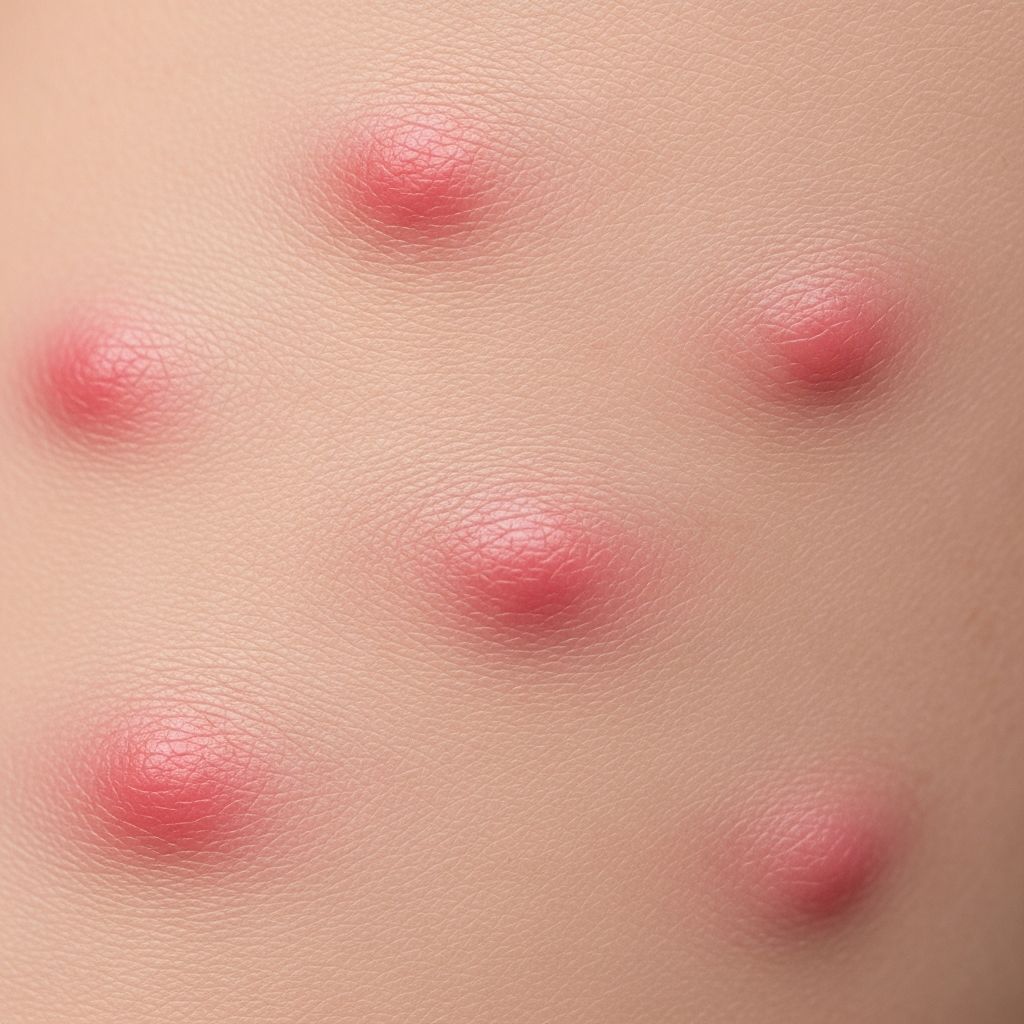
Hives, medically termed urticaria, manifest as elevated, reddish patches on the skin accompanied by intense itching. These welts can emerge abruptly and shift locations, affecting people across all ages and backgrounds. While often benign and self-resolving, persistent or severe instances warrant medical evaluation to rule out underlying issues.
Recognizing the Signs of Hives
The hallmark of hives includes
raised welts
that vary from pinpoint size to expansive plaques spanning several centimeters. These lesions typically exhibit a pale center surrounded by a red flare, blanching white under pressure. Itching predominates, though some experience burning or stinging sensations. Unlike bruises, hives leave no residual marks upon fading, usually within 24 hours per individual welt, though new ones may continuously appear.- Sudden onset, often within minutes of a trigger.
- Mobility: welts migrate across the body, sparing none from scalp to soles.
- Associated swelling known as angioedema, deeper and potentially affecting lips, eyelids, or throat.
In children, hives frequently accompany viral infections, presenting alongside fever or malaise. Adults might link episodes to stress, medications, or dietary factors.
Distinguishing Acute from Chronic Hives
Hives classify primarily by duration.
Acute urticaria
endures less than six weeks, commonly triggered by identifiable allergens or infections. Conversely,chronic urticaria
persists beyond six weeks, subdividing into spontaneous (no clear trigger) and inducible (physical stimuli like pressure or temperature changes).| Type | Duration | Common Triggers | Prognosis |
|---|---|---|---|
| Acute | <6 weeks | Allergies, infections, drugs | Resolves spontaneously |
| Chronic Spontaneous | >6 weeks | Unknown, possibly autoimmune | May last years, often remits |
| Chronic Inducible | >6 weeks | Heat, cold, friction | Trigger avoidance helps |
Chronic forms affect daily life profoundly, with up to 80-90% improving within five years, though recurrences occur.
Common Triggers Behind Hives Outbreaks
While acute hives often trace to allergies—foods like shellfish, nuts, or additives; medications such as NSAIDs or antibiotics; insect stings—chronic cases elude easy identification. Non-allergic culprits include viral illnesses (e.g., common cold, hepatitis), bacterial infections (strep, UTIs), and physical factors: dermatographism from scratching, cholinergic from exercise/sweat, or aquagenic from water contact.
Underlying conditions complicate matters. Autoimmune disorders like thyroiditis, lupus, or rheumatoid arthritis feature in 30-50% of chronic spontaneous urticaria, evidenced by autoantibodies. Metabolic issues such as diabetes or celiac disease, and rarely malignancies, also correlate. Emotional stress exacerbates via mast cell degranulation, releasing histamine.
Potential Complications and Associated Conditions
Most hives pose no threat, but angioedema signals risk, especially laryngeal swelling obstructing airways—prompting anaphylaxis in severe allergy contexts. Hereditary angioedema (HAE), C1-inhibitor deficient, mimics but resists antihistamines, demanding specialized biologics.
Chronic hives link to quality-of-life dips: sleep disruption, anxiety, work absenteeism. Rarely, they herald systemic disease; persistent cases necessitate screening for thyroid function, infections, or autoimmunity.
Related Stories



Steps for Accurate Diagnosis
Diagnosis hinges on history: onset, duration, triggers, family patterns, medications. Physical exam confirms wheals; dermatographism tests via skin stroking. Labs may include CBC, ESR, thyroid antibodies, or allergy skin prick tests for acute suspects. Biopsy is uncommon.
For chronic idiopathic urticaria (no identifiable cause), autologous serum skin test detects mast cell-activating factors. Inducible types provoke via ice cube (cold), heat challenge, or exercise. Allergists employ comprehensive panels to exclude food/environmental roles, often futile in spontaneous chronicity.
Effective Treatment Strategies
Management tiers by severity.
First-line: second-generation antihistamines
(cetirizine, loratadine, fexofenadine) block H1 receptors, dosed up to fourfold for non-responders. H2 blockers (ranitidine) or sedating types (hydroxyzine) augment nocturnally.- Acute relief: Cool compresses, oatmeal baths, calamine lotion soothe itch.
- Moderate chronic: Short prednisone bursts (3-10 days), omalizumab (anti-IgE monoclonal, monthly injections for refractory cases).
- Severe/refractory: Cyclosporine, dupilumab, or phototherapy.
Anaphylaxis mandates epinephrine auto-injectors. HAE requires C1 inhibitors or bradykinin antagonists. Trigger avoidance—dietary logs, medication review—is pivotal.
Lifestyle Modifications for Prevention
Avoid known irritants: tight clothing (pressure urticaria), extreme temperatures, alcohol (vasodilation). Stress management via yoga, mindfulness curbs flares. Loose cotton attire, fragrance-free products minimize irritation. Track episodes in journals to discern patterns.
Dietary tweaks exclude high-histamine foods (aged cheese, fermented items, tomatoes) empirically, though evidence varies. Regular exercise, paradoxically, prevents cholinergic types via acclimation.
When to Seek Immediate Medical Attention
Urgent care beckons for hives with dyspnea, throat tightness, widespread angioedema, dizziness, or GI upset—hallmarks of anaphylaxis. Consult promptly if episodes exceed days, recur frequently, or accompany fever/joint pains suggesting infection/autoimmunity. Children with persistent rash merit pediatric allergist referral.
Frequently Asked Questions (FAQs)
Are hives always an allergy?
No, while allergies trigger many acute cases, chronic hives seldom relate, often stemming from autoimmunity or unknown factors.
Can stress trigger hives?
Yes, emotional stress prompts mast cell histamine release, exacerbating or initiating outbreaks.
How long do hives typically last?
Individual welts fade in hours to 24 hours; acute episodes resolve in days/weeks, chronic may span years with remissions.
Do hives leave scars?
Rarely; they blanch and vanish without marks, distinguishing from bruises or eczema.
Is treatment needed for all hives cases?
Mild acute self-resolve; seek care for persistence, severity, or systemic symptoms.
Can infections cause hives?
Absolutely, viral (common in kids) and bacterial infections frequently precede urticaria, clearing with the illness.
Long-Term Outlook and Management
Prognosis shines: half of chronic sufferers remit in 1-2 years, 80-90% by five. Recurrences possible, but biologic therapies like omalizumab achieve 60-80% control rates. Multidisciplinary care—dermatology, allergy, rheumatology—optimizes outcomes for complex cases. Patient education empowers: recognize triggers, adhere to meds, monitor for progression.
Research advances: novel anti-cytokine agents target IL-4/13 pathways in antihistamine-resistant urticaria. Emerging diagnostics pinpoint autoantibodies precisely. Future holds personalized medicine via biomarkers.
References
- What Diseases Start with Hives? — Allergy, Asthma and Sinus Centers. 2023. https://www.aascmed.com/blog/what-diseases-start-with-hives/
- Hives (Urticaria) & Angioedema Symptoms, Diagnosis & Treatment — American Academy of Allergy, Asthma & Immunology (AAAAI). 2024-02-15. https://www.aaaai.org/tools-for-the-public/conditions-library/allergies/hives-(urticaria)-and-angioedema-overview
- Hives (Urticaria) | Causes, Symptoms & Treatment — American College of Allergy, Asthma & Immunology (ACAAI). 2024. https://acaai.org/allergies/allergic-conditions/skin-allergy/hives/
- Hives: Causes, Symptoms, Diagnosis, Treatment & Prevention — Cleveland Clinic. 2025-01-10. https://my.clevelandclinic.org/health/diseases/8630-hives
- Hives (Urticaria): Causes, Treatment and Prevention — Nationwide Children’s Hospital. 2023-11-20. https://www.nationwidechildrens.org/conditions/hives
Similar Articles








Read full bio of medha deb