Understanding Hyperventilation: Causes, Symptoms & Treatment
Learn about hyperventilation, its triggers, symptoms, and effective management strategies.
What Is Hyperventilation?
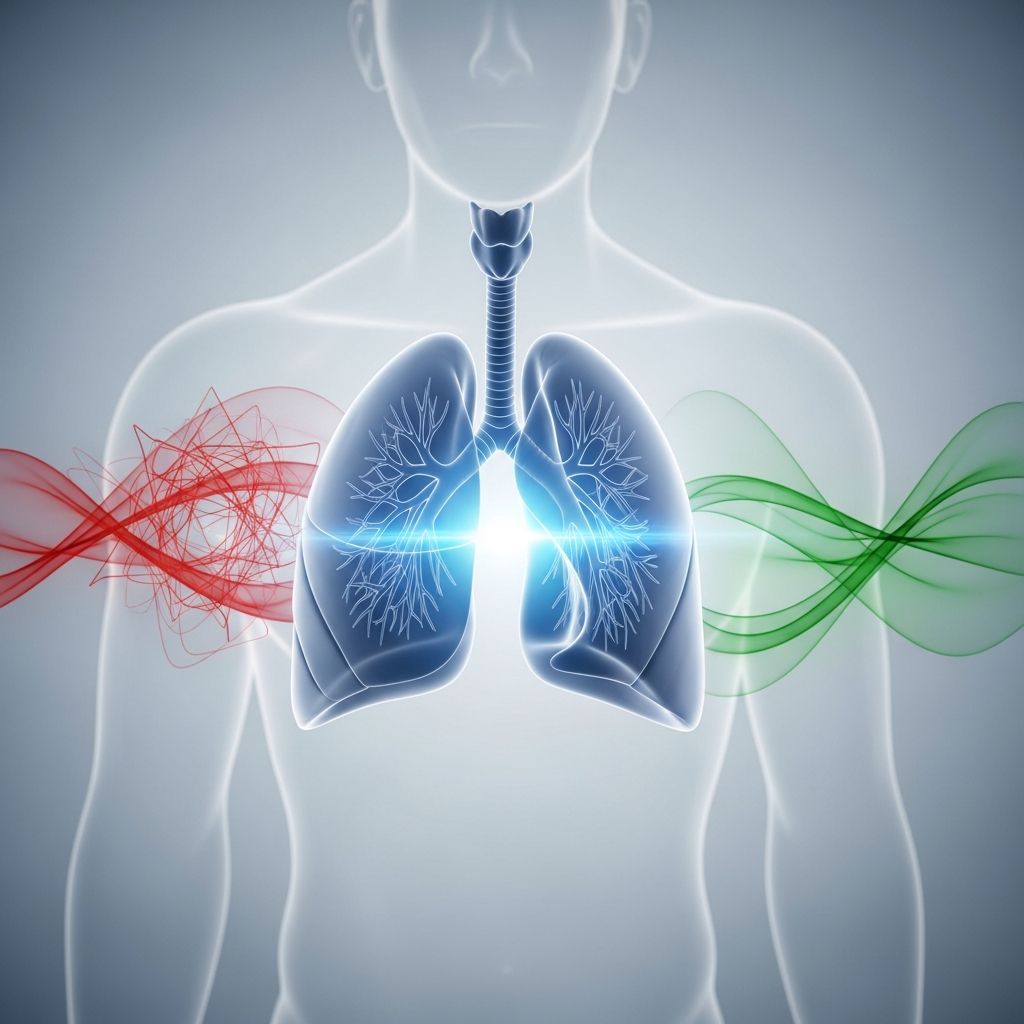
Hyperventilation is a condition characterized by rapid or deep breathing that disrupts the balance of oxygen and carbon dioxide in the body. When you hyperventilate, you exhale more carbon dioxide than your body produces, leading to a decrease in blood carbon dioxide levels. This imbalance can cause a range of physical and psychological symptoms, including dizziness, tingling, and breathlessness. Hyperventilation can be triggered by emotional stress, anxiety, or underlying medical conditions, and it is often a temporary response to acute stress or fear.
Causes of Hyperventilation
Hyperventilation can result from a variety of psychological and physical factors. The most common causes include:
- Anxiety and stress
- Panic attacks
- Emotional distress
- Physical exertion
- Medical conditions such as asthma, chronic obstructive pulmonary disease (COPD), heart disease, or infections
- Medications or drug overdose
- Severe pain
- Pregnancy
- High altitude
- Head injuries
Symptoms of Hyperventilation
The symptoms of hyperventilation can vary in intensity and duration, but common signs include:
- Lightheadedness or dizziness
- Chest pain or tightness
- Shortness of breath
- Tingling or numbness in the hands, feet, or around the mouth
- Headache
- Sweating
- Blurred vision
- Fast heartbeat
- Feeling faint or passing out
How Hyperventilation Affects the Body
When you hyperventilate, your body’s carbon dioxide levels drop rapidly. This leads to a condition called respiratory alkalosis, which causes blood vessels to constrict, reducing blood flow to the brain. The constriction of blood vessels can result in symptoms such as dizziness, tingling, and confusion. In severe cases, hyperventilation can lead to loss of consciousness, which can be dangerous if it occurs in situations where safety is a concern, such as while driving or operating machinery.
Diagnosis of Hyperventilation
Diagnosing hyperventilation typically involves a thorough medical history and physical examination. Your healthcare provider may ask about your symptoms, triggers, and any underlying medical conditions. Additional tests may be ordered to rule out other causes of your symptoms, such as:
- Blood tests to check for electrolyte imbalances or other medical conditions
- Imaging tests, such as chest X-rays or CT scans, to evaluate lung function
- Pulmonary function tests to assess lung capacity and airflow
Treatment of Hyperventilation
Treatment for hyperventilation depends on the underlying cause. For most people, hyperventilation is a temporary response to stress or anxiety and can be managed with simple techniques. If an underlying medical condition is identified, specific treatment for that condition may be necessary. Common treatment approaches include:
- Reassurance and education about the condition
- Breathing retraining exercises to help control breathing patterns
- Stress reduction and relaxation techniques, such as deep breathing, meditation, or yoga
- Psychotherapy or counseling for anxiety or stress-related hyperventilation
- Medication, if necessary, to treat underlying mental health conditions
Managing Hyperventilation Episodes
If you experience a hyperventilation episode, there are several steps you can take to help manage your symptoms:
- Try to stay calm and focus on your breathing
- Slow your breathing to about one breath every 5 seconds
- Practice belly-breathing, which involves breathing deeply into your abdomen rather than your chest
- Use a paper bag to rebreathe your exhaled air, which can help increase carbon dioxide levels in your blood (note: this technique should only be used if you are certain that hyperventilation is the cause of your symptoms and not a more serious medical condition)
- Seek support from a friend or family member who can help you through the episode
Related Stories



Preventing Hyperventilation
Preventing hyperventilation involves identifying and managing the triggers that cause it. Some strategies for prevention include:
- Learning stress management techniques, such as mindfulness, meditation, or progressive muscle relaxation
- Regular exercise to improve overall physical and mental health
- Avoiding stimulants, such as caffeine or nicotine, which can increase anxiety and trigger hyperventilation
- Seeking professional help for anxiety, stress, or other mental health conditions
- Practicing breathing exercises regularly to improve lung function and control
Hyperventilation Syndrome
Hyperventilation syndrome is a condition in which a person experiences frequent episodes of hyperventilation without an underlying physical cause. It is often associated with anxiety or stress and can be managed with breathing retraining and stress reduction techniques. If you have hyperventilation syndrome, your healthcare provider may recommend:
- Reassurance that your episodes are not a sign of a serious medical condition
- Structured breathing exercises to prevent future episodes
- Psychotherapy or counseling to address underlying anxiety or stress
- Medication, if necessary, to treat anxiety or depression
When to Seek Medical Attention
While most episodes of hyperventilation are not dangerous, there are situations where you should seek medical attention:
- If you experience severe chest pain, difficulty breathing, or loss of consciousness
- If your symptoms do not improve with self-care measures
- If you have a history of heart disease, lung disease, or other serious medical conditions
- If you are pregnant and experience frequent or severe hyperventilation
Frequently Asked Questions (FAQs)
Q: What is the difference between hyperventilation and normal breathing?
A: Normal breathing maintains a balance of oxygen and carbon dioxide in the body. Hyperventilation involves rapid or deep breathing that disrupts this balance, leading to a decrease in carbon dioxide levels and a range of symptoms.
Q: Can hyperventilation be dangerous?
A: Most episodes of hyperventilation are not dangerous and resolve on their own. However, severe hyperventilation can lead to loss of consciousness, which can be dangerous in certain situations.
Q: How can I prevent hyperventilation?
A: Preventing hyperventilation involves managing stress, practicing breathing exercises, and seeking professional help for anxiety or other mental health conditions.
Q: What should I do if someone is hyperventilating?
A: Stay calm, encourage the person to slow their breathing, and use a paper bag to help rebreathe exhaled air if appropriate. Seek medical attention if symptoms are severe or do not improve.
Q: Is hyperventilation syndrome a serious condition?
A: Hyperventilation syndrome is not a serious medical condition but can be distressing. It is often managed with breathing retraining and stress reduction techniques.
References
- Hyperventilation: Causes, Treatments, and Prevention — Healthline. 2023-04-10. https://www.healthline.com/health/hyperventilation
- Hyperventilation Syndrome: Symptoms, Causes & Treatment — Cleveland Clinic. 2023-03-15. https://my.clevelandclinic.org/health/diseases/24860-hyperventilation-syndrome
- Hyperventilation: Care Instructions — MyHealth Alberta. 2022-11-01. https://myhealth.alberta.ca/Health/aftercareinformation/pages/conditions.aspx?hwid=ut2508
Similar Articles








Read full bio of medha deb