Understanding Hypomania: Symptoms, Diagnosis & Treatment
Learn about hypomania, its symptoms, how it differs from mania, and effective treatment options.
What Is Hypomania?
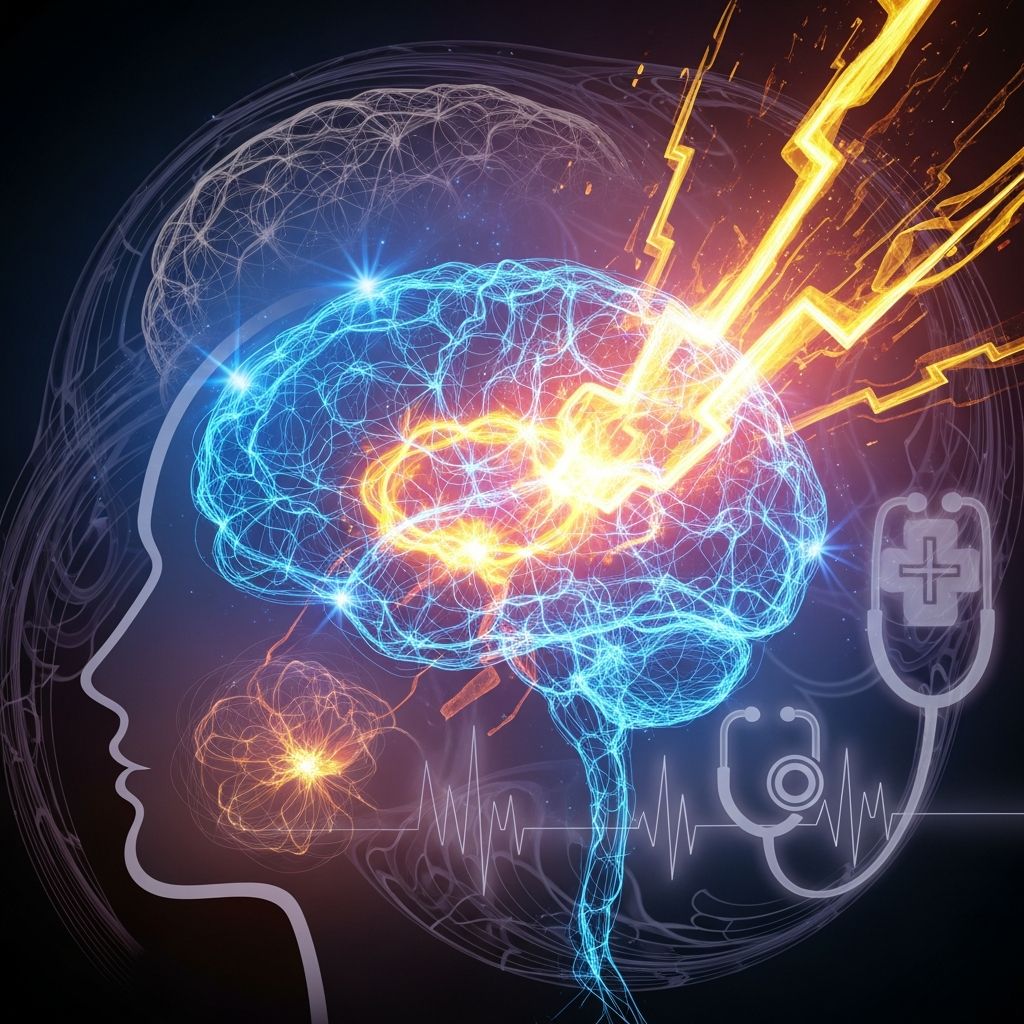
Hypomania is a mental health condition characterized by a period of abnormally elevated, extreme changes in mood, energy level, or activity. Unlike typical happiness or excitement, hypomania involves a noticeable shift from a person’s usual self that is observable by others. This state is less severe than mania but still represents a significant change in behavior and emotional regulation.
How Hypomania Differs from Mania
While both hypomania and mania involve elevated mood and increased energy, there are key differences that distinguish the two:
| Feature | Hypomania | Mania |
|---|---|---|
| Duration | At least 4 consecutive days | At least 1 week |
| Severity | Not severe enough to significantly affect social or work/school functioning | Causes severe impact on social or work/school functioning |
| Need for hospitalization | No | Possibly |
| Psychotic symptoms (delusions/hallucinations) | Not present | Possibly present |
These distinctions are critical for accurate diagnosis and appropriate treatment planning.
Symptoms of Hypomania
The symptoms of hypomania can vary from person to person but generally include:
- Elevated or irritable mood
- Increased energy and activity levels
- Decreased need for sleep
- Pressured speech (talking more than usual)
- Racing thoughts
- Distractibility
- Impulsivity (e.g., reckless spending, risky sexual behavior, gambling)
- Heightened self-esteem or grandiosity
These symptoms must last for at least four consecutive days and be noticeable by others to meet the diagnostic criteria for hypomania.
Causes and Risk Factors
The exact cause of hypomania is not fully understood, but several factors may contribute to its development:
- Genetics: A family history of mood disorders, particularly bipolar disorder, increases the risk.
- Neurochemical imbalances: Abnormalities in brain chemicals such as serotonin, dopamine, and norepinephrine may play a role.
- Stress: Chronic stress and disruptions in the body’s stress response system, including abnormal cortisol levels, can trigger hypomanic episodes.
- Medications: Certain medications, especially antidepressants, can induce hypomanic symptoms in susceptible individuals.
- Substance use: Alcohol and drug use can also trigger or exacerbate hypomanic episodes.
Diagnosis of Hypomania
Diagnosing hypomania involves a comprehensive evaluation by a mental health professional. The process typically includes:
- Patient Interview: A detailed interview to understand behavioral patterns, emotional fluctuations, and changes in cognitive or physical functioning.
- Family History Assessment: Gathering information about the patient’s family history of mood disorders.
- DSM-5 Criteria: Using the Diagnostic and Statistical Manual of Mental Disorders (DSM-5) to assess the duration and intensity of symptoms and their impact on daily functioning.
- Bipolar Disorder Assessment: Evaluating for other symptoms associated with bipolar disorder, such as depressive episodes.
- Physical Health Assessment: Conducting a thorough physical examination to rule out underlying medical conditions like thyroid disorders or hormonal imbalances.
- Laboratory Tests: Performing specific tests, including thyroid function tests and hormonal assessments, to identify any physiological irregularities.
Related Stories



Treatment Options for Hypomania
Effective treatment for hypomania often involves a combination of therapies and medical interventions:
- Psychotherapy: Various techniques, such as cognitive behavioral therapy (CBT), help individuals identify and alter negative thought patterns and behaviors that contribute to hypomanic episodes. CBT equips individuals with practical coping strategies and tools to manage stress, regulate emotions, and foster a balanced perspective on life.
- Medications: Antipsychotic medications and mood stabilizers are commonly prescribed to manage symptoms and prevent future episodes.
- Lifestyle Changes: Regular exercise, a healthy diet, and adequate sleep can support overall mental health and reduce the risk of hypomanic episodes.
- Support Groups: Joining support groups can provide emotional support and practical advice from others who have experienced similar challenges.
Living with Hypomania
Living with hypomania can be challenging, but with the right support and treatment, individuals can lead fulfilling lives. Key strategies include:
- Recognizing early warning signs of hypomanic episodes
- Developing a strong support network of family and friends
- Staying engaged in regular therapy and following prescribed treatment plans
- Practicing stress management techniques, such as mindfulness and relaxation exercises
Frequently Asked Questions (FAQs)
Q: Can hypomania be a symptom of other mental health conditions?
A: Yes, while hypomania is most commonly associated with bipolar disorder, it can also be a symptom of other mental health conditions.
Q: Is hypomania always a sign of bipolar disorder?
A: Not always. Hypomania can occur in the context of other mood disorders or as a side effect of certain medications.
Q: Can hypomania be treated without medication?
A: While some individuals may benefit from psychotherapy and lifestyle changes alone, many require medication to effectively manage symptoms and prevent future episodes.
Q: What should I do if I suspect someone is experiencing hypomania?
A: Encourage them to seek professional help from a mental health provider. Early intervention can improve outcomes and prevent complications.
Q: Can hypomania lead to mania?
A: Yes, untreated hypomania can sometimes progress to a full manic episode, especially in individuals with bipolar disorder.
References
- Diagnostic and Statistical Manual of Mental Disorders, Fifth Edition (DSM-5) — American Psychiatric Association. 2013. https://www.psychiatry.org/psychiatrists/practice/dsm
- Diagnosing and Treating Bipolar Disorder in Primary Care — Cleveland Clinic Journal of Medicine. 2018. https://www.ccjm.org/content/85/8/601
- Hypomania: What Is It, Comparison vs Mania, Symptoms & Treatment — Cleveland Clinic. 2023. https://my.clevelandclinic.org/health/diseases/21774-hypomania
Similar Articles








Read full bio of medha deb