Understanding Illegal Drugs: Effects, Risks, and Treatment
Comprehensive guide to illicit substances, their impact on health, and recovery options
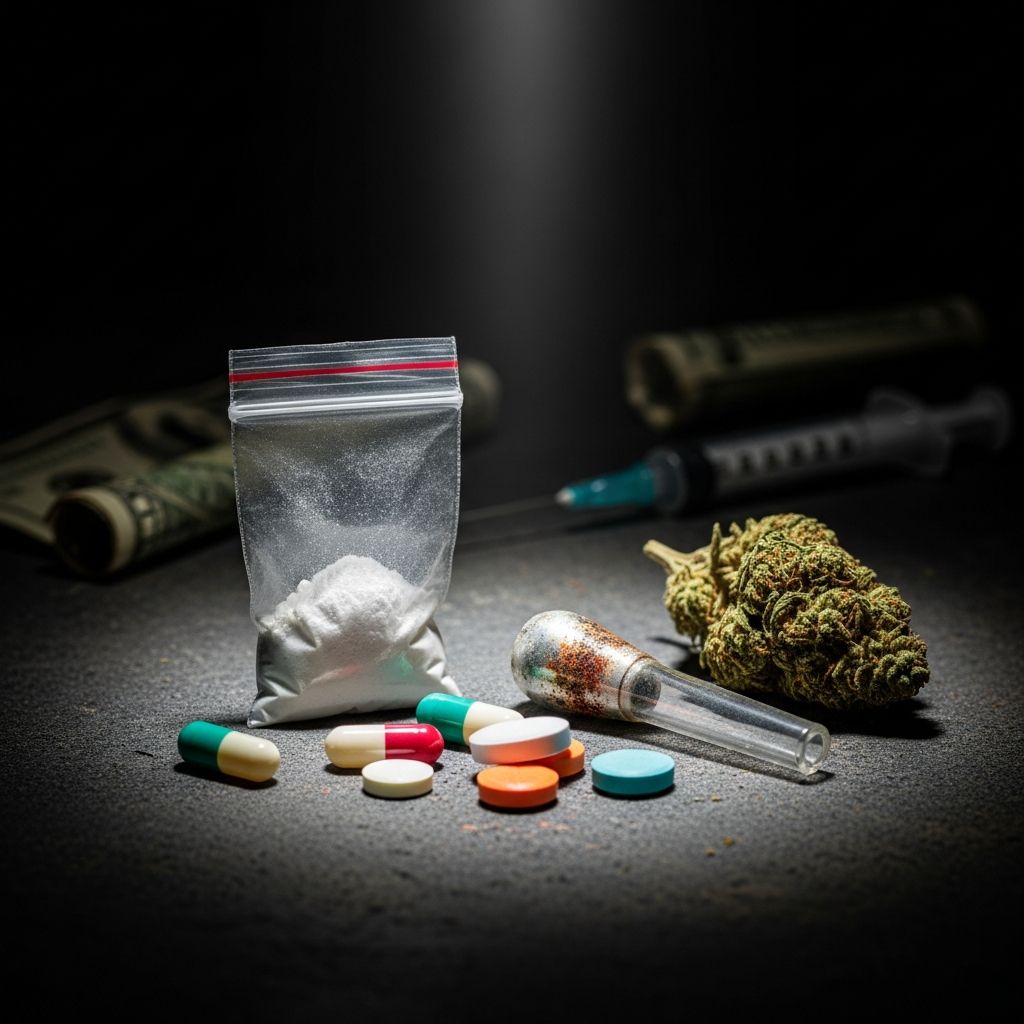
The use of illegal drugs represents a significant public health challenge affecting millions of individuals and families worldwide. Illicit substances pose serious risks to physical health, mental wellbeing, and social functioning. Understanding what these substances are, how they affect the body and mind, and what treatment options exist is crucial for individuals struggling with substance use, their loved ones, and healthcare professionals seeking to provide effective care.
What Constitutes an Illegal Drug
Illegal drugs are substances classified as controlled under national and international drug laws. These substances are prohibited because they carry a high potential for abuse and can cause significant harm to individuals and communities. The classification of a drug as illegal varies by country and region, but most nations maintain similar restrictions on major substances such as heroin, cocaine, methamphetamine, and MDMA.
It is important to distinguish between illegal drugs and legal substances that can still be dangerous. Alcohol and tobacco, while legal in most countries, carry substantial health risks comparable to or exceeding those of certain illegal substances. Similarly, prescription medications can become dangerous when misused or abused outside their intended medical purposes.
Major Categories of Illegal Substances
Illegal drugs fall into several broad categories based on their chemical structure and effects on the central nervous system:
Stimulants
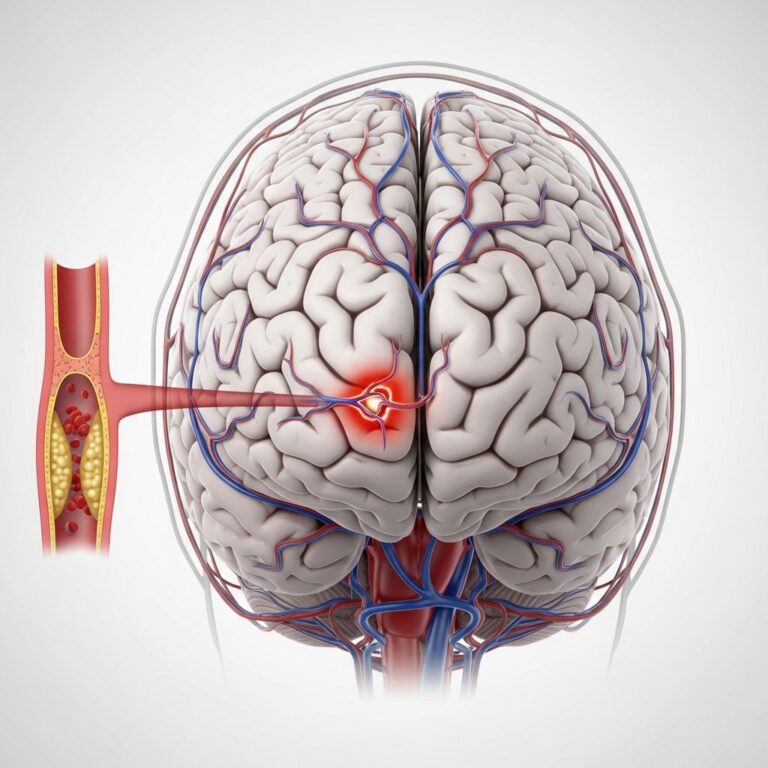
Cocaine is a powerful stimulant derived from the coca plant native to South America. It increases alertness and energy by elevating dopamine levels in the brain, creating an intense but short-lived euphoria. Cocaine is highly addictive and can be snorted, injected, or smoked in its crack form. The drug carries serious cardiovascular risks including heart attacks and strokes.
Methamphetamine is a synthetic stimulant that produces prolonged stimulant effects. Available in crystal form and various other preparations, methamphetamine causes increased energy, reduced appetite, and extended wakefulness. Chronic use leads to severe dental deterioration, skin problems, and pronounced psychological effects including paranoia and violent behavior.
MDMA (Ecstasy), known by street names including Molly, Adam, and X, is a synthetic drug that combines stimulant and mild hallucinogenic properties. It increases feelings of empathy, pleasure, and emotional warmth while elevating heart rate and body temperature. MDMA use at dance clubs and parties carries risks of dehydration, hyperthermia, and dehydration-related emergencies.
Opioids
Heroin is an opioid derived from morphine, extracted from opium poppy plants. It is typically sold as a white or brownish powder, though “black tar” heroin results from crude processing methods. Heroin produces intense euphoria and pain relief but carries extremely high addiction potential. Injection use creates additional risks including infections, abscesses, and bloodborne pathogen transmission. Overdose death is a significant concern with heroin use due to respiratory depression.
Related Stories



Fentanyl is a powerful synthetic opioid originally approved for treating severe post-surgical pain and complex chronic pain conditions. However, illegally manufactured fentanyl has increasingly contaminated the drug supply, often added to counterfeit prescription pills and other illicit drugs without users’ knowledge. Fentanyl’s potency makes it particularly dangerous, with overdose risk significantly elevated compared to other opioids.
Hallucinogens
Hallucinogenic substances alter perception, thought processes, and consciousness. These include psilocybin (found in certain mushroom species), LSD (lysergic acid diethylamide), and DMT (dimethyltryptamine), which is consumed through preparations like ayahuasca tea traditionally used in South American indigenous rituals. Hallucinogens typically do not produce physical dependence but can trigger psychological distress, anxiety, or persistent perceptual changes in susceptible individuals.
Cannabis
Cannabis, derived from the Cannabis Sativa plant, contains tetrahydrocannabinol (THC), the psychoactive compound responsible for intoxicating effects. While cannabis is increasingly legalized in various jurisdictions for medical and recreational use, it remains illegal in many regions. Regular cannabis use, particularly in adolescence, may affect brain development, memory function, and motivation. Some individuals develop cannabis use disorder characterized by difficulty controlling use despite negative consequences.
Depressants and Club Drugs
Gamma-hydroxybutyrate (GHB) is a depressant approved medically for narcolepsy treatment but frequently misused for euphoric and sedative effects. GHB has been associated with sexual assault due to its strong sedation properties and memory impairment effects. Similar risks apply to other depressants including illicit benzodiazepines and barbiturates.
Inhalants and Over-the-Counter Misuse
Inhalants such as nitrites, aerosol sprays, and volatile solvents produce rapid intoxication through inhalation. These substances carry acute risks including sudden cardiac death, organ damage, and oxygen deprivation. Dextromethorphan (DXM), found in many over-the-counter cough medicines, is misused in large quantities to produce hallucinogenic and dissociative effects.
Health Effects and Risks of Illicit Drug Use
Immediate Physical Effects
The immediate physical effects of illegal drug use vary by substance but commonly include elevated heart rate, increased blood pressure, altered body temperature, and respiratory changes. Stimulants like cocaine and methamphetamine place extreme stress on the cardiovascular system, increasing risk of heart attack and stroke even in young, healthy individuals. Opioids depress respiratory function, with overdose potentially causing fatal respiratory failure.
Drug administration routes also create specific health risks. Injection use carries risks of abscesses, blood clots, endocarditis (heart valve infections), and transmission of bloodborne pathogens including HIV and hepatitis C. Smoking substances damages respiratory tissues and increases cancer risk. Intranasal use of cocaine and methamphetamine damages nasal septum tissue over time.
Addiction and Psychological Dependence
Addiction to illegal drugs develops through changes in brain chemistry, particularly involving dopamine and reward pathways. Cocaine is recognized as one of the most powerfully addictive drugs available. Chronic stimulant use leads to tolerance, requiring increasing doses to achieve desired effects. Withdrawal from stimulants produces depression, fatigue, and intense cravings.
Opioid addiction develops rapidly due to the intense euphoria and pain relief these substances produce. Opioid withdrawal, while rarely life-threatening, causes severe physical discomfort including body aches, sweating, nausea, and psychological symptoms including anxiety and depression. The addiction cycle perpetuates as individuals use opioids to avoid withdrawal symptoms.
Long-Term Health Consequences
Sustained illegal drug use produces serious long-term health consequences affecting multiple organ systems. Stimulant abuse can cause permanent changes to brain structure, particularly in regions controlling reward, motivation, and decision-making. Methamphetamine use causes distinctive dental problems, severe skin conditions from picking behavior, and accelerated aging of facial features.
Opioid addiction increases risk of infectious diseases, liver disease from hepatitis C, and premature death from overdose. Inhalant abuse damages the liver, kidneys, and bone marrow. Cannabis use during adolescence may permanently impair cognitive function and educational attainment.
Addiction: A Medical Disorder
Addiction to illegal drugs is recognized as a chronic medical disorder involving compulsive drug seeking and use despite awareness of harmful consequences. It is not a moral failing or character defect but rather results from changes in brain function, particularly in circuits controlling reward, motivation, learning, and decision-making. Factors influencing addiction development include genetics, environmental stressors, mental health conditions, and early exposure to drugs.
Individuals with mental health conditions such as depression, anxiety, and post-traumatic stress disorder face elevated addiction risk, sometimes using drugs to self-medicate underlying psychological symptoms. This co-occurrence of substance use disorders and mental health conditions, termed dual diagnosis or co-morbidity, requires integrated treatment addressing both conditions simultaneously.
Treatment Approaches for Substance Use Disorders
Medication-Assisted Treatment
Medication-assisted treatment (MAT) combines medications with behavioral therapies to treat opioid and alcohol use disorders. Medications used in opioid addiction treatment include methadone, which activates opioid receptors to prevent withdrawal and reduce cravings, and buprenorphine, a partial opioid agonist that produces less euphoria while preventing withdrawal. Naltrexone blocks opioid receptors, preventing the pleasurable effects of opioid use.
These medications, combined with counseling and psychosocial support, significantly improve treatment outcomes and reduce illicit drug use. Currently, no FDA-approved medications exist for treating cocaine or methamphetamine addiction, though research into potential pharmacological treatments continues.
Behavioral Interventions
Cognitive Behavioral Therapy (CBT) helps individuals identify thoughts and situations triggering drug use and develop coping strategies to manage cravings and avoid relapse. Contingency Management provides tangible rewards for maintaining abstinence and treatment engagement. Motivational Interviewing addresses ambivalence about changing substance use by helping individuals explore and resolve internal conflicts about recovery.
Group Therapies and Peer Support including 12-step programs like Narcotics Anonymous provide community support and structured approaches to recovery. Peer support reduces isolation and provides hope through witnessing others’ recovery journeys.
Residential and Inpatient Treatment
Inpatient treatment programs provide structured environments removing individuals from drug-using environments during early recovery. These intensive programs typically include medical detoxification, counseling, psychiatric treatment for co-occurring mental health conditions, and development of relapse prevention strategies. Residential treatment may last from 28 days to several months depending on individual needs and severity of addiction.
Recovery Support and Relapse Prevention
Long-term recovery requires sustained effort and often multiple treatment episodes. Relapse prevention involves identifying high-risk situations, developing coping strategies, maintaining healthy lifestyle changes, and utilizing ongoing support systems. Aftercare planning following intensive treatment ensures continued access to counseling, medication management, and peer support.
Family involvement in recovery improves outcomes by providing social support, addressing relationship damage caused by addiction, and helping families understand addiction as a medical disorder. Educational programs help family members develop healthy boundaries while supporting their loved ones’ recovery efforts.
Frequently Asked Questions
What is the difference between drug use, misuse, and addiction?
Drug use refers to any consumption of a substance. Misuse involves using a substance in ways contrary to prescribed or intended use, such as taking higher doses than recommended or using someone else’s prescription medication. Addiction is a medical condition characterized by compulsive drug seeking and use despite negative consequences, involving loss of control and continued use despite harm.
Can addiction be cured?
Addiction is a chronic condition managed through treatment rather than cured. However, individuals can achieve sustained recovery through comprehensive treatment, behavioral changes, and lifestyle modifications. Many people maintain long-term abstinence and rebuild fulfilling lives in recovery.
Why is illegal drug use more dangerous than legal substance use?
While illegal drugs are inherently dangerous, legality alone does not determine safety. Alcohol and tobacco cause more deaths annually than most illegal drugs. However, illegal drugs are unregulated, meaning purity and composition are unknown, increasing overdose risk. Fentanyl contamination of the drug supply has dramatically increased overdose deaths in recent years.
How can I help someone struggling with drug addiction?
Express concern without judgment, listen without offering unsolicited advice, encourage professional treatment, set healthy boundaries, and access support for yourself including family therapy or support groups. Avoid enabling behaviors while maintaining compassion for their struggle with addiction.
Are there any safe ways to use illegal drugs?
No drug use is entirely safe, but harm reduction strategies minimize some risks for individuals not yet ready to stop using. These include using clean injection equipment to prevent disease transmission, testing drugs for dangerous contaminants, never using alone, and having naloxone available for opioid overdose reversal. These strategies support eventual transition to abstinence and treatment.
Seeking Help and Resources
If you or someone you know struggles with illegal drug use, professional help is available. Healthcare providers can assess substance use severity, screen for co-occurring mental health conditions, and recommend appropriate treatment levels. Substance abuse treatment facilities offer various service levels from outpatient counseling to intensive inpatient programs.
National helplines provide confidential information and referrals to treatment services. Support groups connect individuals with others sharing similar experiences. Family therapy helps repair relationships damaged by addiction and teaches family members how to support recovery while maintaining healthy boundaries.
Recovery is possible regardless of how severe addiction has become. With appropriate treatment, behavioral support, and sustained effort, individuals can rebuild their lives, repair relationships, and achieve meaningful recovery.
References
- Drug-Chart.pdf — Rhode Island Department of Behavioral Healthcare, Developmental Disabilities and Hospitals (BHDDH). https://bhddh.ri.gov/sites/g/files/xkgbur411/files/documents/Drug-Chart.pdf
- Drugs A to Z — National Institute on Drug Abuse (NIDA). https://nida.nih.gov/research-topics/drugs-a-to-z
- Drug Fact Sheets — U.S. Drug Enforcement Administration (DEA). https://www.dea.gov/factsheets
Similar Articles








Read full bio of medha deb