Understanding Your Immune System: Defense, Function & Health
Learn how your immune system protects you from disease and keeps you healthy.
Understanding Your Immune System
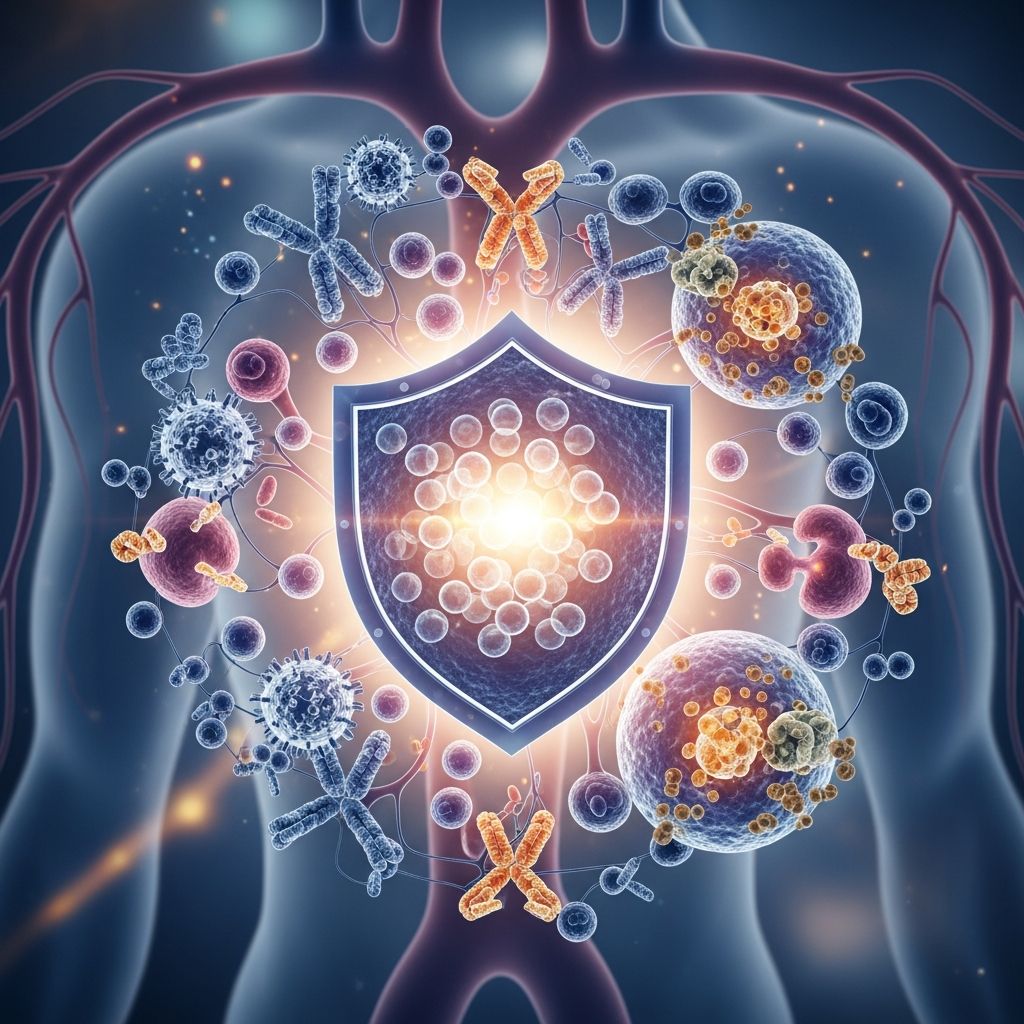
Your immune system is one of your body’s most vital defense mechanisms, working continuously to protect you from infectious diseases, harmful substances, and internal threats like cancer. It operates as a sophisticated network of cells, tissues, and organs that communicate and collaborate to keep you healthy. Understanding how your immune system works can help you make better decisions about your health and wellness.
The immune system is actually a group of cells, tissues, and organs in your body that work together to fight infections. When functioning properly, it recognizes and neutralizes harmful environmental substances and battles germs including bacteria, fungi, parasites, and viruses. Beyond external threats, your immune system also fights internal diseases such as cancers, making it essential for your overall survival and well-being.
How Your Immune System Keeps You Healthy
Your immune system employs multiple strategies to maintain your health and protect you from illness. It operates through both innate immunity—the protection you’re born with and develop naturally—and adaptive immunity, which you create when exposed to foreign entities or pathogens.
The primary mechanisms by which your immune system protects you include:
- Fighting germs such as bacteria, fungi, parasites, and viruses
- Recognizing and neutralizing harmful environmental substances
- Identifying and destroying internal threats like cancer cells
- Creating memory cells that remember previous invaders
- Producing antibodies that target specific threats
This multi-layered defense system ensures that your body can respond to both new threats and previously encountered pathogens. When your immune system encounters a pathogen for the first time, it mounts an innate response. If that same pathogen returns, your adaptive immune system recognizes it quickly and launches a more targeted, efficient attack.
Key Components of the Immune System
Your immune system comprises several interconnected parts that work in harmony to protect your health:
White Blood Cells
White blood cells, also known as leukocytes, are the front-line soldiers of your immune system. These specialized cells identify and attack pathogens and abnormal cells. Different types of white blood cells perform distinct functions, including recognizing threats, destroying invaders, and regulating immune responses.
Lymph Nodes
Lymph nodes are small, bean-shaped organs distributed throughout your body that filter lymph fluid and trap pathogens and abnormal cells. They serve as collection and processing centers where immune cells analyze threats and coordinate responses.
The Thymus Gland
The thymus gland is located behind your breastbone and is responsible for producing and training T cells, a critical type of white blood cell. This gland is particularly active during childhood and gradually shrinks with age.
The Spleen
The spleen filters your blood, removes damaged cells, and produces antibodies. It also stores white blood cells that can be released quickly when your body detects a threat.
Related Stories



Bone Marrow
Bone marrow produces various types of white blood cells and red blood cells. This tissue is essential for continuously replenishing your immune cell population.
Antibodies
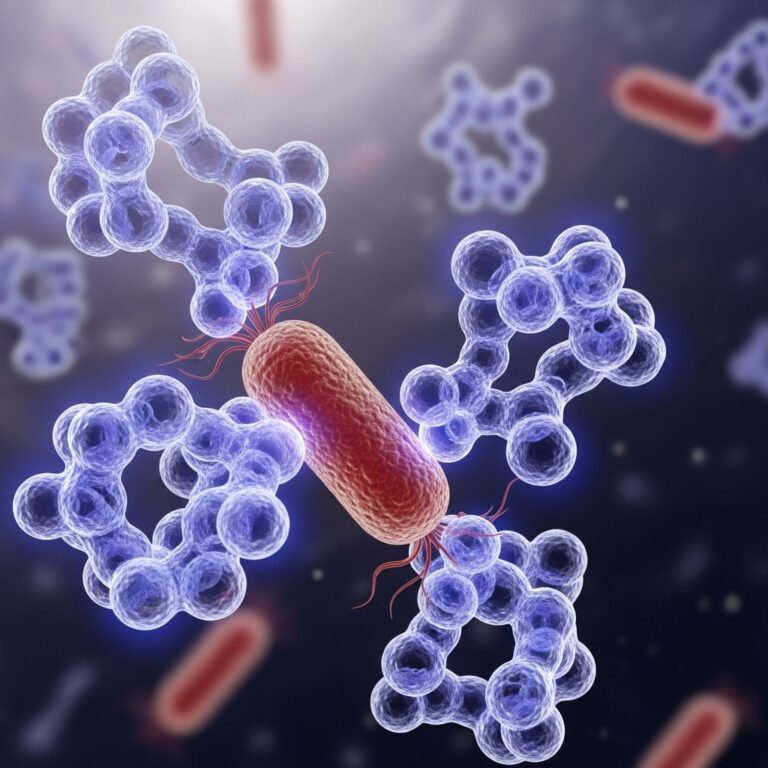
Antibodies are protective proteins produced by your immune system that attach to antigens (foreign substances) and remove them from your body. There are five main types of antibodies, each with specialized functions:
| Antibody Type | Location | Function |
|---|---|---|
| IgA | Saliva, tears, mucus, breast milk, intestinal fluid | Protects against ingested and inhaled pathogens |
| IgD | Surface of B cells | Supports B cell maturation and activation |
| IgE | Skin, lungs, mucus membranes | Causes mast cells to release histamine; involved in allergic reactions |
| IgG | Blood and tissue fluids | Most common antibody (70-75% of immunoglobulins); protects against viral and bacterial infections |
| IgM | Blood and lymph system | First line of defense against infections; plays role in immune regulation |
Innate Versus Adaptive Immunity
Understanding the difference between innate and adaptive immunity helps explain how your immune system provides comprehensive protection.
Innate Immunity
Innate immunity is the protection you’re born with and develop naturally as you grow. It provides immediate, non-specific responses to any foreign invader. Your innate immune system includes physical barriers like your skin, chemical barriers like stomach acid, and cellular responses from white blood cells that attack anything they recognize as non-self.
Adaptive Immunity
Adaptive immunity develops when your immune system is exposed to specific pathogens or foreign substances. Your body creates targeted antibodies and T cells that specifically recognize and fight that particular invader. This is why you typically develop immunity to a disease after having it once, and why vaccines are so effective at preventing illness.
Natural Immunity and Vaccination
Natural immunity is protection you develop when your body fights off an infection. When you recover from an illness, your immune system produces memory cells that survive long after the infection clears. These memory cells patrol your body for that same invader’s antigen, and if the pathogen returns, they alert other immune cells to swiftly attack and eliminate it—often before you even notice you’ve been exposed.
Both natural immunity and vaccine-induced immunity are forms of active immunization where your immune system creates antibodies and T cells. However, they differ in their trigger: natural immunity develops from exposure to actual germs, while vaccine-induced immunity results from substances in vaccines such as weakened microbes, proteins, or mRNA.
Vaccines are particularly important for generating adaptive immunity toward specific viruses like influenza and COVID-19. By exposing your immune system to a safe form of a pathogen, vaccines prepare your body to fight that infection effectively if you’re ever exposed to it naturally.
When Your Immune System Isn’t Working Optimally
Your immune system can become compromised or overactive, leading to health challenges. Understanding these conditions helps you recognize when you might need medical intervention.
Weak Immune System
A weak immune system can result from lifestyle factors including high stress, smoking, and insufficient sleep. Chronic stress is particularly damaging because elevated levels of the stress hormone cortisol can kill off lymphocytes—the white blood cells responsible for fighting infection—and lead to chronic inflammation that exhausts your immune system. Unlike immunocompromise, which is a chronic medical condition requiring professional treatment, a weak immune system from lifestyle factors can often be improved through positive changes.
Autoimmune Diseases
An overactive immune system can cause your body to attack itself, leading to allergic reactions and serious autoimmune conditions. There are more than 100 types of autoimmune diseases, ranging from rheumatoid arthritis to lupus to type 1 diabetes. In these conditions, the immune system mistakenly identifies healthy cells as threats and attacks them.
Advanced Research in Immunotherapy
Scientists continue to develop innovative approaches to harness the immune system’s power for treating serious diseases like cancer. Recent research has revealed that cancer immunotherapy works by boosting immune cells to recognize and eliminate cancer cells through neoantigens—small peptides produced when cancer cells mutate. Studies have shown that people who respond well to immunotherapy experience rapid changes in how their immune system recognizes tumor cells, demonstrating that many different T cells recognizing multiple cancer-causing features are needed for effective treatment.
This research underscores the complexity and sophistication of immune responses, providing insights that may lead to more effective immunotherapies in the future.
Frequently Asked Questions
Q: What exactly is my immune system?
A: Your immune system is a group of cells, tissues, and organs that work together to fight infections and protect you from diseases. It includes white blood cells, lymph nodes, the thymus gland, the spleen, bone marrow, and antibodies.
Q: How long does natural immunity last?
A: Natural immunity can last for many years, sometimes for life. Memory cells created during infection persist in your body, ready to respond if you’re exposed to the same pathogen again. However, the duration varies depending on the disease and individual factors.
Q: Are vaccines as effective as natural immunity?
A: Both vaccines and natural infection generate adaptive immunity through antibodies and T cells. Vaccines provide protection without the risk of serious illness. The combination of vaccination and prior infection often provides the strongest immunity.
Q: What can I do to support my immune system?
A: You can support your immune system by managing stress, getting adequate sleep, not smoking, maintaining a healthy diet, exercising regularly, and staying current with vaccinations. These lifestyle factors can help prevent a weak immune system.
Q: What is the difference between immunocompromise and a weak immune system?
A: Immunocompromise is a chronic condition diagnosed by healthcare providers, often seen in people undergoing chemotherapy or with conditions like HIV. A weak immune system is typically a temporary state resulting from lifestyle factors that can be improved with changes.
Q: Can stress really weaken my immune system?
A: Yes. High levels of stress increase cortisol, which can kill lymphocytes and cause chronic inflammation. This exhausts your immune system’s ability to fight infections effectively, a phenomenon known as stress sickness.
Q: What are monoclonal antibodies used for?
A: Lab-made monoclonal antibodies are used to treat various health problems including cancer, heart disease, and rheumatoid arthritis. These engineered antibodies target specific threats or abnormal cells in your body.
References
- Immune System Support: Tips from Dr. Neha Vyas — Cleveland Clinic. https://my.clevelandclinic.org/podcasts/health-essentials/immune-system-support-tips-from-dr-neha-vyas
- Cleveland Clinic researchers build first large-scale atlas of how immune cells react to mutations during cancer immunotherapy — Cleveland Clinic Lerner Research Institute. 2024-09-30. https://www.lerner.ccf.org/news/article/?title=Cleveland+Clinic+researchers+build+first+large-scale+atlas+of+how+immune+cells+react+to+mutations+during+cancer+immunotherapy
- Antibodies: Definition, Types & Function — Cleveland Clinic. https://my.clevelandclinic.org/health/body/22971-antibodies
- Natural Immunity: What It Is — Cleveland Clinic. https://my.clevelandclinic.org/health/articles/natural-immunity
- What To Do for a Weak Immune System — Cleveland Clinic Health. https://health.clevelandclinic.org/weak-immune-system
Similar Articles








Read full bio of medha deb