Understanding Inflammation: What It Is and Why It Matters
Explore inflammation: the body's protective response and its role in chronic disease.
What is Inflammation?
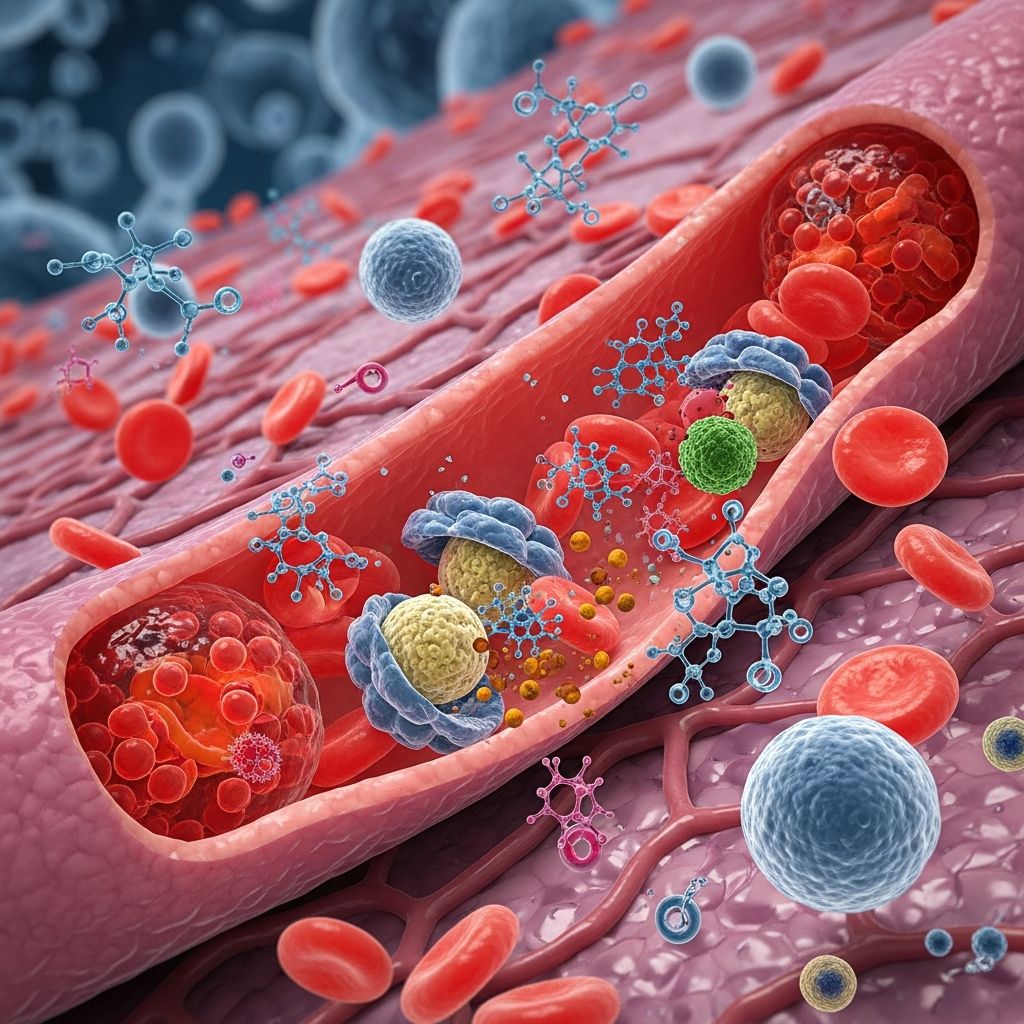
Inflammation is one of your body’s most important defense mechanisms. It is the immune system’s response to damage, threat of damage, or infection. When you experience an injury, infection, or exposure to harmful substances, your immune system springs into action, triggering an inflammatory response designed to protect you and promote healing. This process involves the release of specialized immune cells and chemical mediators that work together to contain the threat, eliminate pathogens, and begin the repair process.
At its core, inflammation is a healing response. Your body recognizes something is wrong and mobilizes its resources to address the problem. Blood vessels dilate to increase blood flow to the affected area, white blood cells migrate to the site of injury or infection, and chemical signals coordinate the immune response. You may notice the classic signs of inflammation: redness, warmth, swelling, pain, and sometimes loss of function in the affected area.
Acute Inflammation vs. Chronic Inflammation
While inflammation is essential for survival, not all inflammation is the same. Understanding the distinction between acute and chronic inflammation is crucial to understanding your health.
Acute Inflammation
Acute inflammation is the body’s immediate response to injury or infection. When you cut your finger, develop a bacterial infection, or sprain your ankle, acute inflammation kicks in rapidly. This short-term inflammatory response typically lasts from a few hours to a few days or weeks. During this period, your immune system works efficiently to eliminate the threat, remove damaged tissue, and begin healing. Acute inflammation is protective and beneficial—it’s your body’s way of ensuring you survive the immediate crisis.
The signs of acute inflammation are usually obvious: you see the swelling around a wound, feel the heat from an infected area, or experience the pain that signals your immune system is working. This is a normal, healthy response that typically resolves once the threat has been eliminated.
Chronic Inflammation
Chronic inflammation is fundamentally different. Rather than resolving after a few weeks, chronic inflammation persists over months, years, or even a lifetime. This low-grade, systemic inflammation occurs when the alarm signals in your tissues keep going off without resolution. Unlike the obvious symptoms of acute inflammation, chronic inflammation often operates silently, with few noticeable signs.
Chronic inflammation represents a failure of the normal inflammatory resolution process. Instead of your immune system successfully eliminating the threat and returning to a state of balance, the inflammatory response continues at a low level, creating collateral damage throughout your body. This persistent activation of immune pathways can gradually damage healthy tissues and contribute to the development of numerous chronic diseases.
How Inflammation Damages Your Health
While acute inflammation protects you, chronic inflammation is uniformly damaging. Research has revealed a surprising connection: many seemingly unrelated chronic diseases share a common underlying cause—low-grade, long-term inflammation.
The Hidden Link to Disease
Scientists have discovered that chronic inflammation is not merely a symptom of disease but a potential cause. This represents a significant paradigm shift in how we understand health and illness. Conditions that appeared to have completely different causes and mechanisms were found to share chronic inflammation as a root factor.
Related Stories



Major diseases linked to chronic inflammation include:
- Heart disease and cardiovascular conditions
- Type 2 diabetes and metabolic disorders
- Alzheimer’s disease and other neurodegenerative conditions
- Cancer
- Arthritis and autoimmune diseases
- Asthma and respiratory disorders
- Depression and mood disorders
- Obesity
- Multiple sclerosis
- Parkinson’s disease
The discovery of this inflammatory link explains why treating the underlying inflammation can often reverse disease progression. When scientists have interfered with chronic inflammatory pathways in clinical studies, they have been able to reverse the associated pathology, demonstrating that inflammation is not just a consequence but a causal factor.
The Cellular Mechanisms of Inflammation
Understanding how inflammation occurs at the cellular level provides insight into why it becomes problematic when it persists.
Immune Cell Communication
Your immune system relies on chemical messengers called cytokines to coordinate responses. One particularly important signaling molecule is interleukin-1 (IL-1), a pro-inflammatory signal produced by both circulating immune cells and cells residing in tissues. Researchers discovered that IL-1 can alter gene expression in local blood vessel cells, amplifying its signal at sites of disease.
Another key discovery involved adhesion molecules on the walls of blood vessels. These molecules attract white blood cells and cause them to stick to the vessel lining, allowing immune cells to move into tissues where inflammation is occurring. This mechanism, while essential for fighting infection and healing injury, becomes problematic when it persists chronically.
The Role of Resident Immune Cells
Scientists now understand that the immune system extends far beyond circulating white blood cells patrolling the bloodstream. Immune cells reside in virtually every organ, where they play important roles in monitoring health and maintaining tissue function. When these resident immune cells become chronically activated, they contribute to ongoing tissue damage rather than protection.
Modern Life and Rising Inflammation
The prevalence of chronic inflammatory diseases has increased dramatically in industrialized societies. Rates of type 2 diabetes, early-onset cancers, and cardiovascular disease continue to rise, affecting increasingly younger populations. Multiple factors in modern life contribute to this epidemic of chronic inflammation.
Environmental and Lifestyle Factors
Ongoing sources of damage and threat signals in the body perpetuate the inflammatory response. These include poor diet quality, physical inactivity, chronic stress, sleep disruption, environmental toxins, and systemic inequities that affect immune function. When these insults persist without resolution, your immune system remains in a constant state of alert, perpetuating chronic inflammation.
Additionally, the structural factors of modern society—including inequities in access to healthy food, safe environments, and quality healthcare—create conditions where inflammatory diseases are more prevalent in certain populations, contributing to significant health disparities.
Treating Inflammation: Current Approaches
As understanding of inflammation’s role in disease has grown, researchers have explored various strategies to reduce chronic inflammation and its harmful effects.
Anti-inflammatory Medications
Over-the-counter medications like ibuprofen and acetaminophen work by reducing inflammatory signals. However, these medications have limitations and potential side effects, particularly with long-term use. A major clinical trial called CANTOS established an important principle: anti-inflammatory treatment and immunosuppression are not the same thing. Blocking specific inflammatory pathways like IL-1 beta reduced cardiovascular events without significantly compromising immune function, demonstrating that you can reduce harmful inflammation without eliminating the immune system’s ability to fight infection.
The Challenge of Multi-pathway Inflammation
Some inflammatory diseases, such as rheumatoid arthritis and lupus, involve multiple inflammatory pathways. Blocking several of these pathways simultaneously to achieve significant therapeutic benefit would likely suppress the immune system, exposing people to potentially fatal infections. This challenge has prompted researchers to explore alternative approaches to resolving inflammation.
The Future: Resolving Rather Than Blocking Inflammation
Rather than simply blocking inflammatory signals—which risks compromising immunity—researchers have discovered a more sophisticated approach: actively resolving inflammation through specialized molecules.
Specialized Pro-Resolving Mediators (SPMs)
Scientists have identified a newly discovered class of molecules called specialized pro-resolving mediators (SPMs) that actively resolve inflammation rather than merely suppressing it. These molecules work in concert with the immune response rather than against it. SPMs stimulate macrophages to clear dead cells, debris, and bacteria, then signal the immune system to return to homeostasis and begin tissue regeneration.
Research shows that SPMs collapse naturally with aging, leading to chronic, unresolved immune stimulation. In animal studies, injecting SPMs has been shown to reverse inflammation and accelerate healing. This approach represents a fundamental difference from blocking inflammation: SPMs work with your immune system to complete the healing process rather than preventing the immune response from occurring in the first place.
Why SPMs Matter
The advantage of SPM-based approaches is that they restore the natural resolution of inflammation without compromising immune function. When inflammatory pathways are turned off completely, there is always a risk that your immune response will be compromised, potentially leading to infection. SPMs instead promote the natural completion of the inflammatory response, allowing your body to return to health without leaving you vulnerable to pathogens.
Lifestyle Strategies to Reduce Chronic Inflammation
While pharmaceutical approaches continue to develop, lifestyle modifications remain fundamental to managing chronic inflammation. These changes address the root causes of inflammation rather than just treating symptoms.
Dietary Approaches
Your diet profoundly influences inflammatory status. A diet rich in whole foods, vegetables, fruits, healthy fats, and lean proteins can reduce systemic inflammation. Conversely, diets high in processed foods, refined carbohydrates, and unhealthy fats promote inflammation.
Physical Activity
Regular exercise has powerful anti-inflammatory effects. Physical activity reduces circulating inflammatory markers and helps maintain healthy weight, which itself reduces inflammation-promoting metabolic dysfunction.
Stress Management and Sleep
Chronic stress and poor sleep quality both perpetuate inflammation. Adequate sleep, stress-reduction practices, and social connection all support your body’s ability to control inflammatory responses.
The Immune System and Cancer
The relationship between inflammation and cancer illustrates the complex role inflammation plays in disease. Your immune system attempts to fight tumors, but inflammation within the tumor microenvironment can paradoxically help cancer grow and spread. Both overt and hidden inflammation are associated with higher cancer risk, and inflammation affects every stage of cancer development, from initial genetic changes to continued growth and metastasis.
Measuring Inflammatory Status
Medical professionals can assess inflammation through blood tests measuring inflammatory markers. Standard thresholds help identify residual inflammatory risk that may warrant intervention even in patients without diagnosed inflammatory conditions.
| Inflammatory Marker | Role | Clinical Significance |
|---|---|---|
| C-Reactive Protein (CRP) | General inflammation indicator | Elevated levels suggest systemic inflammation |
| Interleukin-6 (IL-6) | Pro-inflammatory cytokine | Associated with chronic disease risk |
| Tumor Necrosis Factor (TNF) | Pro-inflammatory signaling | Marker of immune activation |
Frequently Asked Questions
Q: Is all inflammation bad?
A: No. Acute inflammation is essential and protective. It’s chronic, low-grade inflammation that persists over months or years that causes damage and contributes to disease. Your body needs the ability to mount an inflammatory response to fight infection and heal injuries.
Q: Can I completely eliminate inflammation?
A: No, and you shouldn’t try. Complete elimination of inflammation would leave you vulnerable to infection and unable to heal. The goal is to resolve chronic inflammation while maintaining normal immune function. Specialized pro-resolving mediators represent a promising approach because they complete the healing process rather than suppressing immunity.
Q: How quickly can I reduce chronic inflammation?
A: Lifestyle modifications can begin reducing inflammation within weeks to months. A healthier diet, regular exercise, improved sleep, and stress reduction all have documented anti-inflammatory effects. However, reversing years of chronic inflammation typically requires sustained lifestyle changes over months or longer.
Q: Are anti-inflammatory medications safe for long-term use?
A: Over-the-counter anti-inflammatory medications like ibuprofen and acetaminophen carry risks with long-term use, including gastrointestinal problems and other side effects. Prescription anti-inflammatory medications should be used under medical supervision. Lifestyle approaches and emerging treatments like SPM-based therapies may offer safer long-term options.
Q: Can inflammation be completely reversed?
A: Yes, research demonstrates that reversing chronic inflammation can reverse associated disease pathology. When scientists have interfered with chronic inflammatory pathways, they have successfully reversed disease progression in studies. This shows that controlling inflammation offers hope for recovering health even after disease has developed.
References
- Inflammation Causes Many Common Diseases of Aging — Harvard Magazine. 2019-04. https://www.harvardmagazine.com/2019/04/inflammation-disease-diet
- The Hidden Link Between Inflammation and Disease — Harvard T.H. Chan School of Public Health. 2023-10-19. https://www.youtube.com/watch?v=MlEIA9Vb02o
Similar Articles








Read full bio of medha deb