Interferon Therapy: What Patients And Providers Should Know
Explore the vital role of interferon in boosting immunity against viruses, cancers, and eye conditions with this comprehensive guide.
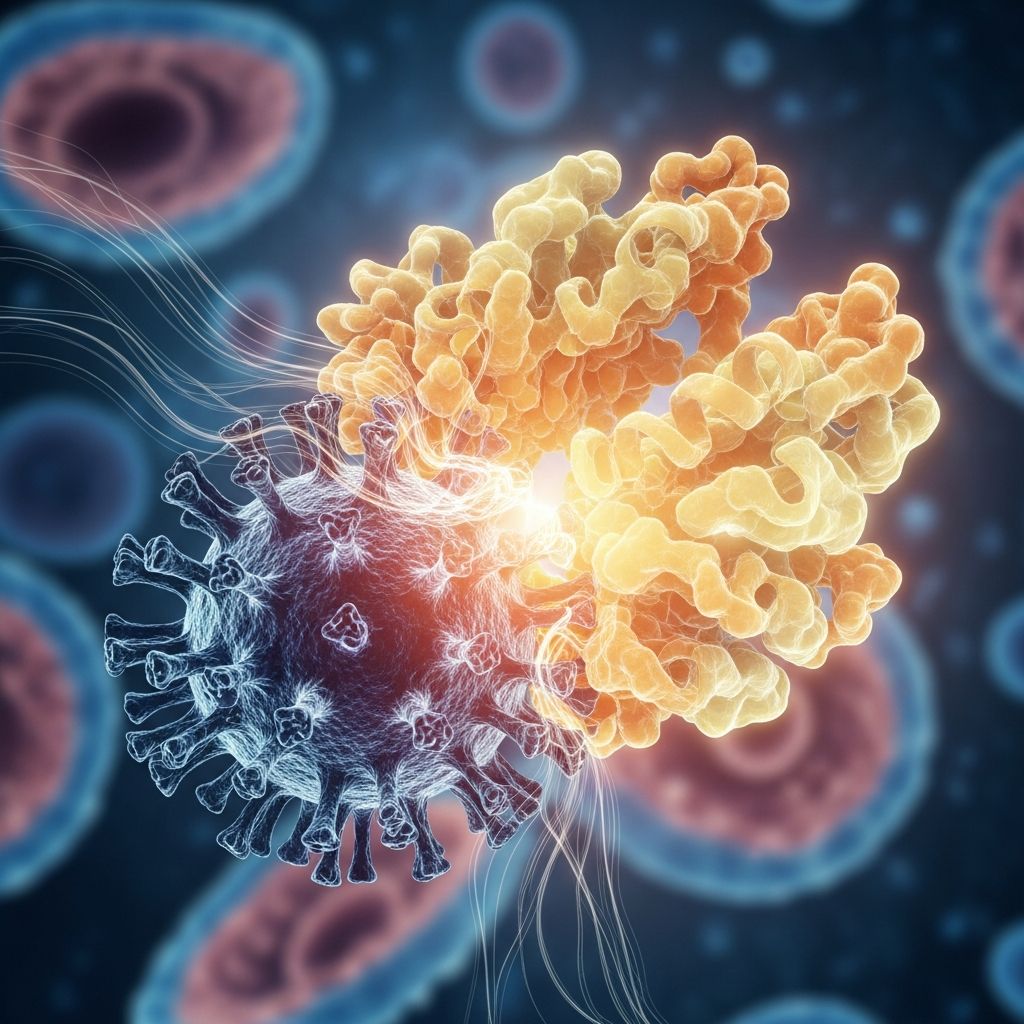
Interferon represents a cornerstone of modern immunology, acting as a signaling protein that rallies the body’s defenses against invaders like viruses and abnormal cells. Produced naturally by cells in response to threats, synthetic versions have transformed treatment for chronic infections, malignancies, and immune disorders. This article delves into its mechanisms, clinical applications—particularly in eye health—and practical considerations for patients and providers.
The Science Behind Interferon: Nature’s Immune Messenger
At its core, interferon is a family of cytokines—small proteins that facilitate communication between cells. When a cell detects a pathogen such as a virus, it synthesizes and releases interferon to alert neighboring cells, triggering an antiviral state. This process involves activating genes that produce proteins inhibiting viral replication, enhancing immune cell activity, and promoting inflammation to isolate the threat.
There are three primary classes: Type I (alpha and beta), Type II (gamma), and Type III (lambda). Type I interferons, predominantly alpha and beta, are the most studied for therapeutic use. Alpha interferons target a broad spectrum of viruses and cancers, while beta focuses on autoimmune modulation, especially in multiple sclerosis. Gamma interferon enhances macrophage function against bacteria and fungi.
In the eye, interferons play a protective role against viral invasions like herpes simplex keratitis, where they limit corneal damage by curbing viral spread and inflammation. Their anti-angiogenic properties also help manage vascular tumors in ocular tissues.
Key Therapeutic Applications of Interferon
Interferon’s versatility spans multiple medical fields. Below is an overview of its primary uses:
- Viral Infections: Highly effective against hepatitis B and C, where it stimulates liver cells to resist viral replication. It’s also used for genital warts (condylomata acuminata) via intralesional injection and Kaposi’s sarcoma linked to HIV.
- Cancers: Approved for hairy cell leukemia, melanoma, renal cell carcinoma, multiple myeloma, and lymphomas. It slows tumor growth by inhibiting cell division and angiogenesis.
- Autoimmune Conditions: Interferon beta reduces relapse rates in relapsing-remitting multiple sclerosis by dampening overactive immune responses in the central nervous system.
- Rare Disorders: Gamma interferon treats chronic granulomatous disease, bolstering phagocyte killing of microbes.
In ophthalmology, interferon alpha shines for treating ocular surface squamous neoplasia (OSSN), a precancerous lesion, and choroidal melanoma metastases. Intralesional or subconjunctival injections preserve vision while shrinking tumors.
Interferon in Eye Care: Targeted Treatments
Eye health benefits uniquely from interferon’s localized delivery. For conjunctival and corneal tumors, topical or injected forms achieve high response rates with minimal systemic exposure. Studies show complete resolution in over 80% of OSSN cases after 4-6 weeks of therapy.
For viral eye infections like epidemic keratoconjunctivitis (adenovirus) or herpetic keratitis, interferon eyedrops or ointments reduce symptoms faster than antivirals alone. In hemangiomas threatening vision in infants, it prevents retinal detachment by regressing abnormal vessels.
Related Stories



| Eye Condition | Interferon Type | Administration | Typical Outcome |
|---|---|---|---|
| Ocular Surface Squamous Neoplasia | Alpha-2b | Subconjunctival injection | 80-90% resolution |
| Herpetic Keratitis | Alpha | Topical ointment | Reduced recurrence |
| Choroidal Melanoma | Alpha-2a | Intravitreal | Tumor stabilization |
| Conjunctival Hemangioma | Alpha-2a | Sub-Tenon’s injection | Vascular regression |
This targeted approach minimizes side effects compared to systemic use, making it ideal for preserving delicate ocular structures.
Administration Methods and Dosage Guidelines
Interferon is not taken orally due to protein degradation; instead, it’s administered via injection or topical forms. Common routes include:
- Subcutaneous or Intramuscular: For cancers and hepatitis, doses range from 3-10 million IU three times weekly.
- Intravenous: High-dose for acute leukemia induction.
- Intralesional: Direct tumor injection for warts or eye lesions.
- Intravitreal/Subconjunctival: For ocular use, low doses (e.g., 1 million IU) every 1-2 weeks.
- Nasal Spray or Eyedrops: Prophylactic against respiratory or ocular viruses.
Dosage is personalized based on body weight, condition severity, and tolerance. Providers monitor blood counts weekly initially to adjust for myelosuppression.
Potential Side Effects and Risk Management
While effective, interferon can mimic flu symptoms: fever, chills, fatigue, myalgias—often peaking post-injection and subsiding with repeated use. Serious risks include depression (10-20% of patients), thyroid dysfunction, hepatotoxicity, and cytopenias.
In eye treatments, local irritation, conjunctival injection, or transient vision blur occur but rarely lead to discontinuation. Neuropsychiatric monitoring is crucial, especially in MS patients.
Management strategies:
- Pretreat with acetaminophen for flu-like symptoms.
- Baseline labs: CBC, liver enzymes, TSH.
- Psychiatric screening; discontinue if severe mood changes emerge.
- Hydration and rest enhance tolerance.
Long-term use declines due to newer direct-acting antivirals for hepatitis and targeted immunotherapies for cancer, but it remains vital where alternatives fail.
Patient Monitoring and Long-Term Outcomes
Success hinges on vigilant follow-up. Weekly bloodwork tracks hematologic effects; monthly thyroid and liver panels suffice chronically. In eye care, slit-lamp exams assess tumor response and corneal health.
Outcomes vary: 50-70% sustained viral clearance in hepatitis C (pre-DAA era), 20-30% response in melanoma, and significant MS delay progression. Combination therapies boost efficacy, e.g., with ribavirin for viruses or chemotherapy for cancers.
Future Directions in Interferon Research
PEGylated interferons (peginterferon) extend half-life, reducing injection frequency. Research explores combinations with checkpoint inhibitors for resistant cancers and gene therapies for enhanced production. In ophthalmology, nanoparticle delivery promises sustained ocular release with fewer injections.
Despite newer agents, interferon’s immunomodulatory profile ensures ongoing relevance, especially in resource-limited settings.
Frequently Asked Questions (FAQs)
What is interferon used for in eye treatment?
Primarily for tumors like OSSN and viral infections such as herpetic keratitis, delivered via injection or drops to target ocular tissues precisely.
Are interferon side effects permanent?
Most are reversible upon discontinuation; flu-like symptoms fade quickly, while thyroid issues may require ongoing management.
How long does interferon treatment last?
Varies: 6-12 months for hepatitis, 4-8 weeks for eye lesions, lifelong intermittently for MS.
Can pregnant patients use interferon?
Generally avoided (Category C); consult specialists for risks vs. benefits.
Is interferon still used with new drugs available?
Yes, for specific cases like certain cancers or when alternatives are contraindicated.
References
- Interferon | Health and Medicine | Research Starters — EBSCO. 2023. https://www.ebsco.com/research-starters/health-and-medicine/interferon
- Clinical uses of interferons — PMC – NIH. 2008-02-29. https://pmc.ncbi.nlm.nih.gov/articles/PMC2253698/
- Interferon – StatPearls — NCBI Bookshelf – NIH. 2023-07-17. https://www.ncbi.nlm.nih.gov/books/NBK555932/
- What Are Interferons? — Cleveland Clinic. 2023-08-01. https://my.clevelandclinic.org/health/treatments/interferons
Similar Articles








Read full bio of Sneha Tete