Irritable Bowel Syndrome: A Comprehensive Guide To Management
Comprehensive guide to managing IBS symptoms with evidence-based strategies
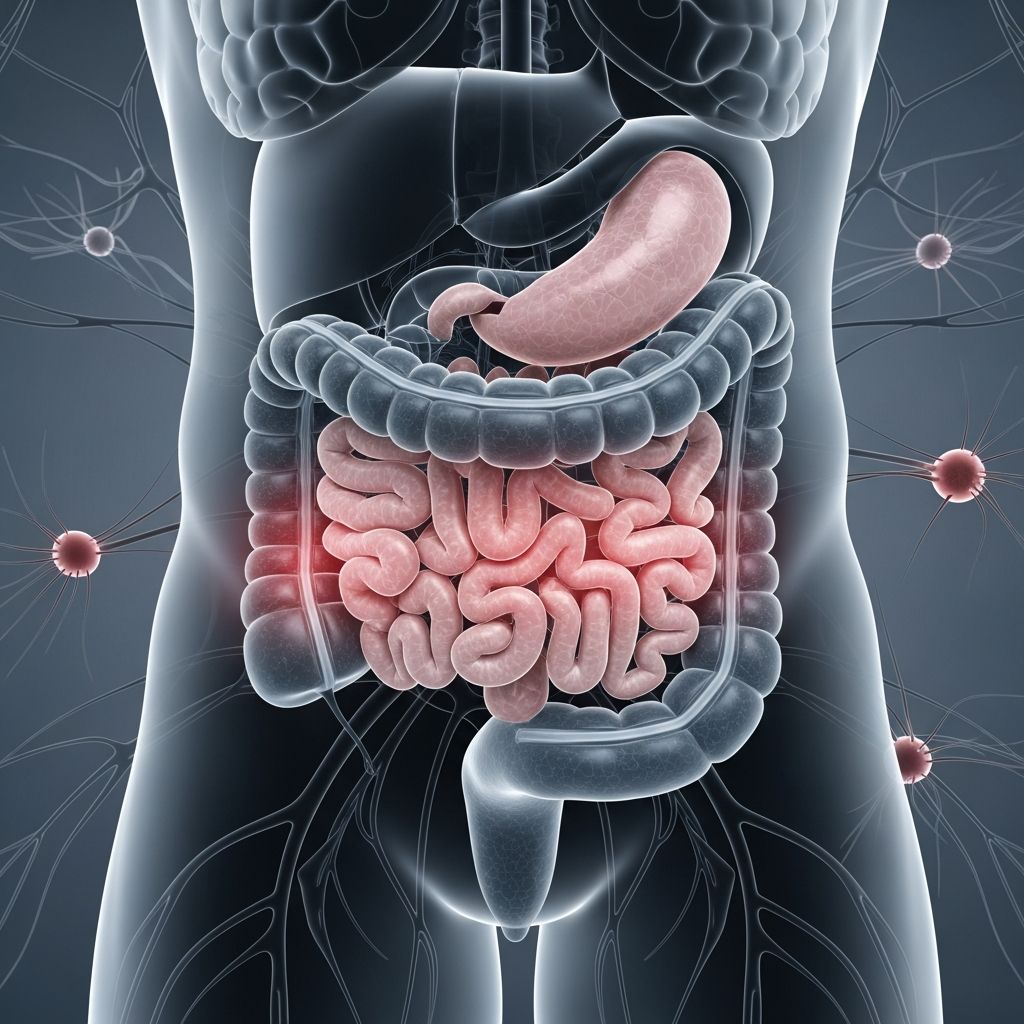
What You Need to Know About Irritable Bowel Syndrome
Irritable bowel syndrome (IBS) represents one of the most prevalent gastrointestinal conditions affecting populations worldwide. This functional disorder impacts how the digestive system processes food and manages waste, creating a cascade of uncomfortable symptoms that vary significantly from person to person. The condition is characterized by a heightened sensitivity within the bowel system, which triggers involuntary muscle contractions and disrupts normal digestive rhythms.
The prevalence of IBS extends across all demographic groups, though certain populations experience higher incidence rates. Unlike inflammatory bowel diseases, IBS does not cause permanent damage to the digestive tract tissues nor does it increase the likelihood of developing colorectal cancer. However, the chronic nature of this condition substantially impacts quality of life, workplace productivity, and psychological well-being for millions of affected individuals.
Recognizing the Varied Presentation of Symptoms
IBS manifests through a constellation of gastrointestinal symptoms that fluctuate in intensity and pattern. The primary indicator involves recurrent abdominal discomfort, which may present as cramping, sharp pain, or a dull aching sensation. This pain can originate anywhere within the abdominal region and often intensifies during specific activities or dietary patterns.
The bowel habit alterations associated with IBS create significant daily challenges for sufferers. These changes encompass:
- Constipation characterized by infrequent, difficult, or incomplete bowel movements
- Diarrhea involving frequent loose stools and sudden urgency
- Alternating patterns cycling between constipation and diarrhea episodes
- Changes in stool consistency, ranging from hard pellets to liquid forms
Additional symptoms commonly reported include abdominal bloating and distension, which often makes clothing feel uncomfortable and contributes to visible physical changes. Many individuals describe sensation of incomplete emptying after bowel movements, along with mucus presence in stools. The urgent need to access bathroom facilities and the feeling of still needing to evacuate immediately after completion represents another hallmark symptom.
Formal Diagnostic Framework and Clinical Assessment
Healthcare practitioners employ standardized diagnostic criteria to identify IBS accurately. The Rome IV Criteria provides the accepted international standard for IBS diagnosis. According to these criteria, a diagnosis requires:
- Recurrent abdominal pain occurring minimally one day weekly, averaged over the preceding three months
- Association with at least two of the following: relation to defecation, change in stool frequency, or alteration in stool appearance
- Symptom onset occurring at least six months before the formal diagnosis
It is important to note that no single definitive test exists for diagnosing IBS. Instead, healthcare providers rely on comprehensive medical histories, physical examinations, and selective testing to exclude other conditions. The diagnostic approach emphasizes ruling out alternative explanations for symptoms, including inflammatory bowel disease, celiac disease, and malignancy.
Certain alarm symptoms warrant additional investigation and may suggest conditions other than IBS. These red flags include:
- New symptom onset after age 50
- Presence of blood in stools
- Unexplained weight loss
- Fever or night sweats
- Nocturnal diarrhea disrupting sleep
- Evidence of iron-deficiency anemia
- Family history of colorectal cancer or inflammatory bowel disease
Related Stories



Understanding the Underlying Mechanisms
IBS results from complex interactions between multiple physiological and psychological systems. The gut-brain axis dysfunction plays a central role, representing bidirectional communication disruptions between the digestive system and nervous system. This miscommunication results in heightened visceral sensitivity, meaning the bowel reacts more intensely to normal stimuli.
Additional contributing factors include:
- Altered gut microbiota composition affecting digestive processes
- Gastrointestinal dysmotility causing irregular muscle contractions
- Food sensitivities triggering disproportionate inflammatory responses
- Psychosocial influences including stress and emotional factors
Comprehensive Management Through Lifestyle Modification
Effective IBS management begins with strategic lifestyle adjustments that address symptom triggers and promote digestive wellness. The foundational approach involves examining daily habits and implementing evidence-based modifications.
Establishing Optimal Eating Patterns
Consuming regular, balanced meals forms the cornerstone of dietary management. The recommended approach includes:
- Consuming three structured meals daily rather than skipping or irregular eating
- Prioritizing fresh ingredients over processed or ready-prepared meals
- Practicing mindful eating techniques, including thorough chewing and extended meal duration
- Maintaining adequate hydration with a minimum of eight cups daily
- Limiting caffeinated beverages, carbonated drinks, and excessive tea consumption that may exacerbate symptoms
Dietary adjustments should proceed gradually, allowing the digestive system adequate time to acclimate to modifications. A typical adjustment period spans three to four weeks, with comprehensive evaluation occurring after four to six weeks.
Incorporating Appropriate Fiber Sources
Fiber plays a crucial role in managing both constipation and diarrhea-predominant presentations. Beneficial fiber sources include:
- Whole grain products such as oatmeal and whole wheat bread
- Legumes including beans and lentils
- Fresh fruits and vegetables with edible skins
- Linseeds, consumed at approximately one tablespoon daily
Regular oatmeal consumption and linseed incorporation demonstrate particular effectiveness in symptom reduction.
Dietary Modification Strategies Based on Symptom Profiles
Tailoring dietary approaches to individual symptom presentations optimizes outcomes. For diarrhea-predominant presentations, the low FODMAP diet represents an evidence-based first-line intervention. This specialized diet restricts fermentable carbohydrates that commonly trigger symptoms in sensitive individuals.
Food sensitivity evaluation should occur when symptoms strongly suggest allergic or intolerance mechanisms, with testing focused on suspected culprits rather than comprehensive screening. Dietary modifications should always follow professional guidance, ideally through consultation with registered dietitians who can provide personalized recommendations.
Pharmacological Treatment Options
Medical interventions complement lifestyle and dietary strategies in managing moderate to severe symptoms. For diarrhea-predominant IBS, antidiarrheal medications such as loperamide provide effective symptom control when dietary approaches prove insufficient. Standard dosing involves 2 mg orally three times daily before meals, with maximum daily dosage not exceeding 16 mg.
It is important to recognize that antidiarrheal medications may or may not effectively address bloating and abdominal pain components. When medications prove beneficial, they can be continued indefinitely alongside ongoing dietary and lifestyle modifications.
Psychological and Behavioral Interventions
The significant psychological component of IBS necessitates behavioral and psychotherapeutic interventions. Gut-directed psychotherapies address the mind-body connection disruptions characteristic of this condition. Establishing a strong therapeutic alliance between patient and healthcare provider, emphasizing shared decision-making, substantially improves treatment outcomes.
Creating a Personalized Management Plan
Optimal IBS management requires individualized approaches reflecting unique symptom patterns and medical circumstances. The recommended management progression follows a structured stepwise approach:
| Management Phase | Key Interventions | Timeline |
|---|---|---|
| Initial Assessment | Comprehensive history, physical examination, selective testing | At diagnosis |
| Lifestyle Modifications | Eating patterns, stress management, physical activity | First 3-4 weeks |
| Dietary Adjustments | Low FODMAP diet trial, fiber incorporation, food elimination | 4-6 weeks evaluation |
| Pharmacological Therapy | Antidiarrheal agents, additional medications if needed | As indicated |
| Specialist Consultation | Dietitian referral, psychological support, gastroenterology follow-up | If inadequate response |
Distinguishing IBS from More Serious Conditions
While IBS itself does not cause permanent tissue damage or increase disease complication risks, appropriate diagnostic evaluation remains essential. Colorectal cancer screening should occur according to age-appropriate guidelines for all individuals presenting with IBS symptoms. Family history of colorectal cancer, inflammatory bowel disease, or celiac disease warrants particular attention during evaluation.
Long-Term Outlook and Prognosis
IBS represents a chronic condition requiring ongoing management rather than a condition with definitive cure. However, most individuals successfully manage symptoms through combined approaches involving dietary modifications, lifestyle adjustments, and when necessary, pharmacological interventions. The chronic nature of the condition necessitates sustained engagement with evidence-based management strategies and regular healthcare provider communication.
Frequently Asked Questions
Can IBS be cured permanently?
IBS remains a chronic condition without permanent cure. However, most individuals achieve substantial symptom control and improved quality of life through consistent application of evidence-based management strategies.
Does IBS increase cancer risk?
No, IBS does not cause tissue damage or increase the likelihood of developing colon cancer. However, age-appropriate cancer screening remains important for all individuals.
When should I seek specialist referral?
Consultation with registered dietitians should occur if symptoms persist after four to six weeks of self-directed dietary modifications. Gastroenterology referral may be appropriate if alarm symptoms appear or diagnostic uncertainty remains.
How long does dietary adjustment take?
Initial dietary modifications typically require three to four weeks for observable improvement, with comprehensive evaluation occurring after four to six weeks.
Conclusion
Irritable bowel syndrome represents a prevalent yet manageable gastrointestinal condition affecting millions worldwide. Through comprehensive understanding of diagnostic criteria, individualized management approaches combining lifestyle modifications, dietary adjustments, and when appropriate, pharmacological interventions, individuals can achieve substantial symptom improvement and enhanced quality of life. Professional healthcare collaboration ensures optimal outcomes and prevents unnecessary diagnostic testing or inappropriate treatments. Patience with the management process and consistent adherence to evidence-based strategies form the foundation for successful long-term IBS management.
References
- Irritable Bowel Syndrome (IBS) – a self-help guide — West Sussex Health NHS Trust. https://www.wsh.nhs.uk/CMS-Documents/Patient-leaflets/ColorectalandStomaCare/5339-2-IBS-Self-Help-Guide.pdf
- A self–help Guide for People with Irritable Bowel Syndrome — Milton Keynes University Hospital NHS Trust. https://www.mkuh.nhs.uk/patient-information-leaflet/a-self-help-guide-for-people-with-irritable-bowel-syndrome
- Irritable Bowel Syndrome – StatPearls — National Center for Biotechnology Information. 2024. https://www.ncbi.nlm.nih.gov/books/NBK534810/
- A Patient’s Guide to Irritable Bowel Syndrome — American Motility Society. 2019. https://motilitysociety.org/wp-content/uploads/2019/08/PDF2019_Chey.pdf
- Irritable Bowel Syndrome (IBS): Symptoms, Causes & Treatment — Cleveland Clinic. https://my.clevelandclinic.org/health/diseases/4342-irritable-bowel-syndrome-ibs
- Diet, lifestyle and medicines for IBS (irritable bowel syndrome) — National Health Service. https://www.nhs.uk/conditions/irritable-bowel-syndrome-ibs/diet-lifestyle-and-medicines/
- Irritable bowel syndrome – Diagnosis and treatment — Mayo Clinic. https://www.mayoclinic.org/diseases-conditions/irritable-bowel-syndrome/diagnosis-treatment/drc-20360064
Similar Articles








Read full bio of Sneha Tete