Keratoconus: 5 Early Signs, Causes, And Treatments
Discover the causes, symptoms, diagnosis, and advanced treatments for keratoconus, the progressive corneal disorder affecting vision worldwide.
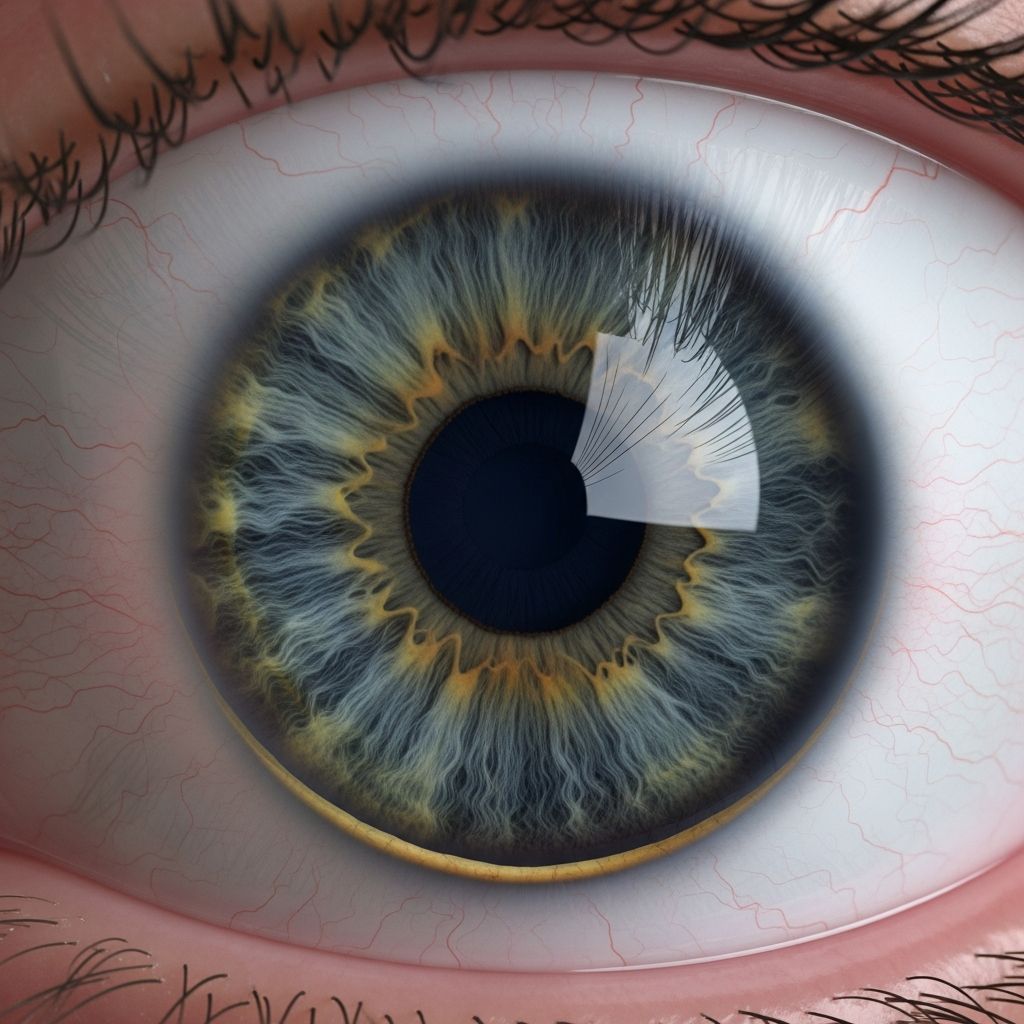
The cornea, the clear front surface of the eye, plays a crucial role in focusing light to create sharp vision. In
keratoconus
, this structure undergoes a transformative change, thinning and protruding into a cone-like shape that disrupts normal sight. This progressive condition typically emerges during adolescence or early adulthood, affecting both eyes asymmetrically in most cases. While not inflammatory, it leads to significant visual impairment if unmanaged, emphasizing the need for timely awareness and intervention.The Anatomy of the Cornea and Keratoconus Changes
A healthy cornea maintains a smooth, dome-shaped profile thanks to a balanced network of collagen fibers. These proteins provide structural integrity, keeping the tissue thin yet resilient. In keratoconus, enzymatic breakdowns weaken these fibers, particularly in the central or paracentral regions, causing the cornea to steepen and bulge forward. This results in irregular astigmatism, where light rays scatter unevenly, producing distorted images. Over time, the cornea may develop scarring or hydrops—sudden swelling from membrane tears—further complicating vision.
Progression varies individually, often advancing rapidly in the first decade before stabilizing around age 40. Factors like genetics influence severity, with higher prevalence in certain populations, such as up to 3% in Iran compared to rarer occurrences elsewhere.
Recognizing Early Warning Signs
Initial symptoms mimic common refractive errors, delaying diagnosis. Patients frequently report:
- Blurred or wavy vision: Straight lines appear bent, worsening with distance.
- Increased nearsightedness: Frequent prescription updates for glasses or contacts.
- Light sensitivity and glare: Halos around lights, especially at night, impairing driving.
- Ghost images or double vision: Multiple overlays of single objects.
- Eye strain and headaches: From constant focusing efforts.
In advanced stages, Munson’s sign becomes evident: the lower eyelid outlines the corneal cone when gazing downward. Atopic individuals—those with allergies, eczema, or asthma—may experience exacerbated symptoms due to chronic rubbing, which stresses corneal tissue. Children with Down syndrome or connective tissue disorders like Ehlers-Danlos warrant vigilant screening.
Risk Factors and Genetic Links
Though the precise etiology remains elusive, multiple contributors converge:
| Risk Factor | Description | Impact |
|---|---|---|
| Genetics | Family history increases likelihood; incidence 1 in 2,000 overall | Hereditary collagen defects |
| Atopy/Allergies | Associated with rhinitis, asthma, eczema | Promotes eye rubbing |
| UV Exposure | Chronic sun overexposure | Weakens corneal proteins |
| Eye Trauma | Habitual rubbing or irritation | Accelerates thinning |
| Systemic Conditions | Down syndrome, Leber’s amaurosis | Higher susceptibility |
These elements disrupt collagen cross-links, hastening protrusion. Prevalence estimates range from 50-200 per 100,000, underscoring its global relevance.
Diagnostic Approaches for Accurate Detection
Early diagnosis hinges on comprehensive exams beyond standard refraction. Key tools include:
- Corneal topography/tomography: Maps surface curvature, revealing steepening and thinning.
- Slit-lamp biomicroscopy: Identifies Fleischer’s ring (iron deposits), Vogt’s striae (stress lines), or apical scarring.
- Pachymetry: Measures corneal thickness, often reduced centrally.
- Retinoscopy: Detects irregular light reflexes (scissoring).
Optometrists may spot initial irregularities, but ophthalmologists confirm via specialized imaging. Routine screenings prove vital for at-risk groups.
Management Strategies: From Conservative to Surgical
Treatment escalates with progression, prioritizing vision restoration and halting advancement.
Related Stories



Non-Invasive Options
- Glasses: Effective for mild cases with low astigmatism.
- Soft contacts: Provide comfort but limited correction.
- Rigid gas-permeable (RGP) lenses: Vault over the cone, creating a smooth tear lens for clarity.
Advanced Interventions
Corneal collagen cross-linking (CXL): A game-changer, FDA-approved, involving riboflavin drops and UV-A light to strengthen fibers. Performed outpatient, it stabilizes 90% of cases, preventing further thinning.
Intacs (intracorneal ring segments): Crescent-shaped implants flatten the cone, improving vision in mild-moderate disease. Inserted via femtosecond laser, recovery spans months.
Surgical Solutions for Severe Cases
- Deep anterior lamellar keratoplasty (DALK): Replaces outer corneal layers.
- Penetrating keratoplasty (PK): Full-thickness transplant, successful in 95% with good donor matching.
LASIK is contraindicated, as it exacerbates thinning.
Lifestyle Adjustments for Better Outcomes
Beyond medical care, patients benefit from:
- Avoiding eye rubbing—use antihistamine drops for allergies.
- UV-protective sunglasses to shield cornea.
- Regular follow-ups to monitor progression.
- Nutrient-rich diets supporting collagen (vitamin C, lysine).
These habits complement treatments, reducing complication risks.
Prognosis and Long-Term Vision Preservation
With early CXL, most maintain functional vision without transplants. Untreated, scarring or hydrops risks permanent loss. Post-40 stabilization aids planning, though contacts may still be needed lifelong.
Frequently Asked Questions (FAQs)
Is keratoconus hereditary?
Yes, family history raises risk, though not strictly Mendelian.
Can keratoconus be cured?
No cure exists, but CXL halts progression effectively.
At what age does it start?
Puberty to early 20s typically.
Does it affect only one eye?
Rarely; bilateral but asymmetric common.
Can I wear contacts with keratoconus?
Yes, specialized RGP lenses often outperform glasses.
Consulting specialists ensures personalized strategies. Advances continue improving lives impacted by this condition.
References
- Keratoconus – Mass Eye and Ear — Massachusetts Eye and Ear. 2023. https://masseyeandear.org/conditions/keratoconus
- What is keratoconus? | New York Eye & Ear — New York Eye and Ear Infirmary. 2024. https://www.nyee.edu/care/eye/cornea/diseases/inherited
- Keratoconus: an introduction – PMC — National Center for Biotechnology Information. 2024-10-15. https://pmc.ncbi.nlm.nih.gov/articles/PMC11921255/
- Keratoconus Diagnosis & Treatment – ICON Eyecare — ICON Eyecare. 2025. https://iconeyecare.com/eye-health-services/keratoconus/
- 5 Fast Facts About Keratoconus | Duke Health — Duke Health. 2024-08-20. https://www.dukehealth.org/blog/5-fast-facts-about-keratoconus
- Keratoconus: Symptoms, Causes & Treatment – Cleveland Clinic — Cleveland Clinic. 2025-01-10. https://my.clevelandclinic.org/health/diseases/14415-keratoconus
Similar Articles








Read full bio of Sneha Tete