Understanding Knee Injuries: Causes, Symptoms, and Treatments
Learn about common knee injuries, their causes, symptoms, and effective treatment options.
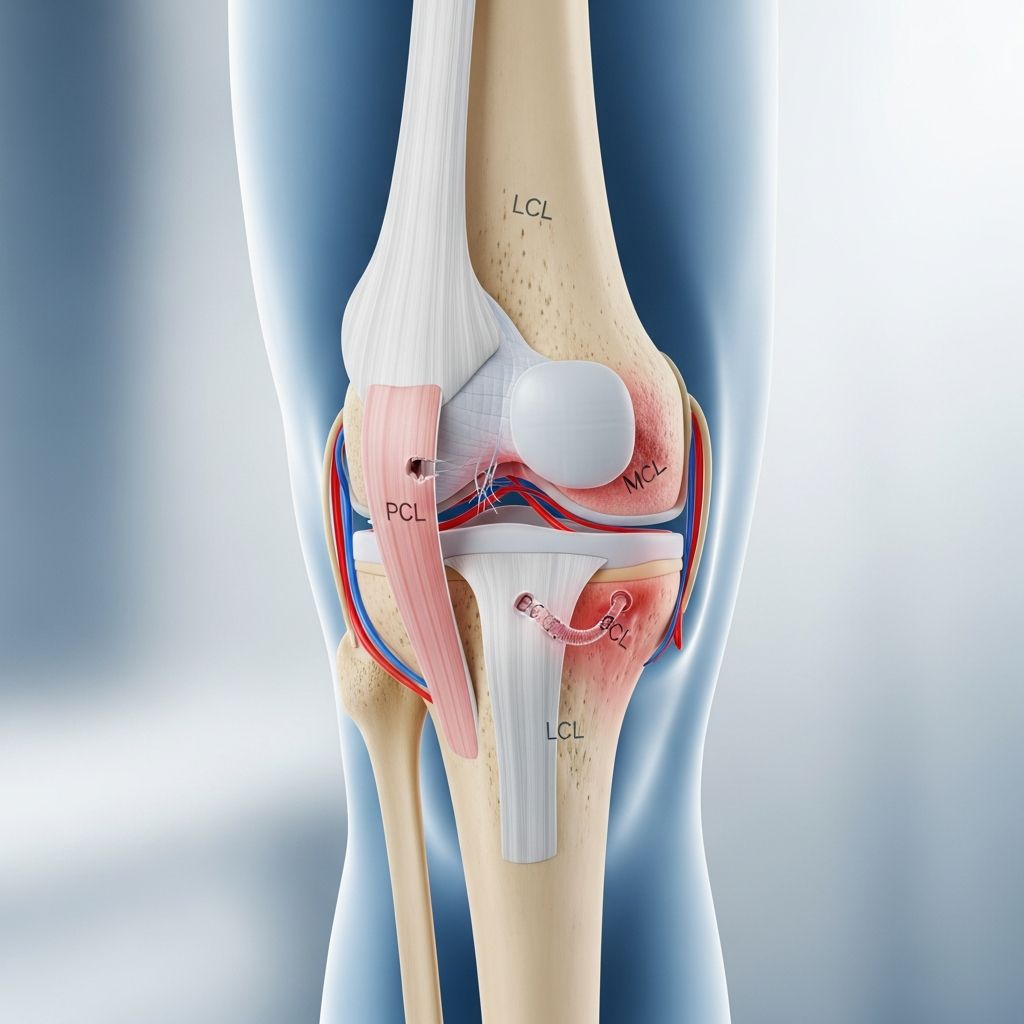
Understanding Knee Injuries
Knee injuries are among the most common musculoskeletal problems, affecting people of all ages and activity levels. Whether caused by sports, accidents, or degenerative conditions, knee injuries can significantly impact mobility and quality of life. This article provides a comprehensive overview of knee injuries, covering their causes, symptoms, diagnosis, and treatment options.
Common Symptoms of Knee Injuries
The symptoms of knee injuries can vary depending on the type and severity of the injury. Common symptoms include:
- Pain in the knee joint
- Swelling and stiffness
- Difficulty moving the knee
- Instability or a feeling that the knee is giving way
- Redness and warmth around the knee
- Cracking or popping sounds when moving the knee
If these symptoms persist or worsen, it is important to seek medical attention to prevent further damage.
Causes of Knee Injuries
Knee injuries can result from a variety of causes, including:
- Fractures of the femur (thighbone), tibia, or fibula (leg bones)
- Torn ligaments, such as the anterior or posterior cruciate ligament (ACL or PCL)
- Rupture of blood vessels leading to fluid or blood accumulation in the joint
- Dislocation of the kneecap (patella)
- Torn quadriceps or hamstring muscles
- Patellar tendon tear
These injuries can occur due to sports activities, falls, or degenerative conditions like arthritis.
Diagnosis of Knee Injuries
Accurate diagnosis is crucial for effective treatment. The diagnostic process typically includes:
- Physical examination to assess the knee’s range of motion, stability, and pain
- Joint examination to check for swelling, tenderness, and instability
- X-rays to identify fractures or bone abnormalities
- MRI scans to evaluate soft tissue injuries, such as ligament tears
- Ultrasound to assess fluid accumulation in the joint
Early diagnosis and appropriate medical treatment are essential to prevent further joint damage.
Treatment of Knee Injuries
The treatment of knee injuries depends on the type and severity of the injury. Common treatment options include:
Non-Surgical Treatments
- Rest: Avoid putting pressure on the injured knee to prevent further damage.
- Ice: Apply ice packs to the injury to reduce swelling and pain. Ice should be applied for 15-20 minutes, four times a day, for several days.
- Compression: Wrap the knee with an elastic bandage or compression stocking to minimize swelling and support the knee.
- Elevation: Elevate the knee above heart level to reduce swelling and pain.
- Anti-inflammatory drugs: Medications such as ibuprofen or naproxen can help reduce pain and inflammation.
- Physical therapy: Exercises to improve strength, flexibility, and balance can aid in recovery.
- Walking aids: Using a cane or walker can help offload the knee joint and reduce symptoms.
Related Stories



Surgical Treatments
- Arthroscopy: A minimally invasive procedure to repair or remove damaged tissue.
- Knee replacement: For severe arthritis or joint damage, partial or total knee replacement may be necessary.
- Rehabilitation: Post-surgical rehabilitation is crucial to restore strength and function to the knee.
Prevention of Knee Injuries
Preventing knee injuries involves several strategies:
- Warm-up and cool-down exercises before and after physical activity
- Strengthening exercises for the muscles around the knee
- Using proper technique during sports and physical activities
- Wearing appropriate footwear and protective gear
- Maintaining a healthy weight to reduce stress on the knee joint
FAQs About Knee Injuries
What are the most common types of knee injuries?
The most common types of knee injuries include ligament tears (ACL, PCL), meniscus tears, fractures, and dislocations.
How long does it take to recover from a knee injury?
Recovery time varies depending on the type and severity of the injury. Mild injuries may heal within a few weeks, while severe injuries or those requiring surgery can take several months.
When should I see a doctor for a knee injury?
You should see a doctor if you experience severe pain, swelling, instability, or if symptoms persist or worsen over time.
Can knee injuries be prevented?
While not all knee injuries can be prevented, following preventive strategies such as proper warm-up, strengthening exercises, and using protective gear can reduce the risk.
What are the risks of not treating a knee injury?
Untreated knee injuries can lead to chronic pain, joint damage, and reduced mobility. Early treatment is essential to prevent long-term complications.
References
References
- Knee Injury Olney | Knee Fracture Bethesda – William Robert Volk, MD — Volk Ortho. https://www.volkortho.com/knee-injury-orthopaedic-sports-medicine-specialist-germantown-maryland/
- Management of Knee Arthritis Webinar – YouTube — Johns Hopkins Medicine. https://www.youtube.com/watch?v=YVw80V8N-Ls
- ACL Injuries | Q&A with Dr. Jay Lee – YouTube — Johns Hopkins Medicine. https://www.youtube.com/watch?v=2lJyNdOQLsY
- Johns Hopkins Medicine Joint Replacement Education Video — Johns Hopkins Medicine. https://www.youtube.com/watch?v=Idyasf-0Jow
Similar Articles








Read full bio of Sneha Tete