Understanding Leg Pain: Causes, Symptoms & Treatments
Explore the causes, symptoms, and treatments for leg pain, from sciatica to peripheral artery disease.
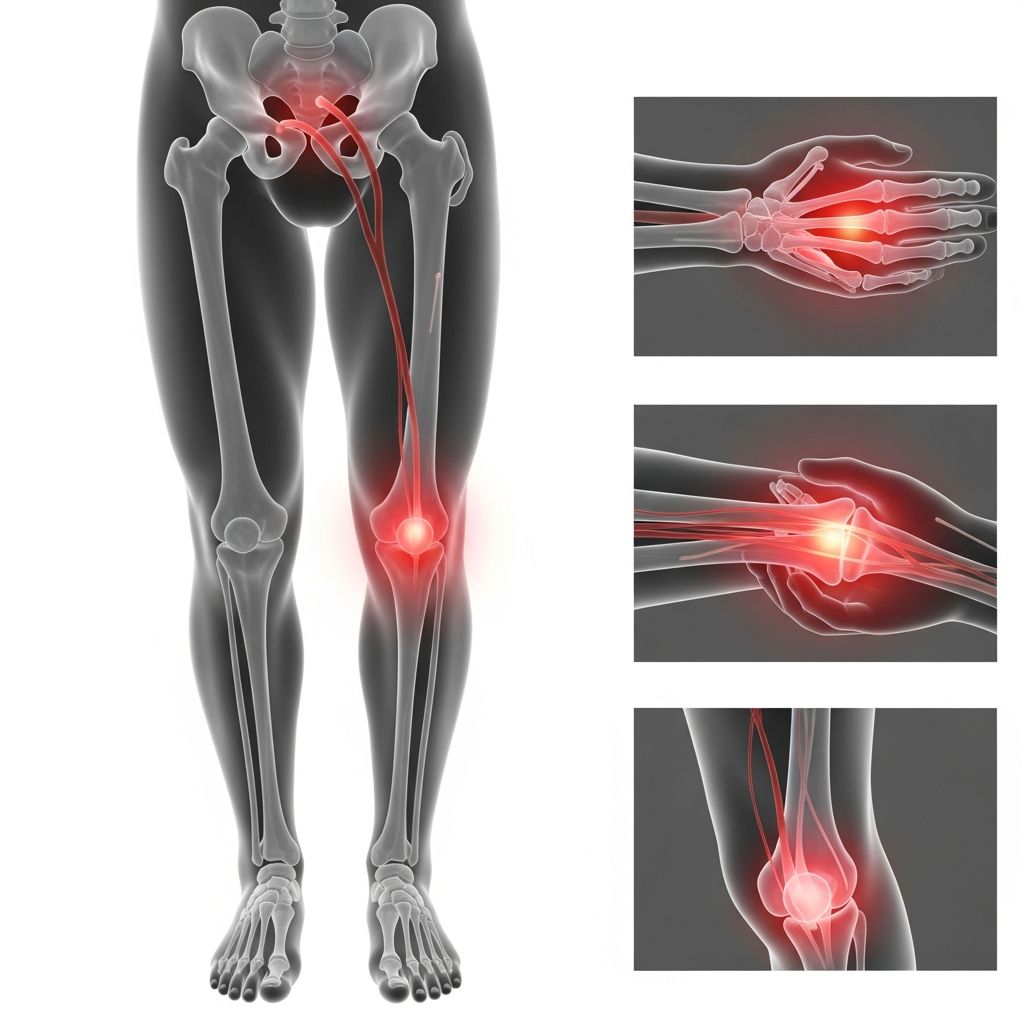
Leg pain is a common complaint that can range from mild discomfort to severe, debilitating pain. It can be caused by a variety of conditions, from muscle cramps and sciatica to more serious issues like peripheral artery disease (PAD). Understanding the causes, symptoms, and treatments for leg pain is essential for effective management and timely medical intervention.
Common Causes of Leg Pain
Leg pain can be caused by a wide range of factors, including:
- Muscle cramps: Sudden, involuntary contractions of the muscles, often occurring at night.
- Sciatica: Pain caused by irritation or compression of the sciatic nerve, often radiating from the lower back down the leg.
- Peripheral artery disease (PAD): Narrowing of the arteries that supply blood to the legs, leading to pain and discomfort.
- Intermittent claudication: Muscle pain that occurs during activity and subsides with rest, often a symptom of PAD.
- Injury or overuse: Strains, sprains, or repetitive stress from sports or physical activity.
- Growing pains: Common in children, often affecting the legs during periods of rapid growth.
Symptoms of Leg Pain
The symptoms of leg pain can vary depending on the underlying cause. Common symptoms include:
- Pain, aching, or discomfort in the legs
- Burning or tingling sensations
- Numbness or weakness
- Swelling or redness
- Difficulty walking or moving the leg
- Pain that worsens with activity and improves with rest
Peripheral Artery Disease (PAD)
Peripheral artery disease (PAD) is a condition in which the arteries that supply blood to the legs become narrowed or blocked, often due to a buildup of plaque (atherosclerosis). PAD can cause leg pain, especially during physical activity, and may lead to more serious complications if left untreated.
Symptoms of PAD
- Leg discomfort or pain when walking or exercising (intermittent claudication)
- Pain or cramping in the legs, buttocks, or feet
- Burning or aching pain in the legs, especially when resting
- Weakness or numbness in the legs
- Coldness or paleness in the legs
- Slow-healing sores or ulcers on the legs or feet
Diagnosis and Treatment of PAD
Diagnosis of PAD typically involves a physical exam, review of medical history, and tests such as:
- Physical examination of the legs and feet
- Checking pulses in the legs
- Imaging tests (e.g., ultrasound, angiography)
Treatment for PAD may include:
- Lifestyle changes (e.g., quitting smoking, healthy diet, regular exercise)
- Medications to improve blood flow and reduce symptoms
- Procedures to open blocked arteries (e.g., angioplasty, stenting)
- Surgery in severe cases
Sciatica
Sciatica is a type of leg pain caused by irritation or compression of the sciatic nerve, which runs from the lower back down the legs. Sciatica can cause pain, tingling, numbness, or weakness in the legs.
Symptoms of Sciatica
- Pain that radiates from the lower back down the leg
- Burning, tingling, or numbness in the leg
- Weakness in the leg
- Pain that worsens with sitting or standing
- Difficulty walking or moving the leg
Diagnosis and Treatment of Sciatica
Diagnosis of sciatica typically involves a physical exam and may include imaging tests (e.g., MRI, CT scan). Treatment options include:
- Physical therapy and stretching exercises
- Medications to relieve pain and inflammation
- Back strengthening exercises
- Surgery in severe cases
Related Stories



Intermittent Claudication
Intermittent claudication is a symptom of PAD characterized by muscle pain that occurs during physical activity and subsides with rest. It is caused by reduced blood flow to the muscles during exercise.
Symptoms of Intermittent Claudication
- Dull, aching pain in the legs during activity
- Pain that improves with rest
- Muscle fatigue or cramping
- Numbness or weakness in the legs
Diagnosis and Treatment of Intermittent Claudication
Diagnosis involves a physical exam, review of medical history, and tests such as:
- Physical examination of the legs
- Checking pulses in the legs
- Imaging tests (e.g., ultrasound, angiography)
Treatment may include:
- Lifestyle changes (e.g., regular exercise, healthy diet)
- Medications to improve blood flow
- Procedures to open blocked arteries
- Surgery in severe cases
Leg Cramps
Leg cramps are sudden, involuntary contractions of the muscles, often occurring at night. They can be painful and disruptive to sleep and daily activities.
Symptoms of Leg Cramps
- Sudden, severe pain in the leg muscles
- Muscle tightness or stiffness
- Pain that may last for several minutes
- Discomfort or soreness after the cramp subsides
Diagnosis and Treatment of Leg Cramps
Diagnosis is usually based on symptoms and medical history. Treatment may include:
- Stretching and massage
- Hydration and electrolyte balance
- Medications to relieve pain
- Lifestyle changes (e.g., regular exercise, avoiding triggers)
When to Seek Medical Help
It is important to seek medical help if you experience:
- Severe or persistent leg pain
- Swelling, redness, or warmth in the leg
- Difficulty walking or moving the leg
- Weakness or numbness in the leg
- Sudden onset of leg pain or swelling
- Leg pain accompanied by fever or other systemic symptoms
Prevention of Leg Pain
Preventing leg pain involves maintaining a healthy lifestyle and addressing underlying risk factors. Tips for prevention include:
- Regular exercise to improve circulation and muscle strength
- Healthy diet rich in fruits, vegetables, and whole grains
- Avoiding smoking and excessive alcohol consumption
- Staying hydrated and maintaining electrolyte balance
- Stretching and warming up before physical activity
- Wearing supportive footwear
Frequently Asked Questions (FAQs)
Q: What are the most common causes of leg pain?
A: The most common causes of leg pain include muscle cramps, sciatica, peripheral artery disease, intermittent claudication, injury or overuse, and growing pains in children.
Q: When should I see a doctor for leg pain?
A: You should see a doctor if you experience severe or persistent leg pain, swelling, redness, difficulty walking, weakness or numbness, sudden onset of pain, or pain accompanied by fever or other systemic symptoms.
Q: How is peripheral artery disease diagnosed?
A: Peripheral artery disease is diagnosed through a physical exam, review of medical history, and tests such as checking pulses, imaging tests (e.g., ultrasound, angiography), and sometimes blood tests.
Q: What are the treatment options for sciatica?
A: Treatment options for sciatica include physical therapy, stretching exercises, medications to relieve pain and inflammation, back strengthening exercises, and surgery in severe cases.
Q: How can I prevent leg cramps?
A: You can prevent leg cramps by staying hydrated, maintaining electrolyte balance, stretching and warming up before physical activity, and avoiding triggers such as dehydration and certain medications.
References
- Peripheral Artery Disease (PAD) — Cleveland Clinic. 2024. https://my.clevelandclinic.org/health/diseases/17357-peripheral-artery-disease-pad
- Is Your Leg Pain Sciatica or Something Else? — Cleveland Clinic. 2024. https://health.clevelandclinic.org/is-your-leg-pain-sciatica-or-something-else
- Intermittent Claudication: Symptoms & Treatment — Cleveland Clinic. 2024. https://my.clevelandclinic.org/health/symptoms/22046-intermittent-claudication
- Sciatica: What It Is, Causes, Symptoms, Treatment & Pain Relief — Cleveland Clinic. 2024. https://my.clevelandclinic.org/health/diseases/12792-sciatica
- Leg Cramps at Night: Causes, Pain Relief & Prevention — Cleveland Clinic. 2024. https://my.clevelandclinic.org/health/diseases/14170-leg-cramps
Similar Articles








Read full bio of Sneha Tete