Understanding Lipids: Types, Functions & Heart Health
Learn about lipids, cholesterol types, and how they impact your cardiovascular health and overall wellness.
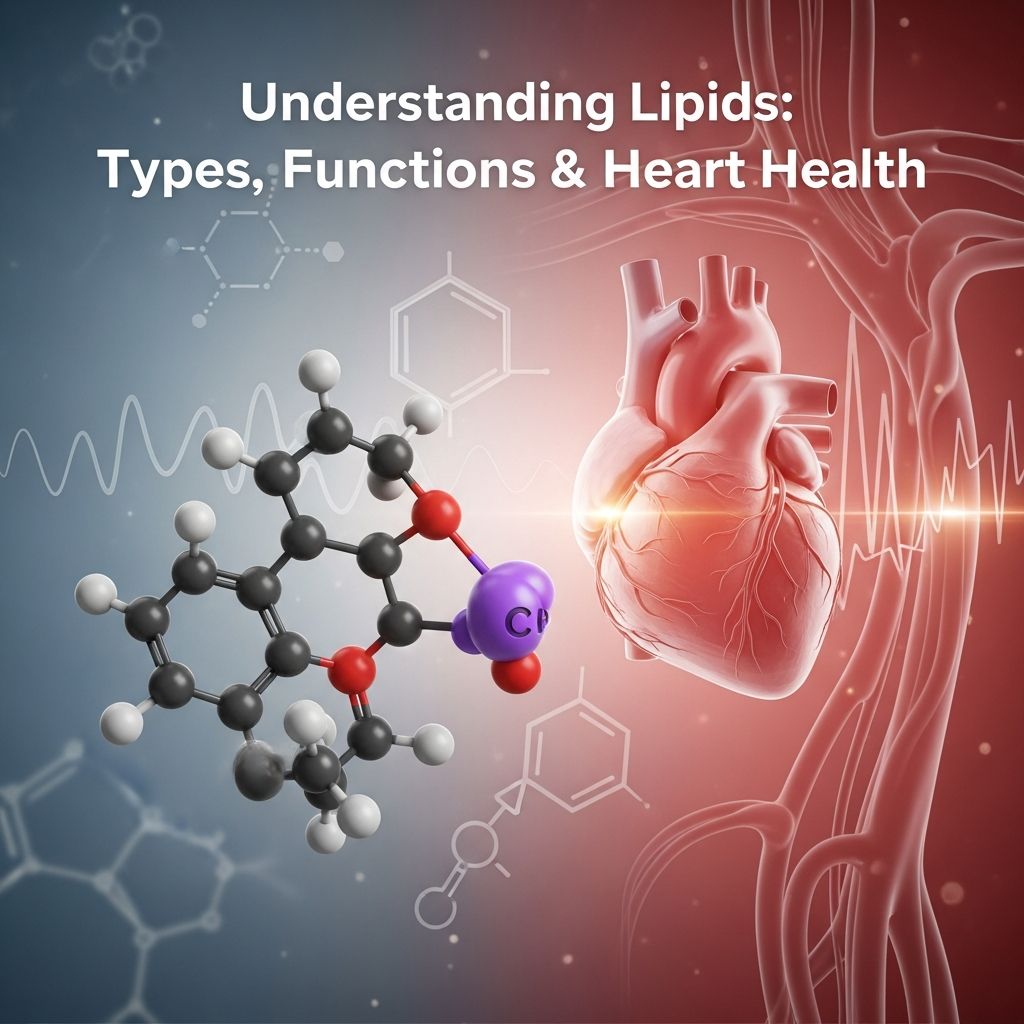
Understanding Lipids: Essential Guide to Cholesterol and Heart Health
Lipids are a diverse group of fatty substances that play crucial roles in your body’s functioning. While often associated with negative health outcomes, lipids are actually essential for numerous biological processes. Understanding what lipids are, how they function, and how to maintain healthy levels is vital for preventing serious health conditions like heart disease, stroke, and atherosclerosis. This comprehensive guide explores the different types of lipids, their functions in your body, and practical strategies for maintaining optimal lipid levels.
What Are Lipids?
Lipids are fatty molecules that serve as an important energy source and structural component in your body. They are hydrophobic or amphipathic organic molecules, meaning they don’t dissolve well in water. Your body produces lipids naturally, and you also consume them through food sources, particularly from animal products and oils. Lipids include several different types of molecules, each with specific functions and health implications.
Your liver plays a central role in lipid metabolism, producing cholesterol to help you digest food and synthesize hormones, vitamin D, and other essential compounds. However, when lipid levels become elevated, fatty substances can accumulate in your arteries, leading to narrowing and hardening of blood vessels—a condition called atherosclerosis. This buildup significantly increases your risk of cardiovascular disease, heart attacks, and strokes.
Types of Lipids and Lipoproteins
Lipids travel through your bloodstream as part of lipoproteins, which are combinations of lipids and proteins that transport cholesterol and triglycerides to cells throughout your body. Understanding the different types of lipoproteins is essential for interpreting your lipid panel results and managing your cardiovascular health.
Low-Density Lipoprotein (LDL) Cholesterol
LDL cholesterol is often called “bad cholesterol” because it deposits cholesterol in your arteries, forming plaques that narrow blood vessels and restrict blood flow. High LDL levels are a significant risk factor for atherosclerosis, coronary artery disease, and cardiovascular events. LDL cholesterol particles vary in size and density, with smaller, denser particles being more atherogenic (likely to cause atherosclerosis) than larger particles. Managing LDL cholesterol through lifestyle modifications and medications is a cornerstone of cardiovascular disease prevention.
High-Density Lipoprotein (HDL) Cholesterol
HDL cholesterol is known as “good cholesterol” because it removes excess LDL cholesterol from your arteries and transports it to your liver for disposal. Higher HDL levels are associated with better cardiovascular protection. HDL acts as a natural cleanup mechanism, helping to reverse the atherosclerotic process and reduce your risk of heart disease. Unlike LDL, higher levels of HDL are protective, and most health guidelines recommend HDL levels above 40 mg/dL for men and above 50 mg/dL for women.
Triglycerides
Triglycerides are the most common type of fat in your blood, serving as a source of energy for your cells. Your body converts excess calories, particularly from carbohydrates and alcohol, into triglycerides for storage. High triglyceride levels, particularly when combined with low HDL or high LDL levels, increase your cardiovascular risk. Triglycerides are measured as part of your lipid panel, and normal levels are generally considered to be below 150 mg/dL.
Lipoprotein(a) or LP(a)
Lipoprotein(a), or LP(a), is a type of LDL cholesterol with an additional protein called apolipoprotein(a) attached to it. This apolipoprotein makes LDL particles stickier, causing LP(a) to accumulate more readily in blood vessels and significantly increasing atherosclerosis risk. Elevated LP(a) levels are an independent risk factor for cardiovascular disease and aortic valve stenosis. Genetic factors largely determine LP(a) levels, and a reading above 50 mg/dL or 75 nanomoles per liter (nmol/L) is considered high and warrants closer monitoring and aggressive risk reduction strategies.
Related Stories



Very Low-Density Lipoprotein (VLDL)
VLDL particles transport triglycerides from your liver to tissues throughout your body. High VLDL levels often correlate with elevated triglycerides and can contribute to atherosclerosis. VLDL particles are generally larger and less dense than LDL particles but can still contribute to arterial plaque formation.
Functions of Lipids in Your Body
While elevated lipids pose health risks, lipids perform numerous essential functions that are vital for survival and optimal health:
- Energy Production: Lipids provide more than twice the energy per gram compared to carbohydrates or proteins, making them an efficient fuel source for your cells
- Cell Membrane Structure: Cholesterol and phospholipids form the structural backbone of cell membranes, regulating what enters and exits cells
- Hormone Production: Your body uses cholesterol to synthesize sex hormones like estrogen and testosterone, as well as cortisol and other steroid hormones
- Vitamin D Synthesis: Cholesterol is converted to vitamin D when your skin is exposed to sunlight, supporting bone health and immune function
- Bile Acid Production: Your liver converts cholesterol into bile acids necessary for digesting and absorbing dietary fats
- Nervous System Function: Myelin, the insulating layer around nerve fibers, contains significant amounts of cholesterol essential for proper nerve signal transmission
Understanding Lipid Panel Results
A lipid panel is a common blood test that measures the amount of different lipids in your blood. Healthcare providers use lipid panels to screen for cardiovascular disease risk in both children and adults. A standard lipid panel typically includes four cholesterol measurements plus triglycerides:
- Total cholesterol
- LDL cholesterol
- HDL cholesterol
- Triglycerides
Your results are classified based on risk categories. Higher-than-normal levels of total cholesterol, LDL, and triglycerides, combined with lower-than-normal HDL levels, indicate increased cardiovascular risk. Results may be classified as borderline, intermediate, or high-risk for cardiovascular disease. Abnormally low cholesterol levels are rare and usually indicate an underlying health condition causing malnutrition.
Risk Factors for High Lipid Levels
Several factors contribute to elevated lipid levels and increased cardiovascular risk. Age and menopause represent significant risk factors, as metabolism slows with age and the liver becomes less efficient at removing bad cholesterol from your body. Women and men over 40, particularly those who have undergone menopause, face elevated risk. Even children can develop cholesterol problems, particularly if they have a family history of high cholesterol or genetic conditions like familial hypercholesterolemia.
Genetic factors play a substantial role in determining your lipid levels. Familial hypercholesterolemia and other inherited lipid disorders cause very high cholesterol or triglyceride levels that require aggressive treatment. Lifestyle factors including diet, physical activity levels, smoking status, stress levels, and alcohol consumption significantly influence lipid profiles. Certain medical conditions such as diabetes, thyroid disease, kidney disease, and liver disease can also elevate lipid levels.
Guidelines for Lipid Management
The American College of Cardiology (ACC) and American Heart Association (AHA) provide evidence-based guidelines for cholesterol management tailored to individual risk profiles. These guidelines emphasize a multifaceted approach combining lifestyle modifications, shared decision-making between patients and healthcare providers, and pharmacologic therapy when appropriate.
Primary Prevention Approach
For primary prevention of atherosclerotic cardiovascular disease, patients are stratified into risk categories based on their 10-year cardiovascular risk. Low-risk patients (less than 5% risk) should focus on lifestyle changes to reduce modifiable risk factors. Borderline-risk patients (5% to 7.5%) represent an intermediate group where treatment decisions are individualized. Intermediate-risk patients (7.5% to 20%) may benefit from statin therapy based on risk-enhancing factors. High-risk patients (greater than 20% risk) should clearly receive statin therapy aimed at reducing LDL cholesterol by at least 50%.
Statin Therapy
Statins form the foundation of pharmacologic lipid-lowering therapy, working by inhibiting an enzyme necessary for cholesterol production in the liver. Statins effectively reduce LDL cholesterol levels and have been shown to reduce cardiovascular events. The choice of statin and intensity of therapy depends on individual risk factors and baseline lipid levels. Statins are generally well-tolerated, though some patients experience muscle-related side effects.
Additional Lipid-Lowering Medications
When statins alone don’t achieve target lipid levels, additional medications can be added. Ezetimibe decreases cholesterol absorption in the intestines and lowers LDL cholesterol by approximately 20%. Studies show that ezetimibe modestly reduces cardiovascular risk when added to statin therapy. PCSK9 inhibitors represent a newer class of cholesterol-lowering drugs that can achieve substantial LDL reductions when statins and ezetimibe are insufficient. For patients at very high risk whose LDL cholesterol remains above 70 mg/dL despite maximal tolerated statin and ezetimibe therapy, adding a PCSK9 inhibitor is considered reasonable.
Lifestyle Modifications for Lipid Management
Lifestyle changes form the foundation of lipid management across all risk categories and age groups. A heart-healthy diet emphasizing whole grains, fruits, vegetables, lean proteins, and healthy fats while limiting saturated fats, trans fats, and refined carbohydrates effectively lowers LDL and triglycerides while raising HDL. Regular physical activity—at least 150 minutes of moderate-intensity aerobic exercise weekly—significantly improves lipid profiles.
Weight management is crucial, as excess body weight elevates triglycerides and LDL while lowering HDL. Smoking cessation provides immediate and long-term cardiovascular benefits by raising HDL and improving overall lipid metabolism. Limiting alcohol consumption helps manage triglyceride levels, while stress reduction techniques support overall cardiovascular health.
Omega-3 Fatty Acids and Triglyceride Management
Omega-3 fatty acids, found in fatty fish like salmon and mackerel, represent “healthy fats” that support heart health. A key benefit of omega-3 fatty acids is their ability to help lower triglycerides, making them a valuable component of dietary management for elevated lipids. Consuming two servings of fatty fish weekly or considering omega-3 supplements under medical guidance may benefit individuals with high triglycerides.
Special Populations and Personalized Treatment
Certain patient subgroups require specialized lipid management approaches. The ACC/AHA guidelines provide specific treatment algorithms for ethnic groups with different cardiovascular risk profiles, adults with chronic kidney disease whose lipid metabolism is altered, individuals with HIV infection who may experience lipid abnormalities from antiretroviral therapy, and women who have different lipid-related cardiovascular risk factors than men. Cleveland Clinic’s Inherited Lipid Disorders Center provides comprehensive care for patients with genetic lipid conditions including familial hypercholesterolemia, familial chylomicronemia syndrome, and other rare inherited lipid disorders, utilizing a multidisciplinary team approach combining cardiology, genetics, nutrition, and exercise physiology expertise.
Frequently Asked Questions
Q: What is a normal cholesterol level?
A: Total cholesterol below 200 mg/dL is generally considered desirable. LDL cholesterol should ideally be below 100 mg/dL, HDL cholesterol should be 60 mg/dL or higher, and triglycerides should be below 150 mg/dL. However, target levels vary based on individual risk factors.
Q: Can I lower my cholesterol through diet alone?
A: Diet and lifestyle changes can significantly reduce cholesterol levels, potentially lowering LDL by 10-15%. However, many individuals, particularly those with genetic predispositions or very high baseline levels, require medications to achieve target levels. Always consult your healthcare provider about the best approach for your situation.
Q: How often should I have my lipid levels checked?
A: Most adults should have their lipid levels checked at least every 4-6 years. Those with high cholesterol, cardiovascular disease, or taking lipid-lowering medications should be tested more frequently, typically annually or as recommended by their healthcare provider.
Q: Are there any foods that naturally lower cholesterol?
A: Yes, several foods help lower cholesterol naturally. Oats and whole grains contain soluble fiber that reduces LDL. Plant sterols in nuts, seeds, and vegetable oils block cholesterol absorption. Fatty fish rich in omega-3 fatty acids reduce triglycerides. Olive oil, avocados, and other sources of unsaturated fats improve lipid profiles compared to saturated fats.
Q: What is lipoprotein(a), and why is it important?
A: Lipoprotein(a) or LP(a) is a type of LDL cholesterol with an additional sticky protein that causes it to accumulate in arteries more readily. High LP(a) levels are an independent risk factor for heart disease and stroke, with readings above 50 mg/dL considered elevated. Levels are largely determined by genetics and have limited response to lifestyle changes, making early detection and aggressive risk reduction important.
Q: Can children have high cholesterol?
A: Yes, children can develop high cholesterol, particularly if they have a family history of high cholesterol or genetic conditions like familial hypercholesterolemia. Pediatric lipid screening is recommended for children with a family history of early heart disease or familial hypercholesterolemia and for all children aged 9-11 years as part of routine preventive care.
References
- ACC/AHA Cholesterol Clinical Practice Guidelines — American College of Cardiology and American Heart Association. 2018-2019. https://www.ccjm.org/content/87/4/231
- Lipids and Lipoproteins: Overview and Clinical Significance — Cleveland Clinic Department of Cardiology. 2024. https://my.clevelandclinic.org/health/articles/23229-lipoprotein
- Lipoprotein(a) in Clinical Practice: What Clinicians Need to Know — Cleveland Clinic Journal of Medicine. 2023. https://www.ccjm.org/content/92/11/679
- Hyperlipidemia (High Cholesterol): Levels, Causes, and Symptoms — Cleveland Clinic. 2024. https://my.clevelandclinic.org/health/diseases/21656-hyperlipidemia
- Lipid Panel: What It Is, Purpose & Results — Cleveland Clinic. 2024. https://my.clevelandclinic.org/health/diagnostics/17176-lipid-panel
- Omega-3 Fatty Acids and Their Role in Cardiovascular Health — Cleveland Clinic. 2024. https://my.clevelandclinic.org/health/articles/17290-omega-3-fatty-acids
Similar Articles








Read full bio of Sneha Tete