Lipoedema: 4 Stages, Symptoms, And Treatment Options
Discover the facts about lipoedema, a chronic fat disorder affecting women, including symptoms, stages, diagnosis, and effective management strategies.
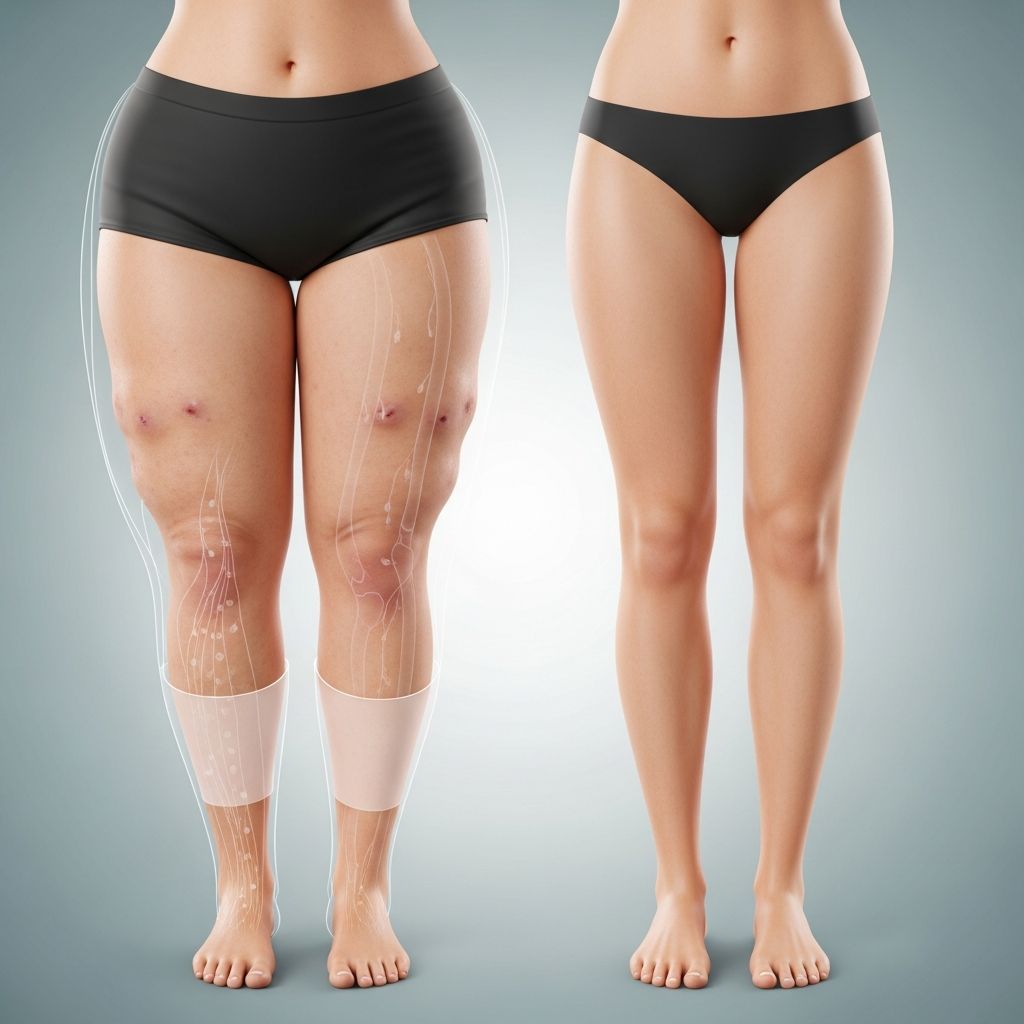
Lipoedema is a chronic adipose tissue disorder that predominantly impacts women, leading to abnormal, symmetrical fat deposits primarily in the legs, thighs, buttocks, and sometimes arms. Unlike typical obesity, this fat is resistant to diet and exercise, often causing pain, bruising, and mobility challenges.
The Nature and Prevalence of Lipoedema
This condition involves disproportionate enlargement of the limbs due to hypertrophic fat cells, sparing the feet and hands, which creates a distinctive cuff-like appearance at the ankles and wrists. It affects an estimated 11% of women, yet remains underdiagnosed, with many enduring up to a decade of symptoms before proper identification.
Genetic predisposition plays a key role, with familial patterns observed in over 50% of cases. Hormonal shifts, such as those during puberty, pregnancy, or menopause, often trigger or exacerbate progression, suggesting estrogen’s influence on fat distribution and lymphatic function.
Recognizing Key Symptoms
Individuals with lipoedema commonly report tenderness to touch, easy bruising from minor trauma, and a heavy sensation in affected areas that worsens throughout the day. The skin may feel cooler, appear dimpled or nodular, and exhibit a floppy texture, contributing to discomfort and reduced quality of life.
- Pain and sensitivity: Affected tissues are painful on pressure, earning it the term ‘painful fat syndrome’.
- Swelling: Fluid retention increases, especially after standing or heat exposure, though feet remain unaffected.
- Mobility issues: Heaviness and shape changes hinder movement, impacting daily activities.
- Psychological effects: Body image distress and misdiagnosis as obesity lead to emotional strain.
Progression Through Four Stages
Lipoedema advances in stages, each marked by increasing tissue changes and severity. Early intervention can mitigate progression.
| Stage | Skin and Tissue Features | Common Symptoms |
|---|---|---|
| 1 | Smooth skin with thickened, even subcutaneous fat layer | Mild enlargement, subtle pain, easy bruising |
| 2 | Uneven, wavy skin with nodules and indentations | Increased pain, heaviness, visible lumps |
| 3 | Contour deformities, overhanging folds, coarse texture | Severe mobility limits, chronic pain |
| 4 | Lipo-lymphedema: fat buildup compresses lymphatics | Significant swelling, fibrosis, secondary infections |
Stage 1 may go unnoticed, but by Stage 3, limb girth increases dramatically, forming dewlap-like protrusions.
Differential Diagnosis: Lipoedema vs. Similar Conditions
Misdiagnosis is rampant due to overlaps with obesity, lymphedema, and lipohypertrophy. Key differentiators include bilaterality, fat resistance, and absence of foot involvement.
| Feature | Lipoedema | Lymphedema | Obesity |
|---|---|---|---|
| Affected Areas | Bilateral legs/arms, spares feet/hands | Feet/hands included, often unilateral | Generalized, uniform |
| Pain/Bruising | Common, tender fat | Rare, pitting edema | Uncommon |
| Stemmer’s Sign | Negative | Positive (skin fold can’t be lifted) | Absent |
| Response to Diet | Resistant | Variable | Reduces with calorie deficit |
| Imaging | Normal echogenicity, thick subcutis | Hypoechoic, fluid accumulation | Diffuse fat |
Ultrasound reveals lipoedema’s dense, echogenic fat versus lymphedema’s fluid-filled hypoechogenicity.
Related Stories



Unraveling the Causes
Though etiology remains elusive, evidence points to multifactorial origins: genetic mutations affecting adipogenesis, hormonal dysregulation impairing lymphatic clearance, and inflammatory cascades promoting fibrosis. Pubertal onset in 40-50% of cases underscores endocrine links.
Hypertrophied adipocytes mechanically obstruct lymphatics, fostering secondary lymphedema in advanced stages. Elevated sodium and inflammatory mediators further impair drainage.
Diagnostic Approaches
Diagnosis relies on clinical criteria: symmetrical limb fat, pain, bruising, family history, and exclusion of other disorders. No single test exists; tools include:
- Physical exam: Cuff sign, negative Stemmer’s sign.
- Imaging: Ultrasound, MRI for fat distribution and lymphatic status.
- Lymphoscintigraphy: To detect secondary lymphedema.
Early specialist referral to vascular or lymphology experts is crucial.
Management and Treatment Options
Treatment is multidisciplinary, focusing on symptom relief, halting progression, and improving function. No cure exists, but combined approaches yield benefits.
Conservative Therapies
- Compression garments: Reduce swelling, enhance mobility.
- Manual lymphatic drainage (MLD): Combined with exercise to stimulate flow.
- Pneumatic compression devices: Proven to alleviate fluid buildup.
- Low-impact exercise: Aquatic therapy, cycling to build strength without strain.
Surgical Interventions
Liposuction (tumescent or water-jet assisted) removes pathological fat, reducing pain and volume by 30-50%. Multiple sessions may be needed; long-term data shows sustained results.
Emerging and Supportive Care
- Anti-inflammatories: Manage pain and fibrosis.
- Psychological support: Address body image and depression.
- Diet: Anti-inflammatory, low-carb to minimize inflammation, though not for weight loss.
Living with Lipoedema: Practical Tips
Daily self-care enhances outcomes:
- Wear fitted compression daily.
- Elevate legs, avoid prolonged standing.
- Monitor for infections, skin changes.
- Join support groups for shared experiences.
Frequently Asked Questions (FAQs)
What triggers lipoedema?
Hormonal events like puberty or pregnancy often initiate it in genetically susceptible women.
Can lipoedema be cured?
No, but treatments control symptoms and prevent worsening.
Is lipoedema the same as obesity?
No; lipoedema fat doesn’t respond to dieting, unlike obesity.
Does liposuction work for lipoedema?
Yes, it reduces fat volume and pain effectively.
How do I find a specialist?
Seek lymphologists or vascular surgeons via organizations like the Lipedema Foundation.
Future Directions in Research
Ongoing studies explore genetic markers, novel pharmacotherapies targeting adipocyte hypertrophy, and lymphatic regeneration. Increased awareness promises better diagnostics and access to care.
References
- Lipedema: Clinical Features, Diagnosis, and Management — PMC/NCBI. 2024. https://pmc.ncbi.nlm.nih.gov/articles/PMC12081092/
- What is lipedema? Definition and stages — PANTEA Health. 2023. https://pantea-health.de/en/lipoedema/
- Causes, Symptoms & Treatment of Lipoedema — Legs Matter. 2024. https://legsmatter.org/information-and-support/health-concerns/lipoedema/
- What is Lipedema? — Lipedema Foundation. 2024. https://www.lipedema.org
- Understanding Lipedema: Causes & Treatments — Tactile Medical. 2023. https://tactilemedical.com/understanding-lipedema/
- Lipoedema — Better Health Channel (Victorian Government). 2023. https://www.betterhealth.vic.gov.au/health/conditionsandtreatments/Lipoedema
- Lipedema — Cleveland Clinic. 2024. https://my.clevelandclinic.org/health/diseases/17175-lipedema
Similar Articles








Read full bio of medha deb