Understanding Macrophage Activation Syndrome
Learn about MAS: symptoms, diagnosis, and management in children with rheumatic diseases.
Macrophage activation syndrome (MAS) is described by medical professionals as “a massive inflammatory response that overwhelms the whole body.” This uncommon but potentially life-threatening complication primarily affects children with systemic juvenile idiopathic arthritis (SJIA), though it can also occur in association with lupus and other rheumatic diseases. Understanding MAS is crucial for early recognition and intervention, as this condition requires prompt medical attention to prevent serious complications.
What is Macrophage Activation Syndrome?
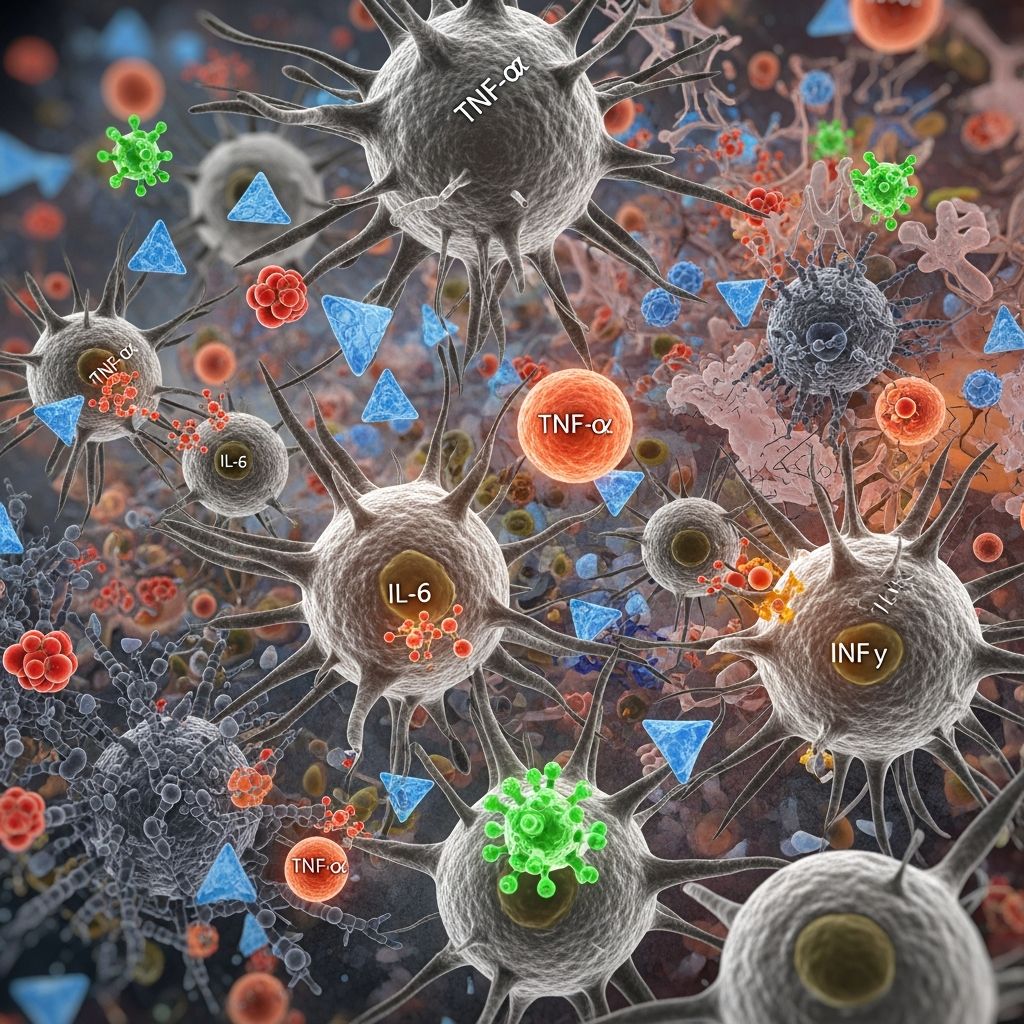
Macrophage activation syndrome is a severe immune system disorder characterized by excessive activation and uncontrolled proliferation of T lymphocytes and macrophages. In individuals with MAS, the immune system operates in overdrive, leading to uncontrolled inflammation throughout the body. This condition represents a subset of hemophagocytic lymphohistiocytosis (HLH), a broader category of life-threatening disorders.
The hallmark of MAS involves histiocytes (specialized immune cells) phagocytosing, or consuming, normal blood-forming elements in the bone marrow. This pathological process can extend beyond the bone marrow to infiltrate virtually any organ system in the body, causing widespread tissue damage and organ dysfunction. The resulting systemic inflammation can affect critical organs including the liver, spleen, heart, lungs, and central nervous system.
Who Develops Macrophage Activation Syndrome?
While MAS is most commonly associated with systemic juvenile idiopathic arthritis, it can develop in children with various autoimmune and rheumatic conditions. According to leading pediatric rheumatologists, approximately 10 percent of children with SJIA will develop full-blown MAS, typically when their underlying disease is most active. For some children, MAS symptoms may actually be the first clinical presentation that prompts investigation and diagnosis of SJIA itself.
Beyond SJIA, MAS has been documented in children and adults with:
- Adult-onset Still’s disease (AOSD)
- Systemic lupus erythematosus (SLE)
- Kawasaki disease
- Juvenile dermatomyositis (JDM)
- Rheumatoid arthritis (RA)
- Sjögren’s syndrome
Clinical Presentation and Symptoms
The clinical features of MAS develop rapidly and can be severe. The condition presents with a distinctive constellation of symptoms that often mirror severe sepsis or acute disease flares, making early diagnosis challenging. Healthcare providers must maintain high clinical suspicion to distinguish MAS from other serious conditions with overlapping presentations.
Primary Symptoms
The most characteristic symptom of MAS is a persistent, high-grade fever that differs notably from the fever patterns seen in active SJIA. While children with SJIA typically experience intermittent daily fevers that spike and resolve, MAS is marked by an unremitting fever that remains constant. This change in fever pattern serves as an important clinical clue for distinguishing MAS from a simple disease flare.
Additional primary symptoms include:
- Persistent fatigue and low energy levels
- Headaches and mental status changes
- Confusion or “brain fog”
- Seizures
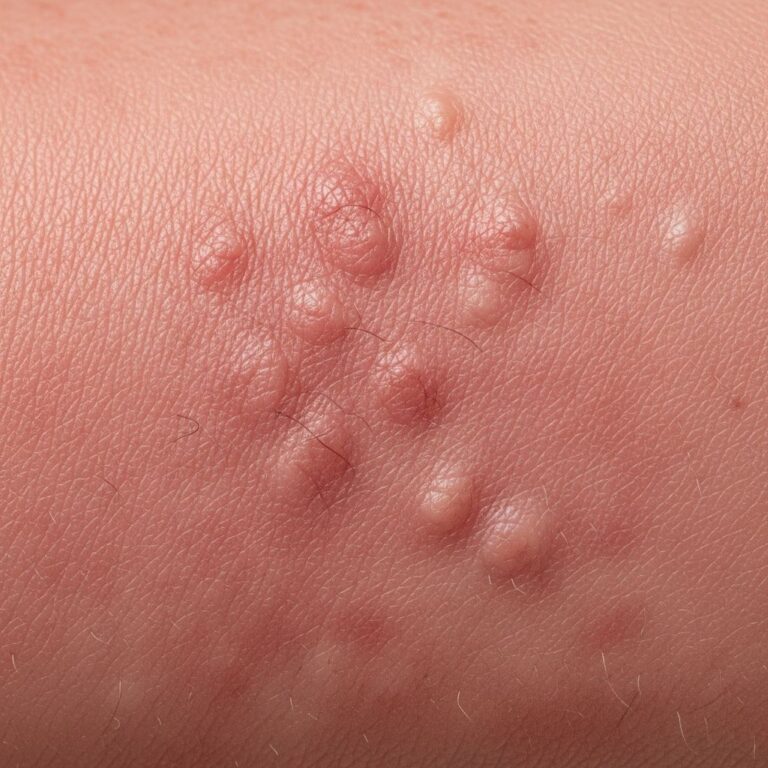
- Generalized rash that remains constant (unlike the transient rashes of SJIA)
- Enlargement of lymph nodes (lymphadenopathy)
- Enlarged liver and spleen (hepatosplenomegaly)
Severe Manifestations
As MAS progresses, more serious symptoms develop:
- Hemorrhagic manifestations including nosebleeds, easy bruising, vomiting blood, and gastrointestinal bleeding
- Bleeding and clotting problems (coagulopathy)
- Low blood pressure and rapid heart rate
- Central nervous system dysfunction, including seizures and coma
- Shock
- Multiple organ dysfunction
Laboratory Findings and Diagnosis
Diagnosis of MAS requires a combination of clinical suspicion and laboratory abnormalities. The laboratory findings in MAS are distinctive and help differentiate the condition from other serious illnesses. Early recognition of these laboratory changes is crucial for improving patient outcomes, as delayed diagnosis is associated with worse prognosis.
Related Stories



Key Laboratory Abnormalities
Characteristic laboratory findings in MAS include:
- Pancytopenia: Decreased levels of all three major blood cell lines, reflected in low complete blood counts (CBC)
- Low hemoglobin and red blood cells
- Low white blood cells
- Low platelets (thrombocytopenia)
- Elevated inflammatory markers:
- High ferritin levels (hyperferritinemia)
- Elevated C-reactive protein (CRP)
- Liver dysfunction:
- Elevated AST, ALT, GGT, and LDH
- Coagulopathy markers:
- Low fibrinogen (hypofibrinogenemia)
- Elevated D-dimer
- Evidence of disseminated intravascular coagulation (DIC)
- Elevated triglycerides (hypertriglyceridemia)
Paradoxical ESR Finding
One unusual laboratory finding in MAS is a paradoxically depressed erythrocyte sedimentation rate (ESR) despite marked systemic inflammation. This occurs because of the severely low fibrinogen levels present in MAS. This finding helps distinguish MAS from active SJIA, where the ESR is typically elevated in proportion to the degree of inflammation.
Causes and Triggers
The exact mechanisms underlying MAS remain an area of active research. The condition results from an imbalance in immune system regulation, leading to uninterrupted hyperstimulation of immune cells. In MAS, there is uncontrolled activation and proliferation of macrophages and T lymphocytes, accompanied by a marked increase in circulating cytokines such as interferon-gamma (IFN-gamma) and granulocyte-macrophage colony-stimulating factor (GM-CSF).
Identified Risk Factors and Triggers
In many cases of MAS, a specific trigger can be identified, though some cases develop without an apparent precipitating factor. Common triggers include:
- Viral infections
- Medication exposure
- Active disease flares
- CAR-T cell therapy
Additionally, research has identified that many patients with MAS have decreased natural killer (NK) cell function, which may contribute to the loss of immune regulation. This impaired NK cell activity may compromise the body’s ability to control abnormal immune cell proliferation.
Distinguishing MAS from Other Conditions
Diagnosing MAS can be challenging because its clinical presentation overlaps significantly with active SJIA, severe sepsis, and other serious conditions. However, several key features help differentiate MAS from these similar conditions:
| Feature | MAS | Active SJIA |
|---|---|---|
| Fever Pattern | High, unremitting (constant) | Intermittent daily fevers that spike and resolve |
| Rash | Constant, generalized | Transient, appears with fever spikes |
| Hemorrhagic Manifestations | Present (nosebleeds, bruising, bleeding) | Absent |
| Central Nervous System Involvement | Common (seizures, coma, mental status changes) | Uncommon |
| Erythrocyte Sedimentation Rate (ESR) | Paradoxically low despite inflammation | Elevated proportional to inflammation |
Prognosis and Mortality
MAS is a life-threatening condition with serious consequences if not recognized and treated promptly. The mortality rate for MAS reaches 20-30% depending on the underlying rheumatic disease and the timing of diagnosis and treatment. Early recognition is critical, as delayed diagnosis and treatment initiation significantly worsen outcomes and increase morbidity and mortality rates.
The severity of MAS and its rapid progression emphasize the importance of maintaining clinical vigilance in children with SJIA and other rheumatic diseases. Any significant change in clinical presentation, particularly a shift from intermittent to constant fever, should prompt immediate evaluation for MAS.
Complications and Organ Involvement
The massive systemic inflammation characteristic of MAS can lead to dysfunction in multiple organ systems. The three cardinal features of MAS—cytopenias, liver dysfunction, and coagulopathy—represent the most serious consequences of this uncontrolled immune activation.
Potential organ systems affected by MAS include:
- Bone marrow (impaired blood cell production)
- Liver (hepatic dysfunction)
- Spleen (splenic enlargement and dysfunction)
- Central nervous system (seizures, encephalopathy, coma)
- Heart (cardiovascular instability)
- Lungs (respiratory compromise)
- Kidneys (renal dysfunction)
- Gastrointestinal system (bleeding)
Frequently Asked Questions
Q: How common is macrophage activation syndrome?
A: MAS occurs in approximately 10 percent of children with systemic juvenile idiopathic arthritis, making it relatively uncommon but a significant concern in this patient population. It is even rarer in other rheumatic diseases, though it can occur.
Q: Can MAS be prevented?
A: While there is no proven prevention strategy, prompt recognition and treatment of underlying rheumatic diseases may help reduce the risk. Avoiding identified triggers, when possible, and maintaining regular medical supervision are important preventive measures.
Q: How quickly does MAS develop?
A: MAS can develop rapidly, with symptoms progressing from initial fever and malaise to severe, life-threatening complications within days. This rapid progression underscores the importance of early recognition and immediate medical intervention.
Q: What happens if MAS goes undiagnosed?
A: Undiagnosed or delayed diagnosis of MAS significantly increases the risk of severe complications, organ failure, and death. The condition can rapidly progress to multiple organ dysfunction and shock if not treated promptly.
Q: Are there long-term effects of surviving MAS?
A: Children who survive MAS may experience lasting effects depending on which organs were affected and the severity of damage sustained during the acute phase. Long-term follow-up care is important for monitoring recovery and managing any residual complications.
Q: Should parents be concerned if their child with SJIA develops a high fever?
A: Parents should seek immediate medical evaluation if a child with SJIA develops a persistent, unremitting high fever (especially if it differs from their usual fever pattern), combined with symptoms such as easy bruising, confusion, or unusual fatigue. These could indicate MAS development.
References
- Macrophage Activation Syndrome (MAS) – AboutKidsHealth — SickKids. Accessed January 2026. https://www.aboutkidshealth.ca/macrophage-activation-syndrome-mas
- Macrophage Activation Syndrome – Pediatrics — Merck Manuals. Accessed January 2026. https://www.merckmanuals.com/professional/pediatrics/rheumatologic-disorders-in-children/macrophage-activation-syndrome
- Macrophage Activation Syndrome — National Organization for Rare Disorders (NORD). Accessed January 2026. https://rarediseases.org/mondo-disease/macrophage-activation-syndrome/
- Macrophage Activation Syndrome: Early Diagnosis is Key — PubMed Central. 2018. https://pmc.ncbi.nlm.nih.gov/articles/PMC6124446/
- Heterogeneity of Macrophage Activation Syndrome and Treatment — Frontiers in Immunology. 2024. https://www.frontiersin.org/journals/immunology/articles/10.3389/fimmu.2024.1389710/full
- Macrophage Activation Syndrome — The Rheumatologist. Accessed January 2026. https://www.the-rheumatologist.org/article/macrophage-activation-syndrome/
- Understanding Macrophage Activation Syndrome — American College of Rheumatology. Accessed January 2026. https://www.arthritis.org/health-wellness/about-arthritis/related-conditions/other-diseases/understanding-macrophage-activation-syndrome
Similar Articles








Read full bio of medha deb