Male Circumcision: 3 Newborn Techniques, Benefits, And Risks
Explore the essentials of male circumcision: from newborn procedures to adult options, weighing benefits, risks, and recovery for informed decisions.
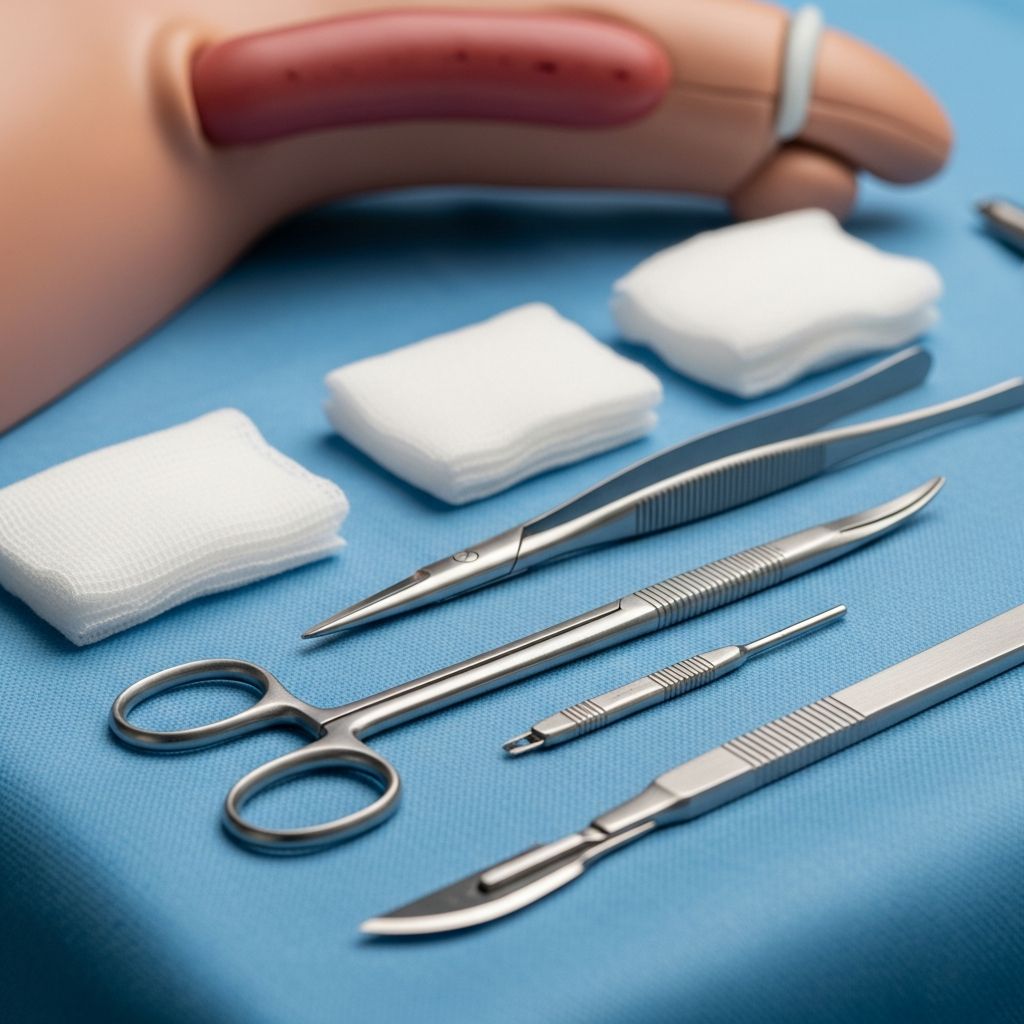
Male circumcision is a surgical intervention that removes the foreskin, the retractable fold of skin covering the glans of the penis. Performed worldwide for medical, cultural, or religious reasons, it is one of the most common procedures globally, especially in newborns.
What Does Circumcision Entail?
The foreskin serves as a protective layer over the sensitive glans during early development. In circumcision, this tissue is precisely excised to expose the glans permanently. The procedure varies by age: in newborns, it typically lasts 5-15 minutes under local anesthesia, while older children or adults may require general anesthesia and stitches.
Key steps generally include cleaning the area, numbing the penis, freeing the foreskin from the glans, applying a protective device, and cutting away excess tissue. Healing in infants occurs within a week, but adults may need 4-6 weeks for full recovery.
Common Techniques for Newborn Circumcision
Newborn circumcision prioritizes safety and speed. Three primary devices dominate: Mogen clamp, Gomco clamp, and Plastibell. Each crushes and severs the foreskin while shielding the glans.
| Technique | Description | Advantages | Potential Drawbacks |
|---|---|---|---|
| Mogen Clamp | A shield-like clamp compresses the foreskin dorsally; incision follows after hemostasis. | Quick; minimal equipment needed. | Risk of glans injury if misaligned. |
| Gomco Clamp | Bell placed over glans, foreskin pulled over and clamped; sliced after securing. | Precise fit; good hemostasis. | Challenging in small penises. |
| Plastibell | Plastic ring inserted under foreskin, tied with suture; ring falls off as tissue necrotizes. | Low bleeding; self-removal. | Risk of ring retention or migration. |
Physician familiarity dictates device choice, as all yield comparable outcomes when executed properly.
Circumcision in Older Children and Adults
For adolescents or adults, the process is more involved due to larger anatomy and adhesions. Local or general anesthesia numbs the site. The foreskin is slit dorsally, retracted, and excised with cautery for bleeding control. Dissolvable stitches close the wound, healing in 2-4 weeks.
Devices like Shang Ring or Unicirc offer clamp-free alternatives for adults, minimizing sutures. Post-op care includes petroleum jelly to prevent sticking and daily cleaning.
Medical Benefits of Circumcision
Evidence supports several health advantages, particularly when done neonatally. Circumcised males face a 10-fold lower risk of urinary tract infections (UTIs) in infancy.
- STI Reduction: Lower HIV acquisition by 50-60% in high-risk areas; decreased HPV and herpes transmission.
- Hygiene and Phimosis Prevention: Easier cleaning reduces balanitis; prevents tight foreskin issues.
- Cancer Risk: Reduced penile cancer incidence; lower cervical cancer risk in partners.
The World Health Organization endorses voluntary medical male circumcision in HIV-prevalent regions.
Potential Risks and Complications
Though safe (complication rate <1% in newborns), risks exist. Immediate issues include bleeding, infection, or excess skin removal. Rare severe events: penile injury or amputation (<0.1%).
- Short-term: Swelling, adhesions, meatal stenosis.
- Long-term: Reduced sensitivity (debated); cosmetic dissatisfaction.
Proper technique and analgesia mitigate most problems. Pain management uses lidocaine or sucrose pacifiers for infants.
Related Stories



Pain Management During the Procedure
Infants feel pain, evidenced by heart rate spikes and cries. Local blocks (dorsal penile nerve) or creams like EMLA are standard. Newborns may receive sucrose-dipped pacifiers for comfort. Older patients get ring blocks or general anesthesia.
Aftercare and Recovery Guidelines
Post-circumcision care ensures smooth healing. Apply petroleum jelly to prevent diaper adhesion; clean with warm water, avoiding alcohol.
- Monitor for excessive bleeding or pus.
- Bathe daily; pat dry gently.
- Avoid tub baths until healed (7-10 days).
- Acetaminophen for discomfort.
Plastibell rings slough off in 5-8 days; notify if retained beyond 10 days.
Cultural and Religious Perspectives
Beyond medicine, circumcision holds deep significance. In Judaism, it’s a covenant ritual on the eighth day (brit milah). Islam recommends it before puberty. In the U.S., rates hover at 58%, influenced by culture.
Parents weigh personal beliefs alongside health data when deciding.
Making an Informed Decision
No universal right choice exists. Discuss with pediatricians: review family history, review risks/benefits. Neonatal timing offers lower complications and cost.
Alternatives like stretching for phimosis exist, but circumcision provides definitive treatment.
Frequently Asked Questions (FAQs)
Is circumcision painful for newborns?
Yes, but local anesthesia and sucrose effectively manage pain.
How soon after birth can it be done?
After 24 hours, ideally day 2; stable infants qualify.
Does circumcision affect fertility or sex life?
No impact on fertility; sensitivity varies individually.
Can it be reversed?
Non-surgical restoration stretches remaining skin; surgical options exist but don’t fully regenerate foreskin.
What if complications arise?
Contact a doctor for bleeding, fever, or poor healing.
Circumcision remains a personal choice blending health evidence, tradition, and values. Consult trusted providers for tailored advice.
References
- Circumcision – StatPearls — NCBI Bookshelf. 2023-07-17. https://www.ncbi.nlm.nih.gov/books/NBK535436/
- Circumcision Procedures in Bend, OR — Oregon Men’s Health. 2023. https://oregonmenshealth.com/procedures/cirucumcision-procedure/
- Circumcision — MedlinePlus. 2023-11-01. https://medlineplus.gov/ency/article/002998.htm
- Newborn Circumcision Techniques — AAFP. 2020-06-01. https://www.aafp.org/pubs/afp/issues/2020/0601/p680.html
- Newborn Male Circumcision — ACOG. 2023. https://www.acog.org/womens-health/faqs/newborn-male-circumcision
- Circumcision: Procedure, Benefits, Risks & Recovery — Cleveland Clinic. 2023-08-15. https://my.clevelandclinic.org/health/procedures/circumcision
Similar Articles








Read full bio of Sneha Tete