Mastitis: A Comprehensive Guide To Symptoms And Treatment
Comprehensive guide to recognizing, treating, and preventing breast inflammation in breastfeeding and beyond.
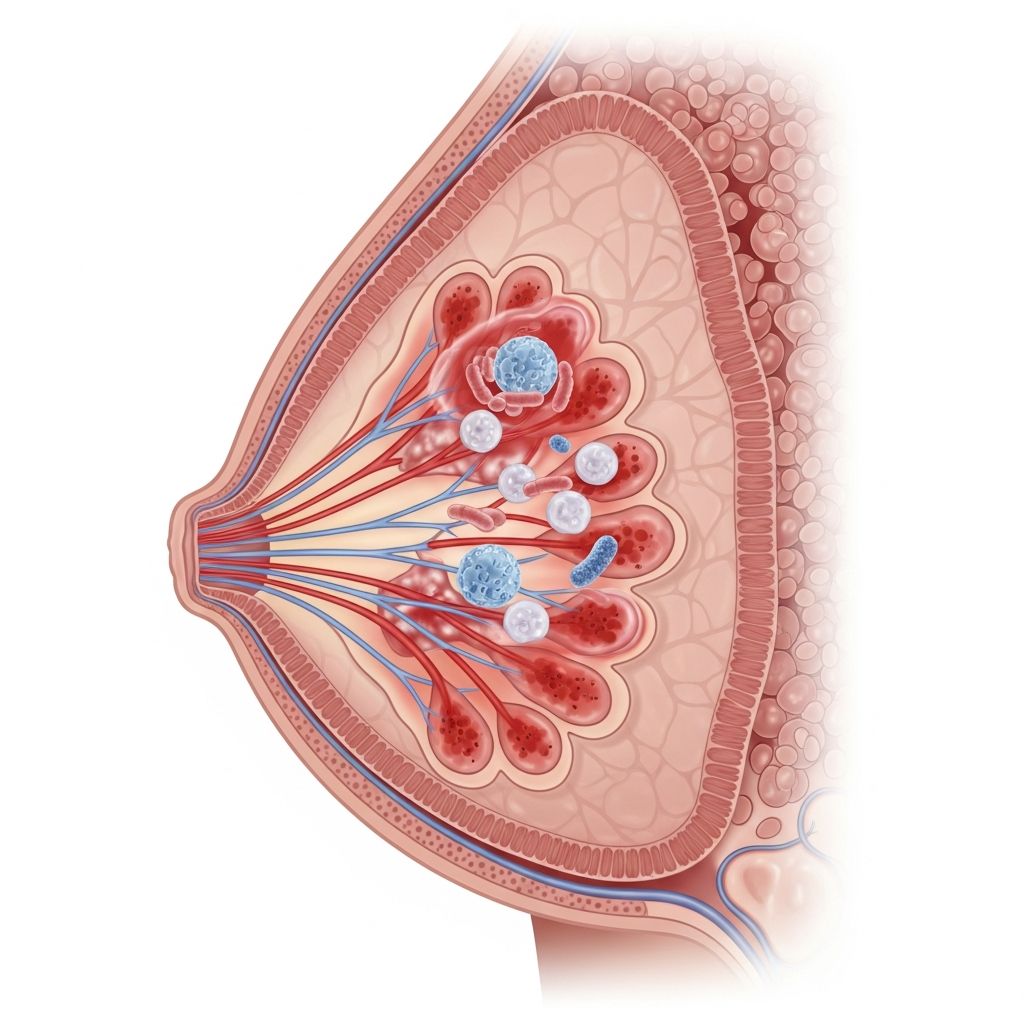
Mastitis represents a significant health concern primarily affecting breastfeeding individuals, characterized by breast tissue inflammation often linked to milk stasis or infection. This condition demands prompt attention to alleviate discomfort and prevent complications like abscesses.
Defining Mastitis and Its Core Characteristics
Mastitis involves inflammation of the mammary gland, manifesting as pain, swelling, redness, and warmth in the breast. It predominantly occurs in lactating women due to factors like blocked ducts or bacterial entry through cracked nipples, but non-lactating cases also arise from other inflammatory processes. Early recognition is crucial as it impacts breastfeeding continuation and maternal well-being.
Primary Types of Mastitis Encountered
Mastitis spans a spectrum from non-infectious inflammation to bacterial involvement. Key variants include:
- Lactational Mastitis: Common in early postpartum weeks, driven by milk buildup and potential bacterial invasion.
- Inflammatory Mastitis: Features swelling and pain without confirmed infection, often from hyperlactation.
- Bacterial Mastitis: Progresses when microbes disrupt the breast’s natural microbiome.
- Non-Lactational Forms: Such as periductal mastitis or idiopathic granulomatous mastitis, affecting non-breastfeeding individuals with distinct presentations like abscesses or chronic masses.
Unraveling the Underlying Mechanisms
The development of mastitis often begins with ductal obstruction from edema or hyperemia, leading to milk stasis. This creates an ideal setting for inflammation, exacerbated by oversupply or poor drainage. In bacterial cases, pathogens enter via nipple fissures, triggering a robust immune response with potential systemic effects like fever. Non-infectious types involve stromal edema without microbial presence, highlighting the spectrum’s complexity.
| Type | Main Triggers | Progression Risk |
|---|---|---|
| Lactational | Milk stasis, nipple damage | Abscess formation |
| Inflammatory | Hyperlactation, ductal narrowing | Bacterial escalation |
| Bacterial | Microbial invasion | Phlegmon or sepsis |
| Granulomatous | Autoimmune factors | Chronic fistulas |
Recognizing Warning Signs and Symptoms
Symptoms vary by type but commonly include focal breast tenderness, erythema, and edema. Lactational cases often present with flu-like symptoms: chills, myalgias, tachycardia, and fever exceeding 38°C. A wedge-shaped swollen area or red streaks signal advancement. Non-lactational mastitis may show periareolar masses, discharge, or nipple inversion, persisting as chronic lumps in subacute phases.
- Localized: Painful, warm, red patch on breast.
- Systemic: Fever, fatigue, rapid heartbeat.
- Advanced: Abscess (pus collection) or draining sinuses.
Diagnostic Approaches for Accurate Identification
Diagnosis relies on clinical history and exam, distinguishing mastitis from engorgement or malignancy. Persistent symptoms beyond 24 hours warrant evaluation. Ultrasound detects abscesses or fluid collections, while milk cultures identify resistant bacteria post-antibiotics. Biopsy is essential for non-lactational types to exclude cancer, revealing granulomas or plasma cell infiltrates.
Effective Management and Treatment Strategies
Treatment prioritizes symptom relief and inflammation resolution. For lactational mastitis, continue breastfeeding or pumping to drain milk, alongside rest, hydration, and cold compresses. Antibiotics like dicloxacillin target staphylococci for 10-14 days if infection is suspected. Severe cases with abscesses require drainage via ultrasound guidance.
Non-lactational management may involve steroids, immunosuppressants, or surgery for refractory granulomatous forms. Hospitalization is reserved for dehydration or sepsis.
Home Care Essentials
- Frequent nursing/pumping every 2-3 hours.
- Warm compresses pre-feeding, cold after.
- Anti-inflammatory meds like ibuprofen.
- Adequate fluids and nutrition.
Prevention Tactics for Breastfeeding Success
Proactive steps reduce incidence: ensure proper latch to avoid cracks, vary feeding positions, and massage gently. Address oversupply through block feeding. Hygiene, supportive bras, and early plugged duct treatment are vital. Recurrent cases benefit from milk cultures and microbiome support.
Related Stories



Potential Complications and When to Escalate Care
Untreated mastitis risks abscesses (needing incision), phlegmon (diffuse infection), or early weaning. Recurrent episodes signal underlying issues like dysbiosis. Seek immediate care for high fever, pus, or non-response to 48 hours of therapy.
Special Considerations for Different Populations
While lactational mastitis peaks in the first month postpartum, non-lactating women face periductal risks from smoking or autoimmunity. Infants rarely develop it, but maternal treatment ensures safe breastfeeding continuation.
Frequently Asked Questions (FAQs)
Can I continue breastfeeding with mastitis?
Yes, frequent draining is recommended and therapeutic; antibiotics are safe for most infants.
How long do antibiotics take to work?
Improvement typically occurs within 48-72 hours; complete the full course to prevent resistance.
Is mastitis only for new mothers?
No, it affects non-lactating individuals too, often with chronic features.
What if symptoms persist after treatment?
Re-evaluate for abscess or resistance via ultrasound and culture.
Does mastitis increase breast cancer risk?
No direct link, but biopsy rules out malignancy in suspicious cases.
Long-Term Outlook and Recovery Tips
Most resolve fully with timely intervention, supporting prolonged breastfeeding. Monitor for recurrence, addressing root causes like latch issues. Support groups aid emotional recovery.
References
- Acute Mastitis – StatPearls — NCBI Bookshelf, NIH. 2023-10-01. https://www.ncbi.nlm.nih.gov/books/NBK557782/
- Mastitis: Updated Guidance — Minnesota Department of Health. 2023-01-15. https://www.health.state.mn.us/docs/people/wic/localagency/topicmonth/mastitis.pdf
- ABM Clinical Protocol #36: The Mastitis Spectrum — Academy of Breastfeeding Medicine. 2022-11-01. https://www.bfmed.org/assets/ABM%20Protocol%20%2336.pdf
- Mastitis — University of Rochester Medical Center. 2024-05-20. https://www.urmc.rochester.edu/encyclopedia/content?ContentTypeID=85&ContentID=P01215
- Mastitis – Gynecology and Obstetrics — Merck Manuals Professional Edition. 2025-01-10. https://www.merckmanuals.com/professional/gynecology-and-obstetrics/postpartum-care-and-associated-disorders/mastitis
- Mastitis in Breastfeeding — Academy of Breastfeeding Medicine. 2023-08-15. https://abm.memberclicks.net/assets/PatientHandouts/English_ABM_Mastitis%20Handout_Protected.pdf
- Mastitis – Diagnosis and Treatment — Mayo Clinic. 2024-12-05. https://www.mayoclinic.org/diseases-conditions/mastitis/diagnosis-treatment/drc-20374834
Similar Articles








Read full bio of Sneha Tete