ME/CFS Comprehensive Guide: Symptoms, Diagnosis, Management
Explore the complexities of Myalgic Encephalomyelitis/Chronic Fatigue Syndrome, from hallmark symptoms to management strategies for better living.
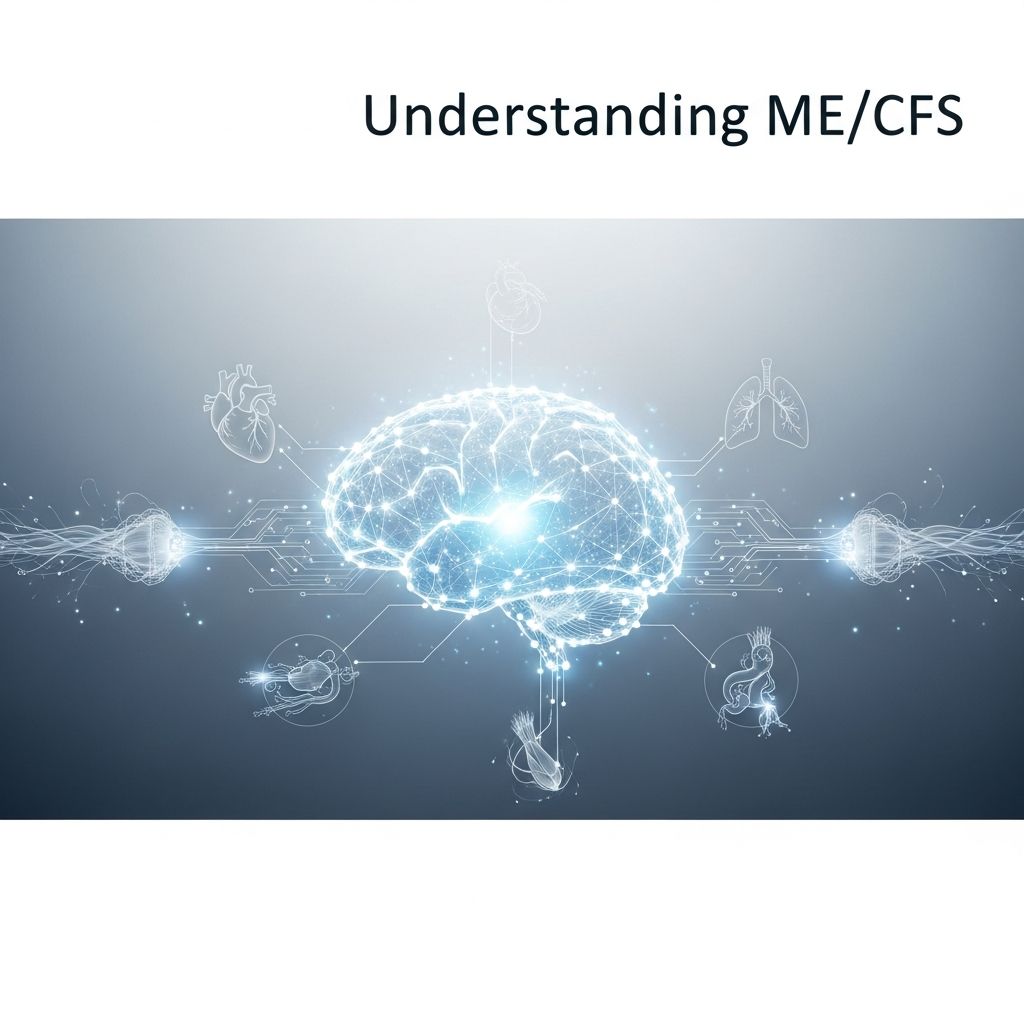
Myalgic Encephalomyelitis/Chronic Fatigue Syndrome (ME/CFS) is a debilitating condition characterized by extreme fatigue and a range of symptoms that significantly impair daily functioning. It affects millions worldwide, with no single diagnostic test available, making early recognition crucial.
Recognizing the Hallmark Signs
The core features of ME/CFS revolve around profound exhaustion that doesn’t resolve with rest and worsens after minimal exertion. Patients often describe a dramatic drop in their capacity for everyday tasks, lasting at least six months.
- Profound Fatigue: A substantial reduction in activity tolerance, unrelated to prior exertion levels and unresponsive to sleep.
- Post-Exertional Malaise (PEM): The defining symptom, where even light physical or cognitive efforts trigger a severe symptom flare-up, often delayed by 12-48 hours and lasting days or weeks.
PEM creates a vicious cycle: individuals may push through activities, only to ‘crash’ with intensified fatigue, cognitive issues, pain, or flu-like symptoms.
Essential Diagnostic Symptoms
Beyond the primaries, diagnosis per 2015 Institute of Medicine criteria requires at least one additional key symptom alongside substantial activity limitation and PEM.
| Symptom Category | Description | Frequency Requirement |
|---|---|---|
| Cognitive Impairment | Challenges with memory, concentration, and processing speed, commonly termed ‘brain fog’. | Present at least half the time with moderate to severe intensity. |
| Orthostatic Intolerance | Symptoms like dizziness, lightheadedness, or cognitive worsening when upright, alleviated by lying down. |
Accompanying Challenges
ME/CFS manifests variably, with many experiencing secondary issues that compound the burden.
- Muscle and joint aches without inflammation.
- Unrefreshing sleep, leading to persistent exhaustion despite rest.
- Headaches of new patterns or severity.
- Sore throats or tender lymph nodes.
- Sensitivities to light, sound, odors, or foods.
- Shortness of breath, irregular heartbeat, chills, or night sweats.
These symptoms fluctuate, complicating life planning and often mimicking other illnesses.
Unraveling the Causes
The etiology of ME/CFS remains elusive, with experts positing multifactorial triggers. Viral infections frequently precede onset, alongside genetic predispositions, immune dysregulation, or metabolic changes.
No definitive cause is identified, but patterns include post-infectious states, hormonal imbalances, and energy production deficits in cells.
Navigating Diagnosis
Without a biomarker test, diagnosis hinges on clinical evaluation: ruling out mimics via history, exams, and labs.
Healthcare providers assess for the core triad—fatigue, PEM, and either cognitive or orthostatic issues—while excluding conditions like thyroid disorders, anemia, or sleep apnea.
- Blood tests: CBC, metabolic panel, thyroid function.
- Urine analysis and inflammatory markers.
- Consider creatine kinase for muscle complaints or advanced imaging if neurological signs present.
Early specialist referral aids accuracy, especially post-viral cases resembling long COVID.
Tailored Management Approaches
Treatment emphasizes symptom relief and pacing, as no cure exists. Strategies focus on avoiding PEM through activity management.
Pacing and Energy Conservation
Related Stories



Core to management: divide tasks into manageable segments, incorporating rest to stay below PEM thresholds. Tools like heart rate monitors help gauge exertion limits.
Sleep Optimization
Address unrefreshing sleep with consistent routines, cognitive behavioral therapy for insomnia (CBT-I), or low-dose medications under supervision.
Pain and Cognitive Support
Over-the-counter analgesics for pain; mindfulness or medications for brain fog. Orthostatic issues may benefit from hydration, compression garments, or medications like fludrocortisone.
| Symptom | Management Strategy |
|---|---|
| PEM | Pacing, rest protocols. |
| Brain Fog | Cognitive exercises, reduced stimulation. |
| Pain | NSAIDs, physical therapy. |
| Sleep Issues | Sleep hygiene, CBT-I. |
Lifestyle Adaptations for Daily Resilience
Beyond medical input, practical changes enhance quality of life. Prioritize nutrition with anti-inflammatory foods, gentle movement like yoga within limits, and strong support networks.
- Diet: Balanced meals, hydration to combat orthostatic symptoms.
- Exercise: Graded, supervised to avoid PEM—never ‘push through’.
- Mental Health: Counseling to cope with isolation and frustration.
Impact on Life and Relationships
ME/CFS profoundly affects work, social ties, and independence. Many face disability; accommodations like flexible hours or remote work prove vital. Family education reduces misunderstandings, fostering empathy amid unpredictable flares.
Research Horizons and Hope
Ongoing studies explore biomarkers, antivirals, and immune modulators. Patient-led initiatives and clinical trials offer promise for targeted therapies.
Frequently Asked Questions (FAQs)
What is the difference between ME/CFS fatigue and normal tiredness?
ME/CFS fatigue markedly reduces pre-illness activity levels, persists despite rest, and triggers PEM—unlike typical fatigue that resolves with sleep.
Can ME/CFS be cured?
No cure exists, but symptom management improves function for many. Focus remains on pacing and supportive care.
Is ME/CFS psychological?
No; it’s a biological illness with measurable physiological changes, not caused by deconditioning or stress alone.
How does PEM feel?
A delayed crash post-activity: flu-like worsening, cognitive shutdown, pain spikes lasting days.
Who gets ME/CFS?
Affects all ages, more women; often post-infection. No specific risk profile.
ME/CFS demands a holistic approach: informed self-management, medical partnership, and advocacy for awareness. While challenging, tailored strategies empower better days.
References
- Symptoms of Myalgic Encephalomyelitis/Chronic Fatigue Syndrome — Centers for Disease Control and Prevention (CDC). 2023. https://www.cdc.gov/me-cfs/signs-symptoms/index.html
- Myalgic encephalomyelitis/chronic fatigue syndrome (ME/CFS) — Mayo Clinic. 2023-10-02. https://www.mayoclinic.org/diseases-conditions/chronic-fatigue-syndrome/symptoms-causes/syc-20360490
- Myalgic encephalomyelitis or chronic fatigue syndrome (ME/CFS) — National Health Service (NHS). 2023. https://www.nhs.uk/conditions/chronic-fatigue-syndrome-cfs/
- IOM 2015 Diagnostic Criteria | ME/CFS — Centers for Disease Control and Prevention (CDC). 2023. https://www.cdc.gov/me-cfs/hcp/diagnosis/iom-2015-diagnostic-criteria-1.html
- The Basics: Diagnosing ME/CFS — Bateman Horne Center (YouTube). 2024-11-16. https://www.youtube.com/watch?v=8LXIXx7woCo
- TESTING RECOMMENDATIONS FOR SUSPECTED ME/CFS — US ME/CFS Clinician Coalition. 2021-02-20. https://mecfscliniciancoalition.org/wp-content/uploads/2021/05/MECFS-Clinician-Coalition-Testing-Recs-V1.pdf
Similar Articles








Read full bio of medha deb