Medicine Expiry Dates: What You Need To Know
Discover the truth about medicine expiry dates, safe storage practices, and when to safely discard outdated medications for optimal health.
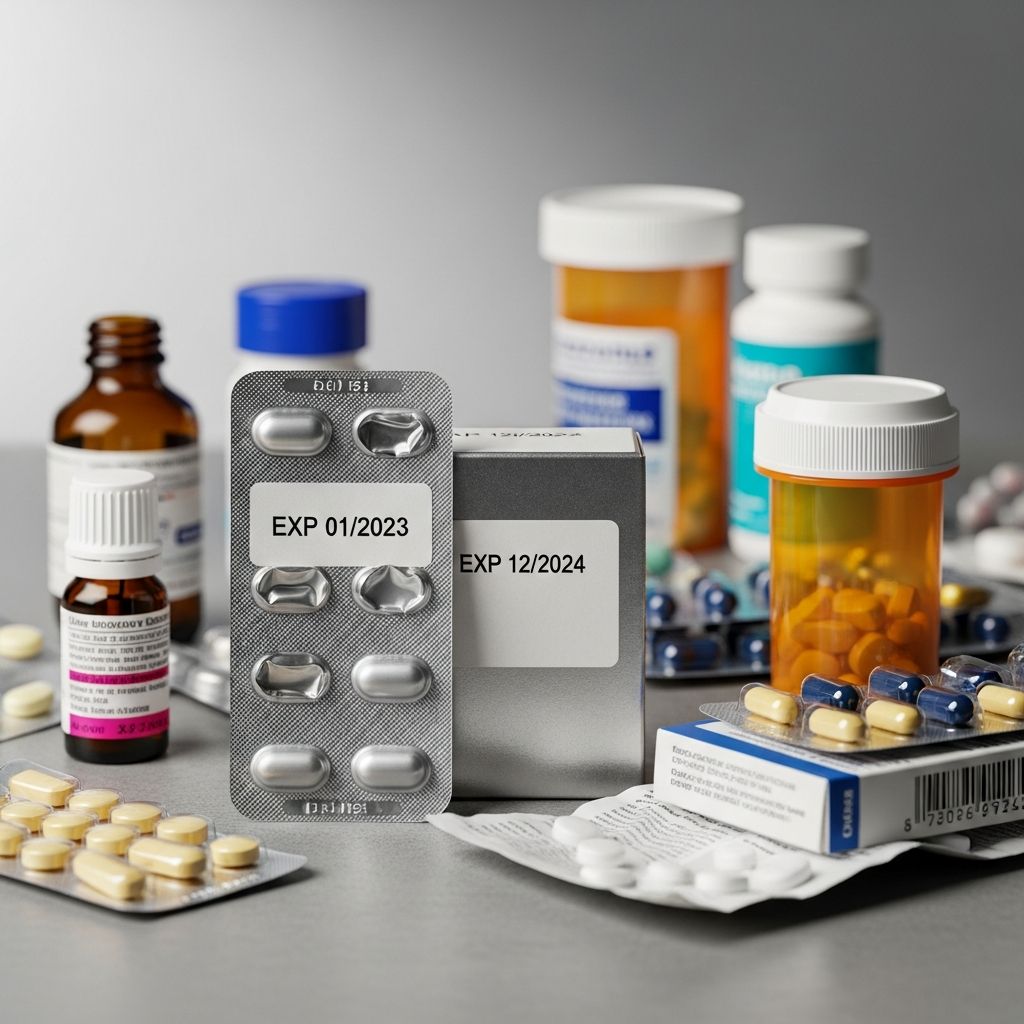
Medicine expiry dates mark the point when manufacturers guarantee full potency, safety, and quality under ideal storage conditions. Beyond this date, effectiveness may decline, though many drugs retain usability for years if stored properly.
What Expiry Dates Actually Indicate
These dates represent the last day a drug is assured to maintain its strength, purity, and quality as per stability testing required by regulators like the FDA. For over-the-counter products, the date is on the original packaging, signaling stability when stored correctly—away from heat, moisture, light, or improper temperatures.
Prescription medications dispensed by pharmacies carry a “beyond-use” date on the label, often one year from dispensing, reflecting the pharmacy’s guarantee of stability post-repackaging. Some, like antibiotic suspensions, have shorter periods, such as 14 days.
If listed as month/year (e.g., 08/23), it expires on the month’s final day. This system ensures consumers know when to discard to avoid subpotent or degraded products.
How Manufacturers Set These Dates
The FDA mandates stability data submission during drug approval, confirming the proposed date through rigorous testing under labeled conditions. This includes international standards from ICH guidelines for consistency.
Manufacturers can extend dates via additional testing protocols approved in their applications. During shortages, the FDA authorizes extensions based on supportive data, prioritizing public health.
The Science Behind Drug Stability Over Time
Studies like the FDA’s Shelf Life Extension Program (SLEP) for military stockpiles tested over 100 drugs, finding 88-90% retained potency for years beyond expiry—averaging 66 months extension, up to 278 months under ideal conditions.
Solid forms like tablets and capsules are most stable post-expiry. Liquids, suspensions, or injectables degrade faster, especially if requiring refrigeration; signs include cloudiness, precipitation, or color changes warrant immediate discard.
| Drug Form | Stability Post-Expiry | Examples |
|---|---|---|
| Solid (tablets/capsules) | High; often potent for years | Most oral meds |
| Liquid/suspension | Lower; potency drops quickly | Antibiotic suspensions |
| Injectables | Variable; check for changes | Some vaccines, insulin |
This table summarizes stability patterns from FDA and research data.
Do Expired Medicines Pose Real Dangers?
Generally, expired drugs do not become toxic, except rare cases like outdated tetracycline, which used obsolete processes. Modern manufacturing minimizes such risks.
Main concerns are reduced efficacy—critical for antibiotics, where subpotency risks treatment failure or resistance—and specific degradations, like aspirin forming irritating byproducts or EpiPens losing epinephrine bioavailability after 1-90 months.
The FDA warns against routine use of expired meds due to unverified potency and safety post-date.
Best Practices for Storing Medications
Proper storage preserves efficacy until expiry and beyond. Key threats: heat, moisture, air, light. Follow label instructions—refrigerate if specified, protect from freezing.
- Room temperature meds: Cool, dry place like a bedroom drawer; avoid bathrooms (humidity) or kitchens (heat).
- Light-sensitive: Original dark bottles or boxes.
- Refrigerated: Main compartment, not door; some freeze.
- Check regularly: Inspect for damage, odor, or appearance changes.
Pharmacists recommend consulting labels or experts for specifics.
Risks of Ignoring Expiry Dates
Using outdated meds risks inadequate treatment, especially for infections, heart conditions (e.g., nitroglycerin potency loss), or emergencies (e.g., epinephrine).
Related Stories



While SLEP data shows longevity, civilian storage rarely matches military ideals, amplifying degradation risks. Always prioritize fresh supplies for critical needs.
When Can You Extend or Reuse?
Non-critical solid meds stored perfectly may remain viable years later, per studies. However, FDA advises against it routinely. For shortages, official extensions apply.
Discard immediately: insulin, liquid antibiotics, nitroglycerin, cloudy solutions. Solids like pain relievers often safe longer, but verify.
Disposal Guidelines for Outdated Medications
Safe disposal prevents environmental harm and misuse. Do not flush unless specified; use drug take-back programs, pharmacies, or FDA methods: mix with unpalatable substance (coffee grounds), seal in bag, trash.
- Check local programs via community pharmacies or law enforcement.
- Avoid sewers to protect water supplies.
Regulatory Perspectives Worldwide
FDA standards influence global practices, with similar stability requirements. Programs like SLEP inspire calls for routine extensions via ongoing testing, potentially reducing waste.
In resource-limited areas, balanced approaches weigh access against safety, favoring proper storage for stable forms.
Frequently Asked Questions
Is it safe to take antibiotics past expiry?
No—liquids lose potency fast, risking resistance. Solids may work but consult a pharmacist.
What if no expiry date is printed?
Discard; U.S. law requires dates on commercial meds.
Can heat ruin meds before expiry?
Yes—extreme temperatures degrade regardless of date. Store properly.
Are generics’ dates reliable?
Yes, same FDA stability rules apply.
How to read pharmacy labels?
Look for “discard after” or “do not use after”—that’s the beyond-use date.
Empowering Safe Medication Management
Regular checks, proper storage, and heeding expiry dates ensure treatments work when needed. Consult professionals for doubts, minimizing risks while curbing waste through informed choices.
References
- Expired Medications – Are They Safe? — Atrius Health. 2023. https://www.atriushealth.org/healthy-living/blog/expired-medications
- Expiration Dates – Questions and Answers — FDA. 2023-08-13. https://www.fda.gov/drugs/pharmaceutical-quality-resources/expiration-dates-questions-and-answers
- Proper Medication Storage & Expiration Dates Explained — Enlyte. 2024. https://www.enlyte.com/insights/article/pharmacy-benefit-management/ask-pharmacist/medication-storage-expiration-dates-explained
- Drug expiry debate: the myth and the reality — PMC – NIH. 2020. https://pmc.ncbi.nlm.nih.gov/articles/PMC7040264/
- Don’t Be Tempted to Use Expired Medicines — FDA. 2023. https://www.fda.gov/drugs/special-features/dont-be-tempted-use-expired-medicines
- Expiration Dating and National Drug Code Rules — NCBI. 2023. https://www.ncbi.nlm.nih.gov/books/NBK570620/
Similar Articles








Read full bio of medha deb