Understanding Menstruation: A Complete Health Guide
Learn about menstrual cycles, phases, and how to manage your reproductive health effectively.
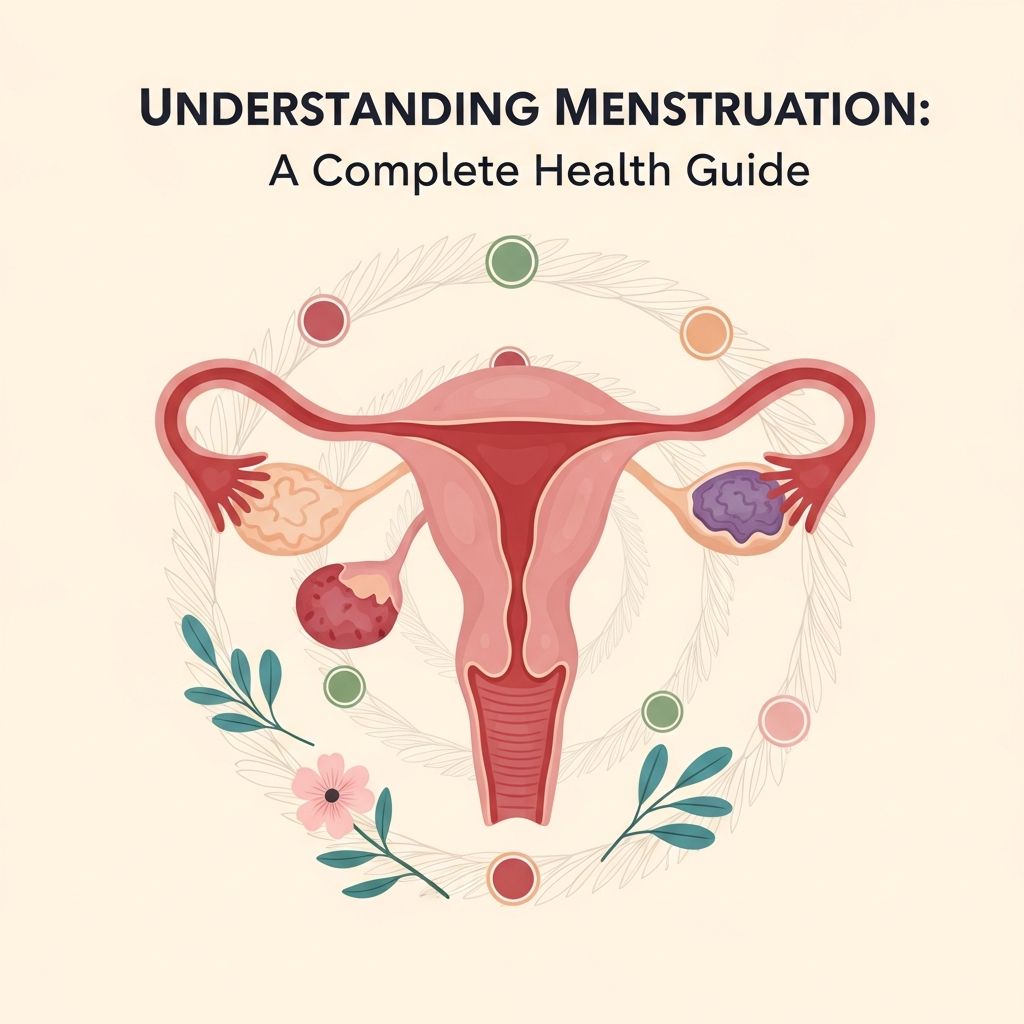
Menstruation is a fundamental biological process that occurs monthly in individuals with a reproductive system. The menstrual cycle represents the body’s monthly preparation for potential pregnancy, involving complex hormonal interactions and physical changes. Understanding this process empowers individuals to recognize what is normal for their body and identify when medical attention may be necessary.
What Is the Menstrual Cycle?
The menstrual cycle encompasses the entire monthly sequence of events occurring within your body as it prepares for the possibility of pregnancy. This cycle begins on the first day of menstruation and continues until the first day of the next period. Rather than a uniform experience, each person’s cycle follows a similar pattern but with individual variations in duration and intensity.
During a typical cycle, the ovaries release an egg through a process called ovulation. If that egg becomes fertilized by sperm, pregnancy may occur. If fertilization does not happen, the body sheds the uterine lining through menstruation. This biological rhythm typically repeats every 21 to 35 days, with bleeding lasting between 3 and 7 days.
Cycle Duration and What Constitutes Normal
Menstrual cycle lengths vary considerably among individuals. A typical cycle ranges from 21 to 35 days, though some sources indicate cycles can span 24 to 38 days. The bleeding phase itself—what most people refer to as their period—generally lasts between 3 and 7 days. Importantly, having a shorter period of 3 days is completely normal, as is experiencing the full 7-day duration.
When menstruation first begins, typically around age 12, cycles may be irregular or longer than they eventually become. It can take up to three years for newly menstruating individuals to establish regular patterns. Similarly, as individuals approach their 40s and 50s, cycle patterns may shift again.
The Two-Phase Structure of Your Cycle
One way to understand the menstrual cycle involves dividing it into two distinct phases, separated by ovulation:
- Follicular Phase (Pre-Ovulation): This phase extends from the first day of menstruation until ovulation occurs, typically spanning 10 to 14 days. During this time, the body increases estrogen production, causing the uterine lining to thicken in preparation for a potential pregnancy. The pituitary gland releases follicle-stimulating hormone, which prompts the ovaries to produce eggs.
- Luteal Phase (Post-Ovulation): Beginning after ovulation and lasting until the first day of menstruation, this phase typically extends 10 to 14 days. The luteinizing hormone triggers the ovaries to produce progesterone, which maintains the thickened uterine lining. If fertilization does not occur, progesterone levels drop, triggering the uterine lining to shed.
Breaking Down the Four Phases
Many health professionals prefer describing the menstrual cycle using four distinct phases, which provides more detailed insight into the body’s changing condition:
| Phase | Days | Duration | Key Characteristics |
|---|---|---|---|
| Menstruation | 1–7 | 4–7 days | Shedding of uterine lining; bleeding occurs |
| Follicular Phase | 1–13 | 10–14 days | Rising estrogen; follicle development; uterine lining thickens |
| Ovulation | 14 | 3–4 days | Egg release; luteinizing hormone surge; peak fertility |
| Luteal Phase | 15–28 | 10–14 days | Progesterone production; preparation for potential pregnancy or menstruation |
Menstruation Phase
The menstrual phase marks the beginning of the cycle and typically spans days 1 through 5. During this time, the body sheds the uterine lining that was built up during the previous cycle. This shedding results in bleeding, which is a mixture of blood and tissue from the inside of the uterus. The blood flows from the uterus through the cervix and out of the body via the vagina.
Related Stories



Follicular Phase
Following menstruation, the follicular phase begins and continues until ovulation. During this phase, the pituitary gland releases follicle-stimulating hormone, which causes the ovaries to develop follicles containing eggs. Simultaneously, the ovaries increase estrogen production. This rising estrogen signals the uterus to begin rebuilding its lining, thickening it to prepare for potential pregnancy.
Ovulation Phase
Ovulation represents a critical turning point in the menstrual cycle. A surge in luteinizing hormone triggers the ovaries to release a mature egg. The egg enters the fallopian tube, where it travels toward the uterus while remaining viable for fertilization for approximately 12 to 24 hours. This ovulation window represents the most fertile period of the cycle.
Luteal Phase
After ovulation, the luteal phase begins and continues until menstruation starts. The empty follicle transforms into the corpus luteum, which produces progesterone. This hormone maintains the thickened uterine lining, keeping it ready for a fertilized egg to implant. If the egg is fertilized, it implants into this prepared lining and pregnancy develops. If no fertilization occurs, progesterone levels decline, signaling the body to shed the uterine lining and begin the menstrual cycle anew.
Hormonal Regulation of the Cycle
The menstrual cycle operates through a sophisticated system of hormonal communication. Several key hormones orchestrate the sequence of events:
- Gonadotropin-Releasing Hormone (GnRH): Released by the hypothalamus, this hormone initiates the hormonal cascade that drives the entire menstrual cycle.
- Follicle-Stimulating Hormone (FSH): Produced by the pituitary gland, FSH stimulates the development of follicles in the ovaries and promotes estrogen production.
- Luteinizing Hormone (LH): This pituitary hormone triggers ovulation and promotes progesterone production after ovulation.
- Estrogen: Produced primarily by the ovaries, estrogen levels rise during the follicular phase and peak just before ovulation. This hormone stimulates uterine lining growth and plays a role in fertility.
- Progesterone: Released after ovulation by the corpus luteum, progesterone maintains the uterine lining and prevents additional egg release.
These hormones work through feedback mechanisms—when estrogen reaches a certain threshold, it triggers the luteinizing hormone surge that causes ovulation. Conversely, when progesterone levels drop, it signals the uterus to begin shedding its lining.
Physical and Emotional Symptoms
The hormonal fluctuations throughout the menstrual cycle can produce various physical and emotional symptoms. Some individuals experience multiple symptoms while others may notice few changes. Common symptoms include:
- Pelvic cramps—the result of uterine contractions as it sheds its lining
- Breast tenderness or swelling
- Bloating or water retention
- Mood changes or emotional sensitivity
- Fatigue or changes in energy levels
- Changes in appetite
- Headaches
The intensity and combination of symptoms vary significantly between individuals and may even differ from cycle to cycle in the same person.
Tracking Your Menstrual Cycle
Monitoring your menstrual cycle provides valuable information about your reproductive health and helps identify patterns unique to your body. Tracking enables you to recognize what is normal for you and notice when changes occur that warrant medical attention.
What to Record
When tracking your menstrual cycle, document the following information:
- Start Date: Note the first day of your period each month to establish the overall cycle length.
- End Date: Record when your bleeding stops to determine how long your period typically lasts.
- Flow Heaviness: Track whether your bleeding is light, moderate, or heavy. Note how frequently you need to change your menstrual product and whether you pass blood clots.
- Ovulation Signs: Some people notice changes in cervical mucus consistency or slight temperature elevation around ovulation.
- Physical Symptoms: Document any cramping, breast tenderness, bloating, or other physical changes.
- Emotional Changes: Record any mood variations, anxiety, or emotional shifts throughout your cycle.
Tracking Methods
Various approaches work effectively for cycle tracking:
- Traditional calendar or diary
- Online tracking tools or websites
- Mobile applications designed specifically for menstrual cycle tracking
- Simple spreadsheet or notes app
The specific method matters less than consistency in recording information. Choose whichever approach you find most convenient and sustainable.
Maintaining Menstrual Health and Hygiene
Proper hygiene practices support reproductive health and comfort during menstruation:
- Change Products Regularly: Replace tampons, pads, or other menstrual products frequently to prevent bacterial overgrowth and reduce infection risk.
- Keep the Area Clean: Wash your genital area regularly with water. Avoid douching, as it can disrupt the natural vaginal environment.
- Wear Breathable Fabrics: Choose cotton underwear and lightweight, breathable clothing to allow air circulation and reduce moisture buildup.
- Stay Hydrated: Drinking adequate water supports overall health and may help with menstrual symptoms like bloating.
- Manage Discomfort: Over-the-counter pain relievers and heat therapy can alleviate cramping and discomfort.
When to Consult a Healthcare Provider
While menstrual cycles vary considerably, certain changes warrant medical evaluation:
- Sudden changes in cycle length or pattern
- Periods lasting longer than 7 days consistently
- Unusually heavy bleeding or passing large blood clots
- Severe pain that interferes with daily activities
- Absence of a period for three or more months (outside of pregnancy)
- Bleeding between periods
- Any concerns about menstrual health or reproductive function
Frequently Asked Questions
- At what age does menstruation typically begin?
- Most people begin menstruating around age 12, though menstruation can start as early as age 8 or as late as age 16. Generally, menstruation begins within a few years of developing breasts and pubic hair.
- When does menstruation end?
- Menstruation typically ceases at menopause, which occurs on average around age 51. Menopause is confirmed when an individual has not had a period for one full year.
- Can I get pregnant during menstruation?
- While pregnancy is less likely during the menstrual phase itself, it is theoretically possible depending on cycle length and sperm survival. The most fertile window occurs around ovulation, typically occurring 14 days before the next period begins.
- Is it normal for my cycle to be irregular?
- Irregular cycles are normal, particularly when menstruation first begins—it can take up to three years for cycles to become regular. However, sudden changes in cycle regularity may indicate an underlying health condition requiring medical evaluation.
- What affects menstrual cycle regularity?
- Numerous factors influence cycle regularity, including stress levels, significant weight changes, intense exercise, hormonal contraceptives, and various medical conditions. Consulting with a healthcare provider can help identify specific causes of irregular cycles.
Conclusion
The menstrual cycle represents a complex biological process involving coordinated hormonal, ovarian, and uterine changes. Understanding the phases of your cycle, recognizing what constitutes normal for your body, and tracking changes over time supports reproductive health and enables early identification of potential concerns. While menstrual experiences vary widely among individuals, knowledge about how menstruation works empowers you to manage your health confidently and communicate effectively with healthcare providers about any questions or concerns.
References
- Navigating Female Hormones: Your Guide to the Menstrual Cycle — OpenUp. https://openup.com/blog/navigating-female-hormones-your-guide-to-the-menstrual-cycle/
- Menstrual Cycle (Normal Menstruation): Overview & Phases — Cleveland Clinic. https://my.clevelandclinic.org/health/articles/10132-menstrual-cycle
- Understanding the Menstrual Phase: A Gentle Guide to Your Body’s Cycle — Evana Periods. https://evanaperiods.com/blog/menstrual-health-advice/understanding-the-menstrual-phase
- Menstrual Cycle: What’s Normal, What’s Not — Mayo Clinic. https://www.mayoclinic.org/healthy-lifestyle/womens-health/in-depth/menstrual-cycle/art-20047186
- Menstrual Cycle Walkthrough: Phases & Hormonal Regulation — Amoeba Sisters, YouTube. February 28, 2025. https://www.youtube.com/watch?v=h36poEtEbi4
- Healthy Habits: Menstrual Hygiene — Centers for Disease Control and Prevention (CDC). https://www.cdc.gov/hygiene/about/menstrual-hygiene.html
Similar Articles








Read full bio of medha deb