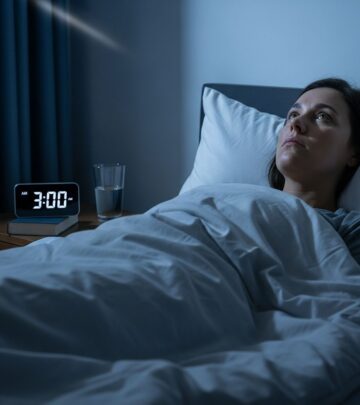
Understanding Migraine: Symptoms and Care
Explore the full spectrum of migraine headaches, from warning signs and triggers to proven management strategies for better daily living.
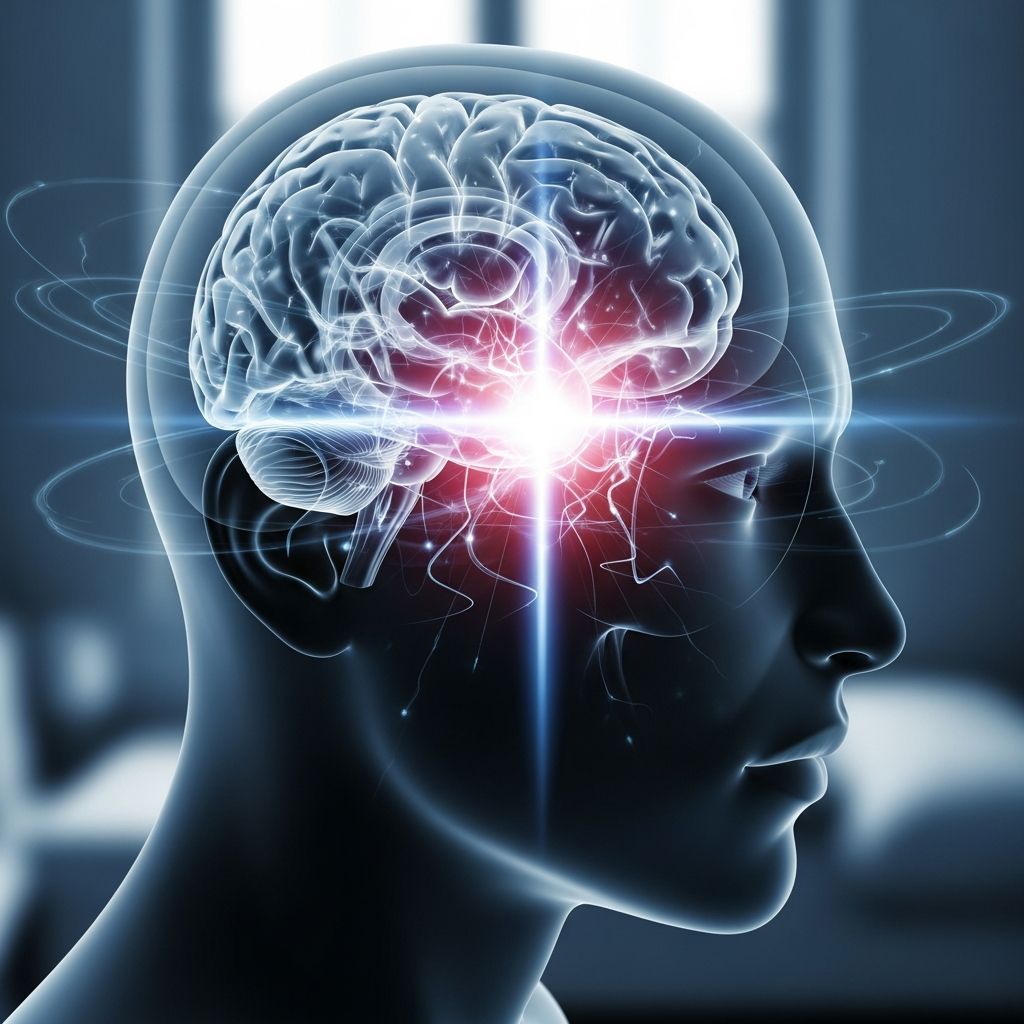
Migraine is a complex neurological condition characterized by recurrent episodes of moderate to severe headaches, often accompanied by sensory sensitivities and other symptoms that can significantly disrupt daily life. These attacks typically last from 4 to 72 hours if untreated and may involve throbbing pain, usually on one side of the head.
The Nature of Migraine Attacks
Migraine episodes unfold in distinct phases, beginning with a prodrome where subtle changes like mood shifts or food cravings signal an impending attack. This is followed by an optional aura phase, the core headache, and a postdrome recovery period marked by fatigue.
During the headache phase, individuals experience pulsating pain that worsens with routine activities such as walking or climbing stairs. Common companions include nausea, vomiting, and heightened sensitivity to light (photophobia) and sound (phonophobia).
Visual Disturbances and Eye Involvement
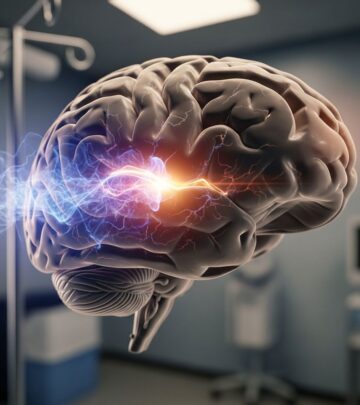
One of the hallmark features of migraine, particularly those with aura, involves visual symptoms that directly impact eye health perception. Patients often report seeing flashing lights, zigzag patterns, or temporary blind spots known as scotomas. These auras stem from cortical spreading depression, a wave of electrical activity across the brain’s visual cortex.
Retinal migraine, a rarer subtype, causes vision loss in one eye due to temporary blood flow changes in the retina. Such symptoms usually resolve within an hour but warrant medical evaluation to rule out stroke or other vascular issues.
- Flashing lights or photopsia
- Zigzag lines or fortification spectra
- Temporary vision loss in one eye
- Blurred or distorted vision
These eye-related signs highlight why migraine is often linked to ocular health concerns, prompting eye exams for new-onset cases to check intraocular pressure and exclude glaucoma.
Types of Migraine
Migraines are classified into several subtypes based on symptom patterns and duration.
| Type | Key Features | Duration |
|---|---|---|
| Migraine without Aura | Throbbing unilateral pain, nausea, photophobia; no preceding neurological symptoms | 4-72 hours |
| Migraine with Aura | Visual, sensory, or speech disturbances before headache | Aura: 5-60 min; Headache: 4-72 hours |
| Chronic Migraine | Headaches on 15+ days/month for over 3 months | Ongoing, episodic within |
| Retinal Migraine | Monocular vision loss followed by headache | Vision loss <60 min |
| Brainstem Migraine | Vertigo, ataxia, tinnitus before headache | Aura 5-60 min |
Episodic migraine occurs fewer than 15 days per month, contrasting with chronic forms affecting millions.
Common Triggers and Risk Factors
Identifying triggers is crucial for prevention. Stress tops the list, followed by hormonal fluctuations, certain foods like aged cheese or alcohol, sleep disturbances, and environmental factors such as bright lights or strong odors.
- Hormonal changes, especially in women during menstruation
- Skipped meals or dehydration
- Sensory overload from lights, sounds, or smells
- Weather shifts or barometric pressure changes
- Genetic predisposition—70-75% have family history
Women are three times more likely to experience migraines than men, with prevalence peaking between ages 15-55.
Diagnosis Process
Diagnosis relies primarily on patient history matching International Classification of Headache Disorders (ICHD-3) criteria. For migraine without aura, attacks must last 4-72 hours with at least two of: unilateral location, pulsating quality, moderate-severe intensity, aggravation by activity; plus nausea or photophobia/phonophobia.
Related Stories



Physical exams and neuroimaging like MRI are reserved for red flags: sudden onset, neurological deficits, or new headaches after age 50. Eye exams are recommended for recent cases to assess for secondary causes.
Acute Treatment Options
Immediate relief focuses on aborting attacks early. Over-the-counter options include NSAIDs like ibuprofen, effective for mild episodes. Triptans, such as sumatriptan, target serotonin receptors to constrict blood vessels and block pain pathways, ideal for moderate-severe attacks.
Antiemetics like metoclopramide combat nausea. For status migrainosus exceeding 72 hours, IV fluids, dihydroergotamine, or steroids may be needed in clinical settings.
Preventive Therapies
For frequent or debilitating migraines (4+ per month), preventives reduce attack frequency by 50% in many. Options include:
- Beta-blockers (propranolol)
- Anticonvulsants (topiramate)
- CGRP monoclonal antibodies (erenumab)
- Antidepressants (amitriptyline)
- Botox injections for chronic migraine
Lifestyle modifications amplify drug efficacy: consistent sleep, hydration, trigger avoidance, and stress management via yoga or cognitive behavioral therapy.
Lifestyle and Self-Care Strategies
Self-care empowers patients between medical visits. Track attacks in a diary noting triggers, symptoms, and relief methods. Acute self-help includes rest in a dark, quiet room, cold compresses on the forehead, and caffeine in moderation.
Daily habits like regular meals, 7-9 hours sleep, aerobic exercise, and mindfulness meditation can halve attack frequency.
When to Seek Urgent Care
Not all headaches are migraines—seek immediate help for:
- Thunderclap onset (worst ever)
- Neurological changes like weakness or confusion
- Vision loss persisting beyond an hour
- Headache post-head injury
- New patterns in older adults
Frequently Asked Questions (FAQs)
Can migraines cause permanent eye damage?
Rarely; most visual symptoms are transient. Persistent issues need ophthalmologic evaluation to exclude retinal or vascular problems.
Are migraines hereditary?
Yes, with 70-75% of sufferers having a first-degree relative affected, pointing to genetic factors.
How do I differentiate migraine from tension headache?
Tension headaches are bilateral, pressing, mild-moderate without nausea or aura; migraines throb, worsen with activity, and include sensory sensitivities.
Is caffeine helpful or harmful for migraines?
Moderate amounts can aid acute relief by constricting vessels but excess or withdrawal triggers attacks.
Can children get migraines?
Yes, often with abdominal pain or vertigo; family history increases risk.
Long-Term Outlook and Research Advances
With proper management, most achieve good control. Emerging therapies like gepants (ubrogepant) offer oral CGRP antagonists without vasoconstriction risks, suitable for heart patients. Neuromodulation devices provide non-drug options.
Ongoing research into neuromodulators and personalized medicine promises further improvements, emphasizing interprofessional care involving neurologists, ophthalmologists, and primary providers.
References
- Migraine Treatment: A Comprehensive Guide — Southern Pain Society. 2023. https://southernpainsociety.org/migraine-treatment-comprehensive-guide/
- Comprehensive Guide to Migraine Self-Care — Miles for Migraine. 2024. https://www.milesformigraine.org/comprehensive-guide-to-migraine-self-care/
- Migraine Headache — StatPearls, NCBI Bookshelf. 2023-10-30. https://www.ncbi.nlm.nih.gov/books/NBK560787/
- Migraine — Merck Manual Professional Edition. 2024. https://www.merckmanuals.com/professional/neurologic-disorders/headache/migraine
- Migraine – Symptoms and causes — Mayo Clinic. 2024-01-25. https://www.mayoclinic.org/diseases-conditions/migraine-headache/symptoms-causes/syc-20360201
Similar Articles








Read full bio of medha deb