Understanding Mood Swings: Causes, Symptoms & Relief
Learn what causes mood swings, when to seek help, and effective strategies for emotional stability.
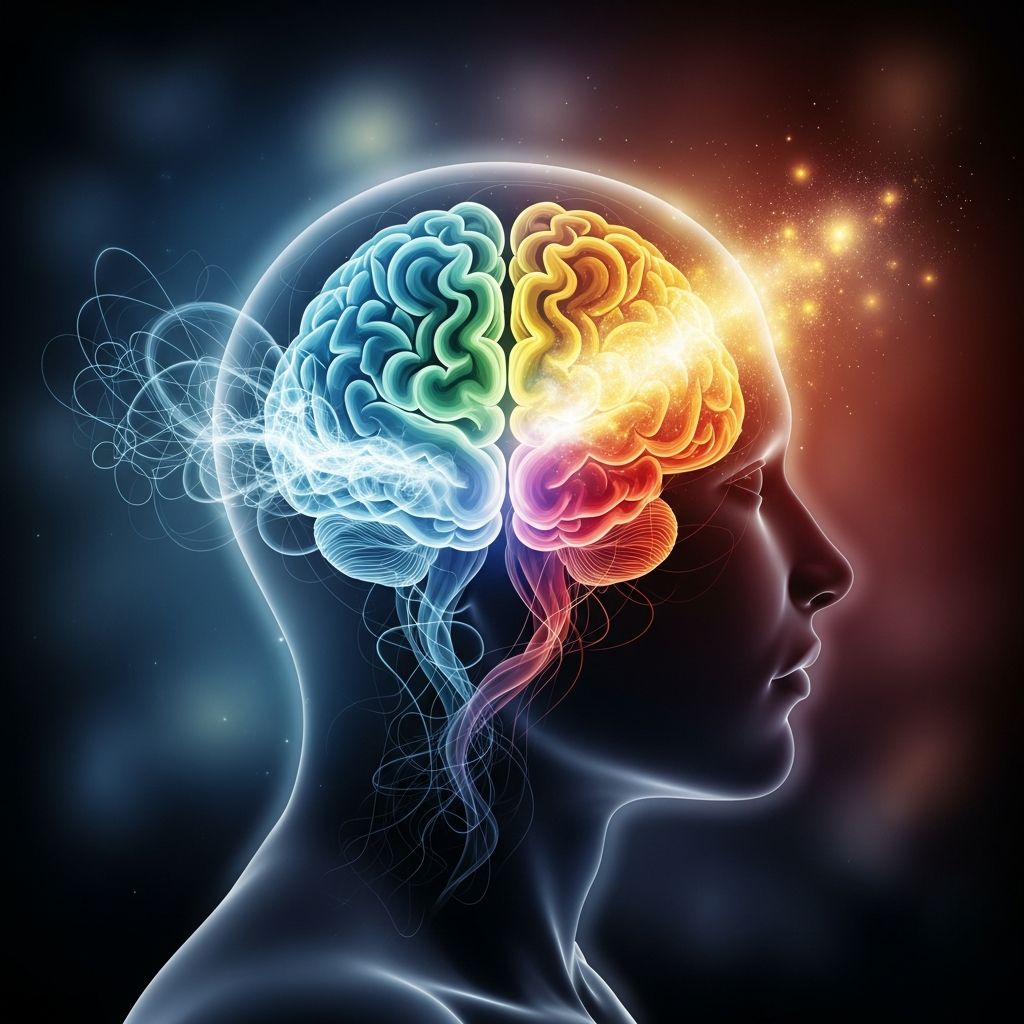
Mood swings are fluctuations in your emotional state that can range from feeling elated and energetic to sad and withdrawn. While occasional mood changes are a normal part of life, persistent and severe mood swings may indicate an underlying mental health condition that requires professional attention. Understanding what causes mood swings and when to seek help is essential for maintaining your emotional well-being and quality of life.
What Are Mood Swings?
Mood swings refer to rapid or frequent changes in your emotional state, often without a clear external cause. It’s completely normal for your mood to shift based on life circumstances, stress levels, or daily events. However, when mood swings become extreme, unpredictable, or interfere with your ability to function at work, school, or in relationships, they may signal an underlying condition that warrants professional evaluation.
The key distinction between normal mood variation and problematic mood swings lies in their duration, intensity, and impact on daily functioning. A mood swing becomes concerning when it persists for an extended period, significantly affects your behavior, or impairs your ability to perform routine activities.
Common Causes of Mood Swings
Mood swings can stem from various biological, psychological, and environmental factors:
Hormonal Fluctuations
Hormonal changes throughout the menstrual cycle significantly impact emotional regulation. Premenstrual dysphoric disorder (PMDD), a severe form of premenstrual syndrome, causes dramatic mood changes, anxiety, and depression one to two weeks before menstruation. Additionally, hormonal changes during pregnancy, postpartum period, and menopause can trigger significant mood swings.
Mental Health Conditions
Several mental health disorders are characterized by mood swings as a primary symptom. Bipolar disorder involves intense shifts in mood, energy levels, thinking patterns, and behavior, with episodes lasting hours, days, weeks, or months. Major depression can cause persistent sadness and emotional changes that disrupt daily functioning. Borderline personality disorder involves extreme mood swings, with intense emotions changing rapidly and unpredictably.
Stress and Life Events
Significant life stressors—such as relationship problems, job loss, financial difficulties, or major life transitions—can trigger mood swings. Chronic stress affects emotional regulation and can exacerbate existing mood disorders.
Sleep Disturbances
Poor sleep quality or sleep deprivation directly impacts mood regulation and emotional stability. Changes in sleep patterns can trigger manic or depressive episodes in susceptible individuals.
Substance Use and Medications
Certain medications, caffeine, alcohol, and recreational drugs can cause or intensify mood swings. Some antidepressants may even contribute to rapid mood cycling in certain individuals.
Medical Conditions
Thyroid disorders, blood sugar imbalances, vitamin deficiencies, and other medical conditions can influence mood stability and emotional regulation.
Symptoms of Mood Swings
Mood swings manifest through various emotional and behavioral symptoms that vary depending on the underlying cause:
Emotional Symptoms
Common emotional indicators include sudden shifts from extreme happiness to deep sadness, unexpected anger or irritability, anxiety or fear without apparent cause, and feelings of hopelessness or worthlessness. You may experience intense emotions that seem disproportionate to the triggering event.
Related Stories



Behavioral Changes
Behavioral manifestations include changes in activity levels and energy, altered sleeping patterns (sleeping excessively or experiencing insomnia), changes in appetite and eating habits, difficulty concentrating or making decisions, and impulsive or reckless behavior during elevated mood states.
Physical Symptoms
Physical manifestations may include fatigue or low energy, headaches, body aches, changes in sex drive, and tension in muscles.
Mood Swings vs. Mental Health Disorders
It’s important to differentiate between normal mood variation and clinical conditions requiring treatment:
| Aspect | Normal Mood Variation | Clinical Mood Swings |
|---|---|---|
| Duration | Brief, lasting hours or a day | Persistent for weeks or longer |
| Trigger | Clearly related to life events | May occur without obvious cause |
| Intensity | Proportionate to the situation | Extreme and disproportionate |
| Functional Impact | Minimal disruption to daily life | Significantly impairs work, school, relationships |
| Predictability | Relatively predictable patterns | Unpredictable and often rapid |
Mood Swings in Specific Conditions
Bipolar Disorder
Bipolar disorder is characterized by distinct episodes of mania or hypomania alternating with depressive episodes. During manic episodes, individuals experience elevated mood, increased energy, racing thoughts, and impulsive behavior that can last for weeks or months. The depressive episodes involve persistent sadness, low energy, and difficulty functioning. Between episodes, people with bipolar disorder experience periods of normal mood called euthymia.
Borderline Personality Disorder (BPD)
BPD involves abrupt, moment-to-moment swings in moods, behavior, and self-image often triggered by interpersonal conflicts. Unlike bipolar disorder’s distinct, sustained episodes, BPD features rapid oscillations between intense emotions including uncontrollable anger, fear, anxiety, and sadness.
Premenstrual Dysphoric Disorder (PMDD)
PMDD causes severe mood changes one to two weeks before menstruation, including anxiety, depression, and emotional instability that significantly impact daily functioning.
When to Seek Professional Help
Consider consulting a mental health professional if you experience:
- Mood swings lasting several weeks or longer
- Difficulty functioning at work, school, or in relationships due to mood changes
- Sudden shifts in sleep or appetite patterns
- Racing thoughts or difficulty concentrating during elevated mood states
- Thoughts of self-harm or suicide
- Significant distress or impairment from mood fluctuations
- Mood swings triggered by specific events you cannot control
Diagnosis of Mood Swings
Mental health professionals diagnose mood swings through comprehensive evaluation. A psychiatrist or psychologist will conduct detailed interviews about your symptoms, sleep and eating habits, daily functioning, family history of mental illness, and life stressors. They use criteria from the American Psychiatric Association’s Diagnostic and Statistical Manual of Mental Disorders to determine if your mood swings indicate a specific condition.
For a clinical diagnosis, mood symptoms must be present for specific durations. Depression requires symptoms lasting at least two weeks, while manic episodes in bipolar I disorder must persist for at least seven days. The healthcare provider may also recommend physical examination and laboratory tests to rule out medical conditions contributing to mood swings.
Treatment Options for Mood Swings
Medication
Mood stabilizers help reduce symptoms of mania and emotional instability, working by regulating brain chemistry to promote emotional equilibrium. Antidepressants may be prescribed for depressive episodes, while anti-anxiety medications can help manage anxiety and panic symptoms. The specific medication depends on the underlying condition and individual response.
Psychotherapy
Talk therapy is a cornerstone of mood swing treatment. Cognitive-behavioral therapy (CBT) helps identify thought patterns contributing to mood swings and develops coping strategies. Dialectical behavior therapy (DBT) is particularly effective for borderline personality disorder. Family therapy can improve relationships and communication during mood fluctuations.
Lifestyle Modifications
Several lifestyle strategies support mood stability:
- Maintaining consistent sleep schedules to regulate circadian rhythms
- Engaging in regular physical exercise to improve emotional regulation
- Practicing stress-reduction techniques like meditation and yoga
- Limiting caffeine and alcohol consumption
- Eating balanced, nutritious meals to support brain health
- Building strong social connections and support networks
Trigger Identification and Management
Understanding your personal triggers enables better preparation and prevention strategies. Common triggers include sleep disruption, stress, medication changes, and substance use. Maintaining a mood journal can help identify patterns and potential triggers.
Self-Care Strategies for Managing Mood Swings
Beyond professional treatment, several self-care practices support emotional stability. Establish and maintain regular sleep schedules, as sleep deprivation significantly impacts mood regulation. Exercise regularly, as physical activity releases endorphins and improves emotional well-being. Practice mindfulness and meditation to increase awareness of mood changes and develop emotional regulation skills. Maintain healthy social connections and communicate your needs to loved ones. Track your mood patterns to identify triggers and early warning signs of mood shifts.
Impact of Stress on Mood Swings
Stress significantly exacerbates mood swings and can trigger episodes in vulnerable individuals. High stress levels impair emotional regulation, increase irritability, and worsen anxiety and depression. Women, in particular, show pronounced mood changes and emotional responses to stress. Implementing stress management techniques—such as deep breathing, progressive muscle relaxation, time management, and seeking social support—can help mitigate stress-related mood fluctuations.
When Mood Swings Become Dangerous
In severe cases, mood swings can lead to dangerous situations requiring immediate intervention. Manic episodes can result in hospitalization if hallucinations, delusions, or risk of self-harm are present. Suicidal ideation may occur during severe depressive or manic episodes. If you or someone else experiences thoughts of suicide, hears voices, or displays severely impaired judgment, seek emergency medical attention immediately.
Frequently Asked Questions
Q: Are mood swings a sign of mental illness?
A: Occasional mood swings are normal, but persistent, severe mood swings lasting several weeks and significantly impacting daily functioning may indicate a mental health condition such as bipolar disorder, depression, or borderline personality disorder that warrants professional evaluation.
Q: Can mood swings be caused by hormones?
A: Yes, hormonal fluctuations significantly influence mood. Conditions like premenstrual dysphoric disorder, hormonal changes during pregnancy and menopause, and thyroid disorders can all cause mood swings.
Q: How long do mood swings typically last?
A: Duration varies considerably. Normal mood variations last hours or a day, while clinical mood swings may persist for weeks or months. In bipolar disorder, episodes can last weeks to months, while borderline personality disorder involves more rapid cycling.
Q: What’s the most effective treatment for mood swings?
A: Treatment typically combines medication and psychotherapy tailored to the underlying condition. Lifestyle modifications, stress management, and proper sleep are also essential components of comprehensive mood swing management.
Q: Can exercise help with mood swings?
A: Yes, regular physical exercise improves emotional regulation, releases mood-enhancing endorphins, reduces stress, and promotes better sleep quality—all contributing to improved mood stability.
References
- Mood Disorders: What They Are, Symptoms & Treatment — Cleveland Clinic. 2024. https://my.clevelandclinic.org/health/diseases/17843-mood-disorders
- Bipolar Disorder (Manic Depression): Symptoms & Treatment — Cleveland Clinic. 2024. https://my.clevelandclinic.org/health/diseases/9294-bipolar-disorder
- Mania: What Is It, Causes, Triggers, Symptoms & Treatment — Cleveland Clinic. 2024. https://my.clevelandclinic.org/health/diseases/21603-mania
- Premenstrual Dysphoric Disorder (PMDD): Causes & Treatment — Cleveland Clinic. 2024. https://my.clevelandclinic.org/health/diseases/9132-premenstrual-dysphoric-disorder-pmdd
- Borderline Personality Disorder (BPD): Symptoms & Treatment — Cleveland Clinic. 2024. https://my.clevelandclinic.org/health/diseases/9762-borderline-personality-disorder-bpd
- Women and Stress: Symptoms, Effects on the Body & Relief — Cleveland Clinic. 2024. https://my.clevelandclinic.org/health/articles/5545-women-and-stress
- Mood Stabilizers: What They Are, How They Work & Side Effects — Cleveland Clinic. 2024. https://my.clevelandclinic.org/health/articles/mood-stabilizers
Similar Articles








Read full bio of Sneha Tete