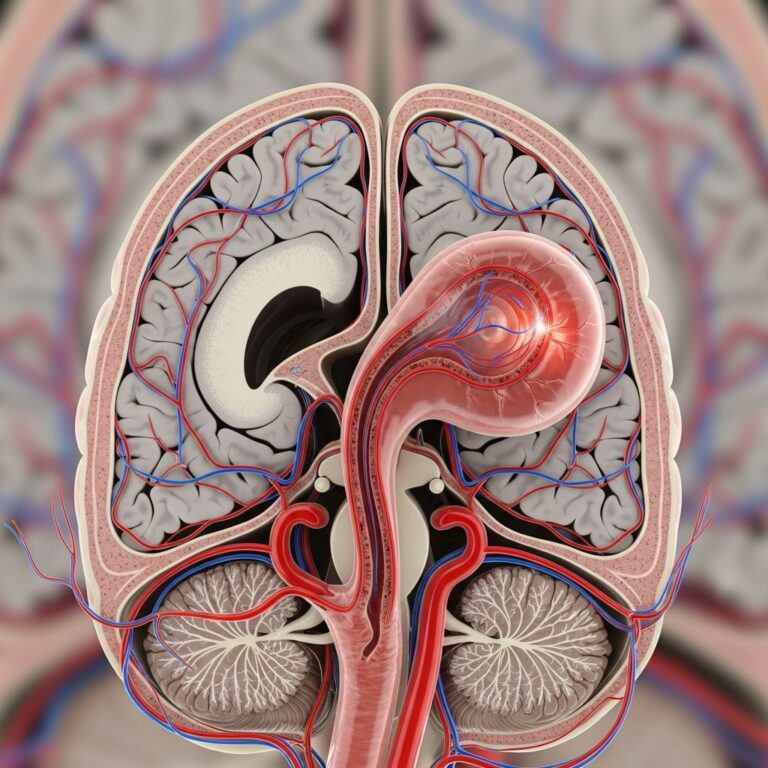
Understanding Nerve Blocks: Types, Uses, and Advances
Explore the science, types, and latest advances in nerve block therapy for pain management.
What Are Nerve Blocks?
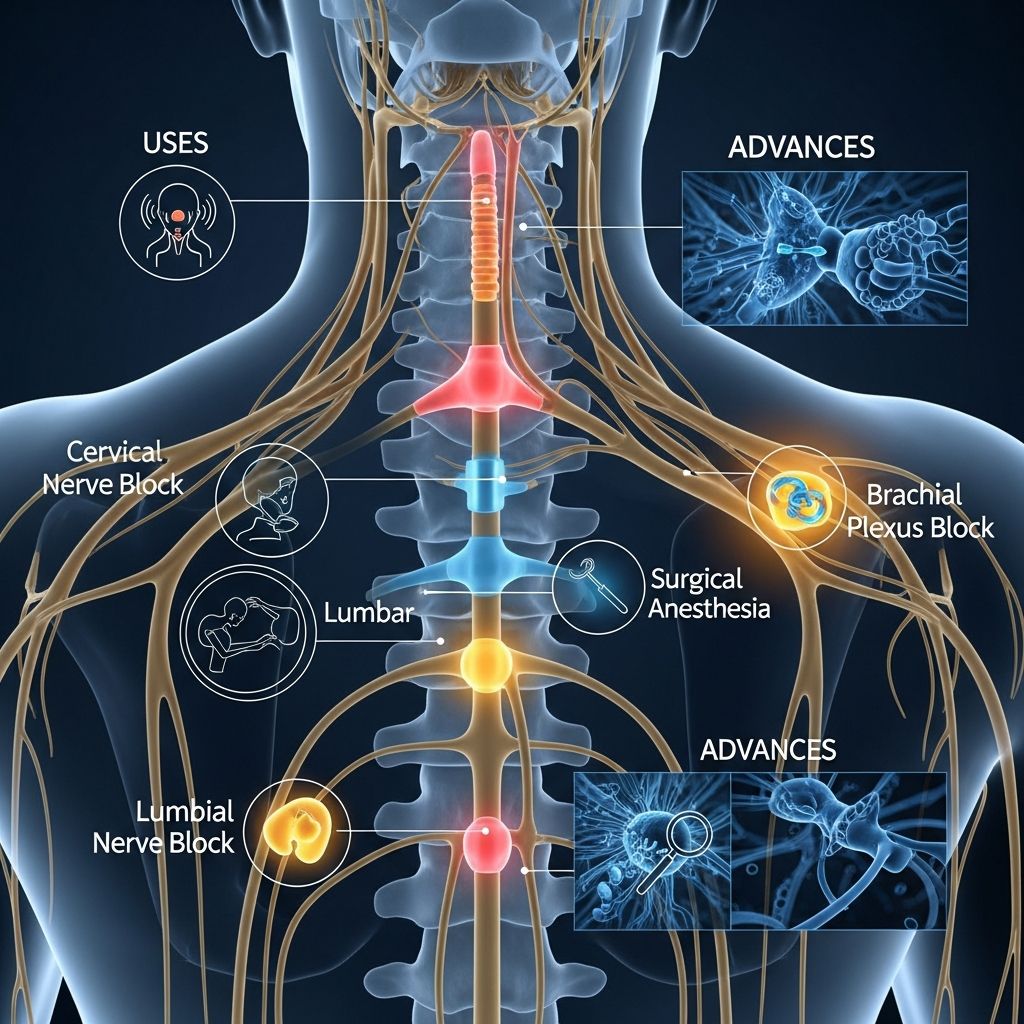
Nerve blocks, also known as neural blockades, are medical procedures used to manage pain by injecting medications near specific nerves or groups of nerves. These injections temporarily block pain signals from traveling to the brain, providing targeted pain relief without the need for general anesthesia. Nerve blocks are widely used in both surgical and chronic pain management settings, offering patients a safer and more effective alternative to systemic pain medications.
Types of Nerve Blocks
Nerve blocks can be categorized based on the location and purpose of the procedure. The main types include:
- Peripheral Nerve Blocks: These target individual nerves or small groups of nerves, such as those in the arms, legs, or face. Peripheral blocks are highly specific and are often used for surgeries on extremities.
- Regional Nerve Blocks: These affect larger areas of the body, such as spinal blocks (epidural or spinal anesthesia) that can numb the entire lower body. These are commonly used during childbirth or major surgeries.
- Continuous Peripheral Nerve Blocks (CPNB): These involve placing a catheter near the nerve to deliver a continuous flow of anesthetic, providing prolonged pain relief after surgery.
- Diagnostic Nerve Blocks: Used to identify the source of pain by temporarily blocking a specific nerve and observing changes in symptoms.
How Nerve Blocks Work
Nerve blocks work by interrupting the transmission of pain signals along nerves. When a local anesthetic is injected near a nerve, it temporarily prevents the nerve from sending pain signals to the brain. This allows patients to undergo procedures with minimal discomfort and recover more quickly. The effects of a nerve block can last from a few hours to several days, depending on the medication used and the type of block.
Common Uses of Nerve Blocks
Nerve blocks are used in a variety of medical situations, including:
- Surgical Procedures: Nerve blocks are commonly used during surgeries such as knee replacements, ACL repairs, and cesarean sections. They provide effective pain control and reduce the need for general anesthesia.
- Chronic Pain Management: For patients with chronic pain conditions like neuropathy, arthritis, or back pain, nerve blocks can provide significant relief and improve quality of life.
- Diagnostic Purposes: Nerve blocks can help doctors pinpoint the source of pain, guiding further treatment decisions.
- Postoperative Pain Relief: Continuous peripheral nerve blocks are often used after surgery to manage pain and reduce the need for opioid medications.
Benefits of Nerve Blocks
Nerve blocks offer several advantages over traditional pain management methods:
- Targeted Pain Relief: Nerve blocks provide localized pain relief, minimizing side effects on other parts of the body.
- Reduced Need for General Anesthesia: Patients can avoid the risks and side effects associated with general anesthesia.
- Faster Recovery: Nerve blocks allow patients to recover more quickly after surgery, with less reliance on pain medications.
- Improved Pain Control: Nerve blocks can provide more effective pain relief than oral medications, especially for severe or chronic pain.
Risks and Complications
While nerve blocks are generally safe, they do carry some risks and potential complications:
Related Stories



- Infection: As with any injection, there is a risk of infection at the injection site.
- Bleeding: Nerve blocks can cause bleeding, especially in patients taking blood thinners.
- Nerve Damage: Rarely, nerve blocks can cause temporary or permanent nerve damage.
- Allergic Reactions: Some patients may have an allergic reaction to the medications used.
- Local Anesthetic Systemic Toxicity (LAST): In rare cases, the anesthetic can enter the bloodstream and cause serious side effects, including seizures or cardiac arrest.
Recent Advances in Nerve Block Therapy
Recent innovations have improved the safety, effectiveness, and accessibility of nerve block therapy:
- Liposomal Bupivacaine: This new formulation of bupivacaine uses multi-vesicular liposomes to provide longer-lasting pain relief, lasting up to 72-96 hours after a single injection.
- Ultrasound-Guided Nerve Blocks: The use of ultrasound imaging allows for more precise placement of the needle, reducing the risk of complications and improving the effectiveness of the block.
- Neural Blockade Monitoring: New devices, such as the neural blockade monitor developed at Johns Hopkins, provide real-time feedback on the effectiveness of nerve blocks, helping clinicians make informed decisions and reduce the risk of failed blocks.
- Parenteral Hip Blocks: Experimental techniques like parenteral hip blocks are being tested for their ability to provide rapid and effective pain relief with minimal side effects.
FAQs About Nerve Blocks
What is a nerve block?
A nerve block is a procedure that involves injecting medication near a nerve to block pain signals from reaching the brain.
Are nerve blocks safe?
Nerve blocks are generally safe when performed by trained professionals, but they do carry some risks, including infection, bleeding, and nerve damage.
How long does a nerve block last?
The duration of a nerve block depends on the medication used and the type of block. Effects can last from a few hours to several days.
Can nerve blocks be used for chronic pain?
Yes, nerve blocks are commonly used to manage chronic pain conditions such as neuropathy, arthritis, and back pain.
What are the latest advances in nerve block therapy?
Recent advances include liposomal bupivacaine for longer-lasting pain relief, ultrasound-guided blocks for improved accuracy, and real-time monitoring devices to assess block effectiveness.
Conclusion
Nerve blocks are a valuable tool in modern medicine, offering targeted pain relief for a wide range of conditions. From surgical procedures to chronic pain management, nerve blocks provide patients with safer, more effective alternatives to traditional pain medications. With ongoing advances in technology and technique, the future of nerve block therapy looks promising, offering even greater benefits for patients in need of pain relief.
References
- History of the Nerve Block — PMC, NIH. 2023. https://pmc.ncbi.nlm.nih.gov/articles/PMC11610913/
- Johns Hopkins APL Technology Fuels Startup Launched to Deliver Safer, More Effective Pain Management — Johns Hopkins APL. 2023. https://www.jhuapl.edu/news/news-releases/250814-neural-block-monitoring-startup-launch
- Scrambler therapy may offer lasting relief for chronic pain — Johns Hopkins Hub. 2023. https://hub.jhu.edu/2023/07/31/chronic-pain-relief-scrambler-therapy/
Similar Articles








Read full bio of medha deb