Understanding Neurology: Conditions, Treatments, and Advances
Explore the complexities of neurological disorders, their diagnosis, and the latest advances in treatment and research.
What Is Neurology?
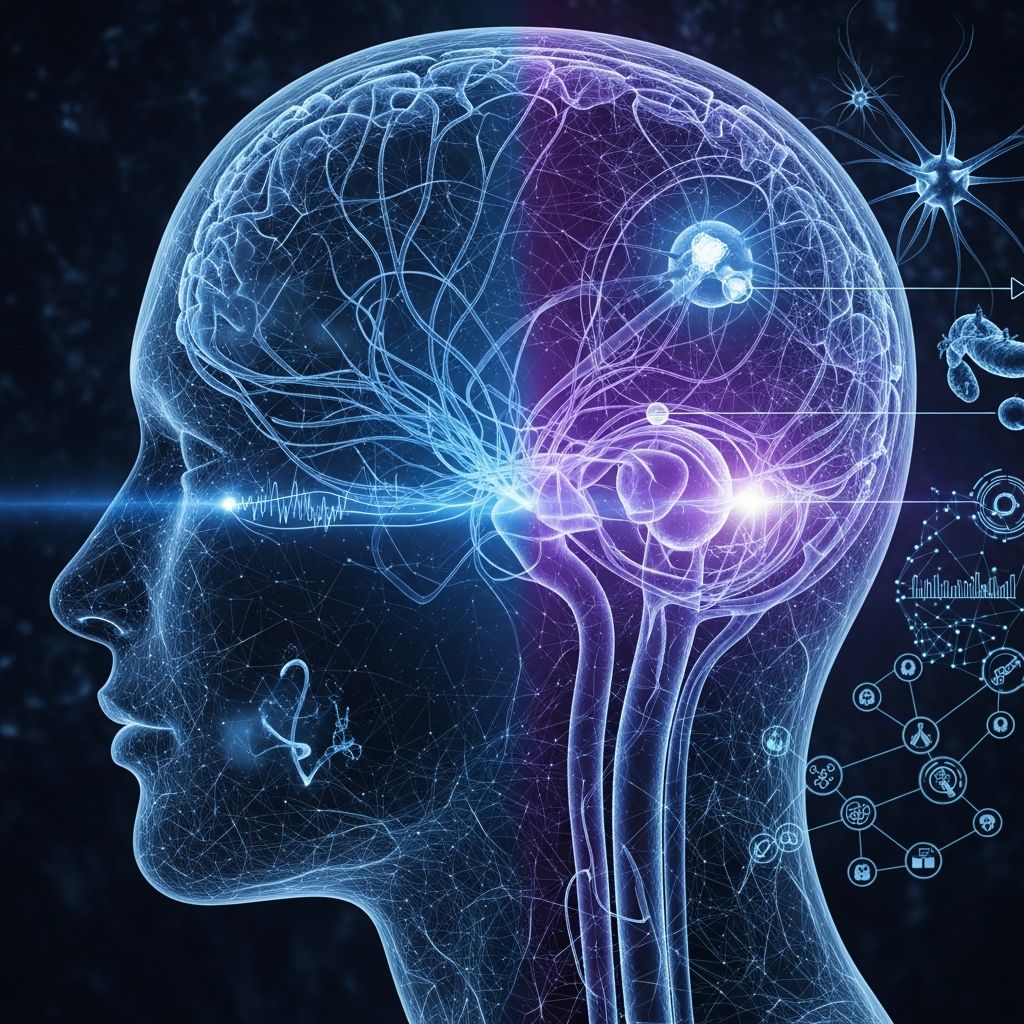
Neurology is the branch of medicine that deals with disorders of the nervous system, including the brain, spinal cord, and peripheral nerves. Neurologists diagnose and treat a wide range of conditions that affect how the nervous system functions, from common issues like headaches and epilepsy to complex diseases such as multiple sclerosis, Parkinson’s disease, and Alzheimer’s disease.
Common Neurological Conditions
Neurological disorders can affect people of all ages and can have a significant impact on quality of life. Some of the most common neurological conditions include:
- Epilepsy: A disorder characterized by recurrent seizures due to abnormal electrical activity in the brain.
- Stroke: A medical emergency that occurs when blood flow to the brain is interrupted, leading to brain cell death.
- Multiple Sclerosis (MS): An autoimmune disease that affects the central nervous system, causing a range of symptoms including fatigue, vision problems, and muscle weakness.
- Parkinson’s Disease: A progressive disorder that affects movement, often causing tremors, stiffness, and difficulty with balance.
- Alzheimer’s Disease: A form of dementia that leads to memory loss, cognitive decline, and behavioral changes.
- Cerebral Palsy: A group of disorders that affect movement and muscle tone, often caused by damage to the developing brain before or during birth.
- Hydrocephalus: A condition in which excess cerebrospinal fluid accumulates in the brain, leading to increased pressure and potential brain damage.
Diagnosis of Neurological Disorders
Accurate diagnosis is crucial for effective treatment of neurological conditions. Neurologists use a variety of tools and techniques to diagnose disorders, including:
- Neurological Examination: A physical exam that assesses motor and sensory skills, coordination, reflexes, and mental status.
- Imaging Tests: Techniques such as MRI (magnetic resonance imaging) and CT (computed tomography) scans provide detailed images of the brain and spinal cord.
- Electroencephalogram (EEG): A test that measures electrical activity in the brain, often used to diagnose epilepsy.
- Lumbar Puncture: A procedure to collect cerebrospinal fluid for analysis, which can help diagnose infections, bleeding, and other conditions.
- Genetic Testing: Used to identify inherited neurological disorders and to guide treatment decisions.
Treatment Approaches in Neurology
Treatment for neurological disorders varies depending on the specific condition and its severity. Common treatment approaches include:
- Medications: Drugs are used to manage symptoms, prevent complications, and slow disease progression. For example, anticonvulsants are used to control seizures in epilepsy, and disease-modifying therapies are used in multiple sclerosis.
- Physical Therapy: Helps improve mobility, strength, and coordination in patients with movement disorders.
- Occupational Therapy: Assists patients in developing skills for daily living and adapting to physical limitations.
- Surgery: In some cases, surgical intervention is necessary, such as in the treatment of brain tumors or hydrocephalus.
- Rehabilitation: Comprehensive programs that address physical, cognitive, and emotional needs to improve overall quality of life.
Advances in Neurological Research
Research in neurology is continually advancing, leading to new insights into the causes and treatments of neurological disorders. Some recent advances include:
- Neuroimaging: Improved imaging techniques allow for earlier and more accurate diagnosis of neurological conditions.
- Genetic Research: Advances in genetic testing and gene therapy are opening new possibilities for treating inherited neurological disorders.
- Stem Cell Therapy: Research into stem cells holds promise for regenerating damaged nerve tissue and treating conditions like spinal cord injuries and Parkinson’s disease.
- Neuroprosthetics: Devices that interface with the nervous system to restore lost functions, such as cochlear implants for hearing loss and brain-computer interfaces for paralysis.
- Personalized Medicine: Tailoring treatments to individual patients based on their genetic makeup and specific disease characteristics.
Related Stories



Specialized Neurological Care
Specialized centers and multidisciplinary teams play a crucial role in providing comprehensive care for patients with neurological disorders. At Johns Hopkins Medicine, for example, the Hydrocephalus and Cerebral Fluid Center continues a century-long legacy of research and treatment for patients with hydrocephalus and cerebrospinal fluid disorders. The center uses advanced diagnostic techniques and innovative surgical approaches to improve patient outcomes.
Neurodevelopmental Neuropsychiatry
Neurodevelopmental neuropsychiatry focuses on the intersection of psychiatric and neurological disorders, particularly in children and young adults. This field addresses the complex interplay between brain development, psychiatric symptoms, and underlying medical conditions. For example, in patients with cerebral palsy, neurodevelopmental neuropsychiatry considers the impact of motor and cognitive impairments on psychiatric health and behavior.
Challenges in Neurological Care
Despite advances in diagnosis and treatment, there are still significant challenges in neurological care:
- Complexity of Disorders: Many neurological conditions are multifactorial, involving genetic, environmental, and lifestyle factors.
- Diagnostic Difficulties: Some disorders have overlapping symptoms, making accurate diagnosis challenging.
- Access to Care: Patients in rural or underserved areas may have limited access to specialized neurological care.
- Long-term Management: Chronic neurological conditions often require ongoing management and support.
Support and Resources
Patients and families affected by neurological disorders can benefit from a range of support and resources:
- Support Groups: Connecting with others who have similar experiences can provide emotional support and practical advice.
- Educational Materials: Reliable information about neurological conditions and their management can help patients and families make informed decisions.
- Advocacy Organizations: Groups that advocate for research funding, policy changes, and improved access to care.
Frequently Asked Questions (FAQs)
Q: What are the most common symptoms of neurological disorders?
A: Common symptoms include headaches, seizures, weakness, numbness, difficulty with coordination, memory problems, and changes in behavior or mood.
Q: How are neurological disorders diagnosed?
A: Diagnosis typically involves a neurological examination, imaging tests, and sometimes laboratory tests or genetic testing.
Q: What are the treatment options for neurological disorders?
A: Treatment options include medications, physical and occupational therapy, surgery, and rehabilitation programs.
Q: Can neurological disorders be prevented?
A: Some disorders can be prevented or their risk reduced through healthy lifestyle choices, such as regular exercise, a balanced diet, and avoiding smoking and excessive alcohol consumption.
Q: What is the role of research in neurology?
A: Research is essential for advancing our understanding of neurological disorders, developing new treatments, and improving patient outcomes.
References
- Johns Hopkins Medicine: Neurology — Johns Hopkins Medicine. 2023. http://www.hopkinsmedicine.org/health/conditions-and-diseases/neurology
- Johns Hopkins Hydrocephalus and Cerebral Fluid Center — Johns Hopkins Medicine. 2023. https://www.hopkinsmedicine.org/neurology_neurosurgery/centers_clinics/cerebral-fluid/
- Developmental Neuropsychiatry and Cerebral Palsy — Johns Hopkins Psychiatry and Behavioral Sciences. 2023. https://www.youtube.com/watch?v=9fjDeapIuco
Similar Articles








Read full bio of Sneha Tete