Normal-Tension Glaucoma: 8 Key Clinical Pearls
A comprehensive guide to diagnosing and managing glaucoma with normal eye pressure.
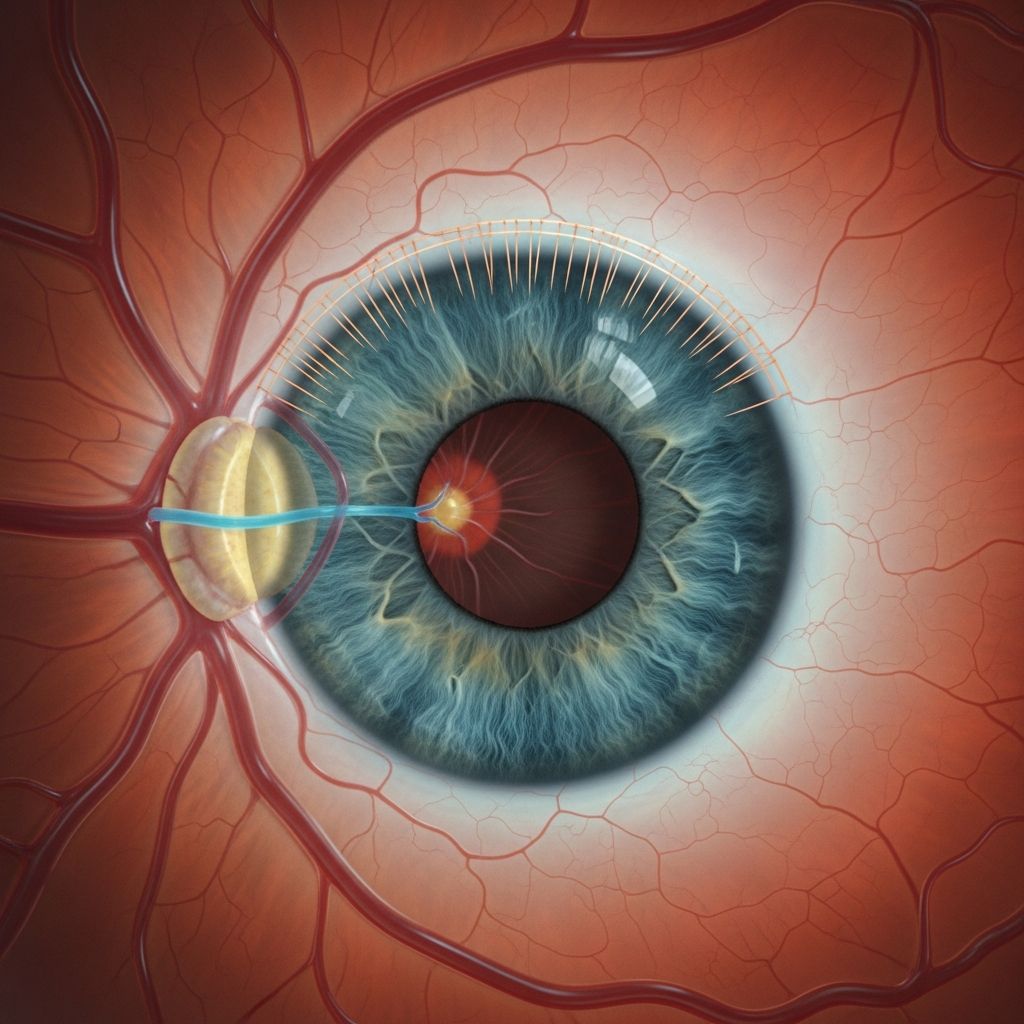
Normal-tension glaucoma (NTG) represents a unique subset of glaucomatous disease where progressive optic nerve damage and visual field loss occur despite intraocular pressures remaining within statistically normal ranges. This paradoxical presentation creates significant diagnostic and therapeutic challenges for eye care professionals, as traditional pressure-based screening methods often fail to identify affected individuals. The condition affects a substantial proportion of glaucoma patients and can lead to irreversible vision loss if left untreated, making early detection and intervention paramount.
Defining the Clinical Picture
Normal-tension glaucoma is characterized by the presence of characteristic optic nerve damage and corresponding visual field defects in patients whose intraocular pressure consistently measures below 22 millimeters of mercury on repeated evaluations. This pressure threshold represents the statistical upper limit of normal based on population studies, though it is important to recognize that this boundary is not absolute. The disease manifests through progressive cupping of the optic nerve head, thinning of the retinal nerve fiber layer, and development of visual field scotomas that follow patterns consistent with glaucomatous damage.
What distinguishes normal-tension glaucoma from other glaucoma forms is the apparent disconnect between relatively modest intraocular pressures and significant structural and functional ocular damage. Patients may present with profound visual field deficits despite never having measured eye pressures that exceed conventional normal limits, raising important questions about disease mechanisms beyond simple mechanical pressure elevation.
Diagnostic Approach and Clinical Assessment
Comprehensive Evaluation Framework
The diagnostic evaluation of suspected normal-tension glaucoma begins with a thorough clinical examination designed to confirm the presence of glaucomatous features while systematically excluding alternative explanations for optic nerve damage. The comprehensive assessment includes multiple complementary testing modalities that collectively establish the diagnosis and characterize disease severity.
Visual acuity assessment establishes baseline visual function, while color vision testing helps differentiate normal-tension glaucoma from non-glaucomatous optic neuropathies that may present with similar structural changes. This distinction is particularly important because other conditions affecting the optic nerve, including ischemic events, inflammatory disorders, and compressive lesions, may produce optic nerve changes that superficially resemble glaucoma.
Intraocular Pressure Measurement Protocols
Accurate intraocular pressure measurement forms the cornerstone of normal-tension glaucoma diagnosis. A single pressure measurement may not adequately characterize a patient’s pressure status because intraocular pressure demonstrates circadian variation, with pressures potentially rising during hours when clinical measurements are not obtained. To address this limitation, diurnal intraocular pressure curves involving multiple measurements throughout the day, or supine pressure measurements taken while the patient is lying flat, may reveal transient pressure elevations that would otherwise be missed.
The rationale for obtaining diurnal pressure data stems from the recognition that some patients with apparently normal daytime pressures may experience significant pressure spikes during nighttime hours. Detecting these elevations is clinically relevant because they may contribute to disease progression even if daytime office measurements appear reassuringly normal.
Structural and Functional Imaging
Pachymetry, the measurement of corneal thickness, provides essential information for accurate pressure interpretation. Central corneal thickness influences how accurately tonometry readings reflect true intraocular pressure, with thinner corneas generally associated with underestimation of actual pressure. Understanding a patient’s corneal thickness allows clinicians to better interpret pressure values and identify potential occult pressure elevations.
Direct visualization of the anterior chamber angle through gonioscopy confirms the open configuration characteristic of normal-tension glaucoma and excludes secondary forms of glaucoma associated with angle closure or angle abnormalities. Gonioscopy also allows assessment for pigment dispersion and pseudoexfoliation syndrome, conditions that would alter the disease classification and management approach.
Optical coherence tomography (OCT) imaging provides high-resolution visualization of retinal nerve fiber layer thickness and optic disc structure, enabling detection of early glaucomatous changes before they become clinically apparent. The optic nerve head undergoes characteristic progressive excavation as nerve fibers are lost, and sophisticated imaging can quantify this change and track disease progression over time.
Visual field testing documents the functional consequences of structural optic nerve damage through patterns of vision loss. An important feature of normal-tension glaucoma is that visual field defects often appear closer to central fixation and tend to be more advanced at the time of diagnosis compared to defects seen in high-tension glaucoma. This distribution pattern reflects the particular vulnerability of central visual pathways in this disease variant.
Excluding Alternative Diagnoses
Because normal-tension glaucoma is fundamentally a diagnosis of exclusion, clinicians must systematically rule out other optic neuropathies that might mimic glaucomatous changes. Conditions including ischemic optic neuropathy, traumatic optic nerve injury, toxic neuropathies, inflammatory disorders, infectious etiologies, congenital abnormalities, and compressive lesions must all be considered.
In atypical presentations, particularly in younger patients, those with unusual visual acuity loss disproportionate to structural changes, impaired color vision, pallor of the neuroretinal rim, markedly asymmetric optic nerve cupping, or visual field defects that respect the vertical meridian, neuroimaging evaluation including magnetic resonance imaging may be warranted to exclude intracranial pathology.
Systemic and Vascular Considerations
The pathogenesis of normal-tension glaucoma likely involves mechanisms beyond elevated intraocular pressure, with vascular insufficiency playing a hypothesized role in disease development and progression. Patients with normal-tension glaucoma frequently demonstrate vascular abnormalities including Raynaud phenomenon, a condition characterized by exaggerated vasoconstriction in response to cold or stress, leading to episodic digital ischemia.
Obstructive sleep apnea represents another important systemic association with normal-tension glaucoma. This condition causes repeated nocturnal oxygen desaturation and blood pressure fluctuations, potentially compromising optic nerve perfusion during sleep hours. Comprehensive assessment of patients with progressive normal-tension glaucoma despite appropriate intraocular pressure lowering should include evaluation for sleep-disordered breathing.
Systemic hypertension and the antihypertensive medications used to treat it may influence normal-tension glaucoma progression. Some antihypertensive agents, particularly beta-blockers, can cause nocturnal hypotension that may compromise optic nerve blood flow during sleep. Coordination between the patient’s ophthalmologist and primary care physician allows for optimization of both ocular and systemic health.
Cranial imaging evaluation may be indicated in cases with atypical features or those failing to respond to appropriate treatment, as intracranial lesions can occasionally present as apparent normal-tension glaucoma.
Treatment Philosophy and Evidence Base
Intraocular Pressure as the Primary Target
Despite the paradoxical presentation of normal-tension glaucoma in patients with already-normal pressures, intraocular pressure reduction remains the only confirmed modifiable risk factor and the foundation of treatment. The Collaborative Normal-Tension Glaucoma Study (CNTGS), conducted in 1998, provided definitive evidence for this approach. The study demonstrated that achieving a 30 percent reduction in baseline intraocular pressure decreased the risk of disease progression from 35 percent in untreated eyes to just 12 percent in treated eyes.
This landmark study fundamentally changed the understanding and management of normal-tension glaucoma by establishing that further lowering of already-normal pressures provides meaningful clinical benefit. The 30 percent reduction target has become a standard guideline for most patients, though individual requirements vary substantially, with some eyes requiring target pressures as low as 8-12 millimeters of mercury.
Medical Management Strategies
Pharmacologic therapy represents the first-line treatment approach for normal-tension glaucoma. Prostaglandin analogs have become the gold standard for medical glaucoma management, largely displacing earlier first-line agents like topical beta-blockers. These medications demonstrate superior intraocular pressure-lowering efficacy and importantly, they provide consistent pressure reduction throughout 24-hour periods, addressing the concern about nocturnal pressure fluctuations.
The preference for prostaglandin analogs over beta-blockers is particularly relevant in normal-tension glaucoma because beta-blockers can produce nocturnal hypotension as a systemic side effect. This reduction in nighttime blood pressure may further compromise optic nerve perfusion pressure during the hours when vascular insufficiency mechanisms are hypothesized to be most active.
When monotherapy fails to achieve target pressure reduction, combination therapy incorporating agents from different medication classes provides additive pressure-lowering effects. The sequential addition of medications from different pharmacologic families represents the standard approach to intensifying medical therapy.
Laser and Surgical Interventions
Because patients with normal-tension glaucoma begin treatment from a baseline of statistically normal pressures, achieving the required 30 percent reduction often necessitates lowering pressures to single-digit ranges that can be challenging to accomplish with medication alone. Laser trabeculoplasty has been investigated as an alternative or adjunctive approach, with selective laser trabeculoplasty achieving a 27 percent medication reduction and 15 percent intraocular pressure reduction in patients with normal-tension glaucoma.
Micropulse laser cyclophotocoagulation has also demonstrated efficacy in small series, producing average intraocular pressure reductions of approximately 20 percent in patients with baseline pressures of 21 millimeters of mercury or less.
When medical and laser therapies fail to achieve target pressures despite progressive optic nerve damage and visual field loss, glaucoma filtering surgery represents the next escalation in therapy. Surgical approaches create new drainage pathways that bypass the compromised trabecular meshwork, achieving the substantial pressure reductions often necessary in normal-tension glaucoma.
Newer minimally invasive glaucoma surgery (MIGS) techniques offer alternatives to traditional filtering surgery in selected cases, though these procedures may be limited in their ability to achieve the very low target pressures required in some normal-tension glaucoma patients.
Management of Treatment-Resistant Cases
Some patients demonstrate progressive optic nerve damage and visual field loss despite appropriate intraocular pressure reduction, suggesting the involvement of non-pressure-dependent disease mechanisms. In these cases, comprehensive reassessment is warranted to confirm adequate pressure control, verify true disease progression rather than artifact, and exclude alternative diagnoses that may have been initially overlooked.
Investigation of potential vascular risk factors including sleep disorders, blood pressure fluctuations, and vasospastic phenomena becomes particularly important in pressure-independent disease. Lifestyle modifications targeting vascular health, optimization of antihypertensive therapy in consultation with primary care physicians, and evaluation and treatment of sleep apnea if present represent important management adjuncts in these challenging cases.
Key Clinical Pearls
- Normal-tension glaucoma diagnosis requires documentation of characteristic optic nerve damage and visual field defects, open anterior chamber angles on gonioscopy, and consistently normal intraocular pressures below 22 millimeters of mercury
- Single intraocular pressure measurements may be misleading; diurnal pressure curves or supine measurements should be obtained to detect transient pressure elevations
- Visual field defects in normal-tension glaucoma characteristically involve central areas and tend to be more advanced at diagnosis compared to high-tension glaucoma
- A 30 percent reduction from baseline intraocular pressure, demonstrated by the Collaborative Normal-Tension Glaucoma Study, is the evidence-based target for treatment
- Prostaglandin analogs are preferred over beta-blockers because they avoid nocturnal hypotension that might compromise optic nerve perfusion
- Laser and surgical therapies are often required because achieving single-digit target pressures through medication alone is frequently impossible
- Investigation of vascular risk factors including Raynaud phenomenon, obstructive sleep apnea, and blood pressure abnormalities should be part of comprehensive management
- Alternative optic neuropathies must be excluded through systematic evaluation and neuroimaging when clinical features are atypical
Looking Forward
Despite advances in diagnosis and pressure-lowering treatment, a proportion of patients with normal-tension glaucoma continue to experience disease progression despite achieving target intraocular pressures. This treatment resistance underscores the likelihood that multiple pathophysiologic mechanisms contribute to optic nerve damage in this condition. Future therapeutic development should focus on identifying and targeting non-pressure-dependent mechanisms while continuing to optimize pressure-lowering strategies.
Research into potential neuroprotective agents, improvements in understanding of vascular insufficiency mechanisms, and better characterization of individual risk factor profiles promise to enhance our ability to manage this sight-threatening condition more effectively.
References
- Normal Tension Glaucoma — EyeWiki. 2024. https://eyewiki.org/Normal_Tension_Glaucoma
- Normal-Tension Glaucoma: Diagnosis and Treatment — Glaucoma Today. January 2023. https://glaucomatoday.com/articles/2023-jan-feb/normal-tension-glaucoma-diagnosis-and-treatment
- Normal Tension Glaucoma — BrightFocus Foundation. https://www.brightfocus.org/resource/normal-tension-glaucoma/
- Normal Tension Glaucoma — StatPearls, NCBI Bookshelf, National Center for Biotechnology Information. 2024. https://www.ncbi.nlm.nih.gov/books/NBK576377/
- Glaucoma: What It Is, Symptoms, Causes, Types & Treatment — Cleveland Clinic. https://my.clevelandclinic.org/health/diseases/4212-glaucoma
- Glaucoma — Diagnosis and Treatment — Mayo Clinic. https://www.mayoclinic.org/diseases-conditions/glaucoma/diagnosis-treatment/drc-20372846
Similar Articles








Read full bio of Sneha Tete