Understanding Nosebleeds: Causes, Management & Prevention
Learn what triggers nosebleeds and how to manage them effectively at home
Nosebleeds, medically known as epistaxis, represent one of the most common medical experiences affecting people of all ages. While they frequently appear alarming due to the visible blood flow, the vast majority of nosebleeds are harmless and resolve without professional intervention. Understanding what causes them, how to respond appropriately, and which preventive measures work best can significantly reduce both the frequency and severity of bleeding episodes.
The Physiology Behind Nasal Bleeding
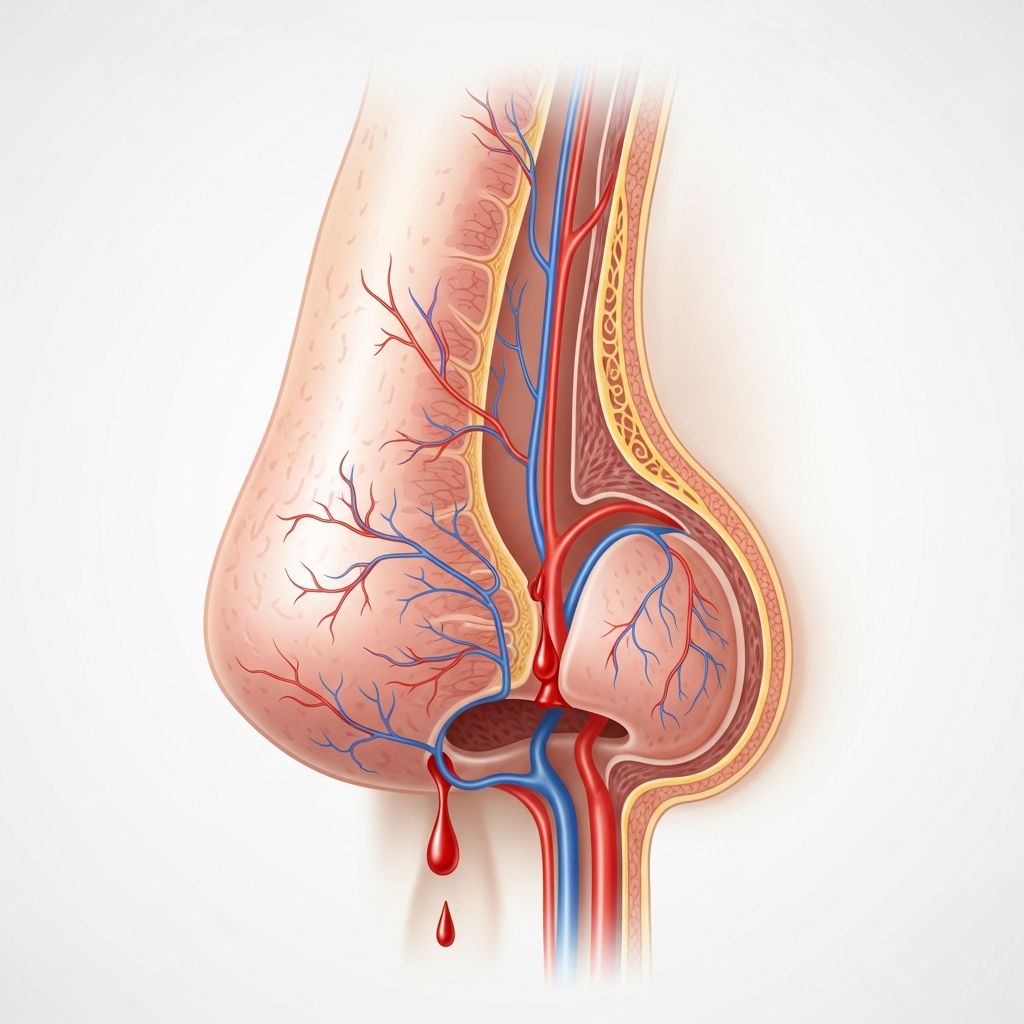
The nasal cavity contains an intricate network of small blood vessels positioned close to the inner surface of the nose. These vessels serve an important function by warming and moistening the air you breathe before it travels to your lungs. However, their proximity to the nasal membrane makes them vulnerable to injury and rupture. When the delicate tissue lining the nose becomes irritated, dried, or damaged, these blood vessels can break easily, resulting in bleeding that ranges from minor spotting to more substantial flow.
Most nosebleeds originate from the front portion of the nose, specifically in an area called the septum, which divides the two nostrils. This anterior location accounts for approximately 90% of all nosebleed cases. The remaining 10% involve posterior nosebleeds, which originate from arteries deeper in the nasal passage and tend to be more serious, particularly in older adults.
Common Triggers and Environmental Factors
Identifying what causes your nosebleeds is the first step toward prevention. Several everyday factors contribute significantly to epistaxis occurrences:
- Dry air exposure: The most prevalent cause of nosebleeds involves environmental dryness. This occurs frequently during winter months when home heating systems reduce indoor humidity levels, in hot climates with naturally low moisture content, and in high-altitude regions where air contains less moisture. As nasal membranes dry out, they become crusty and cracked, making them more susceptible to bleeding when irritated.
- Forceful nose blowing: Aggressive nasal clearing can damage fragile blood vessels within the nose. This is particularly common in children who may not understand the importance of gentle nasal hygiene.
- Nose picking: Digital manipulation of nasal passages ranks among the most frequent causes of nosebleeds, especially in pediatric populations. Repeated attempts to remove dried mucus can create small wounds that bleed.
- Seasonal allergies and infections: Both allergic rhinitis and upper respiratory infections cause nasal inflammation and congestion. The resulting tissue irritation and excessive nose blowing increase bleeding risk.
- Trauma and injury: Direct blows to the face, broken noses, or recent nasal surgery can damage blood vessels and surrounding tissue.
- Smoke and chemical exposure: Inhaling smoke, harsh chemicals, or irritating fumes can irritate the nasal lining and trigger bleeding episodes.
Medication-Related and Systemic Causes
Certain medications and underlying health conditions increase bleeding susceptibility. Blood-thinning medications such as warfarin (Coumadin) and aspirin reduce your blood’s ability to clot, making nosebleeds more likely and potentially more difficult to stop. Antihistamines, decongestant sprays used chronically, and non-steroidal anti-inflammatory drugs (NSAIDs) can also contribute to epistaxis. Additionally, high blood pressure places increased pressure on nasal blood vessels, making them more prone to rupture.
In rare instances, nosebleeds signal more serious underlying conditions. Bleeding or clotting disorders, such as von Willebrand disease, hemophilia, or platelet dysfunction, compromise your body’s ability to form protective clots. Hereditary hemorrhagic telangiectasia (HHT), an inherited condition affecting blood vessel formation, causes recurrent nosebleeds in 50-80% of affected individuals. Vascular malformations and certain cancers can also manifest through epistaxis. Foreign objects lodged in the nasal passage, particularly in children, represent another potential cause requiring medical attention.
Related Stories



Immediate Management Techniques
When a nosebleed occurs, prompt action can minimize blood loss and accelerate resolution:
- Maintain proper positioning: Lean forward slightly to prevent blood from draining down the back of your throat into your stomach. Sitting upright or standing maintains better control over the bleeding.
- Apply direct pressure: Using your thumb and forefinger, pinch both nostrils shut firmly. Maintain this pressure continuously for 15 minutes without releasing to check if bleeding has stopped. This duration allows blood clots to form properly within the nasal vessels.
- Breathe through your mouth: Since the nose is pinched, switch to mouth breathing to maintain adequate oxygen intake throughout the pressure application period.
- Use decongestant spray: If bleeding persists after 15 minutes, apply an over-the-counter nasal decongestant spray such as oxymetazoline (Afrin). These products constrict blood vessels, slowing bleeding. Apply the spray two to three times into the affected nostril, then reapply direct pressure for another 15 minutes.
- Apply cold therapy: Some individuals find that holding ice or applying a cold compress to the bridge of the nose provides additional relief through vasoconstriction, though this is less critical than direct pressure.
- Avoid aggravating activities: Once bleeding stops, refrain from vigorous nose blowing for one to two days to allow the blood vessels and tissue to heal completely.
Prevention Strategies for Reducing Nosebleed Frequency
Since most nosebleeds result from preventable causes, implementing proactive measures significantly reduces occurrence:
- Maintain nasal moisture: Apply a petroleum-based gel or moisturizing ointment to the inner septum before bedtime. This keeps the nasal membrane from drying and cracking overnight.
- Use saline nasal drops or spray: Apply salt and water solutions two to three times daily to keep nasal passages adequately hydrated. Saline products are gentle, non-medicated, and suitable for frequent use.
- Optimize home humidity: Use a humidifier in your bedroom, particularly during cold months when heating systems dry indoor air. Maintaining indoor humidity between 30-50% supports healthier nasal membranes.
- Practice gentle nasal hygiene: Avoid forceful nose blowing and aggressive nose picking. When clearing nasal passages, do so gently and deliberately.
- Manage allergies and infections: Treating seasonal allergies and upper respiratory infections promptly reduces nasal inflammation and the associated urge to blow your nose forcefully.
- Monitor blood pressure: If you have hypertension, maintaining appropriate blood pressure control through medication compliance and lifestyle modifications reduces nosebleed risk.
- Protect from irritants: Avoid or minimize exposure to smoke, harsh chemicals, and other environmental irritants that damage nasal tissues.
When Professional Medical Evaluation Becomes Necessary
While most nosebleeds resolve independently, certain situations warrant medical attention:
| Warning Sign | Action Required |
|---|---|
| Bleeding continues beyond 30 minutes despite direct pressure | Seek immediate medical care |
| Nosebleed follows significant facial trauma or suspected broken nose | Emergency room evaluation needed |
| You experience dizziness, lightheadedness, or fainting sensations | Medical attention required immediately |
| Nosebleeds occur frequently (multiple times weekly or monthly) | Schedule appointment with healthcare provider |
| You take blood-thinning medications and experience nosebleeds | Contact prescribing physician for guidance |
| Foreign object is present in the nasal passage | Professional removal by medical provider |
| You notice unusual bruising or other bleeding symptoms | Comprehensive medical evaluation recommended |
| Bleeding originates from the back of the nose or throat | Urgent medical evaluation necessary |
Professional Treatment Options
When nosebleeds persist despite self-care measures or occur repeatedly, medical professionals employ several treatment approaches. Nasal packing involves placing specialized gauze or foam materials into the nasal passage to apply pressure directly to bleeding vessels. This procedure, performed by a trained physician, typically stops most severe nosebleeds.
For recurrent posterior nosebleeds or those unresponsive to conservative treatment, cauterization procedures offer effective solutions. Chemical cautery and electrocautery techniques seal affected blood vessels by creating controlled injury that promotes healing and clot formation. These procedures typically require only five to ten minutes and are usually performed in an outpatient clinical setting.
In cases of severe, recurring nosebleeds resistant to other treatments, vascular embolization may be considered. This interventional procedure involves blocking the blood vessel supplying the nose’s inner lining, preventing future bleeding episodes. This approach becomes necessary when nosebleeds cause significant blood loss leading to anemia or cardiac complications.
Special Considerations for Specific Populations
Children represent a particularly common nosebleed demographic, with nose picking serving as the primary culprit. Teaching proper nasal hygiene and discouraging digital manipulation of the nose helps prevent childhood epistaxis.
Pregnant individuals experience nosebleeds more frequently due to hormonal changes that increase blood vessel fragility and nasal congestion. These typically resolve postpartum without requiring intervention.
Older adults, particularly those with hypertension or taking blood-thinning medications, face increased risk for more severe nosebleeds originating from posterior locations. These cases demand careful medical evaluation and management.
Individuals with diagnosed bleeding disorders, hereditary conditions affecting blood vessels, or those undergoing anticoagulation therapy should work closely with their healthcare providers to develop personalized nosebleed management strategies.
Frequently Asked Questions
Can nosebleeds indicate serious health problems?
While most nosebleeds are benign, frequent or severe episodes can sometimes signal underlying conditions requiring medical evaluation. These include bleeding disorders, high blood pressure, or in rare cases, vascular malformations or cancers. If you experience recurrent nosebleeds despite prevention efforts, consult your healthcare provider for comprehensive assessment.
Is it dangerous to swallow blood during a nosebleed?
Swallowing small amounts of blood that trickles down the throat is generally harmless and won’t cause serious complications. However, preventing blood from entering your throat by leaning forward during nosebleeds remains the preferred approach, as it allows you to better monitor bleeding and prevents potential nausea.
How long should I apply pressure to stop a nosebleed?
Apply continuous direct pressure for a full 15 minutes without interruption. This duration allows adequate time for blood clots to form within the nasal vessels. If bleeding persists after 15 minutes, apply a decongestant spray and repeat direct pressure for another 15 minutes.
What role does humidity play in nosebleed prevention?
Humidity directly affects nasal membrane hydration. Dry air causes nasal tissues to become cracked and irritated, increasing bleeding risk. Using humidifiers to maintain indoor humidity levels between 30-50%, particularly during winter, significantly reduces nosebleed frequency in susceptible individuals.
Are nosebleeds more common in winter?
Yes, nosebleeds increase during winter months primarily due to two factors: reduced outdoor humidity levels and indoor heating systems that further dry the air. These environmental changes cause nasal membranes to lose moisture, become crusty, and bleed more easily.
Key Takeaways for Nosebleed Management
Nosebleeds represent a common experience that rarely indicates serious medical conditions. Most episodes originate from environmental dryness, minor trauma, or aggressive nasal manipulation—all preventable through straightforward lifestyle adjustments. Implementing moisture-promoting strategies, practicing gentle nasal care, and maintaining overall health significantly reduces bleeding frequency.
When nosebleeds do occur, immediate action using proper pressure application techniques usually resolves the episode within 30 minutes. Knowing when to escalate care to medical professionals ensures appropriate treatment for more complicated cases. By understanding nosebleed physiology and implementing evidence-based prevention and management strategies, you can effectively minimize their impact on your daily life.
References
- Nosebleeds: Causes, Treatment and Prevention — Brown Health. Accessed February 2026. https://www.brownhealth.org/be-well/nosebleeds-causes-treatment-and-prevention
- Nosebleeds (Epistaxis): Causes, Treatment & Prevention — Cleveland Clinic. Accessed February 2026. https://my.clevelandclinic.org/health/diseases/13464-nosebleed-epistaxis
- What Causes Nosebleeds — Henry Ford Health System. January 2024. https://www.henryford.com/Blog/2024/01/What-Causes-Nosebleeds
- Nosebleeds: First aid — Mayo Clinic. Accessed February 2026. https://www.mayoclinic.org/first-aid/first-aid-nosebleeds/basics/art-20056683
- Nosebleeds – symptoms, causes and management — Better Health Victoria. Accessed February 2026. https://www.betterhealth.vic.gov.au/health/conditionsandtreatments/nosebleeds
- Severe Nosebleed Epistaxis – Causes & Treatment — Mount Sinai. Accessed February 2026. https://www.mountsinai.org/locations/cerebrovascular-center/conditions/vascular-malformations/severe-nosebleed
- How To Stop a Nosebleed: 10 Tips for Stopping a Bloody Nose — Michigan Medicine. Accessed February 2026. https://www.michiganmedicine.org/health-lab/10-ways-stop-bloody-nose
Similar Articles








Read full bio of Sneha Tete