Understanding Pain: Causes and Management
Explore the science of pain, from its biological roots to effective strategies for relief and long-term control.
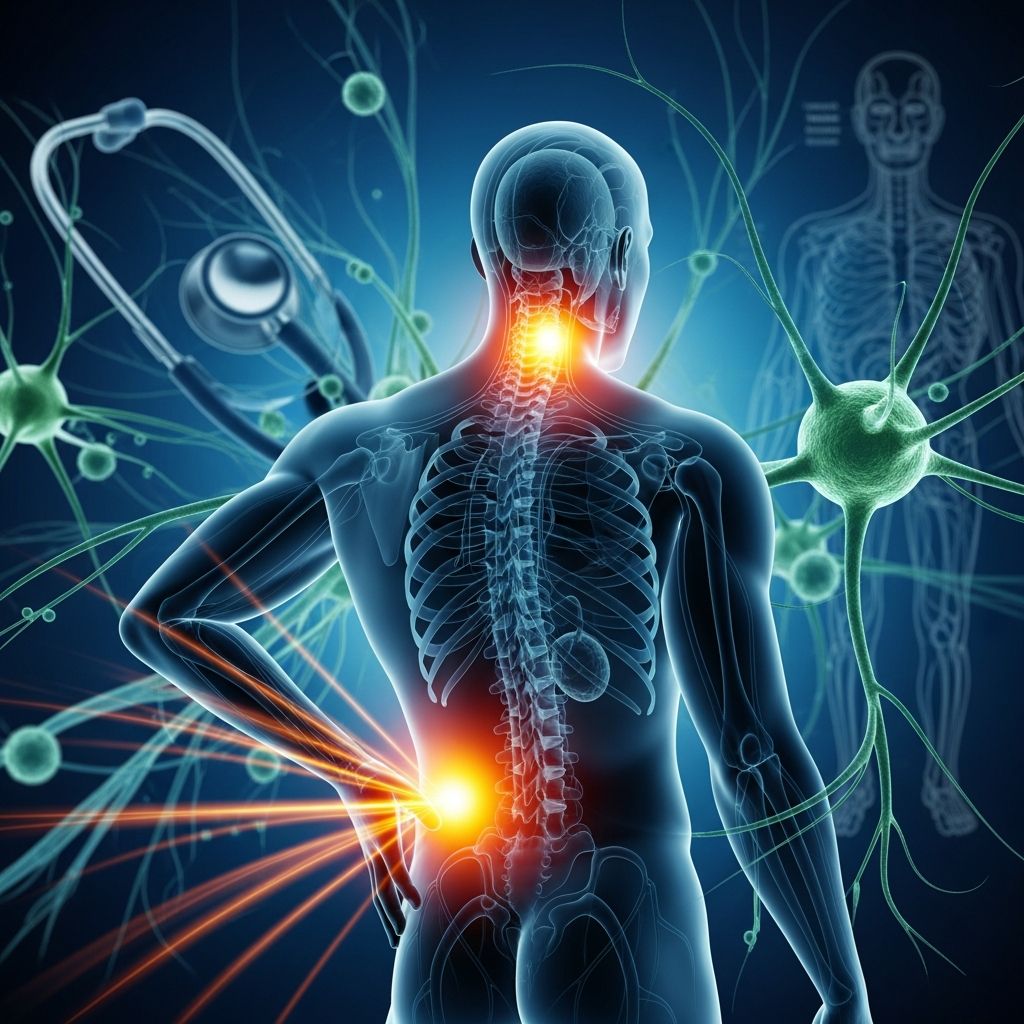
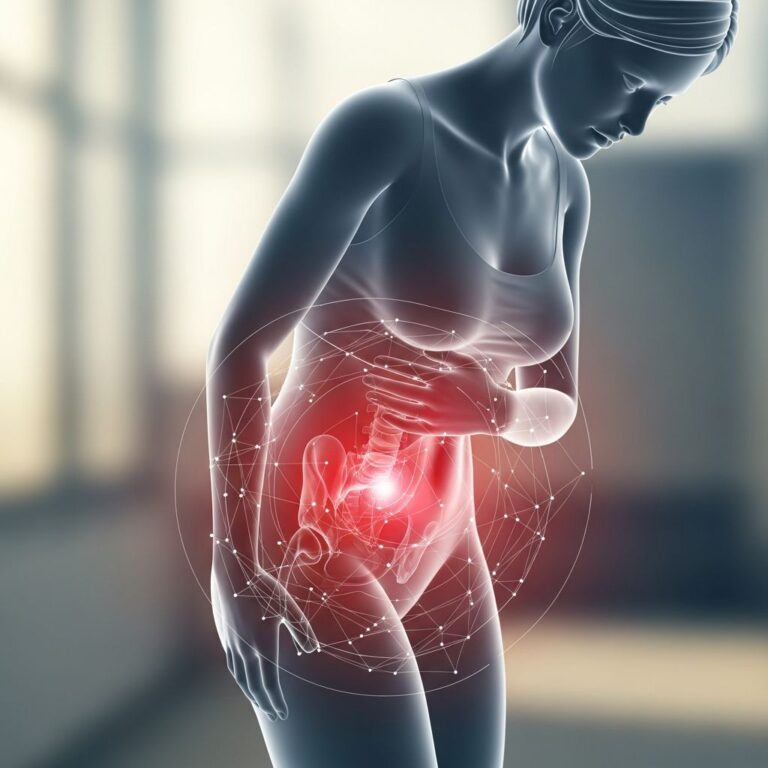
Pain serves as the body’s primary warning system, alerting us to potential harm through an unpleasant sensory and emotional experience linked to actual or potential tissue damage.
The Nature of Pain: A Personal Experience
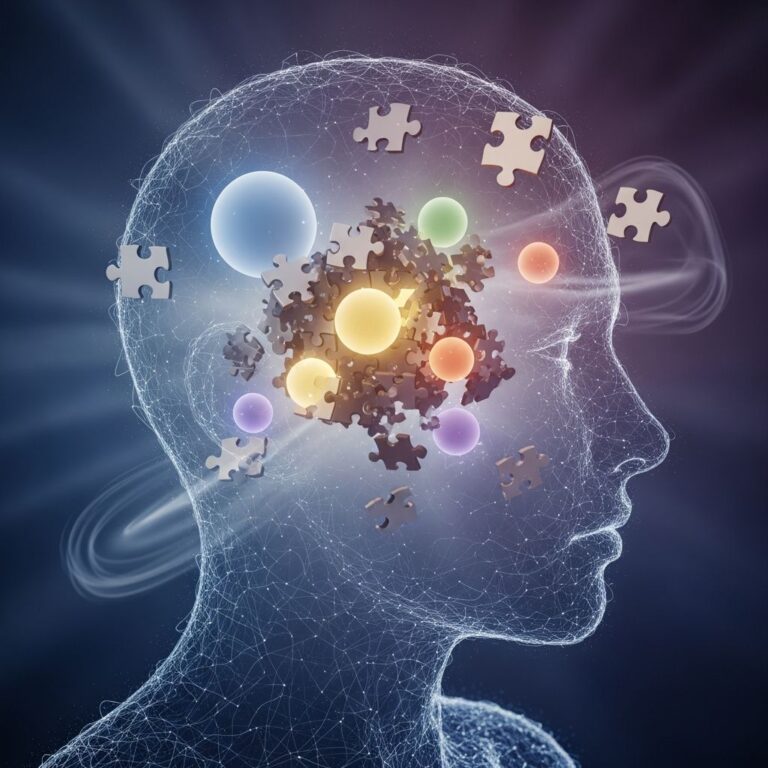
At its core, pain is not merely a physical sensation but a deeply personal phenomenon shaped by biological, psychological, and social influences. The International Association for the Study of Pain (IASP) defines it as “an unpleasant sensory and emotional experience associated with, or resembling that associated with, actual or potential tissue damage.” This updated definition, revised in 2020 after decades, emphasizes that pain is always subjective—individuals learn its meaning through life experiences, and their self-reports must be respected.
Unlike nociception, which is the nervous system’s detection of harmful stimuli like heat or cuts, pain does not always require nociception, and vice versa. Nociception is objective, involving sensory neurons, but pain emerges subjectively in the brain. For instance, someone might feel pain from a light touch due to heightened sensitivity, or experience no pain despite tissue damage under certain conditions.
Classifying Pain by Duration and Characteristics
Pain manifests in various forms, primarily distinguished by how long it lasts and its underlying mechanisms. Understanding these categories helps in diagnosis and treatment.
- Acute Pain: This short-term discomfort arises suddenly from injury, surgery, or inflammation. It acts protectively, prompting rest and avoidance of further harm, such as the sharp sting of a sprained ankle or a burn from touching something hot. Acute pain typically resolves with healing, often within days to weeks.
- Chronic or Persistent Pain: Defined as pain lasting beyond three months or the expected healing time, chronic pain affects quality of life profoundly. It may stem from ongoing conditions like arthritis or nerve damage and often lacks a protective purpose, instead causing fatigue, sleep issues, and emotional distress.
- Recurrent or Episodic Pain: This type flares up periodically, as seen in migraines or sickle cell crises, interspersed with pain-free intervals.
Further categorization includes nociceptive pain from tissue damage, neuropathic pain from nerve issues, and nociplastic pain from altered pain processing.
How Pain Signals Travel Through the Body
The journey of a pain signal begins at nociceptors—specialized nerve endings in skin, muscles, and organs that detect extremes like intense heat, pressure, or chemicals released during injury. These signals travel via specialized nerve fibers through the spinal cord to the brain, involving a complex network akin to a sophisticated computer system.
In the spinal cord, neurotransmitters—over 100 types identified—facilitate signal transmission in tiny amounts. Repetitive signals can amplify through a process called ‘wind-up,’ where the system becomes hypersensitive, perpetuating pain even after the initial trigger fades. This contributes to chronic pain’s persistence.
Upon reaching the brain, signals are processed in areas handling sensation, emotion, and memory, explaining why pain feels different for everyone—past traumas or anxiety can intensify it.
| Pain Pathway Stage | Description | Key Components |
|---|---|---|
| Peripheral Detection | Nociceptors sense damage | Skin, organs, nerve endings |
| Transmission | Signals to spinal cord | A-delta and C-fibers, neurotransmitters |
| Central Processing | Brain interprets signal | Thalamus, cortex, emotional centers |
Factors Influencing Pain Perception
Pain is modulated by more than biology. Psychological elements like stress or depression can heighten sensitivity, while social support may lessen it. Verbal reports are just one expression; nonverbal cues like grimacing indicate pain in those unable to speak, including animals.
Related Stories



Cultural background and expectations also play roles—some view pain as weakness, others as endurance-building. Adaptive in acute forms, chronic pain can impair function, relationships, and mental health.
Chronic Pain: Symptom or Disease?
Debate persists on whether chronic pain is merely a symptom or a standalone disease. The IASP’s ICD-11 classification treats certain chronic pains, like fibromyalgia or nonspecific back pain, as ‘chronic primary pain’—a disease entity. Others, such as cancer-related or neuropathic pain, fall under ‘chronic secondary pain.’ This shift recognizes chronic pain’s complexity, involving biopsychosocial interactions beyond initial injury.
Traditionally a symptom, its disease status in modern classifications aims to improve recognition and treatment, as prior underrepresentation in health codes hindered care.
Strategies for Effective Pain Management
Managing pain requires a multifaceted approach, tailored to type and individual factors.
Pharmacological Options
Acute pain often responds to over-the-counter analgesics like ibuprofen for inflammation or acetaminophen for general relief. Opioids may be used short-term for severe cases but carry risks. Chronic pain might involve antidepressants or anticonvulsants for nerve pain.
Non-Drug Therapies
- Physical Therapy: Exercises strengthen muscles and improve mobility, reducing back or joint pain.
- Cognitive Behavioral Therapy (CBT): Helps reframe pain perceptions, alleviating emotional burden.
- Mindfulness and Acupuncture: These reduce perceived intensity by altering brain processing.
Lifestyle Adjustments
Regular exercise, balanced diet, and sleep hygiene mitigate chronic pain. Heat/cold packs and ergonomic changes provide immediate relief.
When to Seek Professional Help
Consult a doctor if pain persists beyond expected healing, worsens, or accompanies symptoms like fever, unexplained weight loss, or numbness. Early intervention prevents chronicity.
Frequently Asked Questions (FAQs)
What is the difference between acute and chronic pain?
Acute pain is short-term and protective, resolving with treatment; chronic pain lasts over three months, often without clear benefit.
Can pain exist without tissue damage?
Yes, due to central sensitization or psychological factors, resembling damage-related pain.
Is chronic pain a mental health issue?
No, but psychological factors influence it; it’s a biopsychosocial condition.
How does stress affect pain?
Stress amplifies pain signals via hormonal changes and muscle tension.
What role do neurotransmitters play in pain?
They transmit signals between nerves; imbalances contribute to persistence.
Conclusion: Empowering Better Pain Control
Grasping pain’s intricacies empowers proactive management. By respecting its personal nature and employing evidence-based strategies, individuals can reclaim daily functioning and well-being.
References
- IASP Announces Revised Definition of Pain — International Association for the Study of Pain. 2020-07-29. https://www.iasp-pain.org/publications/iasp-news/iasp-announces-revised-definition-of-pain/
- PAIN Definition & Meaning — Merriam-Webster. Accessed 2026. https://www.merriam-webster.com/dictionary/pain
- What is pain? — The British Pain Society. Accessed 2026. https://www.britishpainsociety.org/about/what-is-pain/
- What is the definition of pain? — European Pain Federation. Accessed 2026. https://europeanpainfederation.eu/what-is-pain/
- Pain — MedlinePlus (U.S. National Library of Medicine). Accessed 2026. https://medlineplus.gov/pain.html
- About pain — Faculty of Pain Medicine, Royal College of Anaesthetists. Accessed 2026. https://fpm.ac.uk/opioids-aware-understanding-pain-medicines-pain/about-pain
Similar Articles








Read full bio of medha deb