Parkinson’s Disease: Symptoms, Causes, Treatments & Care
Explore the essentials of Parkinson's disease: from brain changes and symptoms to management strategies for better living.
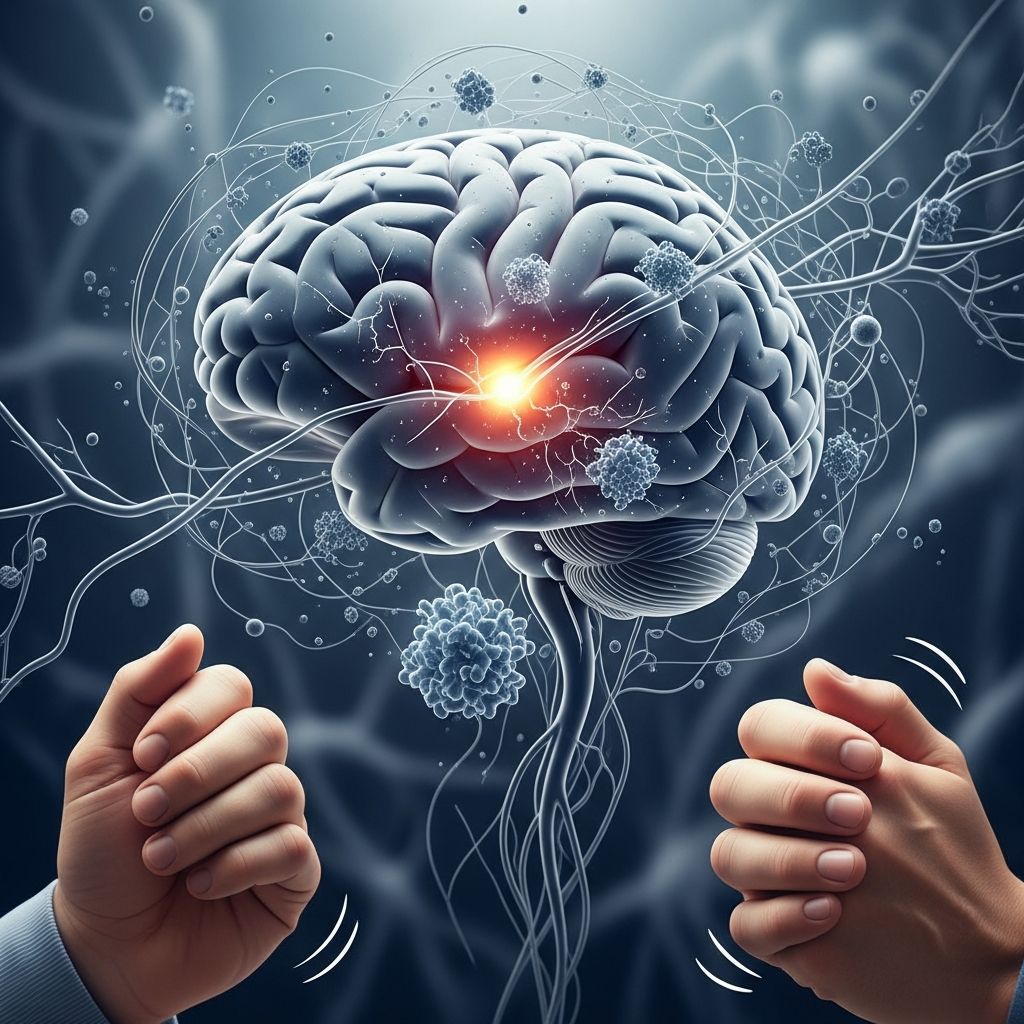
Parkinson’s disease (PD) represents a chronic neurodegenerative condition primarily targeting the brain’s dopamine-producing cells, leading to a cascade of motor and non-motor challenges that intensify over time. This disorder disrupts normal movement coordination and extends to cognitive, emotional, and sensory functions, affecting millions worldwide.
The Neurological Foundations of Parkinson’s
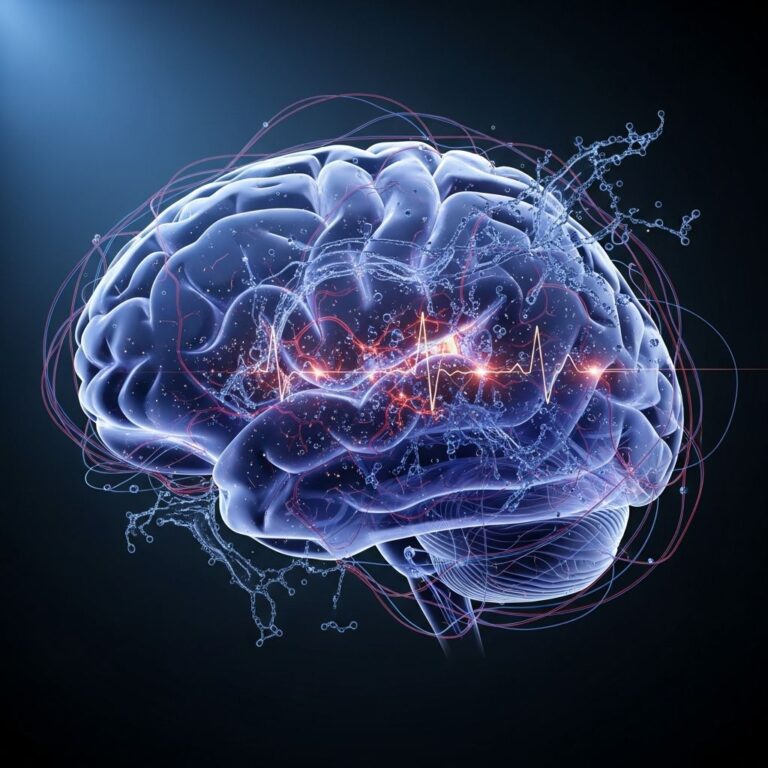
At its core, PD stems from the gradual degeneration of neurons in the substantia nigra, a midbrain region vital for producing dopamine—a neurotransmitter essential for smooth, purposeful movements. As these cells die off, dopamine levels plummet, causing irregular signaling in the basal ganglia, the brain’s movement regulation hub. This dopamine deficit not only hampers motor control but also influences norepinephrine, another chemical messenger linked to blood pressure and alertness.
Research highlights that while most cases are idiopathic—meaning the exact trigger remains unknown—genetic mutations account for about 10-15% of instances, with environmental factors like pesticide exposure elevating risk. The disease’s progression varies individually, often spanning years before severe impairment sets in.
Recognizing Motor Manifestations
Motor symptoms dominate PD discussions, emerging asymmetrically—typically on one side—before spreading. Key indicators include:
- Tremor: A rhythmic, resting shake often likened to pill-rolling in the hands, diminishing during voluntary action.
- Bradykinesia: Sluggish initiation and execution of movements, making simple tasks laborious.
- Rigidity: Persistent muscle tension, yielding a cogwheel-like resistance when passively moved, often causing pain.
- Postural Instability: Balance deficits leading to stooped posture, shuffling gait, and frequent falls.
These features culminate in a characteristic Parkinsonian gait: short, accelerating steps with reduced arm swing and occasional freezing episodes. Over time, speech may soften or slur, handwriting shrinks (micrographia), and facial expressions diminish, fostering a masked appearance.
Beyond Movement: Non-Motor Challenges
PD’s reach extends far beyond physical motion, with non-motor symptoms often preceding motor ones and profoundly impacting daily life. These encompass:
- Cognitive and Psychological Effects: Mild issues like concentration lapses evolve into dementia in up to 80% of advanced cases; depression, anxiety, and apathy are prevalent.
- Sleep Disturbances: Insomnia, REM sleep behavior disorder (acting out dreams), and daytime fatigue plague many.
- Autonomic Dysfunction: Constipation, urinary urgency, orthostatic hypotension, and excessive sweating arise from norepinephrine loss.
- Sensory and Pain Issues: Unexplained aches, numbness, or hypersensitivity compound discomfort.
These symptoms underscore PD as a holistic syndrome, demanding multifaceted care.
Factors Influencing PD Onset and Progression
Though idiopathic in most, confirmed genetic links involve mutations in genes like SNCA, LRRK2, and PARKIN. Environmental culprits include herbicides and industrial solvents, while protective elements like caffeine and smoking (despite risks) correlate inversely. Age remains the paramount risk factor, with incidence surging post-60, albeit young-onset PD strikes before 50. Men face 1.5 times higher likelihood than women.
| Category | Factors | Impact Level |
|---|---|---|
| Genetic | SNCA, LRRK2 mutations | High (familial cases) |
| Environmental | Pesticides, herbicides | Moderate |
| Demographic | Age >60, male sex | High |
| Protective | Caffeine intake, smoking | Low-Moderate |
Diagnostic Approaches in Practice
No single test confirms PD; diagnosis hinges on clinical assessment via tools like the MDS-UPDRS, evaluating motor function, daily activities, cognition, and mood. Neurologists observe hallmark signs, response to levodopa, and rule out mimics like essential tremor or drug-induced parkinsonism through imaging (DaTscan) or trials. Early detection lags, but emerging biomarkers promise improved accuracy.
Related Stories



Comprehensive Treatment Landscape
While incurable, PD management effectively curbs symptoms and sustains independence. Strategies include:
- Pharmacotherapy: Levodopa (with carbidopa) replenishes dopamine, alongside agonists, MAO-B inhibitors, and COMT inhibitors to extend efficacy.
- Surgical Options: Deep brain stimulation (DBS) implants electrodes to modulate aberrant circuits for advanced cases.
- Rehabilitative Therapies: Physical, occupational, and speech therapy combat rigidity and gait issues; exercise rivals drugs in slowing progression.
Non-motor symptoms demand targeted interventions: antidepressants for mood, laxatives for constipation. Advanced therapies like focused ultrasound or gene trials herald future hope.
Lifestyle Adaptations for Optimal Management
Exercise—tai chi, cycling, boxing—bolsters balance and dopamine sensitivity. Nutrition emphasizes antioxidants, fiber; Mediterranean diets aid gut health. Support networks, mindfulness, and assistive devices preserve autonomy. Multidisciplinary teams coordinate care, tracking progression via scales.
Prognosis and Life Expectancy
PD advances slowly; early stages permit independence, later requiring aid. Life expectancy nears normal with treatment, though complications like pneumonia or falls pose risks. Quality of life hinges on proactive management.
Frequently Asked Questions (FAQs)
What causes the initial dopamine loss in PD?
The precise trigger eludes full grasp, blending genetic susceptibility and toxins harming substantia nigra neurons.
Can PD be prevented?
No guaranteed prevention exists, but minimizing toxin exposure and regular exercise may lower risk.
Is Parkinson’s hereditary?
Rarely; 85-90% cases are sporadic, familial ones trace to specific genes.
How does early diagnosis change outcomes?
Timely intervention maximizes treatment response, delaying disability.
Are there cures on the horizon?
Trials target neuroprotection and cell replacement; none approved yet.
References
- What is Parkinson’s? — Parkinson’s Foundation. 2023. https://www.parkinson.org/understanding-parkinsons/what-is-parkinsons
- Parkinson disease — World Health Organization. 2024-10-14. https://www.who.int/news-room/fact-sheets/detail/parkinson-disease
- Parkinson’s 101 — Michael J. Fox Foundation. 2024. https://www.michaeljfox.org/parkinsons-101
- Parkinson’s Disease: What It Is, Causes, Symptoms & Treatment — Cleveland Clinic. 2024-08-20. https://my.clevelandclinic.org/health/diseases/8525-parkinsons-disease-an-overview
- Parkinson’s disease – Symptoms and causes — Mayo Clinic. 2024. https://www.mayoclinic.org/diseases-conditions/parkinsons-disease/symptoms-causes/syc-20376055
- Parkinson’s Disease — MedlinePlus (U.S. National Library of Medicine). 2024. https://medlineplus.gov/parkinsonsdisease.html
Similar Articles








Read full bio of Sneha Tete