Understanding pH Balance: Why It Matters for Your Health
Learn what pH balance is, why it's crucial for your body, and how to maintain it naturally.
Understanding pH Balance: A Comprehensive Guide to Body Chemistry
pH balance is a fundamental concept in human physiology that plays a critical role in maintaining overall health and wellness. The term refers to the level of acidity or alkalinity present in different parts of your body. Understanding how pH works and why it matters can help you make informed decisions about your health and well-being.
What Is pH and How Does It Work?
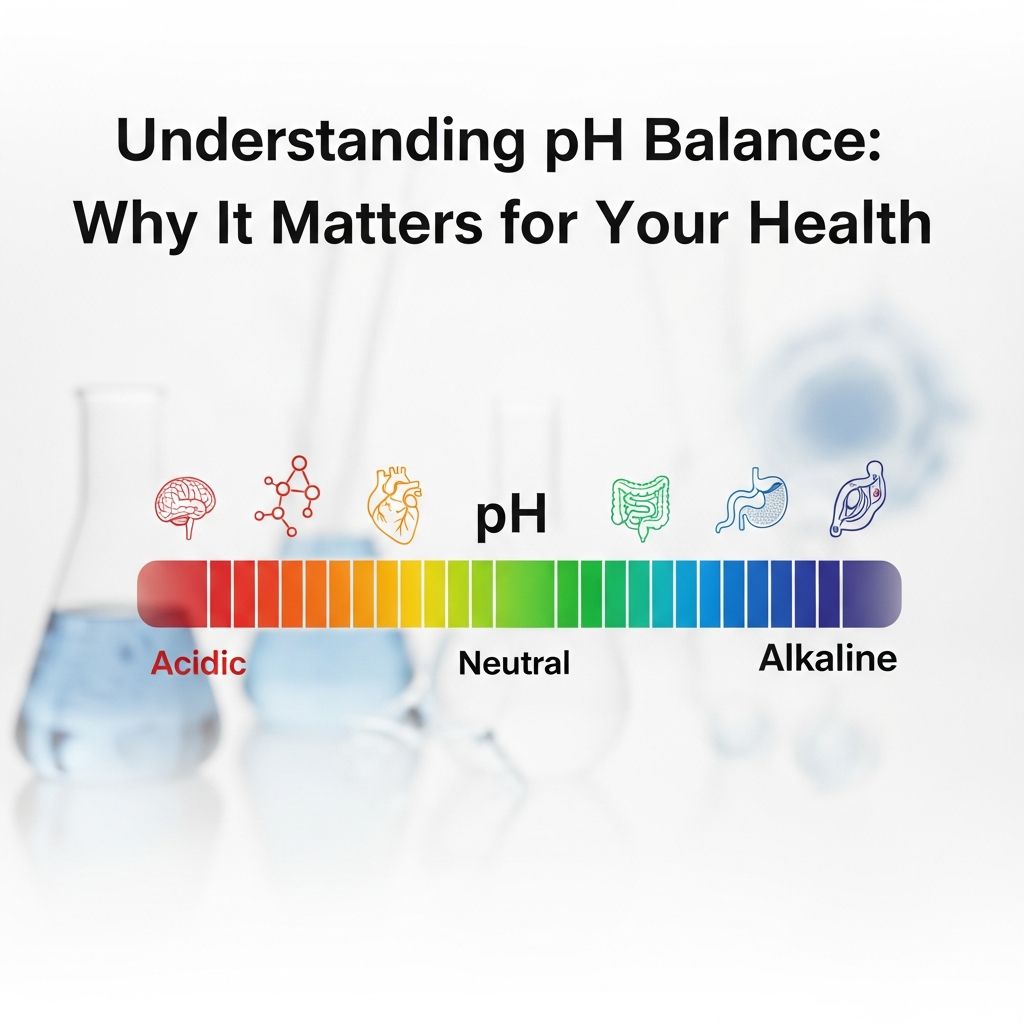
pH stands for ‘potential hydrogen’ and is measured on a scale ranging from 0 to 14. A pH level of 7 is considered neutral. Values below 7 indicate acidity, while values above 7 signify alkalinity. This scale is logarithmic, meaning each step represents a tenfold change in acidity or alkalinity.
Different parts of your body maintain different pH levels optimized for their specific functions. For example, your stomach is highly acidic—with a pH between 1.5 and 3.5—to facilitate digestion and break down food efficiently. In contrast, your blood maintains a slightly alkaline pH to support oxygen transport and various metabolic processes.
Normal Blood pH Range and Its Importance
The human body maintains extraordinarily tight control over blood pH. In the absence of disease, blood pH ranges between 7.35 to 7.45, with an average of 7.40. This narrow range is not arbitrary; it is essential for survival and optimal function.
Why 7.40 instead of a neutral 7.0? This slightly alkaline pH is ideal for multiple biological processes, most importantly blood oxygenation. At this precise pH level, blood can efficiently transport oxygen to tissues throughout your body. Additionally, many intermediates of biochemical reactions in the body become properly ionized at this pH, making them readily available for cellular processes.
Any deviation from this narrow range can have serious health consequences. A pH below 7.35 is termed acidemia, while a pH above 7.45 is called alkalemia. Both conditions can impair organ function and cellular processes.
How Your Body Regulates pH Balance
Your body employs sophisticated physiological mechanisms to maintain pH balance automatically. Two primary organ systems work in concert to regulate pH: the respiratory system and the renal (kidney) system.
The Respiratory System’s Role
The respiratory system adjusts pH through the management of carbon dioxide. When you breathe, you expel carbon dioxide into the environment. Because carbon dioxide forms carbonic acid when it combines with water in your body, the amount of carbon dioxide you exhale directly affects your blood pH. If your body becomes too acidic, you automatically breathe faster to expel more carbon dioxide and raise pH. Conversely, if your body becomes too alkaline, you breathe more slowly to retain carbon dioxide and lower pH. This respiratory compensation occurs within minutes to hours.
The Renal System’s Role
The kidneys regulate pH by controlling the excretion of hydrogen ions and bicarbonate through urine. This process is slower than respiratory compensation but provides longer-term pH regulation. The kidneys can selectively retain or eliminate acids and bases, allowing fine-tuning of blood pH over hours to days.
Related Stories



Vaginal pH Balance: A Special Case
While systemic pH is tightly controlled, specific body regions maintain unique pH levels suited to their function. The vagina is a prime example of specialized pH management.
Normal Vaginal pH Range
The normal pH level of the vagina is around 3.8 to 4.5. This moderately acidic environment is crucial for vaginal health and plays a protective role. This acidic pH is slightly more acidic than the skin’s surface pH, which ranges from 4 to 7.
How Vaginal Acidity Is Maintained
The vagina maintains its acidic environment through the activity of beneficial bacteria called lactobacilli. These bacteria secrete lactic acid and hydrogen peroxide, which create and sustain the vagina’s naturally acidic pH. This acidic environment protects against harmful bacterial and fungal infections by inhibiting their growth.
Consequences of Imbalanced Vaginal pH
When vaginal pH rises above the normal range, the environment becomes more alkaline, allowing harmful bacteria and yeast to proliferate. This can lead to bacterial vaginosis, yeast infections, and other uncomfortable conditions. Multiple factors can disrupt vaginal pH balance, including:
- Bacterial and yeast infections
- Douching or over-washing the vaginal area
- Menstrual blood presence
- Sexual activity
- Hormonal changes during menopause
- Use of antibiotics
- Certain contraceptive methods
Why pH Balance Matters for Overall Health
Maintaining proper pH balance is essential for numerous aspects of health and wellness:
Preventing Infections and Discomfort
A balanced pH level, particularly in intimate areas, helps prevent irritation, discomfort, and infection. The acidic environment created by proper pH levels naturally discourages the growth of harmful microorganisms.
Supporting Natural Defenses
Correct pH levels support your body’s natural defense mechanisms against harmful bacteria and pathogens. When pH is balanced, your body can more effectively maintain its protective barriers.
Promoting Skin Health
Skin health is directly connected to pH balance. Proper pH levels help maintain healthy skin by supporting beneficial bacteria while inhibiting harmful ones. This connection extends to body odor control; a balanced pH helps prevent odor-causing bacteria from thriving.
Supporting Fertility
For individuals trying to conceive, maintaining balanced pH is important. The vaginal environment’s pH affects sperm survival and motility, making proper pH balance relevant to fertility.
Natural Ways to Maintain Optimal pH Balance
While your body naturally regulates pH through built-in mechanisms, lifestyle choices can support this process:
Dietary Approaches
- Eat alkaline-forming foods: Incorporate plenty of fruits and vegetables, particularly leafy greens, cucumbers, and melons, which are alkaline-forming and help balance body pH
- Limit processed foods: Reduce intake of processed and sugary foods, which can disrupt pH balance and promote acidity
- Include probiotics: Consume probiotic-rich foods such as yogurt and fermented foods to support beneficial bacteria that help maintain healthy pH
Hydration
Drinking adequate water—aim for at least 8 glasses daily—helps flush out toxins and supports your body’s natural pH regulation mechanisms.
Stress Management
Chronic stress can negatively affect your body’s pH levels. Engage in stress-reducing activities such as yoga, meditation, or regular exercise to support pH balance.
Personal Care Practices
For vaginal health specifically, avoid douching and over-washing, as these practices disrupt the natural pH balance and can lead to infections. Instead, use pH-balanced personal care products designed to support natural balance without harsh chemicals.
Testing and Monitoring pH Balance
If you suspect your pH balance may be off, particularly vaginal pH, testing is available both in clinical settings and at home. Healthcare providers can measure vaginal pH to help diagnose infections or imbalances. Home testing kits are also available and can provide preliminary information, though clinical confirmation is recommended if problems persist.
Normal Values for Acid-Base Balance
Healthcare providers use several values to assess acid-base balance:
| Parameter | Normal Range |
|---|---|
| pH | 7.35 to 7.45 |
| pCO₂ (partial pressure of carbon dioxide) | 35 to 45 mmHg |
| pO₂ (partial pressure of oxygen) | 75 to 100 mmHg |
| HCO₃⁻ (bicarbonate) | 22 to 26 mEq/L |
| O₂ Saturation | Greater than 95% |
The Bottom Line
pH balance is a critical aspect of human physiology that your body maintains through complex regulatory systems. While your body generally handles pH regulation automatically, understanding pH balance and supporting it through healthy lifestyle choices can contribute to your overall wellness. For vaginal health specifically, maintaining the naturally acidic environment through proper hygiene practices and pH-balanced products is essential. If you notice signs of pH imbalance—such as vaginal discomfort, unusual discharge, or persistent odor—consult a healthcare provider for evaluation and guidance.
Frequently Asked Questions (FAQs)
Q: What is the ideal pH level for the human body?
A: Blood pH should remain between 7.35 and 7.45, with 7.40 as the average. This slightly alkaline range is optimal for oxygen transport and biochemical processes. Different body regions maintain different pH levels suited to their specific functions.
Q: What happens if blood pH becomes too acidic or too alkaline?
A: If blood pH falls below 7.35, it causes acidemia, which can impair organ function and metabolic processes. If pH rises above 7.45, it causes alkalemia, which also disrupts normal physiology. Both conditions can have serious health consequences if prolonged.
Q: Can diet alone change blood pH?
A: While diet can influence overall health and support your body’s natural pH regulation, blood pH is tightly controlled by respiratory and renal systems regardless of diet. However, eating a balanced diet rich in fruits and vegetables supports these regulatory mechanisms.
Q: What is the normal vaginal pH range?
A: The normal vaginal pH is between 3.8 and 4.5, which is moderately acidic. This acidic environment is maintained by beneficial lactobacilli bacteria and helps protect against infections.
Q: What causes vaginal pH imbalance?
A: Several factors can disrupt vaginal pH, including bacterial or yeast infections, douching, menstrual blood, sexual activity, hormonal changes, antibiotics, and certain contraceptive methods. When pH rises above the normal range, harmful bacteria and yeast can proliferate.
Q: How can I maintain healthy vaginal pH?
A: Maintain vaginal pH by avoiding douching and over-washing, using pH-balanced personal care products, maintaining good hygiene, managing stress, and seeking treatment promptly for any infections. Eating a healthy diet rich in probiotics also supports vaginal health.
Q: Is testing vaginal pH at home reliable?
A: Home pH testing kits can provide preliminary information about vaginal pH, but clinical testing by a healthcare provider is more reliable for accurate diagnosis. If you suspect pH imbalance or infection, consult a healthcare professional.
Q: How quickly can the respiratory system adjust blood pH?
A: The respiratory system can adjust blood pH relatively quickly, within minutes to hours, by increasing or decreasing the rate of carbon dioxide exhalation.
References
- What Is pH Balance & Why It Matters — Good Clean Love. https://goodcleanlove.com/blogs/making-love-sustainable/what-is-ph-balance-why-it-matters
- Physiology, Acid Base Balance — StatPearls, NCBI Bookshelf. National Center for Biotechnology Information. https://www.ncbi.nlm.nih.gov/books/NBK507807/
- Vaginal pH Balance: Normal Levels and Natural Remedies — Medical News Today. https://www.medicalnewstoday.com/articles/322537
- Vaginal pH: How to Keep a Healthy Balance — IVI UK. https://www.ivi.uk/blog/vaginal-ph/
Similar Articles








Read full bio of Sneha Tete