Understanding Phobias: Proven Strategies To Conquer Fear
Explore the nature of phobias, their types, symptoms, causes, and effective treatments to reclaim control over your life.
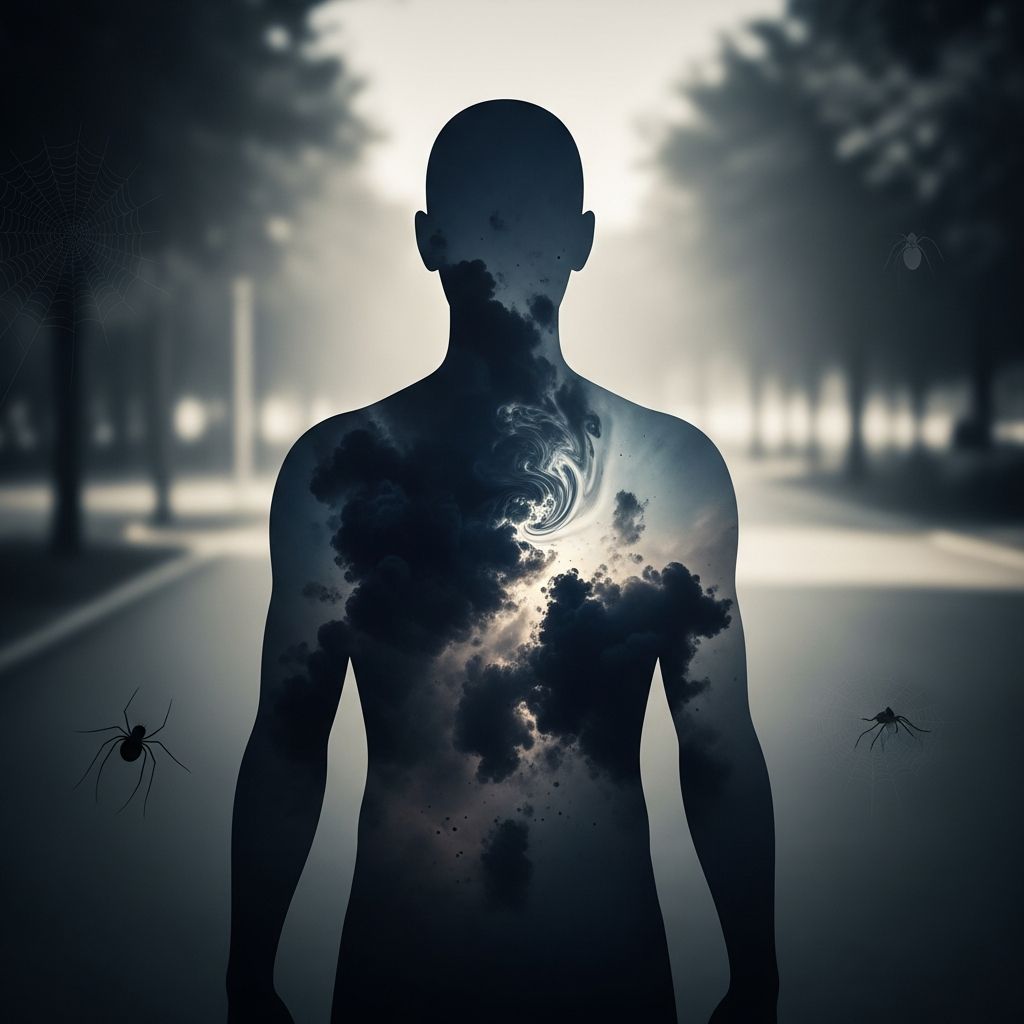
Phobias represent a significant category of anxiety disorders characterized by overwhelming and persistent fears of specific objects, situations, or activities that pose little to no real danger. Unlike general anxiety or temporary fears, phobias trigger intense emotional and physical responses that can severely limit daily functioning. This article delves into the intricacies of phobias, from their definitions and classifications to symptoms, origins, diagnosis, management strategies, and long-term coping mechanisms. By synthesizing insights from authoritative health organizations, we aim to provide a thorough resource for those affected and their loved ones.
The Essence of Phobias: More Than Just Fear
A phobia is defined as an extreme, irrational aversion to a particular trigger, evoking anxiety disproportionate to the actual threat. Individuals with phobias often go to great lengths to avoid the feared stimulus, which can lead to isolation or missed opportunities. For instance, someone with a flying phobia might forgo vacations or career advancements requiring air travel. While everyone experiences fear as a natural survival mechanism, phobias escalate this response into debilitating panic.
Phobias differ from everyday worries in their specificity and intensity. The fear is immediate and automatic upon encountering or even thinking about the trigger, often accompanied by a fight-or-flight reaction. This distinguishes them from broader anxiety disorders, though they frequently co-occur.
Classifying Phobias: Specific vs. Complex
Phobias are broadly categorized into
specific phobias
andcomplex phobias
, each with distinct characteristics, onset patterns, and impacts.Specific Phobias: Targeted Terrors
Specific phobias focus on identifiable objects or scenarios and typically emerge in childhood or adolescence. They often diminish with age but can persist without intervention. These are the most prevalent type, affecting daily life only when exposure is unavoidable.
Common subtypes include:
- Animal phobias: Fear of creatures like spiders (**arachnophobia**), snakes (**ophidiophobia**), dogs (**cynophobia**), or insects.
- Environmental phobias: Dread of natural elements such as heights (**acrophobia**), storms (**astraphobia**), or deep water (**thalassophobia**).
- Situational phobias: Anxiety about activities like flying (**aviophobia**), driving, or enclosed spaces (**claustrophobia**).
- Blood-injection-injury phobias: Panic over medical procedures, needles (**trypanophobia**), blood (**hemophobia**), or injury.
- Other phobias: Unusual fears like clowns (**coulrophobia**), vomiting (**emetophobia**), or crowds (**enochlophobia**).
Complex Phobias: Deep-Rooted Disruptions
Complex phobias develop later in life, often in adulthood, and stem from intertwined anxieties. They are more pervasive and challenging, frequently linked to panic disorder.
Key examples:
- Agoraphobia: Fear of situations where escape might be difficult or help unavailable, such as open spaces, crowds, public transport, or being alone outside. Severe cases result in homebound living.
- Social phobia (social anxiety disorder): Intense fear of social scrutiny, public speaking (**glossophobia**), or everyday interactions, leading to avoidance of social settings.
Recognizing Phobia Symptoms: Physical and Emotional Signs
Phobias manifest through a spectrum of symptoms that can mimic serious medical conditions, prompting unnecessary emergency visits. Upon exposure, individuals experience acute distress.
| Physical Symptoms | Emotional/Behavioral Symptoms |
|---|---|
| Unsteadiness, dizziness, lightheadedness | Irrational worry about encountering the trigger |
| Nausea, upset stomach | Active avoidance of the feared object/situation |
| Sweating, trembling, shaking | Immediate intense anxiety or panic attacks |
| Increased heart rate, palpitations | Enduring exposure only with severe distress |
| Shortness of breath, choking sensation | Interference with work, relationships, or routines |
Related Stories



These reactions are consistent across phobias but vary in severity. For blood phobias, a unique vasovagal response may cause fainting.
Unraveling the Causes: Why Do Phobias Develop?
The origins of phobias are multifaceted, involving genetic, environmental, and psychological elements. No single cause exists, but key contributors include:
- Genetics and Biology: Family history increases risk, suggesting heritability. Brain areas like the amygdala, which processes fear, may be overactive.
- Traumatic Experiences: A negative event, such as a dog bite or plane turbulence, can imprint lasting fear via classical conditioning.
- Learned Behaviors: Observing parental fears can model phobic responses in children (vicarious learning).
- Evolutionary Factors: Innate preparedness for dangers like heights or venomous animals explains some prevalence.
Complex phobias often link to underlying anxiety disorders or panic, exacerbating avoidance cycles.
Diagnosis: Identifying When Fear Becomes a Phobia
Healthcare providers diagnose phobias through clinical interviews assessing fear intensity, avoidance duration (typically 6+ months), and life impairment. Tools like the DSM-5 criteria distinguish phobias from normal caution. No lab tests exist, but ruling out medical issues (e.g., thyroid problems) is standard. Self-screening questionnaires aid initial recognition.
Prevalence: Specific phobias affect about 8% of women and 3% of men annually, with many holding multiple fears.
Treatment Pathways: Effective Strategies for Recovery
Phobias are highly treatable, with 90% success rates for specific types via targeted therapies. Primary approaches include:
Psychotherapy: The Gold Standard
Cognitive Behavioral Therapy (CBT) is first-line, reframing distorted thoughts and reducing avoidance. Exposure therapy, a CBT cornerstone, gradually introduces the fear in controlled settings—imaginal, virtual reality, or in vivo—building tolerance.
- Systematic Desensitization: Pairing relaxation with progressive exposure.
- Flooding: Immediate full exposure until anxiety subsides.
Medications: Supportive Role
Antidepressants (SSRIs like sertraline) or anti-anxiety meds (benzodiazepines, short-term) manage symptoms, especially for complex phobias. Beta-blockers help performance fears like public speaking.
Self-Help and Lifestyle Interventions
Mindfulness, deep breathing, and physical activity complement professional care. Apps with exposure hierarchies empower self-management.
Prevention and Long-Term Management
Early intervention prevents escalation. Parents can model calm responses to fears. Ongoing maintenance involves booster exposure sessions and stress management to prevent relapse.
Frequently Asked Questions (FAQs)
Can phobias be cured completely?
Yes, many achieve full remission with therapy; others manage symptoms effectively long-term.
Are phobias only in adults?
No, specific phobias often start in youth, while complex ones emerge later.
Do all phobias require treatment?
Not if they don’t impair life; monitoring suffices for mild cases.
Can phobias lead to other disorders?
Yes, untreated phobias heighten risks for depression, substance use, or panic disorder.
How long does treatment take?
Specific phobias: 8-12 sessions; complex: longer, 3-6 months.
Phobias Demystified: A Quick Reference Table
| Phobia Name | Trigger | Category |
|---|---|---|
| Arachnophobia | Spiders | Animal |
| Acrophobia | Heights | Environmental |
| Claustrophobia | Confined spaces | Situational |
| Trypanophobia | Injections | Blood-Injury |
| Agoraphobia | Open/public spaces | Complex |
| Social Phobia | Social situations | Complex |
References
- Overview – Phobias – NHS — NHS. 2023. https://www.nhs.uk/mental-health/conditions/phobias/overview/
- Phobias and Phobia-Related Disorders — National Institute of Mental Health (NIMH). 2023. https://www.nimh.nih.gov/health/publications/phobias-and-phobia-related-disorders
- Phobias: What They Are, Causes, Symptoms & Treatments — Cleveland Clinic. 2023-10-27. https://my.clevelandclinic.org/health/diseases/24757-phobias
- Specific Phobias – Mental Health Disorders — Merck Manuals. 2023. https://www.merckmanuals.com/home/mental-health-disorders/anxiety-and-stressor-related-disorders/specific-phobias
- The Ultimate List of Phobias — Psych Central. 2023. https://psychcentral.com/disorders/list-of-phobias
- Some Common Phobias — MSD Manuals. 2023. https://www.msdmanuals.com/home/multimedia/table/some-common-phobias
- Facing Your Fears And Phobias — Psychology Tools. 2023. https://www.psychologytools.com/resource/facing-your-fears-and-phobias
Similar Articles








Read full bio of Sneha Tete