Pink Eye: Causes, Symptoms, Treatment, And Prevention
Discover the essentials of pink eye, from symptoms and types to effective treatments and prevention strategies for this common eye inflammation.
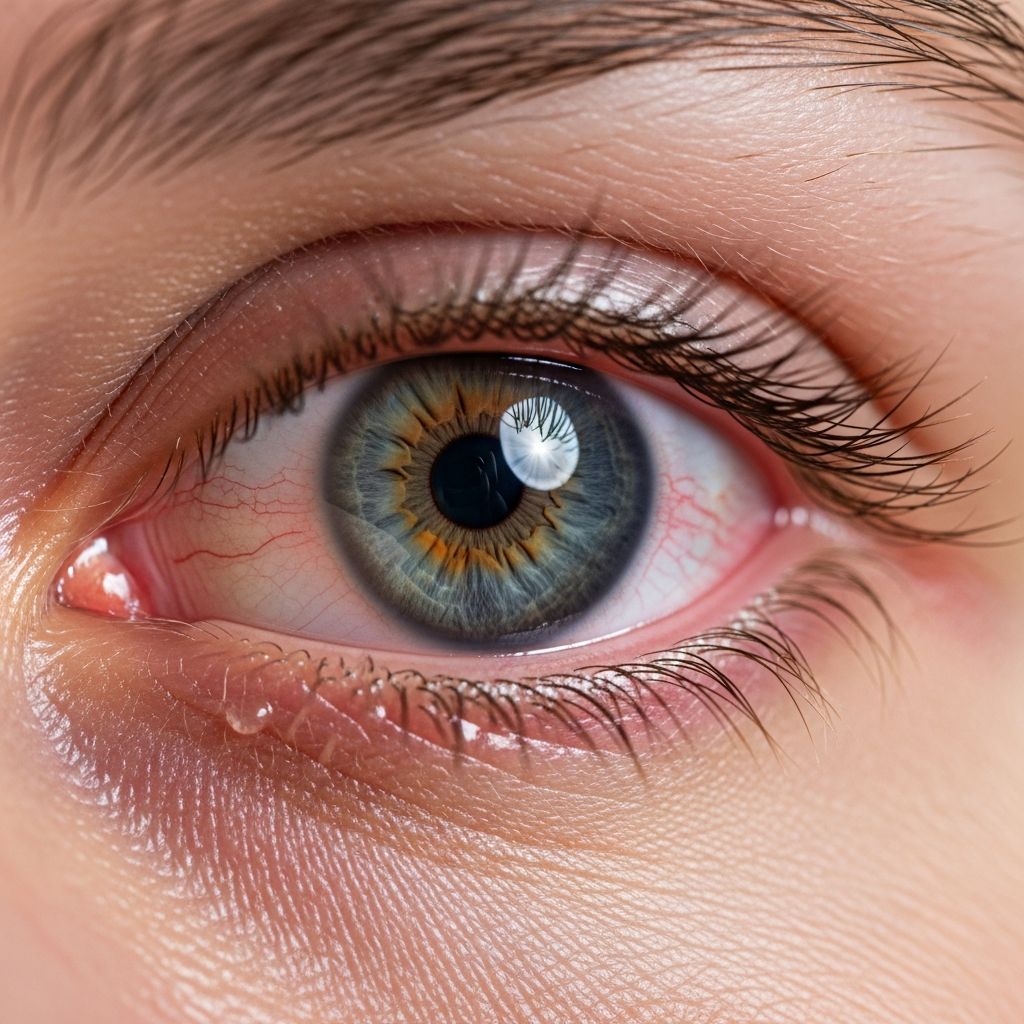
Pink eye, clinically termed conjunctivitis, involves irritation of the thin, transparent tissue covering the white of the eye and inner eyelids. This condition makes small blood vessels more prominent, giving eyes their signature reddish hue. It ranks among the most frequent ocular issues, often mild but sometimes highly transmissible, particularly in communal environments like schools or offices.
The Anatomy Behind Pink Eye
The conjunctiva serves as a protective barrier, producing mucus and tears to shield the eye from debris and germs. When inflamed, it leads to discomfort and visible changes. Factors triggering this response range from microbes to environmental triggers, each demanding distinct management approaches.
Primary Forms of Conjunctivitis
Conjunctivitis falls into infectious and non-infectious categories, with subtypes influencing spread risk and remedies.
Infectious Variants
- Viral Type: Most prevalent, linked to common colds via adenoviruses. Features watery output, unilateral onset spreading bilaterally, and itchiness. Self-resolves in 7-14 days; antivirals rare except for herpes-related cases.
- Bacterial Type: Caused by bacteria like staphylococcus, yielding thick yellow-green pus, crusty lids, and swelling. Responds to prescribed antibiotic drops or ointments, improving in 24-48 hours.
Non-Infectious Variants
- Allergic Type: Triggered by pollen, dander, or dust; bilateral with severe itching, tearing, and lid puffiness. Non-contagious, managed by allergen avoidance and antihistamines.
- Irritant Type: From chemicals, smoke, or foreign objects; causes burning and redness. Clears with flushing and irritant removal.
Recognizing Key Symptoms
Shared signs across types include eye redness, excessive tears or discharge, gritty feelings, swollen lids, light aversion, and morning crusting. Bacterial cases show pus-like matter; viral ones watery flow; allergic intense itch.
| Symptom | Viral | Bacterial | Allergic |
|---|---|---|---|
| Discharge | Watery/clear | Thick yellow/green | Watery |
| Itching | Mild-moderate | Low | Severe |
| Affected Eyes | One then both | One or both | Both |
| Contagious | Yes | Yes | No |
This table highlights distinctions aiding initial self-assessment.
How Pink Eye Spreads
Viral and bacterial forms transmit via eye secretions, shared items like towels or makeup, tainted surfaces, or cough droplets. Contact lens users face elevated risks, including corneal issues. Allergic and irritant types do not spread.
- Avoid close contact during active symptoms.
- Stay home from work/school until 24 hours post-antibiotics for bacterial cases or symptom clearance for viral.
Home-Based Symptom Relief
Supportive measures ease discomfort across types:
- Clean eyes gently with warm water and lint-free cloth, inner to outer corner.
- Apply cool/warm compresses to reduce swelling and loosen crust.
- Use preservative-free artificial tears for lubrication.
- Avoid contacts, makeup, and rubbing eyes.
- For allergies, rinse with saline and use cool compresses.
These steps promote comfort while awaiting resolution.
Medical Interventions by Type
Viral Conjunctivitis
Primarily self-limiting (7-14 days, occasionally longer). Antibiotics ineffective; focus on hygiene. Severe cases (e.g., herpes) may need antivirals.
Related Stories



Bacterial Conjunctivitis
Antibiotic drops/ointments prescribed post-exam; complete full course to avert relapse. Rapid improvement expected.
Allergic Conjunctivitis
Antihistamine/vasoconstrictor drops, oral meds, or short-term steroids. Identify/eliminate triggers.
Irritant or Chemical Exposure
Flush with lukewarm water 5+ minutes; seek urgent care for corrosives.
Diagnosis in Clinical Settings
Eye specialists assess via history, vision checks, slit-lamp exams, and swab tests if needed. This rules out mimics like uveitis or keratitis, crucial for contact wearers.
Special Considerations for Children and Lens Wearers
Children experience frequent outbreaks in daycares; viral types mimic colds with lid matting from evaporated tears. Lens users risk severe bacterial complications like ulcers, marked by pain and photophobia—halt lens use immediately.
Prevention Strategies
Minimize transmission through:
- Frequent handwashing with soap.
- Avoiding eye touching.
- Not sharing towels, pillows, or cosmetics.
- Cleaning surfaces and disposing tissues promptly.
- For allergies: air filters, allergen-proof bedding.
When to Consult a Professional
Seek prompt care if symptoms include severe pain, vision loss, intense light sensitivity, persistent discharge post-treatment, or newborn onset. These signal potential complications.
Frequently Asked Questions (FAQs)
Is pink eye always contagious?
No, only viral/bacterial forms are; allergic/irritant are not.
Can I wear contacts with pink eye?
No, discontinue until fully resolved to prevent worsening.
How long does pink eye last?
Viral: 1-3 weeks; bacterial: up to 10 days with treatment; allergic: while exposed.
Are home remedies enough?
Often for mild cases, but consult for bacterial confirmation or non-improvement.
Can pink eye affect newborns?
Yes, potentially serious; requires immediate medical attention.
Long-Term Outlook and Myths Debunked
Most cases resolve without sequelae. Myth: All pink eye needs antibiotics—false, as viral types do not respond. Proper care prevents recurrences and spread.
In summary, recognizing pink eye’s type guides effective response, blending home care with timely professional input for optimal recovery.
References
- Recognizing and Treating Pink Eye: A Comprehensive Guide — AFC Urgent Care. 2023-10-15. https://www.afcurgentcare.com/methuen/blog/recognizing-and-treating-pink-eye-a-comprehensive-guide/
- Pink Eye (Conjunctivitis): Symptoms, Treatment & Causes — Cleveland Clinic. 2024-05-20. https://my.clevelandclinic.org/health/diseases/pink-eye-conjunctivitis
- The Parent’s Guide to Pink Eye — Nationwide Children’s Hospital. 2015-09-01. https://www.nationwidechildrens.org/family-resources-education/700childrens/2015/09/the-parents-guide-to-pink-eye
- Conjunctivitis (pink eye) — American Optometric Association. 2024-01-10. https://www.aoa.org/healthy-eyes/eye-and-vision-conditions/conjunctivitis
- How to Treat Pink Eye — Centers for Disease Control and Prevention (CDC). 2023-11-08. https://www.cdc.gov/conjunctivitis/treatment/index.html
- Conjunctivitis: A Comprehensive Guide — Optical Academy. 2024-02-14. https://optical-academy.com/diseases/conjunctivitis-a-comprehensive-guide/
- A closer look at pink eye: Self-care tips for conjunctivitis — Mayo Clinic Health System. 2023-07-22. https://www.mayoclinichealthsystem.org/hometown-health/speaking-of-health/changing-the-approach-to-pink-eye
Similar Articles








Read full bio of Sneha Tete