Pink Eye: Complete Guide To Conjunctivitis Care & Prevention
Comprehensive guide to causes, symptoms, diagnosis, and effective treatments for conjunctivitis in adults and children.
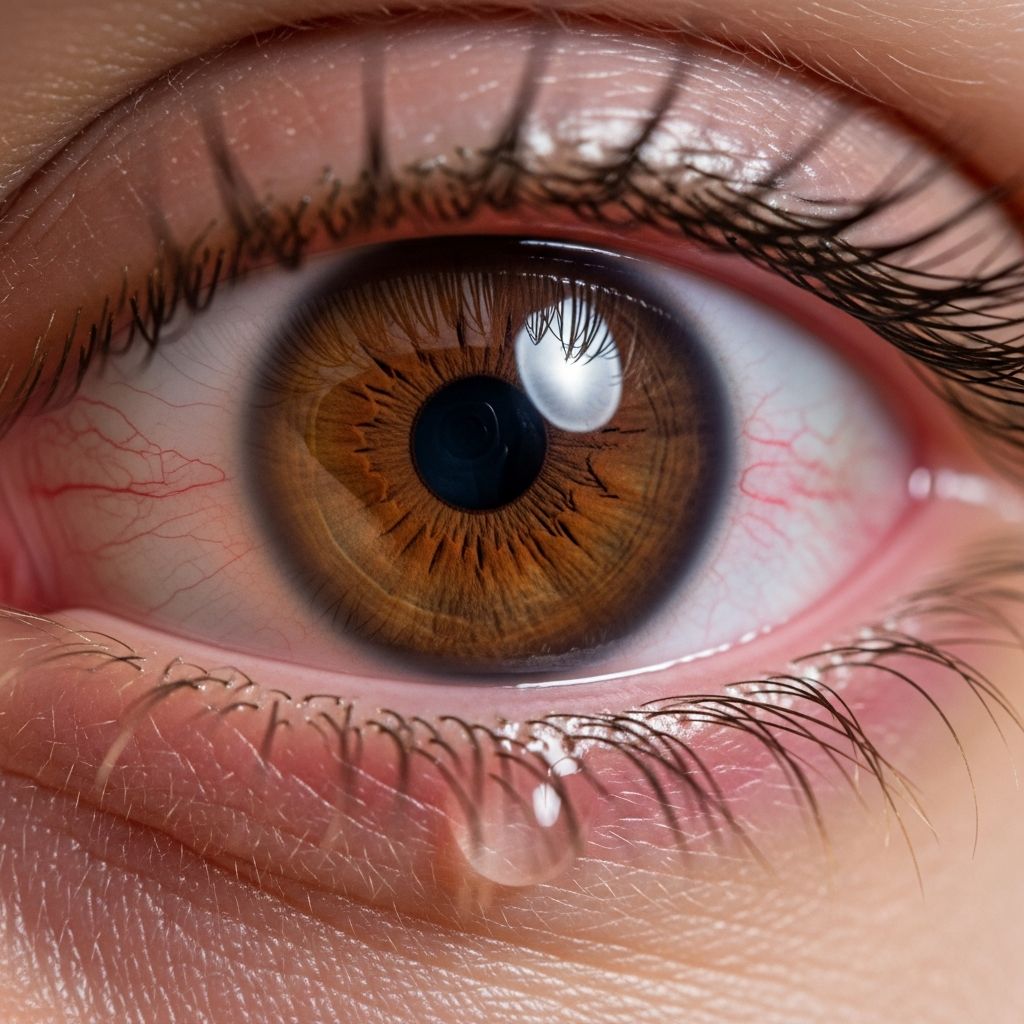
Pink eye, medically termed conjunctivitis, represents inflammation of the thin, transparent layer covering the white part of the eye and inner eyelids. This condition frequently arises from infections, allergies, or irritants, leading to noticeable redness and discomfort. While often self-limiting, prompt recognition and management prevent complications and curb transmission.
Defining the Anatomy and Role of the Conjunctiva
The conjunctiva serves as a protective barrier, producing mucus to lubricate the eye and shield against microbes and debris. When inflamed, blood vessels dilate, imparting the characteristic pink hue. This response can stem from diverse triggers, each dictating distinct clinical presentations and therapeutic paths.
Primary Categories of Pink Eye
Conjunctivitis manifests in three predominant forms: viral, bacterial, and allergic. Each type exhibits unique features influencing spread risk, duration, and intervention strategies.
- Viral conjunctivitis: Commonly linked to adenoviruses, it spreads via respiratory droplets or contaminated surfaces, often accompanying upper respiratory infections.
- Bacterial conjunctivitis: Triggered by bacteria like Staphylococcus or Streptococcus, producing thicker discharge and higher contagion potential.
- Allergic conjunctivitis: An immune reaction to allergens such as pollen or pet dander, typically bilateral and seasonal.
Less common variants include chemical-induced from irritants or giant papillary conjunctivitis associated with contact lens overuse.
Recognizing Initial Indicators
Early detection facilitates isolation and symptom mitigation. Initial signs often emerge subtly within hours of exposure:
- Sandy or gritty sensation under the eyelids.
- Subtle reddening of the sclera (eye whites).
- Excessive tearing or thin mucous secretion.
- Mild pruritus (itching) or foreign body feeling.
- Periocular puffiness or tenderness.
These precursors escalate rapidly, underscoring vigilance, particularly in communal settings like schools or offices.
Advanced Manifestations and Variations by Type
| Type | Key Symptoms | Discharge Characteristics | Contagion Level |
|---|---|---|---|
| Viral | Watery eyes, light sensitivity, burning | Clear/watery | High |
| Bacterial | Sticky lids upon waking, pain | Yellow/green, pus-like | High |
| Allergic | Intense itching, bilateral involvement | Stringy/clear | None |
Common across types: photophobia, blurred sight from secretions, and eyelid crusting. Viral cases may involve preauricular lymph node swelling, while bacterial forms yield copious exudate gluing eyes shut overnight.
Transmission Mechanisms and Risk Amplifiers
Highly infectious viral and bacterial strains propagate through direct contact with infected secretions, shared towels, or unclean hands. Contact lens wearers face elevated risk from poor hygiene or overwear. Children in daycare and immunocompromised adults warrant extra caution.
Professional Evaluation Processes
Clinicians diagnose via history, symptom review, and slit-lamp microscopy for detailed anterior segment inspection. Fluorescein staining detects epithelial defects. Discharge swabs enable culture identification for refractory cases or outbreak probes, distinguishing from mimics like keratitis or uveitis.
Telehealth suits mild presentations, but in-person exams suit severe pain, vision loss, or neonatal suspicion.
Tailored Therapeutic Approaches
Related Stories



Addressing Viral Forms
Supportive measures dominate: cool compresses reduce edema, artificial tears flush irritants. Hygiene prevents secondary spread. Rare herpetic cases may necessitate antivirals.
Combating Bacterial Infections
Topical antibiotics like erythromycin ointment or fluoroquinolone drops shorten duration and contagion window. Full courses (5-7 days) avert resistance.
Managing Allergic Reactions
Ocular antihistamines/decongestants, mast cell stabilizers, or corticosteroids offer relief. Allergen avoidance and oral agents like loratadine complement.
Self-Care Strategies for Symptom Alleviation
Universal aids include:
- Cleaning crusted lids with baby shampoo solution.
- Avoiding rubbing to prevent corneal abrasion.
- Discarding makeup and contacts during recovery.
- Handwashing post-touch.
NSAIDs manage discomfort; vasoconstrictor drops provide temporary decongestion.
Duration Expectations and Natural Resolution
Viral strains self-resolve in 1-2 weeks; bacterial may linger sans antibiotics. Allergic persist until allergen removal. Persistent symptoms beyond 10 days signal need for re-evaluation.
Preventive Protocols in Households and Communities
Isolate affected individuals, sanitize high-touch areas, and educate on hygiene. Schools enforce absenteeism until discharge cessation (24 hours post-antibiotics). Contact lens protocols emphasize solutions and case cleaning.
Special Considerations for Vulnerable Groups
Pediatric Cases
Infants risk chlamydial or gonococcal forms from maternal transmission, demanding systemic therapy. School-age outbreaks favor adenoviral spread.
Adult and Lens Wearers
Pseudomonas risks in lens users necessitate solution culture. Pregnant individuals avoid certain drops.
Newborn Safeguards
Ophthalmia neonatorum prophylaxis with erythromycin ointment at birth thwarts gonococcal peril.
When to Escalate to Urgent Care
Seek immediate attention for: severe pain, vision decline, copious purulent discharge, photophobia with headache, or symptoms in infants under 28 days. These herald corneal involvement or alternative pathologies.
Common Queries on Pink Eye
Q: Is pink eye always infectious?
A: No, allergic and irritant types lack contagion.
Q: Can I wear contacts with pink eye?
A: Cease use until clearance; discard disposables.
Q: How long is it contagious?
A: Viral/bacterial: until 24-48 hours symptom-free post-treatment.
Q: Does it impact vision permanently?
A: Rarely, if keratitis develops untreated.
Q: Are home remedies sufficient?
A: For mild viral/allergic yes; bacterial benefits antibiotics.
Q: Can newborns get pink eye?
A: Yes, urgently treatable to prevent blindness.
Debunking Pink Eye Myths
- Myth: All pink eye needs antibiotics. Fact: Only bacterial responds.
- Myth: It’s harmless always. Fact: Complications like scarring possible.
- Myth: Makeup safe during. Fact: Risk reinfection.
Long-Term Eye Health After Conjunctivitis
Post-recovery, monitor for dryness or sensitivity. Chronic cases probe allergies or dry eye syndrome. Annual exams catch recurrences early.
References
- Pink eye (conjunctivitis) symptoms & treatment — Aurora Health Care. 2023. https://www.aurorahealthcare.org/services/eye-care/pink-eye-conjunctivitis
- Pink Eye (Conjunctivitis) — Advocate Health Care. 2023. https://www.advocatehealth.com/health-services/vision-services/pink-eye-conjunctivitis
- Pink Eye (Conjunctivitis): Diagnosis & Treatment — NewYork-Presbyterian. 2023. https://www.nyp.org/primary-care/conjunctivitis-pink-eye/treatment
- Pink eye (conjunctivitis) – Diagnosis and treatment — Mayo Clinic. 2023-10-01. https://www.mayoclinic.org/diseases-conditions/pink-eye/diagnosis-treatment/drc-20376360
- Pink eye (conjunctivitis) – Symptoms and causes — Mayo Clinic. 2023-10-01. https://www.mayoclinic.org/diseases-conditions/pink-eye/symptoms-causes/syc-20376355
- Pink Eye (Conjunctivitis): Symptoms, Treatment & Causes — Cleveland Clinic. 2023. https://my.clevelandclinic.org/health/diseases/pink-eye-conjunctivitis
- How to Treat Pink Eye — Centers for Disease Control and Prevention (CDC). 2023. https://www.cdc.gov/conjunctivitis/treatment/index.html
Similar Articles








Read full bio of medha deb