Understanding the Placebo Effect in Medicine
Exploring how expectations and beliefs shape medical outcomes and treatment efficacy.
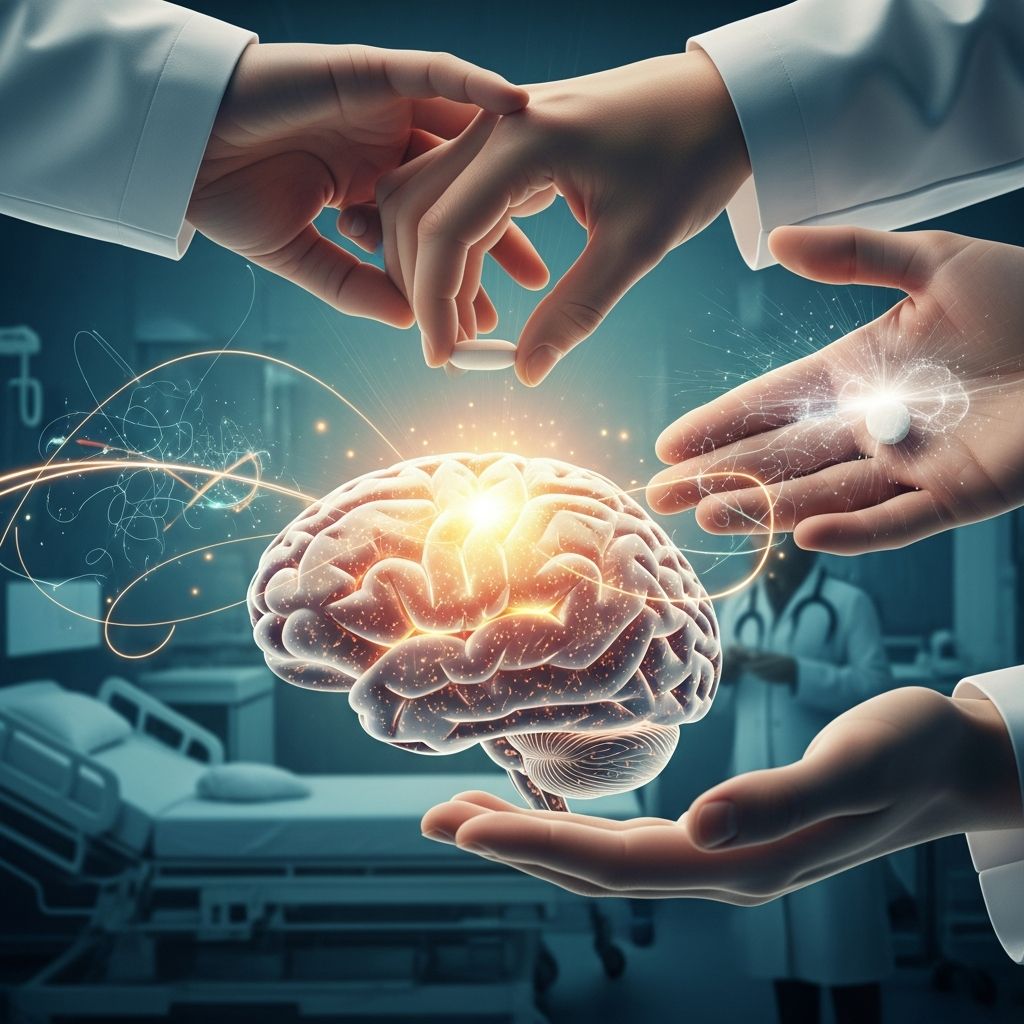
The placebo effect represents one of the most fascinating phenomena in modern medicine, demonstrating the profound connection between mind and body. A placebo is a treatment with no inherent therapeutic value, such as an inert pill or sham procedure, yet patients receiving these treatments often report significant improvements in their symptoms and overall well-being. This apparent paradox has intrigued medical professionals and researchers for decades, leading to groundbreaking discoveries about how our expectations, beliefs, and psychological state can directly influence our physical health and pain perception.
What Is the Placebo Effect?
The placebo effect occurs when patients perceive improvements in their condition after receiving an inert treatment. This phenomenon is distinct from the nocebo effect, which represents the opposite scenario—when patients who expect a treatment to be harmful actually experience harmful effects after taking it. Understanding both mechanisms provides valuable insight into the power of expectations in medical outcomes.
While placebos do not have direct physical effects on diseases themselves, they can significantly impact subjective outcomes such as pain, nausea, and other symptoms that patients experience and report. Research has shown that a substantial portion of a medicine’s perceived impact may be attributed to the placebo effect, though modern reviews have revealed that earlier studies had methodological flaws. Current research suggests that natural recovery and reporting bias also play important roles in treatment outcomes.
The Neurobiology of the Placebo Effect
Recent scientific advances have illuminated the brain mechanisms underlying the placebo effect. Researchers have identified specific neural pathways that activate when patients receive placebo treatments, revealing how expectations and beliefs translate into measurable changes in brain activity.
Brain Regions Involved in Placebo Response
One of the most significant discoveries involves the identification of a unique brain region within the mid-frontal gyrus that is responsible for placebo-related pain relief. Using functional magnetic resonance imaging (fMRI) technology, scientists at Northwestern Medicine and the Rehabilitation Institute of Chicago identified this “sweet spot” for the placebo effect. This brain region can predict placebo pill responders with 95 percent accuracy, opening new possibilities for personalized medicine.
Two other critical brain areas involved in placebo processing are the orbitofrontal cortex (OFC) and the ventromedial prefrontal cortex (VMPFC). These regions function as hubs that receive input from emotional and sensory areas of the brain, projecting to other regions critical for emotional processing. The OFC, in particular, appears essential for cue-based expectations and pain modulation. Researchers have found that when moderate pain is preceded by low-pain expectation cues, pain ratings show reliable reductions of approximately 20 percent.
Psychological Mechanisms
The placebo effect depends on combined psychological processes working in concert. These include expectations for pain relief, shifts in emotional states such as reduced anxiety, and the interpersonal social context of treatment. By examining and measuring each of these processes independently, researchers can isolate their specific contributions to pain reduction and other health outcomes.
Related Stories



Importantly, research has demonstrated that placebo analgesia appears to reflect shifts in emotion, learning, and expectations rather than changes in raw physiological signals. This distinction is crucial because it reveals that placebo effects operate through genuine psychological mechanisms, making them real and measurable phenomena rather than mere illusions or deceptions.
Mindfulness Meditation Versus Placebo: Different Brain Pathways
Recent comparative research has revealed that mindfulness meditation and placebo treatments, while both effective at reducing pain, operate through distinctly different brain mechanisms. In studies examining pain reduction, mindfulness meditation produced significant reductions in pain perception, while placebo treatments specifically reduced the emotional unpleasantness associated with pain.
This distinction suggests that practitioners and patients may choose between these approaches based on their specific needs. Mindfulness meditation appears particularly effective for those seeking to reduce overall pain sensation, while placebo effects may be more beneficial for those seeking emotional relief from the distress accompanying pain.
Gender Differences in Placebo Response
Intriguing research findings have challenged long-held assumptions about gender differences in placebo response. Contrary to expectations that female participants would show less consistent responses due to hormonal factors, studies have actually found that women demonstrate greater reliability in pain threshold and tolerance measurements across multiple visits compared to men. This surprising finding suggests that researchers should reconsider assumptions about gender-based variability in pain perception and placebo response, asking instead why men show more variable responses.
Clinical Applications and Pain Management
The implications of placebo effect research extend far beyond theoretical understanding. For the approximately 100 million Americans living with chronic pain, understanding and harnessing the placebo effect offers new therapeutic possibilities. Personalized medicine approaches based on individual brain responses to treatments could revolutionize pain management.
Individualized Treatment Approaches
Advanced fMRI technology developed through placebo research has the potential to usher in an era of individualized pain therapy. By identifying how an individual’s brain responds to specific drugs and treatments, clinicians can design targeted pain medication regimens tailored to each patient’s neurobiological profile. This precision approach could lead to more effective pain relief with potentially lower doses and reduced side effects.
Improved Clinical Trial Design
Understanding placebo effects also has significant implications for clinical trial methodology. By using brain-based neurological markers to identify high placebo responders before trials begin, researchers can eliminate these individuals from studies, leading to more precise and accurate evaluations of actual medication efficacy. This advancement could accelerate drug development and improve the quality of clinical evidence.
Social and Contextual Factors
Research has demonstrated that the placebo effect is not purely internal or psychological but significantly influenced by social and environmental factors. For instance, studies show that patients experience less anticipated pain when their healthcare provider shares similar physical characteristics or appearance. This finding underscores the importance of the therapeutic relationship and patient-provider rapport in treatment outcomes.
The interpersonal context of treatment—including how providers present information, their demeanor, and the overall clinical environment—contributes substantially to the magnitude of placebo effects. These findings have practical implications for healthcare delivery, suggesting that clinicians can optimize treatment outcomes by attending carefully to the social and emotional dimensions of patient care.
Placebo Effect and Alternative Medicine
The placebo effect provides an important framework for understanding alternative medicine treatments. Many alternative therapies, when rigorously tested in clinical trials, have not demonstrated significant effectiveness beyond placebo effects. Some medical experts argue that alternative treatments should be evaluated and understood primarily as placebos rather than as evidence-based medicine.
While complementary medicine may provide psychological support and benefit from placebo effects, critics emphasize that relying on alternative treatments for serious conditions can be dangerous. Non-pharmacologic interventions such as mind-body approaches can reduce pain and mood disturbance while improving quality of life, but they should complement rather than replace proven medical treatments.
Risks and Concerns
Treatment Delay and Opportunity Costs
One significant concern regarding placebo-dependent treatments involves the opportunity cost of delayed or foregone effective treatment. Patients who experience perceived success with an alternative therapy for a minor ailment may become convinced of its efficacy and extrapolate that success to more serious conditions. This progression can lead to dangerous delays in obtaining evidence-based medical care for potentially life-threatening illnesses.
Between 2001 and 2003, four children died in Australia because their parents chose ineffective naturopathic, homeopathic, or alternative medicine approaches instead of conventional therapies. These tragic cases illustrate how the apparent success of placebo effects with minor complaints can lead to catastrophic outcomes when applied to serious medical conditions.
Nocebo Effects and Reduced Treatment Compliance
Distrust of conventional medicine can trigger nocebo effects in patients taking effective medications, potentially reducing their therapeutic benefits. Additionally, repeated disappointments with successive alternative treatments can create depression and cynicism that impairs compliance with evidence-based therapies. When patients have experienced multiple treatment failures, they may become reluctant to engage with new treatments, even when those treatments are proven effective.
The Reality of Placebo Effects
Despite popular misconceptions that placebo effects are “just in your head” or represent mere deception, current research confirms that placebo effects are genuinely real phenomena. Placebo analgesia produces measurable changes in brain activity and real reductions in pain perception. Shifting a patient’s anxiety or emotional state through placebo mechanisms can have tangible, lasting effects on health.
This reality does not diminish the importance of evidence-based medicine. Rather, it expands our understanding of the multiple mechanisms through which healing occurs, recognizing that psychological, emotional, and social factors are integral components of medical treatment alongside pharmacological interventions.
Future Directions in Placebo Research
Much remains to be discovered about the placebo effect and optimal strategies for improving patient outcomes. Researchers continue investigating how expectations shape pain processing, how social factors modulate treatment responses, and how individual differences predict placebo responsiveness. These investigations may ultimately lead to more sophisticated, individualized approaches to medicine that harness both pharmacological and psychological mechanisms for maximum therapeutic benefit.
Frequently Asked Questions
Q: Is the placebo effect the same as a placebo?
No. A placebo is an inert treatment, while the placebo effect is the beneficial outcome that some patients experience after receiving that inert treatment. Not all patients who receive placebos experience placebo effects.
Q: Can placebos cure diseases?
Placebos cannot directly cure diseases or produce objective physical changes in pathology. However, they can effectively reduce subjective symptoms such as pain, nausea, and anxiety. For chronic pain management and symptom relief, placebo effects can be clinically meaningful.
Q: What is the nocebo effect?
The nocebo effect is the opposite of the placebo effect. When patients expect a treatment to be harmful and subsequently experience negative effects, this represents a nocebo effect. Both mechanisms demonstrate how expectations influence health outcomes.
Q: Are placebo effects real?
Yes, placebo effects are real. They involve measurable changes in brain activity and genuine reductions in perceived symptoms. They operate through legitimate psychological and neurobiological mechanisms, not through deception or imagination.
Q: Can the placebo effect be used clinically?
Yes, understanding placebo mechanisms can inform clinical practice. Optimizing the therapeutic relationship, setting positive expectations, and creating supportive clinical environments can enhance treatment outcomes. However, placebos should complement rather than replace evidence-based medical treatments.
Q: Why are some people more responsive to placebos than others?
Individual differences in placebo responsiveness relate to variations in brain structure and function, particularly in regions like the mid-frontal gyrus, orbitofrontal cortex, and ventromedial prefrontal cortex. Genetic factors, psychological traits, and prior experiences also contribute to these individual differences.
References
- Mindfulness Meditation and Placebo Modulate Different Brain Patterns to Reduce Pain — National Center for Complementary and Integrative Health (NCCIH). 2025. https://www.nccih.nih.gov/research/research-results/mindfulness-meditation-and-placebo-modulate-different-brain-patterns-to-reduce-pain
- Atlas Investigates the Role of Placebo in Pain Management — NIH Record. 2025-02-14. https://nihrecord.nih.gov/2025/02/14/atlas-investigates-role-placebo-pain-management
- Placebo Sweet Spot for Pain Relief Identified in Brain — Northwestern Medicine. 2016-10. https://news.northwestern.edu/stories/2016/10/placebo-sweet-spot-for-pain-relief-identified-in-brain
- Placebo Effect in Health Psychology — Lumen Learning. 2025. https://courses.lumenlearning.com/suny-hvcc-healthpsychology/chapter/placebo-effect/
- The Science of the Placebo Effect — National Institutes of Health (NIH). https://videocast.nih.gov/watch=10192
- What if the Placebo Effect Isn’t a Trick? — Osher Center for Integrative Medicine. 2018-11-27. https://oshercenter.org/2018/11/27/what-if-the-placebo-effect-isnt-a-trick/
Similar Articles








Read full bio of medha deb