POTS Syndrome: 7 Key Symptoms And How It’s Diagnosed
Discover the essentials of Postural Orthostatic Tachycardia Syndrome, from symptoms and diagnosis to effective management strategies for better daily living.
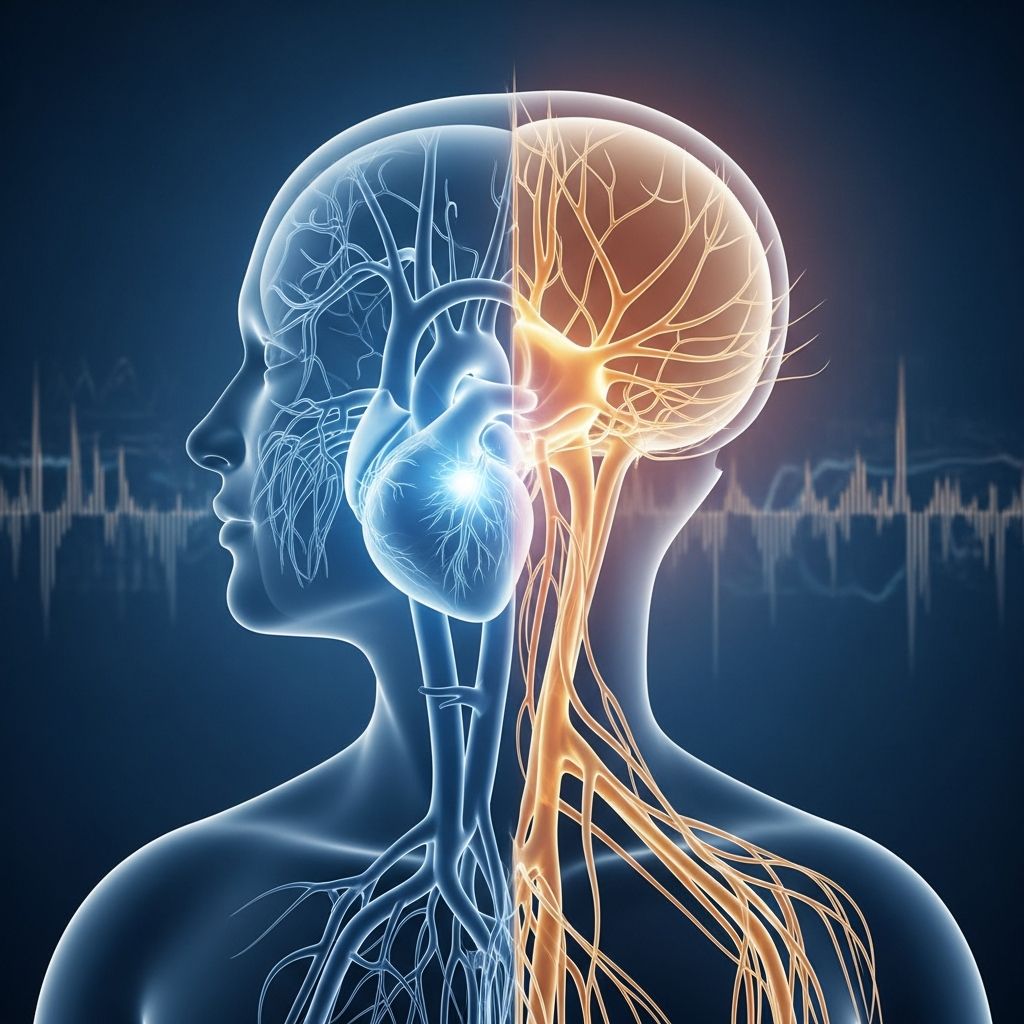
Postural Orthostatic Tachycardia Syndrome (POTS) represents a form of dysautonomia where the autonomic nervous system fails to properly regulate heart rate and blood flow during posture changes, particularly when moving from lying down to standing up. This leads to an excessive heart rate increase without a significant drop in blood pressure, impacting daily activities for those affected.
The Autonomic Nervous System and POTS
The autonomic nervous system controls involuntary functions like heart rate, blood pressure, digestion, and temperature regulation. In POTS, this system malfunctions, causing excessive blood pooling in the lower body upon standing, which triggers compensatory rapid heartbeats to maintain brain blood flow. Approximately 1 to 3 million Americans live with POTS, with about 80% being female, often striking young adults aged 15-50.
Recognizing POTS Symptoms
Symptoms of POTS primarily emerge or intensify when upright and typically ease when reclining. Key manifestations include:
- Rapid heartbeat or palpitations: Heart rate surges by at least 30 beats per minute (bpm) within 10 minutes of standing, or exceeds 120 bpm.
- Dizziness or lightheadedness: Due to reduced cerebral blood flow.
- Fatigue and exercise intolerance: Persistent tiredness worsening with physical activity.
- Brain fog: Difficulty concentrating or cognitive disturbances.
- Gastrointestinal issues: Nausea, bloating, diarrhea, or constipation.
- Headaches, tremors, sweating, or shortness of breath: Common accompanying signs.
- Discolored extremities: Purple or red legs after standing, cold hands/feet.
About 25% of individuals experience severely disabling symptoms that limit work or school. Post-COVID POTS variants may include heightened brain fog, tremors, and tinnitus.
Diagnostic Process for POTS
Diagnosing POTS often takes years—averaging 4.9 to 6 years and involving 7 or more doctors—due to overlapping symptoms with anxiety or other conditions. Confirmation requires:
| Test | Description | Key Indicators |
|---|---|---|
| Tilt Table Test | Patient strapped to a table tilted to 60-80 degrees for up to 45 minutes while monitoring vitals. | Heart rate increase ≥30 bpm (40 bpm for adolescents) without orthostatic hypotension (BP drop ≥20/10 mmHg); symptoms reproduction. |
| Active Stand Test / NASA Lean Test | Supervised standing for 10 minutes after lying down, measuring HR/BP at intervals. | Same HR criteria; symptoms match orthostatic changes. |
| QSART | Assesses sweat gland function via electrical stimulation. | Abnormal in 56% (neuropathic POTS subtype). |
| Blood/Sweat/Urine Tests | Checks volume status, electrolytes, catecholamines. | Hypovolemia, high norepinephrine; rules out pheochromocytoma. |
Diagnosis mandates symptoms for 3-6 months, excluding other causes like dehydration or medications.
Types and Underlying Causes
POTS arises from multiple mechanisms:
- Nepathic POTS: Small fiber neuropathy impairs blood vessel constriction (50% of cases).
- Hyperadrenergic POTS: Elevated norepinephrine surges.
- Hypovolemic POTS: Low blood volume.
Triggers include viral infections (e.g., COVID-19), puberty, pregnancy, surgery, or trauma. Comorbidities like Ehlers-Danlos Syndrome (EDS, 80% overlap) or Mast Cell Activation Syndrome (MCAS, 42%) are frequent.
Differentiating POTS from Similar Conditions
POTS mimics anxiety (69% initial misdiagnosis), but positional triggers and objective HR changes distinguish it—symptoms improve lying down, unlike anxiety. Orthostatic hypotension involves BP drops, absent in POTS. Fainting occurs in some but not all cases; many experience pre-syncope only.
Related Stories



Management and Treatment Options
No cure exists, but symptoms improve with tailored strategies. Treatment escalates from non-drug to pharmacological approaches.
Lifestyle Modifications
- Increase salt and fluid intake: 2-3 liters water + 5-10g salt daily to combat hypovolemia.
- Compression garments: Abdominal/leg stockings prevent blood pooling.
- Exercise program: Recumbent biking, rowing, then upright; builds tolerance.
- Posture techniques: Avoid prolonged standing; use counter-maneuvers like leg crossing, muscle tensing.
- Body positioning: Elevate bed head 4-6 inches; sleep with legs up.
Medications
| Category | Examples | Purpose |
|---|---|---|
| Volume expanders | Intravenous saline | Boosts blood volume acutely. |
| Fludrocortisone | Fluorinated mineralocorticoid | Promotes sodium retention. |
| Midodrine | Alpha-agonist | Constricts blood vessels. |
| Beta-blockers | Propranolol | Blunts excessive HR response. |
| Ivabradine | HR-specific | Reduces sinus node firing without BP effects. |
Treatments target subtypes; e.g., MCAS meds for hyperadrenergic.
Advanced Therapies
Physical therapy focuses on autonomic retraining. For severe cases, IV fluids or pacemakers are rare options. Post-COVID POTS follows standard protocols after 12 weeks.
Living with POTS: Daily Strategies
Patients benefit from pacing activities, small frequent meals, avoiding heat/alcohol/caffeine triggers. Support groups aid coping. With management, many regain functionality despite 25% facing chronic disability.
Frequently Asked Questions (FAQs)
Can POTS be cured?
No, but symptoms often improve significantly with treatment; many lead active lives.
Does POTS always cause fainting?
No, fainting is not required; hallmark is orthostatic HR increase.
Is POTS linked to COVID-19?
Yes, post-viral onset common, with unique features like tinnitus.
How is POTS different from anxiety?
POTS is positional with measurable HR changes; anxiety lacks this pattern.
Who gets POTS?
Mostly females 15-50; 1-3M in US.
POTS demands a multidisciplinary approach involving cardiologists, neurologists, and therapists for optimal outcomes. Early recognition shortens diagnostic odysseys.
References
- How Is POTS Diagnosed? Tests, Timelines, and What to Expect — Cognitive FX. 2023. https://www.cognitivefxusa.com/blog/how-is-pots-diagnosed-tests-timelines-and-what-to-expect
- Postural Orthostatic Tachycardia Syndrome (POTS) — UPMC. 2025. https://www.upmc.com/services/heart-vascular/conditions/postural-orthostatic-tachycardia-syndrome
- Postural tachycardia syndrome (PoTS) — NHS. 2024. https://www.nhs.uk/conditions/postural-tachycardia-syndrome/
- Postural Orthostatic Tachycardia Syndrome — Dysautonomia International. 2023. http://www.dysautonomiainternational.org/page.php?ID=30
- Tests and Diagnosis — PoTS UK. 2024. https://www.potsuk.org/about-pots/diagnosis/
- Postural Orthostatic Tachycardia Syndrome (POTS) Clinic — Brigham and Women’s Hospital. 2024. https://www.brighamandwomens.org/neurology/autonomic-neurology/postural-orthostatic-tachycardia-syndrome
- Postural Orthostatic Tachycardia Syndrome (POTS) — Cleveland Clinic. 2025. https://my.clevelandclinic.org/health/diseases/16560-postural-orthostatic-tachycardia-syndrome-pots
Similar Articles








Read full bio of Sneha Tete