Pressure Injuries: Prevention, Stages, And Treatment Guide
Learn about causes, risks, stages, prevention, and care for pressure injuries to protect vulnerable skin.
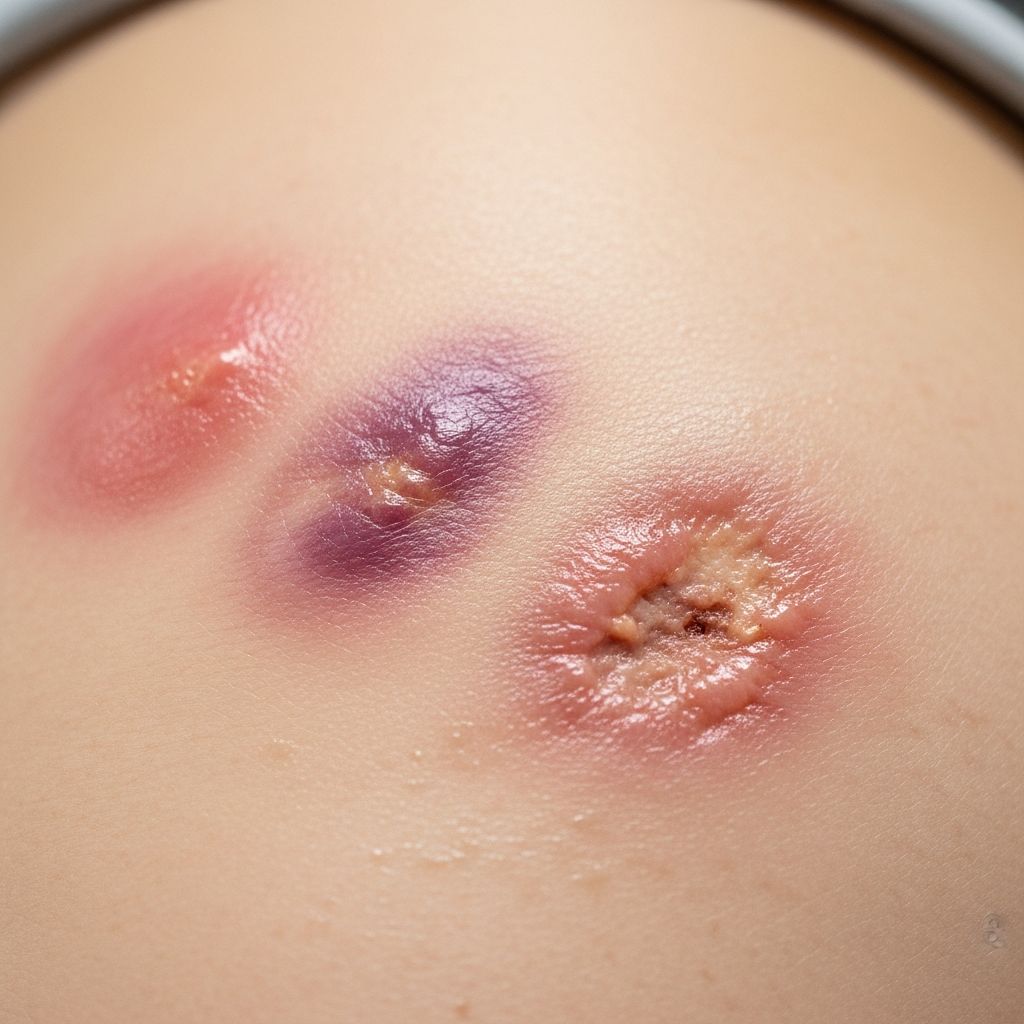
Pressure injuries, commonly known as bedsores or pressure ulcers, develop when sustained pressure restricts blood flow to the skin and underlying tissues, particularly over bony prominences. These wounds pose significant health risks, especially for immobile individuals, potentially leading to infections and prolonged recovery if not addressed promptly.
The Science Behind Pressure-Induced Skin Damage
The formation of pressure injuries stems from a combination of mechanical forces and physiological vulnerabilities. When external pressure exceeds capillary closing pressure—typically around 32 mm Hg—blood flow diminishes, causing tissue ischemia. This oxygen deprivation triggers cell death, metabolite buildup, and eventual ulceration. Factors like friction, shear (sliding forces), and excess moisture exacerbate the issue by damaging skin integrity and promoting maceration.
Internal contributors include malnutrition, which depletes protective fatty tissues and impairs healing; dehydration; and conditions like diabetes or vascular disease that compromise circulation. Even short durations of immobility, as little as two hours in high-risk scenarios, can initiate damage. Neurologic impairments reducing pain sensation further heighten susceptibility, as individuals may not reposition instinctively.
Who Faces the Greatest Risk?
Certain populations are disproportionately affected. Bedridden patients, wheelchair users, and those with limited mobility top the list, alongside elderly individuals over 70 whose thinner skin offers less protection. Chronic illnesses such as cardiovascular disease, anemia, and cognitive disorders like dementia amplify vulnerability by hindering mobility and tissue repair.
- People with spinal cord injuries or stroke-related paralysis
- Post-surgical patients under prolonged anesthesia
- Individuals with malnutrition or hypotension
- Those using medical devices like oxygen tubes or prosthetics that create localized pressure points
Annually, millions suffer from these injuries, with hospital rates reaching up to 50% in some studies, underscoring the need for vigilant care.
Recognizing the Stages of Pressure Injuries
Pressure injuries progress through distinct stages, classified by the National Pressure Injury Advisory Panel (NPIAP). Early detection is crucial for intervention.
| Stage | Description | Key Features |
|---|---|---|
| Stage 1 | Intact skin with non-blanchable redness | Persistent erythema on light skin; may appear purple on darker tones. Skin warm, painful, or firm |
| Stage 2 | Partial-thickness skin loss | Superficial ulcer resembling a blister or shallow abrasion. No slough present |
| Stage 3 | Full-thickness skin loss | Damage to subcutaneous fat; visible bone, tendon, or muscle absent. Slough may obscure base |
| Stage 4 | Full-thickness tissue loss | Exposed bone, tendon, or muscle. Often with eschar or slough. High infection risk |
| Unstageable | Obscured by slough or eschar | Depth unknown; requires debridement to assess |
| Deep Tissue | Intact skin or non-blanchable ulcer | Purple/maroon discoloration; pain and temperature changes indicate deeper damage |
Histologically, early changes involve dermal vessel occlusion, progressing to necrosis and gangrene in advanced cases.
Complications: From Infection to Life-Threatening Sepsis
Untreated pressure injuries invite bacterial invasion, leading to cellulitis, osteomyelitis, or systemic sepsis—a condition where infection triggers organ failure. Breaks in skin barrier allow pathogens entry, worsened by necrotic tissue harboring bacteria. Vulnerable sites like the sacrum, heels, and hips account for most cases. Prompt recognition of signs like fever, pus, or foul odor is vital.
Proven Strategies for Prevention
Prevention hinges on mitigating pressure, shear, and moisture while optimizing nutrition and mobility. Key measures include:
- Repositioning schedules: Shift positions every 2 hours for bedbound patients; every 15-30 minutes when seated. Use 30-degree side-lying to reduce sacral pressure.
- Support surfaces: Pressure-relieving mattresses, overlays, or cushions distribute weight effectively.
- Skin inspections: Daily checks of high-risk areas like heels, sacrum, and trochanters.
- Nutrition and hydration: Adequate protein (1.25-1.5g/kg/day), calories, vitamins (C, A, E), and zinc support skin resilience.
- Moisture management: Absorbent products and barrier creams prevent maceration.
Related Stories



Tools like the Braden Scale help assess risk, guiding tailored interventions. Caregiver education is paramount for home settings.
Treatment Approaches by Severity
Treatment aligns with staging, emphasizing pressure offloading, wound cleaning, and healing promotion.
- Stage 1-2: Protect with dressings (hydrocolloids, foams); no debridement needed. Topical agents like silver for infection risk.
- Stage 3-4: Surgical debridement removes dead tissue. Advanced therapies: negative pressure wound therapy, hyperbaric oxygen for ischemia.
- Infections: Antibiotics for cellulitis; imaging for osteomyelitis.
Multidisciplinary teams—nurses, dietitians, physicians—coordinate care, improving outcomes. Healing timelines vary: weeks for early stages, months for advanced.
Lifestyle and Daily Habits to Minimize Risk
Beyond clinical settings, personal habits matter. Maintain hygiene to avoid moisture buildup, choose breathable clothing, and incorporate gentle exercises like ankle pumps for circulation. For wheelchair users, tilt/recline functions redistribute pressure. Family involvement in repositioning enhances compliance.
FAQs on Pressure Injuries
What is the fastest way to heal a pressure injury?
Offload pressure immediately, clean the wound, apply appropriate dressings, and ensure nutritional support. Consult a healthcare provider for staging-specific care.
Can pressure injuries be fatal?
Yes, via sepsis or complications like osteomyelitis. Early intervention prevents escalation.
How often should bedbound patients be turned?
Every 2 hours; use aids like pillows for proper alignment.
Do all immobile people get bedsores?
No, but risk is high without preventive measures like support surfaces and nutrition.
Are there home remedies for early bedsores?
Keep area clean/dry, use protective creams, but professional assessment is essential to avoid worsening.
Pressure injuries are largely preventable with consistent vigilance. By understanding risks and implementing proactive strategies, individuals and caregivers can significantly reduce incidence and severity.
References
- Pressure Ulcer – StatPearls – NCBI Bookshelf — NCBI. 2023-08-08. https://www.ncbi.nlm.nih.gov/books/NBK553107/
- Pressure Ulcers (Pressure Injuries) — Sepsis Alliance. 2023. https://www.sepsis.org/sepsisand/pressure-ulcers-pressure-injuries/
- Bedsores (pressure ulcers) – Symptoms and causes — Mayo Clinic. 2023-11-16. https://www.mayoclinic.org/diseases-conditions/bed-sores/symptoms-causes/syc-20355893
- What causes bed sores and how can they be prevented? — CRH. 2016-10-25. https://www.crh.org/healthy-tomorrow/story/healthy-tomorrow/2016/10/25/what-causes-bed-sores-and-how-can-they-be-prevented
- Bedsores (Pressure Ulcers): Symptoms, Staging & Treatment — Cleveland Clinic. 2023-11-03. https://my.clevelandclinic.org/health/diseases/17823-bedsores-pressure-injuries
- Pressure Sores | Bedsores | Pressure Ulcers — MedlinePlus. 2023. https://medlineplus.gov/pressuresores.html
Similar Articles








Read full bio of Sneha Tete