Undefined Prostate Biopsy: A Complete Guide For Patients
Comprehensive guide to prostate biopsy procedures, preparation, risks, recovery, and what results mean for prostate cancer diagnosis.
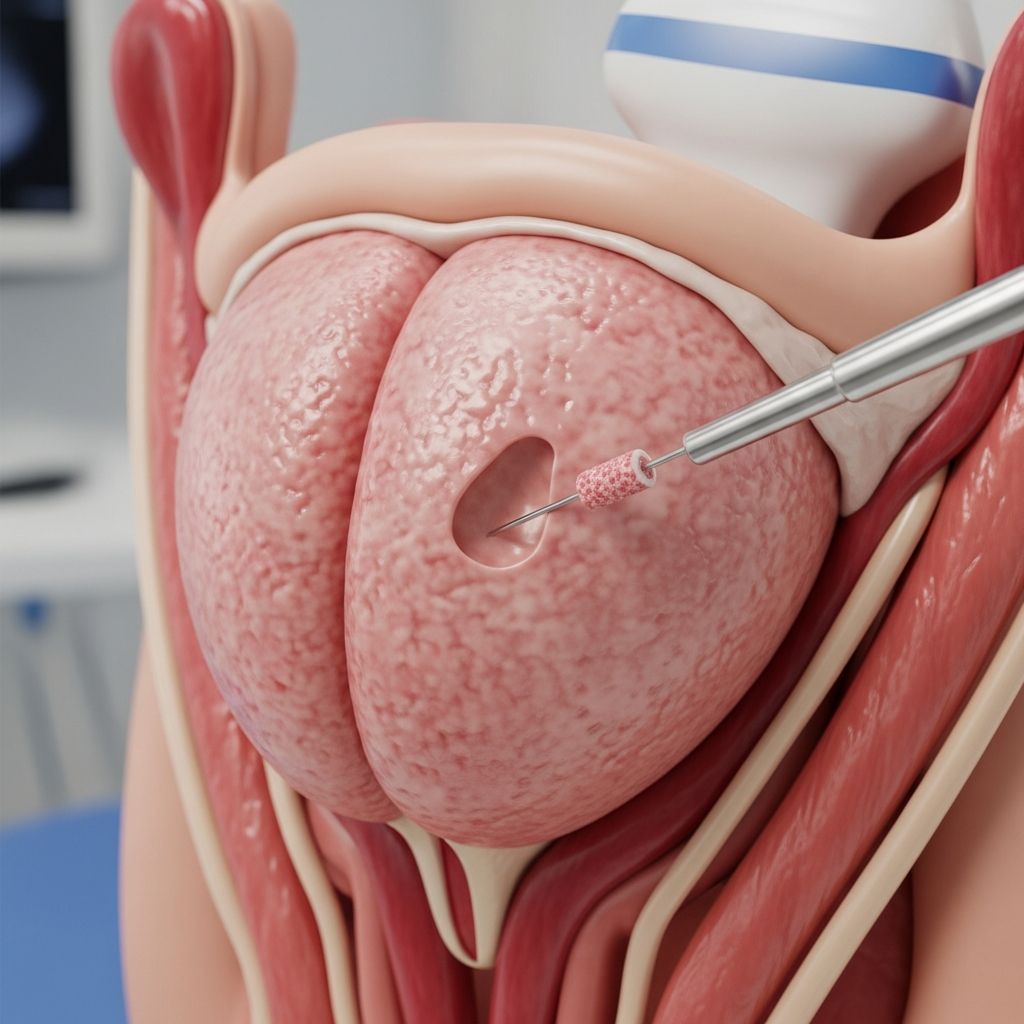
The prostate biopsy represents a critical diagnostic procedure used to detect prostate cancer by extracting small tissue samples from the prostate gland for microscopic examination. This walnut-sized gland, located below the bladder and surrounding the urethra in men, produces fluid that supports sperm. Elevated prostate-specific antigen (PSA) levels or abnormal digital rectal exam (DRE) findings often prompt this test.
Why Doctors Recommend a Prostate Biopsy
Physicians order prostate biopsies when initial screenings suggest potential issues. High PSA blood test results, which measure a protein produced by prostate cells, or irregularities detected during a DRE can indicate inflammation, benign enlargement, or malignancy. Advanced imaging like multi-parametric MRI (mpMRI) further refines the need by highlighting suspicious areas, helping prioritize biopsies for higher-risk zones.
- Persistent elevated PSA levels beyond normal ranges for age.
- Abnormal prostate texture or size on DRE.
- MRI findings of lesions with high cancer suspicion scores (e.g., PI-RADS 4 or 5).
Early detection through biopsy significantly improves treatment outcomes, as prostate cancer is often slow-growing and highly treatable in initial stages.
Main Types of Prostate Biopsy Procedures
Two primary approaches dominate: transrectal ultrasound-guided (TRUS) biopsy and transperineal biopsy. Each method balances accessibility, infection risk, and accuracy differently.
Transrectal Ultrasound-Guided (TRUS) Biopsy
The most common technique, TRUS biopsy accesses the prostate via the rectum. Patients lie on their side in a fetal position with knees drawn to the chest. A lubricated ultrasound probe, roughly finger-sized, is inserted into the rectum to visualize the prostate on a screen. Local anesthetic numbs the area, followed by a spring-loaded needle capturing 10-12 core samples from various prostate regions. The process lasts about 20 minutes and causes brief pinching sensations.
Transperineal Biopsy
Gaining popularity due to lower infection rates, this method inserts the needle through the perineum—the skin between the anus and scrotum. Performed under local or general anesthesia, it often uses ultrasound guidance via a rectal probe or MRI fusion for precision. Targeted versions sample MRI-identified suspicious spots (fewer cores), while template biopsies use a grid for systematic 20-30 samples across the gland.
| Aspect | TRUS Biopsy | Transperineal Biopsy |
|---|---|---|
| Access Route | Through rectum wall | Through perineum skin |
| Anesthesia | Typically local | Local or general |
| Infection Risk | Higher (1-2% sepsis) | Lower (<0.1%) |
| Samples Taken | 10-12 cores | 5-30+ cores |
| Duration | ~20 minutes | 20-40 minutes |
Role of Advanced Imaging in Modern Biopsies
Multiparametric MRI (mpMRI) has revolutionized biopsies by enabling targeted sampling. Performed prior in many centers, mpMRI uses T2-weighted, diffusion, and dynamic contrast sequences to score lesion suspicion. Fusion technology overlays MRI on ultrasound for precise needle guidance, reducing unnecessary sampling and improving cancer detection rates by 20-30%.
- Targeted biopsy: Focuses on high-risk MRI zones, minimizing cores.
- Systematic biopsy: Complements targeting with standard sampling.
Related Stories



Preparing for Your Prostate Biopsy
Adequate preparation minimizes complications. Patients typically receive antibiotics (e.g., ciprofloxacin) 1-2 days prior to combat infection risks. Enemas clear the rectum for TRUS procedures. Discontinue blood thinners like aspirin or warfarin 5-7 days ahead after cardiology clearance. Fasting isn’t usually required unless general anesthesia is planned. Arrange transportation, as sedation may impair driving.
Pre-Procedure Checklist
- Take prescribed antibiotics as directed.
- Perform rectal cleansing if instructed.
- Review medications with your urologist.
- Fast if under general anesthesia.
- Have a companion for post-procedure support.
Step-by-Step: What Happens During the Procedure
For TRUS: After positioning, the probe provides real-time imaging. Anesthetic injections precede needle deployment, with each core extraction producing a sharp snap. Transperineal involves leg supports, a small perineal incision, and grid-guided sampling if template-style.
Patients report mild discomfort like pressure or quick stings, rarely severe pain. Monitoring ensures stability, and samples are immediately labeled and sent to pathology.
Immediate Aftercare and Recovery Expectations
Most resume normal activities within 24-48 hours. Expect blood in urine (hematuria), semen (hematospermia), or stool for 1-2 weeks—harmless but alarming initially. Urine retention from clots occurs rarely; contact your doctor if persistent. Avoid strenuous exercise, heavy lifting, or intercourse for 1 week. Pain managed with acetaminophen; ibuprofen avoided due to bleeding risk.
Common Side Effects Timeline
| Side Effect | Duration | When to Seek Help |
|---|---|---|
| Blood in urine/semen/stool | 1-2 weeks | Heavy/clots >week |
| Rectal/perineal discomfort | 2-3 days | Increasing pain/fever |
| Urinary issues | 1-3 days | Unable to urinate |
Potential Risks and Complications
While safe, risks include infection (TRUS: up to 2%; transperineal: minimal), bleeding, urinary retention (<1%), and prostatitis. Antibiotic prophylaxis has reduced sepsis dramatically. Allergic reactions to contrast in MRI-guided cases are rare but monitored.
- Infection prevention: Fluoroquinolone resistance prompts tailored antibiotics based on prior cultures.
- Bleeding control: Stop anticoagulants timely.
Interpreting Your Biopsy Results
Pathology reports arrive in 3-7 days. Key metrics: Gleason score (6-10; higher = aggressive), number of positive cores, cancer percentage per core, and staging (e.g., T1c for non-palpable). Benign findings include no cancer, atypia (repeat biopsy), or intraductal carcinoma. Results guide active surveillance, surgery, radiation, or observation.
Gleason Score Breakdown
- 6 or less: Low-grade, often indolent.
- 7: Intermediate risk.
- 8-10: High-grade, aggressive.
Frequently Asked Questions (FAQs)
Does a prostate biopsy hurt?
Local anesthesia minimizes pain to brief discomfort; general anesthesia eliminates sensation.
How accurate is a prostate biopsy?
TRUS detects ~30% cancers; MRI-targeted boosts to 40-50%. False negatives possible, warranting repeats.
Can I drive home after?
No, if sedated; yes for local-only if comfortable.
What if results are negative but PSA high?
Repeat with MRI or saturation biopsy; monitor PSA.
Is transperineal better than TRUS?
Lower infection risk favors it, especially post-TRUS failure.
Advancements Shaping Future Biopsies
Emerging tech like MRI-ultrasound fusion, AI lesion detection, and liquid biopsies (blood PSA isoforms) promise less invasive diagnostics. Transperineal under local anesthesia is standardizing for outpatient settings.
Prostate biopsy empowers men with definitive data, bridging screening to personalized care. Consult your urologist for tailored advice.
References
- Prostate biopsy — Prostate Cancer UK. 2023. https://prostatecanceruk.org/prostate-information-and-support/prostate-tests/prostate-biopsy
- Prostate biopsy – Mayo Clinic — Mayo Clinic. 2024-01-15. https://www.mayoclinic.org/tests-procedures/prostate-biopsy/about/pac-20384734
- The Prostate Biopsy Explained — Houston Metro Urology. 2023. https://www.hmutx.com/blog/the-prostate-biopsy-explained/
- Prostate Biopsy — UF Health. 2024. https://ufhealth.org/conditions-and-treatments/prostate-biopsy
- Prostate Biopsy – Professor Mohamed H Khadra — YouTube (urology.net.au). 2022. https://www.youtube.com/watch?v=mDein6ObXj0
- MRI-Guided Prostate Biopsy — Cleveland Clinic. 2024-02-10. https://my.clevelandclinic.org/health/diagnostics/16382-mri-guided-prostate-biopsy
- Prostate biopsy explained: Process, recovery and results — MD Anderson Cancer Center. 2023-11-20. https://www.mdanderson.org/cancerwise/prostate-biopsy-explained–process–recovery-and-results.h00-159701490.html
Similar Articles








Read full bio of Sneha Tete