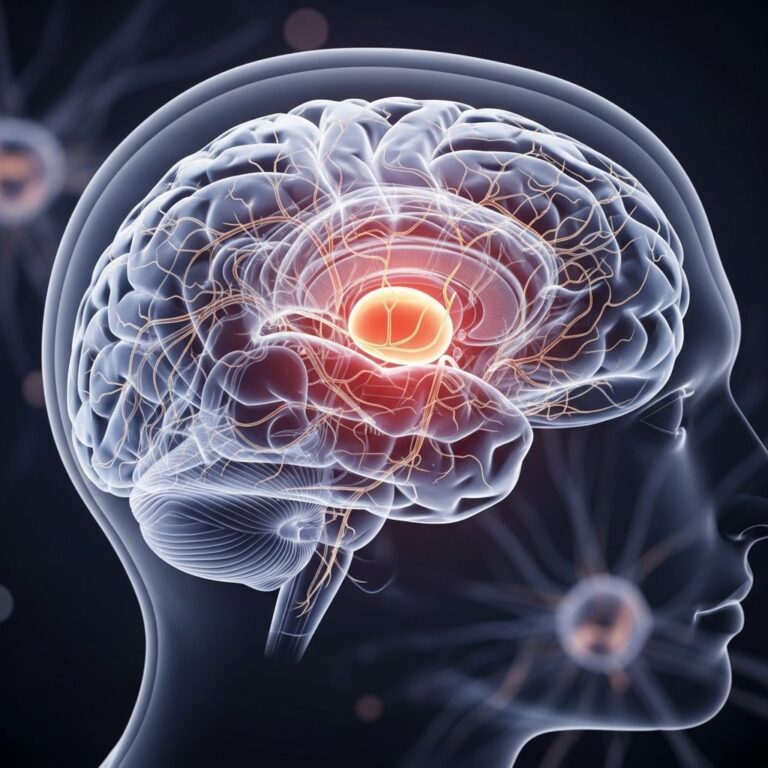
Understanding PTSD: Symptoms and Recovery
Explore the impact of post-traumatic stress disorder, from recognizing symptoms to effective recovery strategies for lasting healing.

Post-traumatic stress disorder (PTSD) is a mental health condition that arises after exposure to a traumatic event, disrupting daily life with persistent symptoms. It affects individuals who have endured or witnessed life-threatening situations, leading to challenges in emotional regulation and functioning.
Defining PTSD and Its Core Impact
PTSD develops when the brain’s response to overwhelming stress fails to subside naturally, turning short-term distress into a chronic issue. Unlike typical recovery from trauma, where people gradually return to normalcy through support, PTSD involves enduring psychological effects that impair work, relationships, and self-perception. According to diagnostic standards, symptoms must persist for over a month and significantly hinder daily activities.
This disorder manifests differently across individuals but shares common threads rooted in the trauma’s intensity and personal vulnerability. Early recognition is vital, as untreated PTSD can exacerbate anxiety, depression, and isolation.
Common Triggers: Events Leading to PTSD
Traumatic events triggering PTSD often involve direct threats to life or safety, such as combat, assaults, accidents, or natural disasters. Witnessing harm to others or experiencing severe injury amplifies risk. Childhood adversities or repeated exposures further heighten susceptibility.
- Combat or military service
- Physical or sexual violence
- Serious accidents or disasters
- Unexpected death of loved ones
- Prolonged abuse or neglect
Post-event factors like lack of support or additional stressors, such as job loss, compound the likelihood of developing PTSD.
Recognizing the Primary Symptoms
PTSD symptoms cluster into four main categories: re-experiencing, avoidance, negative alterations in cognition and mood, and arousal changes. These emerge within three months of the event but can appear later.
Re-experiencing the Trauma
Individuals relive the event through intrusive memories, nightmares, or flashbacks that evoke physical reactions like rapid heartbeat or sweating. Triggers such as sounds, smells, or sights can provoke these episodes, making everyday environments feel unsafe.
Avoidance Behaviors
To evade distress, people actively avoid trauma reminders, including places, conversations, or activities linked to the event. This strategy provides temporary relief but perpetuates isolation over time.
Changes in Thoughts and Emotions
Persistent negative beliefs about oneself, others, or the world emerge, often accompanied by guilt, shame, or emotional numbness. Interest in hobbies wanes, and positive feelings become elusive, fostering detachment from relationships. Memory gaps about the trauma are common.
Increased Arousal and Reactivity
Hypervigilance leads to irritability, sleep disturbances, concentration issues, and exaggerated startle responses. Risky behaviors may surface as coping mechanisms, further complicating life.
| Symptom Category | Examples | Daily Impact |
|---|---|---|
| Re-experiencing | Flashbacks, nightmares | Disrupts focus and safety perception |
| Avoidance | Avoiding triggers | Limits social and professional engagement |
| Cognition/Mood | Guilt, detachment | Strains relationships and self-esteem |
| Arousal | Irritability, insomnia | Impairs sleep, work, and decision-making |
Risk Factors and Who Is Most Vulnerable
Not everyone exposed to trauma develops PTSD; risk factors include prior mental health issues, childhood trauma, and intense fear during the event. Women face higher rates, possibly due to biological and societal differences. Lack of post-trauma support or ongoing stress elevates vulnerability.
Related Stories



Diagnosis: Steps to Professional Assessment
Diagnosis follows DSM-5 criteria, requiring trauma exposure and symptoms across all categories lasting over a month. Clinicians conduct interviews and may use validated scales to rule out other conditions like depression. Early diagnosis improves outcomes by enabling timely intervention.
Proven Treatment Approaches
Treatment combines psychotherapy, medications, and lifestyle changes, with strong evidence for trauma-focused therapies. Recovery is achievable, often reducing symptoms significantly.
Psychotherapy Options
Cognitive Behavioral Therapy (CBT), including Prolonged Exposure (PE) and Cognitive Processing Therapy (CPT), targets distorted thoughts and avoidance. Exposure therapy gradually confronts fears in a controlled manner. Eye Movement Desensitization and Reprocessing (EMDR) uses guided eye movements to reprocess memories.
- CBT: Reframes negative beliefs
- PE: Reduces fear through safe exposure
- EMDR: Processes trauma via bilateral stimulation
Medication Strategies
Antidepressants like SSRIs alleviate mood symptoms and hyperarousal, best used alongside therapy. Anti-anxiety medications offer short-term relief but require monitoring.
Emerging and Supportive Interventions
Group therapy builds community, while mindfulness aids emotional regulation. The APA’s 2025 guidelines endorse evidence-based psychotherapies as first-line treatments.
Lifestyle Changes for Enhanced Recovery
Self-care bolsters professional treatment. Regular exercise, balanced nutrition, and sleep hygiene mitigate symptoms. Mindfulness meditation fosters present-moment awareness, curbing rumination.
Building a support network through family, friends, or peer groups combats isolation. Avoiding alcohol and substances prevents symptom worsening.
Navigating Support and Resources
Hotlines, veteran services, and community clinics provide access to care. Online education empowers informed decisions. Encourage loved ones to seek help without stigma.
Frequently Asked Questions (FAQs)
How long do PTSD symptoms typically last?
Symptoms must persist over a month for diagnosis but can endure years without treatment; many improve within months of starting therapy.
Can children develop PTSD?
Yes, children exhibit similar symptoms, often through play reenactments or regression; tailored therapies are effective.
Is PTSD curable?
PTSD is highly treatable; most achieve substantial symptom relief with combined approaches, though some manage it long-term.
What role does medication play?
Medications manage symptoms like anxiety and sleep issues, enhancing therapy effectiveness but not curing the root cause.
How can family support recovery?
Listen empathetically, encourage professional help, and participate in education to avoid triggering behaviors.
Steps to Take If You Suspect PTSD
- Contact a mental health professional for evaluation.
- Document symptoms and triggers.
- Explore therapy options like CBT or EMDR.
- Incorporate daily self-care routines.
- Connect with support groups.
Proactive steps lead to empowerment and healing.
References
- Post-Traumatic Stress Disorder — National Institute of Mental Health. 2023. https://www.nimh.nih.gov/health/publications/post-traumatic-stress-disorder-ptsd
- What is PTSD? A Comprehensive Guide — Phoenix Pointe Psychiatry. 2024. https://www.phoenixpointepsychiatry.com/post/what-is-ptsd-a-comprehensive-guide-to-post-traumatic-stress-disorder
- Healing After Trauma: A Comprehensive Guide to PTSD — Insight Choices. 2024. https://www.insightchoices.com/blog/healing-after-trauma-a-comprehensive-guide-to-post-traumatic-stress-disorder-ptsd-and-its-treatments/
- Post Traumatic Stress Disorder: A Comprehensive Guide — Regis College. 2024. https://online.regiscollege.edu/online-masters-degrees/master-of-social-work/post-traumatic-stress-disorder-comprehensive-guide
- Understanding PTSD Booklet — U.S. Department of Veterans Affairs. 2023. https://www.ptsd.va.gov/publications/print/understandingptsd_booklet.pdf
- Clinical Practice Guideline for PTSD — American Psychological Association. 2025. https://www.apa.org/ptsd-guideline
Similar Articles








Read full bio of Sneha Tete