Understanding Pulse Pressure: What It Means & Why It Matters
Learn how pulse pressure impacts heart health and what you can do to monitor and manage it.

What Is Pulse Pressure?
Pulse pressure is the difference between your systolic (top) and diastolic (bottom) blood pressure readings. For example, if your blood pressure is 120/80 mmHg, your pulse pressure is 40 mmHg. This number reflects the force your heart generates with each beat and is a key indicator of cardiovascular health.
How to Calculate Pulse Pressure
Calculating pulse pressure is simple:
- Take your systolic blood pressure (the higher number).
- Subtract your diastolic blood pressure (the lower number).
- The result is your pulse pressure.
For example: 130 (systolic) – 80 (diastolic) = 50 mmHg pulse pressure.
Normal vs. Abnormal Pulse Pressure
Most healthcare providers consider a pulse pressure of 40 mmHg to be normal. However, even small increases above this level can signal potential health problems:
- Normal: 40 mmHg
- High (widened): Above 60 mmHg
- Very high (widened): Above 100 mmHg
As pulse pressure rises, so does the risk of heart disease, stroke, and other cardiovascular issues—even with small increases.
Why Pulse Pressure Matters
Pulse pressure is more than just a number; it provides valuable insights into your cardiovascular system:
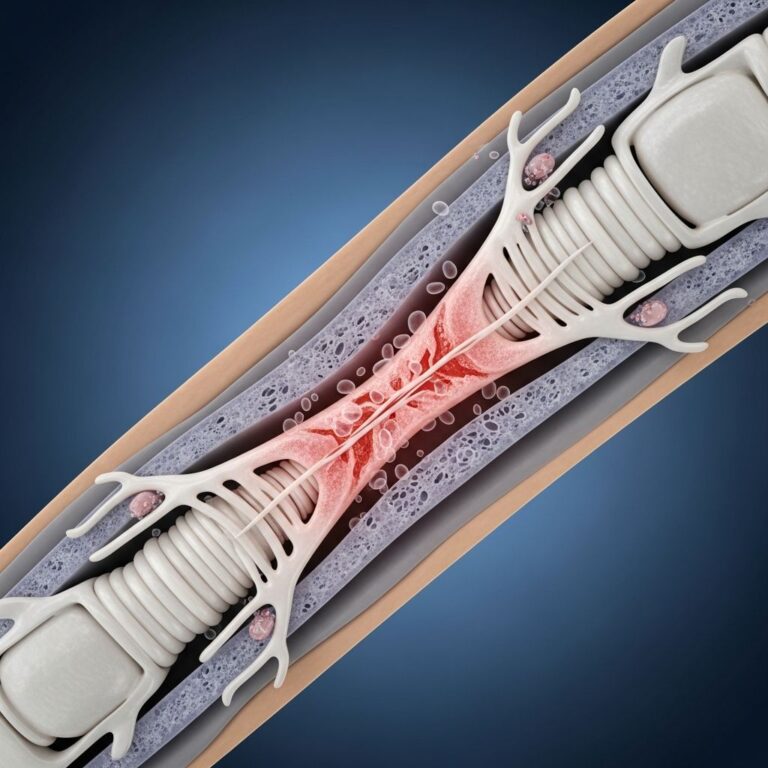
- It reflects the stiffness of your arteries. Stiffer arteries mean higher pulse pressure.
- It can indicate early signs of heart disease before symptoms appear.
- It helps predict the risk of major adverse cardiovascular events (MACE), such as heart attack or stroke.
Health Risks Associated with High Pulse Pressure
A consistently high pulse pressure is linked to several serious health risks:
- Heart Disease: Every 10 mmHg increase in pulse pressure raises the risk of coronary artery disease by 23%.
- Stroke: Higher pulse pressure is associated with an increased risk of stroke.
- Heart Failure: In older adults, every 10 mmHg increase in pulse pressure increases the risk of heart failure by 32%.
- Eye and Kidney Damage: High pulse pressure can contribute to complications in people with diabetes.
Causes of High Pulse Pressure
Several factors can lead to a high pulse pressure:
- Arterial Stiffness: As arteries become less flexible, pulse pressure increases.
- Aging: Arterial stiffness naturally increases with age.
- Hypertension: High blood pressure can cause pulse pressure to rise.
- Heart Valve Problems: Issues with heart valves can affect blood flow and pulse pressure.
- Thyroid Disorders: Both hyperthyroidism and hypothyroidism can impact pulse pressure.
How Pulse Pressure Affects Different Groups
Research shows that the impact of pulse pressure varies among different populations:
- Men and Women: Increased pulse pressure is a risk factor for both, but women may face a higher risk of major adverse cardiovascular events with every 10 mmHg increase.
- Older Adults: Pulse pressure is a stronger predictor of cardiovascular events in older populations.
- People with Existing Heart Disease: High pulse pressure is especially dangerous for those with coronary artery disease or a history of heart attack.
Monitoring and Managing Pulse Pressure
Regular monitoring of pulse pressure is essential for maintaining heart health:
- Check your blood pressure regularly using a home monitor or at your healthcare provider’s office.
- Keep a log of your readings to track changes over time.
- Discuss any significant changes with your healthcare provider.
Related Stories



Treatment and Prevention
While there are no drugs specifically approved to lower pulse pressure, certain strategies can help:
- Lifestyle Changes: Maintain a healthy diet, exercise regularly, and avoid smoking.
- Medications: Some antihypertensive drugs can modestly lower pulse pressure, but others may increase it.
- Manage Underlying Conditions: Treat conditions like hypertension, diabetes, and thyroid disorders.
When to See a Doctor
Consult your healthcare provider if you notice:
- Consistently high pulse pressure readings.
- Symptoms of heart disease, such as chest pain, shortness of breath, or dizziness.
- Any significant changes in your blood pressure or pulse pressure.
FAQs About Pulse Pressure
What is a normal pulse pressure?
A normal pulse pressure is around 40 mmHg. Readings above 60 mmHg are considered high, and above 100 mmHg are very high.
Can pulse pressure be too low?
Yes, a very low pulse pressure (below 25 mmHg) can indicate poor heart function or shock and should be evaluated by a healthcare provider.
Does pulse pressure change with age?
Yes, pulse pressure tends to increase with age due to natural stiffening of the arteries.
How often should I check my pulse pressure?
It’s recommended to check your blood pressure (and thus pulse pressure) at least once a year, or more often if you have risk factors for heart disease.
Can lifestyle changes lower pulse pressure?
Yes, healthy lifestyle choices such as regular exercise, a balanced diet, and not smoking can help maintain a healthy pulse pressure.
References
References
- Association of pulse pressure with risk of major adverse cardiovascular events — European Heart Journal. 2023. https://academic.oup.com/eurheartj/article/44/Supplement_2/ehad655.2317/7393132
- Assessing Wide Pulse Pressure Hypertension — PubMed Central. 2020. https://pmc.ncbi.nlm.nih.gov/articles/PMC7111461/
- Pulse Pressure: What It Means & How To Calculate It — Cleveland Clinic. 2023. https://my.clevelandclinic.org/health/body/21629-pulse-pressure
Similar Articles








Read full bio of Sneha Tete