Understanding Pupil Dilation: Causes and Health Concerns
Learn what causes dilated pupils and when medical attention is necessary.
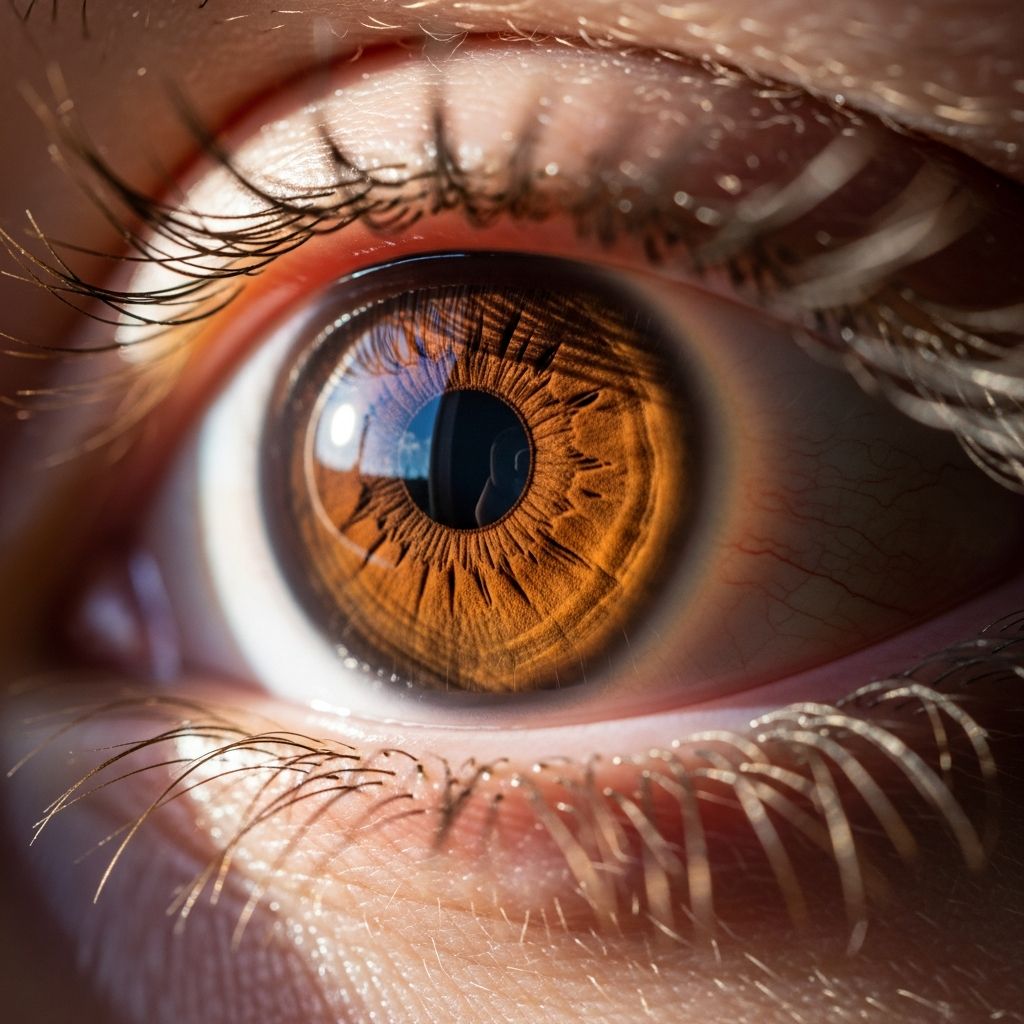
The pupils are the dark openings at the center of your eyes that control how much light enters the eye. These structures are far more than simple optical features—they are dynamic indicators of your eye health and overall neurological function. When pupils dilate abnormally and fail to respond to light changes, this condition, known as mydriasis, warrants careful evaluation. Understanding what causes pupil dilation and recognizing warning signs can help you determine whether the condition requires professional medical attention.
How Pupils Function Normally
Pupil size is regulated by two types of muscles within the iris, the colored portion of your eye surrounding the pupil. The sphincter muscles form concentric circles and contract to make the pupil smaller, while the dilator muscles extend radially and contract to enlarge the pupil. These muscles respond automatically to various stimuli without conscious effort.
In bright environments, your pupils naturally constrict to limit light exposure and protect the retina from excessive illumination. Conversely, in dim lighting conditions, your pupils expand to gather more available light, enabling better vision in low-light settings. This automatic response occurs through the parasympathetic nervous system, which controls constriction, and the sympathetic nervous system, which governs dilation. When this normal reflex fails to occur, it indicates a potential problem affecting either the eye itself or the neural pathways controlling pupil response.
Common Medication-Related Causes
One of the most prevalent reasons for pupil dilation involves medications and over-the-counter substances. Numerous commonly used drugs can cause mydriasis as either a primary effect or an unintended side effect. Understanding which medications can affect your pupils helps you recognize whether the dilation is temporary and harmless or potentially concerning.
Antihistamines, frequently used to treat allergies and cold symptoms, frequently cause pupil dilation. Similarly, decongestants used for nasal congestion can trigger enlarged pupils. Antidepressant medications, particularly older formulations, often produce mydriasis as a side effect. Muscle relaxants prescribed for various musculoskeletal conditions can also enlarge the pupils. Additionally, medications used to treat Parkinson’s disease may cause this effect.
Most medication-induced pupil dilation resolves as the drug leaves your system. The duration varies depending on the specific medication and your individual metabolism. If you suspect your medication is causing unwanted pupil dilation, consult your healthcare provider before adjusting or discontinuing the drug. Your doctor may recommend an alternative medication with fewer ocular side effects or adjust your dosage to minimize this effect.
Substance Use and Drug-Related Dilation
Beyond prescription medications, recreational drugs and certain substances can dramatically enlarge pupils. Stimulants such as cocaine and methamphetamine cause the sympathetic nervous system to become overactive, resulting in pronounced dilation. Hallucinogenic drugs also frequently produce this effect. Even commonly consumed substances like caffeine can mildly enlarge pupils in some individuals.
Related Stories



The dilation caused by recreational drugs typically resolves as the substance metabolizes from your body. However, chronic use of certain drugs can lead to persistent pupil abnormalities and other serious health complications affecting the eyes and nervous system. If you are struggling with substance use disorder, seeking professional help can address both the addiction and any resulting health complications.
Eye Injuries and Trauma
Direct trauma to the eye or surrounding structures can damage the delicate muscles and nerve pathways that control pupil size. Blunt force injuries may harm the iris sphincter muscle itself, preventing normal constriction. Similarly, head trauma can injure the neural pathways that transmit signals controlling pupil response, resulting in mydriasis that may be temporary or permanent depending on the severity of the injury.
Surgical procedures affecting the eye can also cause pupil dilation. Cataract removal, corneal transplantation, retinal detachment repair, and other intraocular surgeries may result in abnormal pupil response. In many cases, the pupils gradually return to normal function as healing progresses. However, some patients experience persistent mydriasis following surgery. Always inform your eye care provider about any changes in pupil appearance or function following eye surgery.
Neurological Conditions Associated with Dilated Pupils
Several serious neurological conditions can cause abnormal pupil dilation. One such condition, known as Adie’s tonic pupil, typically affects only one eye. In this condition, the affected pupil becomes abnormally enlarged and reacts very slowly to light changes. While Adie’s pupil is generally benign and does not indicate a life-threatening condition, it can occasionally result from eye injury, infection, or previous surgery.
Anisocoria, the condition of having pupils of noticeably different sizes, affects approximately one-fifth of the general population. While often harmless, persistent or new-onset anisocoria warrants evaluation to rule out more serious underlying conditions. The oculomotor nerve, also called the third cranial nerve, controls most eye movements and pupil size. Compression or damage to this nerve from various causes can result in a dramatically enlarged pupil on the affected side, often accompanied by drooping eyelids and double vision.
Several critical neurological emergencies can manifest with abnormal pupil dilation. Increased intracranial pressure from various causes can force the oculomotor nerve against surrounding structures, causing a “blown pupil” that becomes fixed and unresponsive to light. Brain aneurysms, particularly those pressing on the oculomotor nerve, frequently cause this sign. Brain tumors growing in certain locations can similarly affect pupil control. Intracranial hemorrhage from any cause, whether from trauma, aneurysm rupture, or other sources, can raise intracranial pressure and produce abnormal pupils. Stroke affecting the brainstem, where critical nerve fibers travel, can cause mydriasis. Infections of the brain or its surrounding membranes can also produce abnormal pupil responses.
Other Medical Conditions Affecting Pupils
Beyond the conditions previously mentioned, several other medical disorders can cause pupil dilation. Ocular migraine can produce temporary pupil changes along with visual disturbances, typically without the severe headache that accompanies classic migraine. Acute glaucoma, an ophthalmologic emergency characterized by rapid pressure elevation within the eye, can cause a fixed, dilated pupil in the affected eye alongside severe eye pain and vision loss.
Botulism, a serious bacterial infection, affects the nervous system and can produce bilateral pupil dilation alongside other characteristic symptoms. Certain infections and inflammatory conditions affecting the nervous system may also alter pupil size and reactivity.
Recognizing Warning Signs
Most cases of mild or medication-induced pupil dilation are not emergencies. However, certain presentations warrant urgent medical evaluation. Sudden, unexplained dilation of one or both pupils should prompt immediate concern, particularly if accompanied by other neurological symptoms.
Several warning signs indicate that pupil dilation may reflect a serious underlying condition:
- Pupils that remain persistently enlarged despite bright light exposure
- Sudden development of unequal pupil sizes when your pupils were previously equal
- Dilation accompanied by severe headache, especially if the headache is different from any you have previously experienced
- Dilation accompanied by confusion, disorientation, or difficulty concentrating
- Dilation accompanied by dizziness, vertigo, or loss of balance
- Dilation accompanied by double vision or difficulty focusing
- Dilation accompanied by drooping eyelids or facial weakness
- Dilation occurring after head injury or trauma
- Dilation accompanied by vision changes, eye pain, or eye redness
- Dilation that affects only one pupil and does not resolve within hours
If you experience any of these warning signs, seek medical attention promptly. In cases of severe headache, sudden vision loss, or altered consciousness accompanying pupil changes, call emergency services immediately.
When to Seek Medical Evaluation
Any persistent or unexplained change in your pupils warrants evaluation by an eye care professional. During an eye examination, your ophthalmologist or optometrist will assess how your pupils respond to light and evaluate the symmetry between your two pupils. They will also examine the structures of your eyes and may perform additional testing to determine the underlying cause of any abnormality.
Your eye care provider will ask detailed questions about the onset of the dilation, any associated symptoms, medications you take, recent injuries or illnesses, and any family history of eye or neurological conditions. This information helps guide the diagnostic process. Depending on findings from the initial examination, your doctor may recommend imaging studies such as magnetic resonance imaging or computed tomography to evaluate for intracranial pathology.
Home Evaluation Techniques
You can perform basic pupil assessment at home to monitor for concerning changes. Stand in front of a mirror in a dark room and shine a flashlight or smartphone light toward one eye at a time. Observe whether the pupils constrict promptly in response to the light and whether they dilate when you remove the light. Both pupils should respond similarly and symmetrically. Check whether your pupils appear equal in size when in normal room lighting. Any persistent asymmetry or failure to respond to light changes warrants professional evaluation.
While home evaluation can help you recognize obvious abnormalities, it cannot replace comprehensive professional eye examination. Your eye care provider has specialized equipment and expertise to detect subtle pupil abnormalities and perform tests that help identify underlying causes.
Managing Medication-Induced Dilation
If your dilation results from a prescribed medication, do not discontinue the medication without consulting your prescribing physician. Many medications provide essential health benefits that outweigh minor ocular side effects. Your doctor may recommend:
- Waiting for the side effect to diminish as your body adjusts to the medication
- Switching to an alternative medication in the same class with fewer ocular effects
- Adjusting your dosage if appropriate
- Taking the medication at a different time of day to minimize dilation during your waking hours
- Using sunglasses to reduce discomfort from light sensitivity accompanying the dilation
For over-the-counter medications causing dilation, you have more flexibility to discontinue use if the side effect is bothersome. However, discuss alternatives with a pharmacist or healthcare provider to address the condition you were treating.
Understanding Individual Variation
Pupil size and responsiveness vary naturally among individuals. Some people naturally have larger pupils than others, a trait influenced by genetics and iris pigmentation. Individuals with lighter-colored irises typically have larger natural pupil sizes than those with darker irises. Age also affects baseline pupil size; older adults often have smaller pupils than younger individuals. Additionally, pupil dilation can vary with emotional state, interest level, and cognitive engagement, as the brain unconsciously modulates pupil size in response to these psychological factors.
These normal variations should not cause concern unless accompanied by sudden changes or other symptoms. If your pupils have always been slightly larger than average or slightly unequal in size, and you have no other concerning symptoms, this likely represents normal anatomical variation.
Frequently Asked Questions
Can pupil dilation be temporary?
Yes, temporary dilation commonly occurs with certain medications and drugs. Medication-induced dilation typically resolves as the drug is metabolized from your system. Eye care professionals intentionally dilate pupils with specialized drops during eye examinations; these drops generally wear off within 4 to 24 hours depending on the specific medication used.
Is unequal pupil size always dangerous?
Unequal pupil size, or anisocoria, affects a significant percentage of the population and is often harmless. However, if you develop new-onset unequal pupils, or if unequal pupils are accompanied by other symptoms, professional evaluation is warranted to rule out serious causes.
Can dilated pupils cause vision problems?
Dilated pupils may reduce your eye’s ability to focus clearly, potentially causing blurred vision, particularly when reading or viewing nearby objects. Increased light sensitivity often accompanies dilation, making bright environments uncomfortable. These effects are typically temporary and resolve when the pupils return to normal size.
What should I do if my pupils suddenly become dilated?
If dilation is accompanied by severe headache, altered vision, confusion, or other neurological symptoms, seek emergency medical care. For isolated dilation without other symptoms, contact your eye care provider or primary care physician for evaluation. Provide information about when the dilation began, any recent medications you started, and any other symptoms you may be experiencing.
Can stress cause dilated pupils?
Yes, stress and strong emotions can cause temporary pupil dilation through activation of the sympathetic nervous system. This response is normal and the pupils should return to baseline as stress diminishes. However, persistently dilated pupils are not a normal response to stress and warrant evaluation.
Conclusion and Key Takeaways
Pupil dilation can result from benign causes such as medications and emotional responses, or from serious neurological conditions requiring urgent evaluation. Most mild cases related to over-the-counter medications resolve without treatment as the drug leaves your system. However, sudden, persistent, or unequal dilation accompanied by other symptoms demands prompt professional assessment.
Understanding the normal function of your pupils and recognizing abnormal changes empowers you to seek appropriate medical care when necessary. Maintain awareness of medications you take and their potential effects on your eyes. If you notice any unexplained or concerning changes in your pupils, do not delay in consulting an eye care professional or physician. Early recognition of serious underlying conditions can be life-saving, making vigilance about pupil changes an important aspect of your overall health.
References
- What Causes Dilated Pupils & When To Worry — Cleveland Eye Clinic. 2024-03-21. https://clevelandeyeclinic.com/2024/03/dilated-pupils-causes-treatments-and-when-to-be-concerned/
- When to Worry about Dilated Pupils | Causes & Treatment — Specialty Eye Institute. https://www.specialtyeyeinstitute.com/dilated-pupils/
- Possible Causes of Dilated Pupils (Mydriasis) — Healthgrades. https://resources.healthgrades.com/right-care/eye-health/dilated-pupils
- Mydriasis — Wikipedia. https://en.wikipedia.org/wiki/Mydriasis
- Dilated Pupil — Ophthalmology — UCLA Health. https://www.uclahealth.org/medical-services/ophthalmology/eye-signs-and-symptoms/dilated-pupil
- Dilated Pupils & Pupil Dilation: Causes & Symptoms — All About Vision. https://www.allaboutvision.com/conditions/symptoms/dilated-pupils/overview-of-pupil-dilation/
Similar Articles








Read full bio of medha deb