Understanding Pus: History, Formation, and Medical Significance
Explore the truth about pus, dispelling ancient myths and understanding its role in infection.

Pus has been a subject of medical study for centuries, yet misconceptions about its role in healing have persisted throughout history. Today, medical professionals understand pus as a clear indicator of infection and a complex biological response to tissue damage. This article explores what pus actually is, the historical myths surrounding it, and how modern medicine approaches infections and abscess treatment.
What Is Pus?
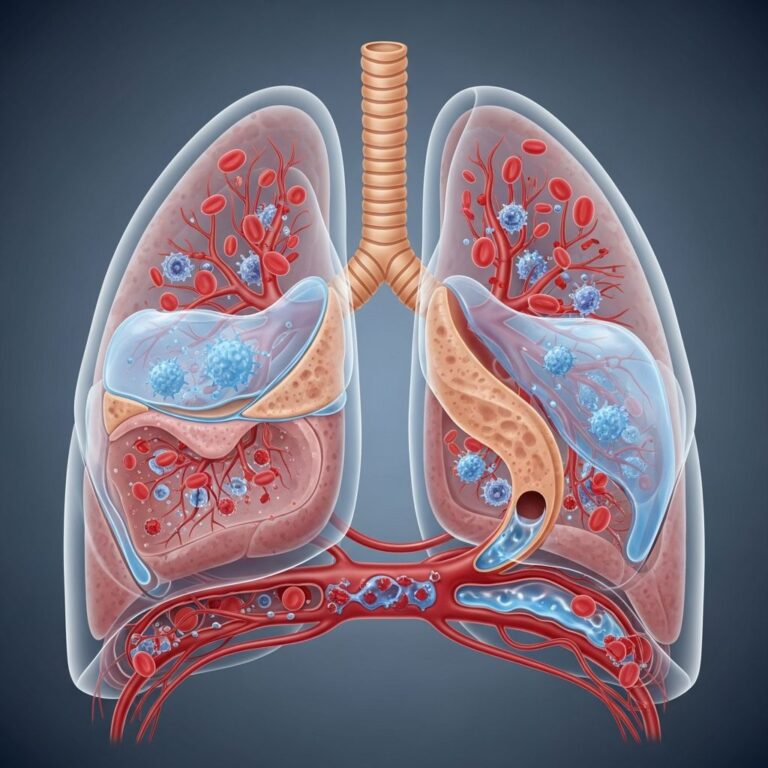
Pus is a buildup of fluid containing living and dead white blood cells, dead tissue, and bacteria or other foreign substances. When tissue becomes infected, the body’s immune system mobilizes to fight the invading pathogens. White blood cells move through the walls of blood vessels into the infected area, accumulating in the damaged tissue and forming the characteristic yellowish or whitish substance we recognize as pus.
This biological response is the body’s natural defense mechanism, but it also signals that an infection is present. The formation of pus represents an active immune response, where specialized cells work to eliminate bacteria and other harmful microorganisms that have invaded the body.
The Historical Myth of Laudable Pus
For several centuries, Western medicine operated under a fundamental misconception about pus. Medical practitioners believed that suppuration—the formation of pus—was a sign of healthy, healing wounds. This concept, known as “laudable pus,” became so entrenched in medical doctrine that it influenced treatment practices for generations.
The belief was particularly strong during the medieval and Renaissance periods, extending into the era of the American Civil War. Historical accounts from Civil War field medicine actually recommended leaving wounds alone once gangrenous material had been removed and “laudable pus” had appeared. This approach was fundamentally at odds with what we now know about proper wound care and infection management.
Even renowned ancient physicians like Hippocrates and Galen contributed to this misconception, though they did recognize one important principle: drainage of infected material from wounds was beneficial. However, their observations were misinterpreted as endorsing the presence of pus as a positive sign rather than understanding drainage as a necessary treatment for infection.
Why the Misconception Persisted
The persistence of the “laudable pus” myth can be explained by differences in how various infections present themselves. Chronic wound infections caused by pyogenic bacteria (pus-forming bacteria) typically produce large amounts of thick, whitish-yellow pus. These infections are usually superficial and rarely fatal, allowing patients to survive and appear to recover despite the presence of pus.
In contrast, necrotizing soft tissue infections—despite being extraordinarily severe with high mortality rates—are notably devoid of pus in the traditional sense. Ancient medical observers recognized that certain devastating infections did not produce the characteristic pus they had come to associate with healing. Rather than reconsidering their theory, they simply noted that these particularly dangerous infections lacked pus, which paradoxically seemed to reinforce their belief that pus indicated less severe infection.
Related Stories



This observational bias led to a dangerous medical doctrine that took centuries to overcome, even when evidence from pioneering physicians challenged the prevailing wisdom.
The Bacteria Behind Pus Formation
The thick, white, odorless discharge traditionally described as laudable pus is typically the product of infections caused by specific bacteria. Staphylococcus aureus is often responsible for pyogenic skin and soft tissue infections (SSTIs), though numerous other bacteria can also cause purulent wounds.
While S. aureus can cause serious, invasive infections—with over 15% of S. aureus bacteremia cases beginning as skin and soft tissue infections—the vast majority of superficial staphylococcal infections remain localized and unlikely to be fatal in healthy individuals. Even with the emergence of community-acquired methicillin-resistant S. aureus (MRSA) strains, immunocompetent individuals may not require antibiotic treatment for simple superficial infections.
Common Sites and Types of Abscesses
Abscesses—localized collections of pus—can form in nearly any body location, though certain areas are more commonly affected:
- Skin and subcutaneous tissue (under the skin)
- Tooth and gum areas
- Internal organs and abdominal cavity
- Brain tissue
- Other deep tissue structures
Skin abscesses are the easiest to identify, presenting as red, raised, and painful areas. Abscesses in deeper locations may not be visible but can cause significant organ damage if left untreated. Abscesses may be caused by bacteria, parasites, and foreign substances that trigger the body’s immune response.
Modern Treatment Approaches for Superficial Infections
Interestingly, modern treatment for superficial infections bears remarkable similarity to ancient principles established by Hippocrates. Incision and drainage of pus followed by sterile wound dressings are usually sufficient when there are no signs of systemic infection, and antibiotics are often unnecessary.
This approach reflects an important historical lesson: Hippocrates and Galen were correct that encouraging drainage from infected wounds was crucial, as an undrained abscess could lead to death. However, they misinterpreted this finding as indicating the pus itself was beneficial, when in reality they were recognizing the importance of removing infected material and allowing the wound to heal.
For superficial surgical site infections and simple skin and soft tissue infections without systemic involvement, the primary treatment remains mechanical—removing the infected material through drainage rather than relying solely on antimicrobial therapy.
When Antibiotics Become Necessary
While superficial infections may be managed with drainage alone, situations exist where antibiotics are essential. In skin and soft tissue infections complicated by signs of systemic infection such as fever, tachycardia (elevated heart rate), tachypnea (rapid breathing), or abnormal white blood cell count, antibiotics represent an important part of treatment.
These systemic signs indicate that the infection has spread beyond the local area and poses a serious threat to overall health. This represents one of the key advantages of modern medicine over ancient practice: the ability to administer antibiotics to prevent life-threatening complications from localized infections.
Necrotizing Soft Tissue Infections: The Exception That Proves the Rule
Necrotizing soft tissue infections (NSTIs) represent a category of infection that directly contradicts the “laudable pus” theory. These conditions, known by various historical names including phagedena and hospital gangrene, are characterized by rapid tissue destruction and high mortality rates.
NSTIs include several specific types:
- Necrotizing cellulitis
- Necrotizing fasciitis
- Necrotizing myositis
- Myonecrosis
Despite being nonpurulent (lacking traditional pus), these infections are associated with high mortality and morbidity, even with modern-day antibiotic treatment. A seemingly healthy individual can develop severe pain followed by rapidly progressing tissue necrosis that leads to septic shock and death within 24 to 72 hours of initial symptom onset.
The absence of pus in these devastating infections is precisely what made ancient physicians believe that nonpurulent infections were less serious—a dangerous assumption. The lack of pus actually indicates some of the most severe infections requiring immediate medical intervention.
Diagnosing Abscesses in Modern Medicine
Modern diagnostic tools allow healthcare providers to locate and characterize abscesses with precision. Testing to locate an abscess includes:
- Ultrasound imaging
- CT scans
- MRI scans
- X-rays (particularly for tooth abscesses)
Additionally, samples of fluid are often taken from abscesses and tested to identify the specific microorganism causing the infection. This allows clinicians to determine whether antibiotics are necessary and, if so, which antimicrobial agents would be most effective against the identified pathogen.
Treatment Options for Abscesses
Treatment for abscesses varies depending on the location, size, and severity of infection, but typically involves one or both of the following approaches:
- Surgical drainage: Often the primary treatment, involving incision to allow pus to drain
- Antibiotics: Used either alone or in combination with drainage, particularly when systemic infection is present
The decision to use antibiotics depends on clinical indicators of systemic infection and the specific location and nature of the abscess.
Prevention Strategies
Preventing abscesses depends on their location and underlying cause. General prevention strategies include:
- Skin abscesses: Maintain good hygiene practices, clean wounds promptly, and avoid sharing personal items
- Dental abscesses: Practice dental hygiene and undergo routine dental care
- Internal abscesses: Maintain overall health and immune function through proper nutrition and medical care
Modern Guidelines and the Legacy of Ancient Observations
While the term “laudable pus” is no longer used in contemporary medicine, some lessons from this historical concept have influenced modern clinical practice. The Infectious Disease Society of America’s 2014 guidelines on managing skin and soft tissue infections include a distinction between purulent and nonpurulent infections, explicitly acknowledging the fulminant nature of many nonpurulent infections and the urgency with which they should be evaluated.
This represents a full-circle recognition: ancient physicians were correct that the absence of pus could indicate serious infection, but they misinterpreted this observation for centuries. Modern guidelines now emphasize that the lack of pus should not be interpreted as a positive sign—quite the opposite.
When to Seek Medical Attention
You should contact a healthcare provider if you suspect you have any type of abscess, particularly if you experience:
- Fever or signs of systemic infection
- Rapid spreading of redness or swelling
- Severe pain
- Signs of skin breakdown or drainage
- Symptoms that worsen despite initial treatment
For dental abscesses, contact your dentist promptly. For internal abscesses, seek immediate medical attention if you have unexplained fever, persistent pain, or other signs of serious infection.
Frequently Asked Questions
Q: Is pus always a sign of serious infection?
A: No. While pus indicates an infection is present, many purulent infections are superficial and easily treated with drainage alone. However, the presence or absence of pus should not be used to assess infection severity—some life-threatening infections produce no pus at all.
Q: Can abscesses heal without treatment?
A: Small abscesses may occasionally drain and resolve spontaneously, but most require medical intervention. Undrained abscesses can lead to serious complications, including systemic infection and sepsis. Professional evaluation and treatment are recommended.
Q: Are antibiotics always necessary for treating abscesses?
A: No. Many superficial abscesses can be effectively treated with incision and drainage alone, without antibiotics. Antibiotics become necessary when there are signs of systemic infection or in certain high-risk locations.
Q: What causes some infections to produce pus while others don’t?
A: Different bacteria and infection types trigger different immune responses. Pyogenic bacteria cause pus formation, while other pathogens (particularly those causing necrotizing infections) produce little to no pus despite being more severe.
Q: How long does it take for an abscess to develop?
A: The timeline varies greatly depending on the infection type, location, and individual immune response. Some abscesses develop over days, while others form more gradually over weeks.
References
- The Mythos of Laudable Pus Along with an Explanation for Its Origin — National Center for Biotechnology Information (NCBI/PMC). 2017. https://pmc.ncbi.nlm.nih.gov/articles/PMC5538214/
- Abscess: MedlinePlus Medical Encyclopedia — U.S. National Library of Medicine. Updated 2024-08-29. https://medlineplus.gov/ency/article/001353.htm
Similar Articles








Read full bio of Sneha Tete