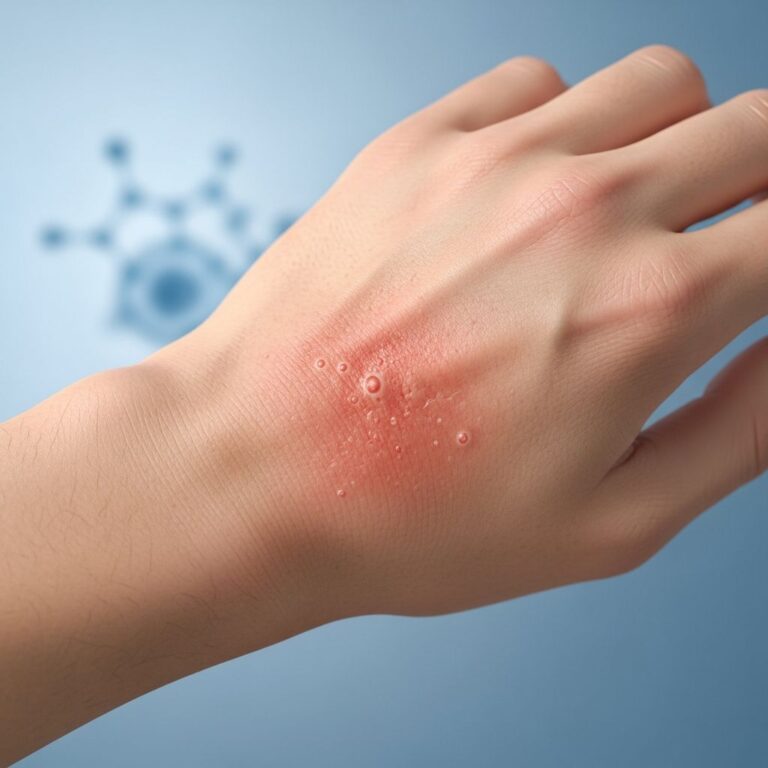
Understanding Self-Injury: Signs, Causes, and Recovery
Comprehensive guide to recognizing and addressing self-harm behaviors with evidence-based treatment approaches.
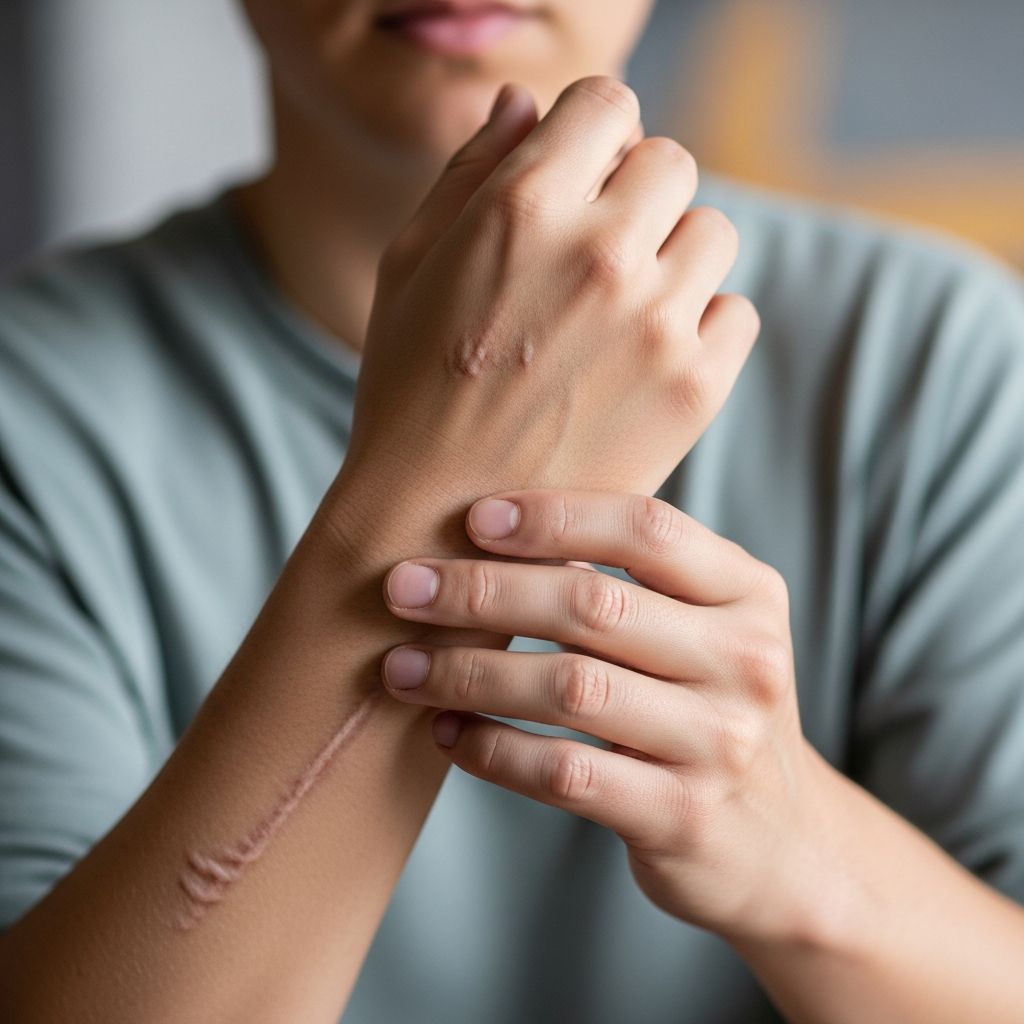
Self-injury represents a significant public health concern affecting millions of individuals worldwide. Approximately 5% of the population engages in deliberate self-harm behaviors at some point in their lives. This phenomenon, also referred to as nonsuicidal self-injury (NSSI), involves the intentional infliction of damage to one’s own body tissue without the intention of causing death. Rather than a suicide attempt, self-injury functions as a maladaptive coping mechanism—a way individuals attempt to manage overwhelming emotional states, trauma responses, or feelings of emptiness and disconnection from their bodies and minds.
Understanding self-injury requires moving beyond stigma and judgment to recognize it as a symptom of underlying psychological distress. Many individuals who engage in self-harm are experiencing significant emotional pain that conventional coping strategies have failed to address. By examining the mechanisms, manifestations, and motivations behind self-injury, we can develop more compassionate approaches to intervention and recovery.
Recognizing the Physical Manifestations
Self-injury manifests through numerous physical methods, each serving similar psychological functions despite superficial differences. The most prevalent form involves cutting the skin with sharp implements such as razors, knives, or broken glass—accounting for 70-90% of reported cases. This method provides immediate sensory feedback and visible evidence of the internal pain being externalized.
Beyond cutting, individuals employ a diverse range of self-harm techniques:
- Burning: Using cigarettes, matches, heated objects, or friction to damage skin tissue, representing 15-35% of self-injury cases
- Impact-based methods: Self-hitting, punching walls or objects, head-banging, and intentional bruising, occurring in 21-44% of cases
- Piercing and insertion: Using sharp objects to puncture skin or inserting objects beneath the skin surface
- Excoriation: Excessive scratching or picking at skin until bleeding occurs
- Hair removal: Pulling out hair (trichotillomania) to cause physical sensation and visible damage
- Carving: Etching words, symbols, or patterns into skin to create permanent marks
- Ingestion: Consuming toxic substances such as cleaning products or other harmful chemicals
- Bone fracturing: Deliberately breaking bones to cause injury
Most individuals who self-injure employ multiple methods rather than relying on a single technique. The specific method chosen often reflects accessibility, desired intensity of pain, and the particular psychological function the behavior serves at that moment.
Observable Warning Signs and Behavioral Indicators
Identifying self-injury in others requires awareness of both physical and behavioral indicators. Individuals attempting to conceal self-harm often display recognizable patterns of behavior and appearance that warrant attention.
Physical Evidence
The most visible indicators include:
- Unexplained scars, frequently arranged in patterns or clusters, particularly on the forearms, wrists, thighs, or abdomen
- Fresh cuts, scratches, bruises, or burn marks in various stages of healing
- Bite marks or evidence of self-inflicted blunt trauma
- Excessive rubbing or abraded areas suggesting friction-based injuries
Behavioral and Lifestyle Patterns
Beyond visible wounds, behavioral changes often precede or accompany self-injury:
- Inappropriate clothing choices: Wearing long sleeves, long pants, or high-necked garments during warm weather specifically to conceal injuries
- Possession of sharp objects: Keeping razors, broken glass, or other implements without apparent practical purpose
- Injury attribution: Providing inconsistent or implausible explanations for wounds, frequently citing accidental injuries or animal scratches
- Isolation: Withdrawing from social activities and demonstrating reduced engagement with previously enjoyed pursuits
- Emotional instability: Displaying rapid mood fluctuations, intense emotional reactions to minor triggers, and impulsive behavior patterns
- Verbal indicators: Expressing feelings of hopelessness, worthlessness, helplessness, or self-directed hatred
- Relationship difficulties: Experiencing conflicts in friendships and romantic relationships or actively avoiding intimate connections
Related Stories



The Psychological Architecture of Self-Harm
Self-injury rarely develops without underlying psychological factors. Understanding why individuals turn to self-harm requires examining the emotional and cognitive states that precede and reinforce these behaviors.
Primary Motivational Factors
Research identifies several distinct psychological functions served by self-injury:
| Psychological Function | Description | Emotional Context |
|---|---|---|
| Affect regulation | Managing or reducing severe emotional distress, anxiety, and overwhelming feelings | Emotional pain, panic, rage |
| Distraction mechanism | Shifting attention from emotional pain to manageable physical sensation | Dissociation, numbness |
| Control assertion | Exercising autonomy over one’s body and life circumstances | Powerlessness, helplessness |
| Sensation generation | Creating physical feeling when experiencing emotional emptiness or depersonalization | Numbness, disconnection |
| Emotional expression | Externalizing internal emotional states through visible physical damage | Inability to verbalize feelings |
| Communication | Signaling distress and emotional pain to others | Feeling unheard, misunderstood |
| Self-punishment | Enacting perceived deserved consequences for real or imagined transgressions | Shame, guilt, self-hatred |
Common Underlying Conditions
Self-injury frequently co-occurs with diagnosed mental health conditions. These include depression, characterized by persistent sadness and hopelessness; anxiety disorders, marked by excessive worry and panic; personality disorders affecting emotional regulation and relationships; bipolar disorder, involving extreme mood fluctuations; obsessive-compulsive disorder, featuring intrusive thoughts and compulsive behaviors; and psychotic disorders such as schizophrenia, involving disrupted reality perception.
Additionally, individuals with histories of trauma, abuse, or neglect demonstrate elevated rates of self-injury. The behavior often emerges as an adaptation to unbearable emotional states resulting from past or ongoing traumatic experiences.
The Temporary Relief Cycle and Long-Term Consequences
Self-injury creates a problematic reinforcement pattern. Immediately following self-harm, individuals frequently experience temporary psychological relief—a reduction in emotional pain and increased sense of calm and control. This immediate gratification powerfully reinforces the behavior, creating strong incentives to repeat it when psychological distress resurfaces.
However, this relief proves fleeting and comes at significant cost. Within hours, the initial calm dissipates, replaced by intensified shame, guilt, and self-recrimination. The return of original painful emotions, now compounded by regret and embarrassment, creates a destructive cycle that deepens both the psychological distress and dependence on self-injury as a coping mechanism.
Physical Health Consequences
Beyond the temporary psychological effects, self-injury produces serious physical complications:
- Permanent scarring and disfigurement affecting appearance and body image
- Infection risk from non-sterile implements and contaminated wounds
- Uncontrolled bleeding, particularly with deeper cuts
- Permanent nerve damage affecting sensation or function
- Life-threatening injuries that may occur despite non-suicidal intent
Psychological and Social Ramifications
The long-term psychological impact extends far beyond immediate shame. Continued self-injury perpetuates and intensifies underlying mental health conditions without addressing root causes. Social isolation deepens as individuals conceal their injuries and withdraw from relationships due to shame. Educational and occupational functioning decline as emotional energy becomes consumed by the self-harm cycle. Additionally, the pattern of deliberately injuring oneself during distress can normalize self-harm as a problem-solving strategy, potentially increasing suicide risk if psychological crisis escalates.
Diagnostic Criteria and Professional Assessment
Mental health professionals apply specific criteria to diagnose non-suicidal self-injury disorder. A diagnosis requires intentional self-inflicted damage to body surface tissue with expectation of physical harm but without suicidal intent, occurring on five or more days within a twelve-month period. Additionally, the behavior must occur to seek relief from negative thoughts and feelings, resolve interpersonal conflicts, or generate positive emotions.
Before engaging in self-injury, individuals must experience interpersonal difficulties, negative feelings or thoughts, preoccupation about self-injury, or frequent urges that create distress. The behavior must cause significant personal distress and cannot be explained by other medical or psychiatric conditions. Importantly, culturally sanctioned body modification practices such as tattooing, piercing, or ritualized scarification do not meet diagnostic criteria.
Pathways to Recovery and Evidence-Based Treatment
Recovery from self-injury involves addressing both the symptom and underlying psychological causes through comprehensive treatment approaches. Professional mental health intervention provides essential support for developing healthier coping strategies.
Therapeutic Modalities
Cognitive-behavioral therapy (CBT) helps individuals identify triggers, examine thoughts and beliefs maintaining self-harm, and develop alternative coping skills. Dialectical behavior therapy (DBT) specifically addresses emotion regulation, distress tolerance, and interpersonal effectiveness—core deficits underlying self-injury. Trauma-focused therapies assist individuals processing past traumatic experiences contributing to current distress. Family therapy may prove beneficial when family dynamics maintain self-harm behaviors or when educating family members improves support systems.
Developing Alternative Coping Strategies
Recovery requires building a robust toolkit of healthier responses to psychological distress. These alternatives provide similar psychological functions to self-injury—affect regulation, distraction, sensation generation, or communication—without causing physical harm. Ice holding, intense exercise, cold water immersion, intense sensation (strong flavors or textures), creative expression, journaling, social connection, and professional support represent evidence-based alternatives.
Medical and Psychiatric Support
Medication may address underlying conditions such as depression or anxiety that contribute to self-injury. Psychiatrists work collaboratively with therapists to optimize pharmacological treatment. Additionally, medical providers assess and treat physical injuries resulting from self-harm, provide wound care education, and address infection risks.
Supporting Someone Engaged in Self-Injury
If you recognize self-injury in someone you care about, approaching the situation with compassion rather than judgment proves essential. Express concern without blame, listen without attempting to minimize their emotional pain, and encourage professional help. Avoid demanding they stop immediately or expressing anger about the behavior, as these responses typically increase shame and push individuals further into isolation.
Recognize that recovery requires professional support and time—quick fixes do not exist. Support involves helping the person access mental health services, maintaining connection despite the behavior, and educating yourself about self-injury to respond with informed empathy.
When to Seek Immediate Help
Certain situations require emergency intervention. Seek immediate medical attention for deep wounds, uncontrolled bleeding, signs of infection, or injuries affecting critical body areas. Contact crisis services if someone expresses suicidal thoughts or intentions. Mental health professionals should be consulted whenever self-injury emerges, intensifies, or occurs alongside other concerning behaviors.
References
- Self-injury/cutting — Symptoms and causes — Mayo Clinic. 2024. https://www.mayoclinic.org/diseases-conditions/self-injury/symptoms-causes/syc-20350950
- Self-injury (Cutting, Self-Harm or Self-Mutilation) — Mental Health America. 2024. https://mhanational.org/conditions/self-injury-cutting-self-harm-or-self-mutilation/
- What is Self-Harm? — SAMHSA (Substance Abuse and Mental Health Services Administration). 2024. https://www.samhsa.gov/mental-health/what-is-mental-health/conditions/self-harm
- Self-Harm — MedlinePlus, U.S. National Library of Medicine. 2024. https://medlineplus.gov/selfharm.html
- Nonsuicidal Self-Injury — PMC (PubMed Central), National Institutes of Health. 2013. https://pmc.ncbi.nlm.nih.gov/articles/PMC3612154/
Similar Articles








Read full bio of Sneha Tete