Understanding Sex Drive: What Affects Male Sexual Desire
Explore the biological, psychological, and lifestyle factors influencing male sexual desire and libido.
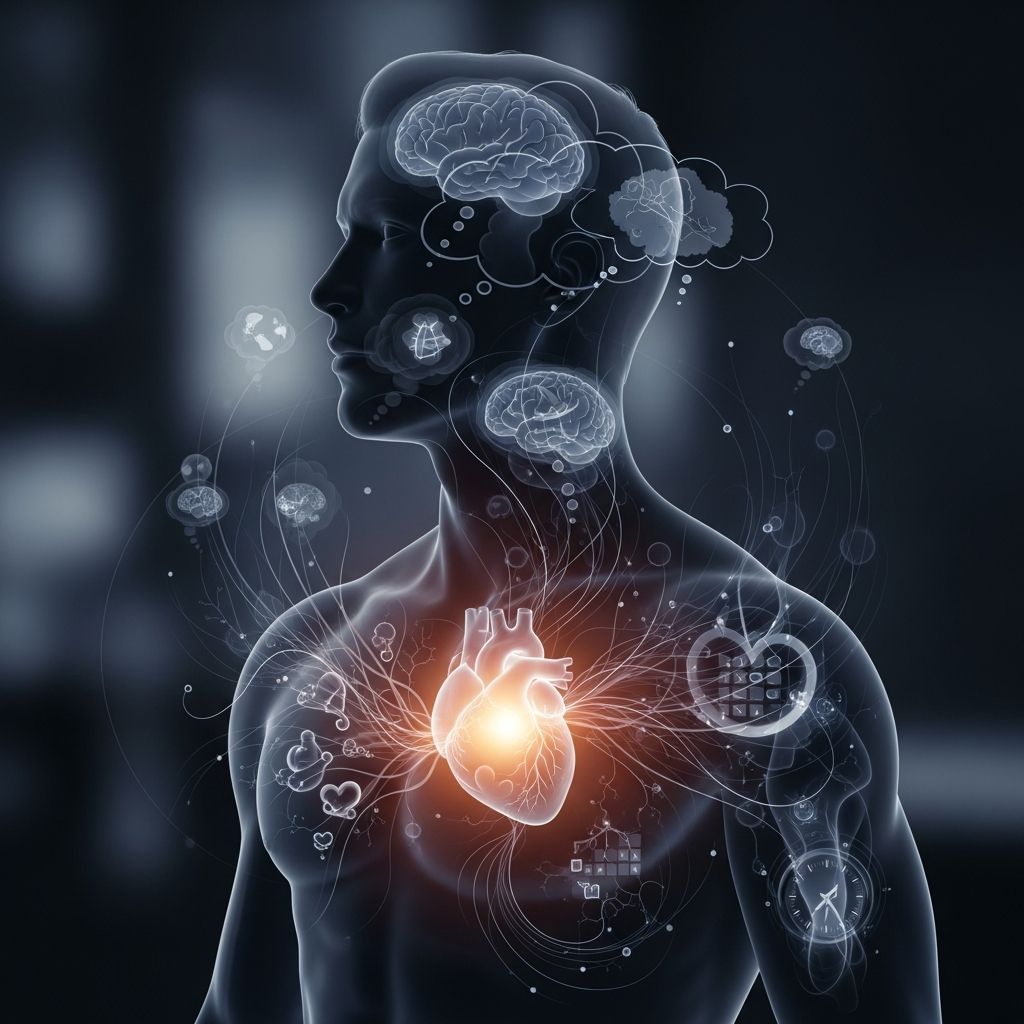
Sexual desire, commonly referred to as libido or sex drive, is a complex physiological and psychological phenomenon that plays an important role in men’s overall health and quality of life. Unlike simple reflexes, sex drive involves intricate interactions between hormones, the nervous system, emotions, relationships, and lifestyle factors. Understanding what influences male sexual desire can help men maintain healthy sexual function throughout their lives and address concerns when they arise.
The Biology of Male Sex Drive
At the core of male sexual desire lies testosterone, the primary male sex hormone. Testosterone is responsible for far more than just sexual function—it influences voice depth, muscle development, facial and body hair growth, and numerous other masculine characteristics. This hormone stimulates genital growth during puberty, plays a crucial role in sperm production, fuels libido, and contributes to normal erectile function.
Beyond sexual characteristics, testosterone fosters the production of red blood cells, boosts mood, and aids cognitive function. The intricate relationship between testosterone levels and sexual desire makes understanding this hormone essential for comprehending male sexuality.
Testosterone and Sexual Function
Testosterone replacement therapy has demonstrated significant benefits for men experiencing low testosterone levels. Research shows that testosterone treatment substantially improves erectile dysfunction and other aspects of sexual function in men with testosterone deficiency. A comprehensive meta-analysis of 14 placebo-controlled randomized clinical trials involving 2,298 participants found that testosterone therapy significantly improved erectile function compared with placebo, with improvements also noted in libido, intercourse satisfaction, orgasm, and overall sexual satisfaction.
The effects of testosterone on sexual function are particularly pronounced in men with hypogonadism, a condition characterized by abnormally low testosterone levels. For men with milder degrees of erectile dysfunction caused by low testosterone, testosterone therapy alone may be sufficient treatment. However, the magnitude of improvement can be lower in men with metabolic complications such as diabetes and obesity.
Age-Related Changes in Sexual Desire
The Decline in Testosterone
As men age, testosterone production naturally declines. Over time, the testicular machinery that produces testosterone gradually becomes less effective, with testosterone levels falling by approximately 1% per year beginning in the 40s. As men progress into their 50s, 60s, and beyond, this decline may manifest in various signs and symptoms of low testosterone.
Symptoms of Low Testosterone
Men experiencing testosterone decline often report:
– Lower sex drive and reduced sense of vitality- Erectile dysfunction- Decreased energy levels- Reduced muscle mass and bone density- Anemia- Difficulty achieving orgasm- Less-intense orgasms- Reduced ejaculatory fluid volume
Collectively, these symptoms are referred to as hypogonadism. Researchers estimate that this condition affects anywhere from two to six million men in the United States, yet it remains significantly underdiagnosed, with only about 5% of affected men receiving treatment.
Sex Drive Across Decades
Research reveals interesting patterns in sexual satisfaction across different life stages. Harvard studies have shown that men in their 40s report greater sex life satisfaction than those in their 30s. This counterintuitive finding may reflect several factors: increased experience, more stable relationships, and potentially reduced performance anxiety. Additionally, surveys indicate that 77% of women in their 40s report enjoying sex more than they did in their 20s, creating more opportunities and mutual satisfaction in relationships.
Related Stories



Psychological Factors Affecting Sexual Desire
Stress and Work Pressures
Psychological stress represents one of the most significant suppressors of sexual desire. Research from the Men’s Health Forum found that 15% of UK men blame work pressures for diminished sex lives. The stress response activates the sympathetic nervous system, diverting blood flow and mental focus away from sexual arousal. Men in their 30s, often at peak career-building phases, frequently report lower sexual satisfaction despite greater physical capability, largely due to work-related stress.
Relationship Dynamics
Sexual desire does not exist in isolation—it is fundamentally a team sport. Relationship quality, communication, emotional intimacy, and mutual attraction significantly influence sexual desire for both partners. Couples struggling with desire often benefit from addressing relationship dynamics alongside any physical causes.
Lifestyle Factors Impacting Sexual Function
Smoking and Alcohol Consumption
Behavioral choices profoundly affect sexual function. Studies published in the British Medical Journal demonstrate that smoking and excessive alcohol consumption not only impair sexual performance but also directly dampen sexual desire. These substances restrict blood flow, reduce hormone production, and affect neurological function necessary for sexual arousal.
Physical Exercise and Activity
Exercise represents one of the most powerful modifiable factors for maintaining sexual function. Research published in the US Annals of Internal Medicine found that men who exercised vigorously several times weekly reduced their risk of erectile dysfunction by 30% compared to sedentary men. Specifically, men who ran for 30 minutes four times per week for nine months reported a 30% increase in sexual intercourse frequency and 26% more orgasms.
Physical fitness improves cardiovascular health, enhances blood flow, increases testosterone production, boosts mood through endorphin release, and increases overall energy and confidence—all factors essential for healthy sexual function.
Medications and Sexual Side Effects
Certain medications can significantly impact sexual desire and function. Benign prostatic hyperplasia (BPH) medications, particularly finasteride (Proscar) and dutasteride (Avodart), may reduce sex drive and decrease ejaculatory fluid volume. While erectile dysfunction does not typically result from BPH treatment, reduced sexual interest makes achieving adequate erections more challenging.
Any man experiencing sexual side effects from medications should consult with his healthcare provider rather than discontinuing treatment independently. Alternative medications or treatment adjustments may be available.
Treatment Approaches for Sexual Dysfunction
Testosterone Replacement Therapy
For men with confirmed low testosterone, testosterone replacement therapy offers several advantages. Healthcare experts recommend starting with testosterone therapy for several important reasons. First, if a man achieves successful return of natural erections through testosterone normalization, it represents a significant improvement in quality of life—he can engage in sexual activity spontaneously without requiring medication taken in anticipation of sex. Second, benefits of testosterone replacement therapy extend far beyond erectile dysfunction, affecting mood, cognition, muscle mass, and bone density.
Combination Therapy Approaches
For men with more severe erectile dysfunction, combination therapy may be necessary. Phosphodiesterase type 5 (PDE5) inhibitors such as sildenafil (Viagra) have a significant failure rate—approximately 25% to 50% depending on underlying conditions. Interestingly, among men who initially fail PDE5 inhibitor monotherapy, about one-third achieve adequate erections with testosterone replacement therapy alone, another third respond well to combination therapy, and the remaining third may require additional interventions.
Diagnosing Low Testosterone
Recognition of low testosterone symptoms is the first step toward treatment. Men experiencing sexual complaints—particularly reduced sexual desire or erectile dysfunction—should request testosterone level testing from their healthcare provider. The primary hallmark of low testosterone is diminished libido, but erectile dysfunction is equally significant and warrants testosterone assessment.
A comprehensive evaluation typically includes blood tests measuring testosterone levels, along with assessment of symptoms and consideration of other potential contributing factors.
Practical Strategies for Maintaining Sexual Health
Lifestyle Modifications
Men seeking to maintain or improve sexual desire and function should prioritize:
– Cessation of smoking and limitation of alcohol consumption- Regular vigorous physical exercise (at least 30 minutes, four times weekly)- Stress management through meditation, exercise, or counseling- Adequate sleep and rest- Maintenance of healthy body weight- Open communication with partners about sexual concerns and preferences
Relationship Enhancement Techniques
Therapeutic approaches can help couples rebuild sexual connection. One evidence-based strategy involves temporarily eliminating performance pressure by mutually agreeing to abstain from intercourse for a specified period while maintaining physical affection through touch and massage. This technique removes anxiety associated with performance, redirects focus to sensations and pleasure, and reactivates the neurochemical systems associated with bonding and relaxation.
When to Seek Professional Help
Men should consult healthcare providers if they experience:
– Persistent decrease in sexual desire not attributable to stress or relationship issues- Ongoing difficulty achieving or maintaining erections- Significant changes in sexual function compared to baseline- Symptoms suggestive of low testosterone- Sexual dysfunction affecting quality of life or relationships
Early intervention often yields better outcomes and helps identify underlying medical conditions that may require treatment.
Frequently Asked Questions About Male Sex Drive
Q: At what age does testosterone begin to decline?
A: Testosterone levels typically begin declining around age 40, decreasing by approximately 1% per year. However, significant symptoms usually don’t manifest until men reach their 50s and 60s.
Q: Is erectile dysfunction always caused by low testosterone?
A: No, erectile dysfunction has multiple causes including cardiovascular disease, diabetes, psychological factors, medications, and relationship issues. However, testosterone deficiency is an important cause to evaluate and address.
Q: Can testosterone replacement therapy restore natural sexual function?
A: For men with low testosterone, testosterone replacement therapy can significantly improve erectile function and sexual desire. Many men experience restoration of spontaneous erections without requiring additional medications.
Q: How much exercise is needed to improve sexual function?
A: Research suggests that 30 minutes of vigorous exercise four times per week can reduce erectile dysfunction risk by 30% and improve sexual intercourse frequency and orgasm quality.
Q: Are there risks associated with testosterone replacement therapy?
A: While testosterone therapy can be beneficial, it requires medical supervision. Potential concerns and individualized risk-benefit analysis should be discussed with a healthcare provider before starting treatment.
Q: Can lifestyle changes alone improve sexual desire and function?
A: Yes, for many men, lifestyle modifications including exercise, stress reduction, smoking cessation, and improved relationship communication can significantly enhance sexual desire and function without requiring medical intervention.
Conclusion
Male sex drive represents a complex interplay of biological, psychological, and lifestyle factors. Understanding testosterone’s role, recognizing age-related changes, addressing psychological stressors, and making healthy lifestyle choices form the foundation of maintaining sexual health throughout life. Whether through natural approaches or medical intervention, men need not accept diminished sexual function as an inevitable consequence of aging. Open communication with healthcare providers and partners, combined with proactive health management, enables most men to maintain satisfying sexual function and desire across their lifespan.
References
- Meta-analysis of Results of Testosterone Therapy on Sexual Function — National Center for Biotechnology Information (NCBI). 2017. https://pubmed.ncbi.nlm.nih.gov/28434676/
- How to Have Great Sex, Whatever Stage of Your Life — Men’s Health. https://www.menshealth.com/uk/sex/a746147/great-sex-for-life-273655/
- A Harvard Expert Shares His Thoughts on Testosterone Replacement Therapy — Age Med. 2018. https://agemed.org/e-journal/feature-article-november-2018-a-harvard-expert-shares-his-thoughts-on-testosterone-replacement-therapy/
Similar Articles








Read full bio of medha deb