Understanding the Stress Response: Impact on Health
Learn how stress affects your body and mind, and discover effective techniques to manage chronic stress.
Understanding the Stress Response: How Your Body Reacts to Pressure
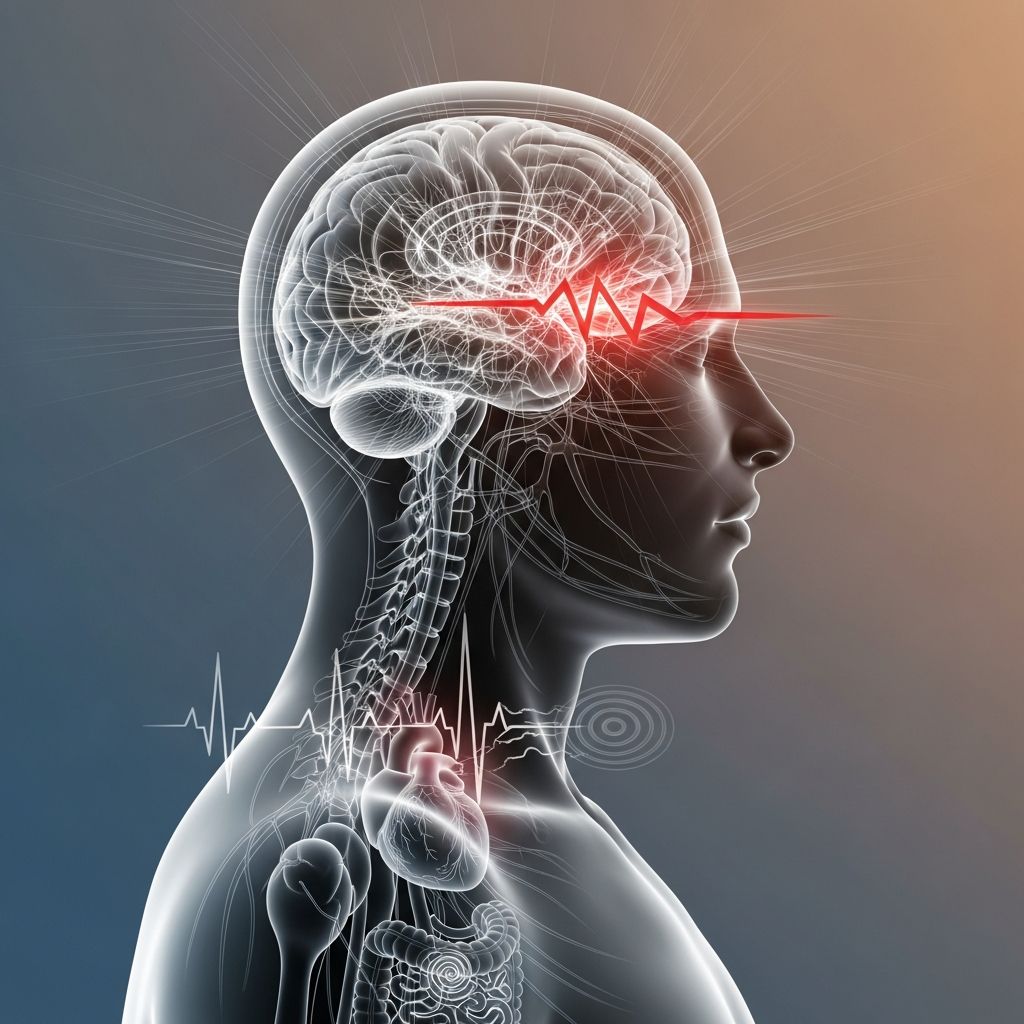
Stress is an unavoidable part of modern life. Whether triggered by environmental factors such as a looming work deadline or psychological concerns like persistent worry about job security, stressful situations can activate a carefully orchestrated cascade of stress hormones that produce significant physiological changes throughout the body. When you encounter a stressor, your heart begins to pound, your breathing quickens, muscles tense, and beads of sweat may appear on your skin. This combination of reactions is known as the “fight-or-flight” response, a survival mechanism that evolved to help humans and other mammals react quickly to life-threatening situations.
The stress response is remarkably efficient. The physiological changes happen so rapidly that most people are not consciously aware of them occurring. This swift activation of the stress response system has allowed our species to survive dangerous encounters throughout evolutionary history. However, modern stressors—such as traffic jams, work pressure, and family difficulties—often trigger this same ancient survival mechanism even though they rarely pose genuine life threats. This mismatch between our biological systems and contemporary stressors has created significant health challenges for millions of people worldwide.
The Prevalence of Stress in Modern America
The scale of stress-related challenges in contemporary society is staggering. According to recent research commissioned by the American Psychological Association, approximately 25% of Americans experience high levels of stress—rating their stress at 8 or higher on a 10-point scale—while another 50% report moderate stress levels. A more recent Gallup study reveals that stress levels among Americans have surged dramatically over the past three decades, with almost half of the population now reporting frequent experiences of stress. These statistics underscore the urgent need to understand stress mechanisms and develop effective intervention strategies.
The Physiological Cascade: How Stress Hormones Work
When your brain perceives a threat, an intricate neurological pathway initiates the stress response. The amygdala and hypothalamus—key brain regions involved in processing threats—begin a hormonal cascade even before the conscious mind fully registers the danger. This system operates with remarkable precision and speed.
The Fight-or-Flight Mechanism
During stress activation, several immediate physiological changes occur. Epinephrine (adrenaline) surges through your bloodstream, causing your airways to open wide so your lungs can take in maximum oxygen with each breath. This extra oxygen is directed to your brain, significantly increasing alertness and cognitive function. Your senses become sharper—sight, hearing, and other sensory systems heighten to help you detect threats more effectively.
Simultaneously, epinephrine triggers the release of blood sugar (glucose) and fats from temporary storage sites throughout the body. These nutrients flood into the bloodstream, supplying energy to all body systems and preparing muscles for immediate action. Blood flow is redirected away from the digestive system toward large muscles, making you ready to either confront the threat or escape to safety.
The Longer-Acting Cortisol Response
While epinephrine provides immediate effects, a longer-acting hormonal response begins when the hypothalamus releases corticotropin-releasing hormone (CRH). This hormone travels to the pituitary gland, triggering the release of adrenocorticotropic hormone (ACTH). This hormone then travels to the adrenal glands, prompting them to release cortisol—a glucocorticoid hormone that keeps the body revved up and on high alert. Cortisol maintains elevated blood sugar, suppresses immune function, and sustains the heightened state of alertness needed for survival situations.
Related Stories



Recent Harvard neuroscience research has identified three key stress proteins—the glucocorticoid receptor (GR), the mineralocorticoid receptor (MR), and the FK506-binding protein (FKBP5)—that play crucial roles in regulating the hypothalamic-pituitary-adrenal (HPA) axis, the body’s primary stress control system. These proteins mediate how the body’s stress hormones, including cortisol, are processed and how sensitive the system becomes to ongoing stress signals.
When the Stress Response Becomes Harmful: Chronic Stress Effects
The stress response evolved as a short-term survival mechanism. When the perceived threat passes, cortisol levels normally fall, and the parasympathetic nervous system—often described as the “brake”—dampens the stress response, returning the body to a resting state. However, in modern life, many people experience chronic low-level stress that keeps the HPA axis continuously activated, much like a motor idling too high for extended periods.
Physical Health Consequences
Over time, repeated activation of the stress response takes a significant toll on the body. Research shows that chronic stress contributes to multiple serious health conditions:
- Cardiovascular Disease: Chronic stress promotes high blood pressure and contributes to the formation of artery-clogging deposits, significantly increasing the risk of heart attacks and strokes.
- Mental Health Disorders: Prolonged stress causes measurable brain changes that may contribute to anxiety, depression, and addiction.
- Weight Gain: Chronic stress may contribute to obesity through direct mechanisms (causing people to eat more) or indirectly by decreasing sleep quality and reducing exercise motivation.
- Immune Suppression: Sustained stress hormones suppress immune function, making individuals more susceptible to infections and illness.
Brain Architecture and Development
Research from the Harvard Center on the Developing Child has demonstrated that toxic stress can disrupt healthy brain development and damage other bodily systems, increasing the risk for stress-related disease well into adulthood. This finding is particularly important for understanding how early life stress experiences can have lifelong health consequences.
Distinguishing Adaptive from Maladaptive Stress
Not all stress is harmful. According to Harvard physician Dr. Aditi Nerurkar, understanding the distinction between adaptive and maladaptive stress is pivotal. Adaptive stress propels personal growth, motivates achievement, and helps individuals meet challenges effectively. This type of stress, when managed properly, can enhance performance and resilience. Conversely, uncontrolled maladaptive stress triggers a cascade of negative effects on the brain and body, creating a vicious cycle that undermines both physical and mental health.
Techniques to Counter Chronic Stress
Fortunately, people can learn and practice specific techniques to counter the stress response and build resilience. These evidence-based strategies address both immediate stress relief and long-term stress management.
The Relaxation Response
Dr. Herbert Benson, director emeritus of the Benson-Henry Institute for Mind Body Medicine at Massachusetts General Hospital, has devoted much of his career to studying how people can counter the stress response through techniques that elicit the relaxation response. This approach combines several evidence-based methods including:
- Deep abdominal breathing exercises
- Focus on soothing words (such as “peace” or “calm”)
- Visualization of tranquil scenes
- Repetitive prayer
- Yoga practice
- Tai chi
Most research evaluating the relaxation response has been conducted with patients experiencing hypertension and heart disease. A landmark double-blind, randomized controlled trial at Massachusetts General Hospital involved 122 patients with hypertension, ages 55 and older. Half were assigned to relaxation response training while the other half received information about blood pressure control. After eight weeks, 34 participants (slightly more than half) who practiced the relaxation response achieved a systolic blood pressure reduction of more than 5 mm Hg and became eligible for the next study phase, where they could reduce blood pressure medication levels. During that phase, 50% of the relaxation response group eliminated at least one blood pressure medication—significantly more than the 19% in the control group who achieved medication elimination.
Physical Activity and Exercise
Exercise represents another powerful tool for managing stress. People can use physical activity to prevent the buildup of stress in several ways. Taking a brisk walk shortly after feeling stressed not only immediately reduces tension but also provides long-term benefits. Regular exercise helps regulate stress hormones, improves sleep quality, and enhances overall physical health—all factors that build resilience against chronic stress.
Gratitude Practice
Emerging research highlights gratitude as a potent tool in combating burnout and managing stress. Dr. Nerurkar emphasizes that allocating just one minute daily to write down five things to be grateful for can significantly impact stress management. Importantly, she notes that the physical act of writing—rather than typing—engages distinct neural pathways in the brain, making this simple practice more neurologically effective at rewiring stress responses through neuroplasticity.
Understanding Brain Plasticity
A crucial insight from modern neuroscience is that the brain maintains neuroplasticity throughout life—the ability to form new neural connections and literally rewire how it responds to stressors. This finding offers genuine hope for individuals struggling with past traumatic experiences that influence their current stress responses. By incorporating simple resets like breathing exercises, gratitude practices, and mindfulness into daily routines, individuals can actively rewire their brains for enhanced resilience and reduced stress levels.
Building Genuine Resilience
Dr. Aditi Nerurkar emphasizes the importance of distinguishing between toxic resilience and genuine resilience. Toxic resilience—often ingrained in many cultures—involves pushing through stress without addressing underlying needs, leading to burnout. Genuine resilience, by contrast, acknowledges personal boundaries, prioritizes self-compassion, and involves actively managing stress rather than simply enduring it. This distinction is crucial for developing sustainable approaches to stress management that support long-term health and wellbeing.
Therapeutic Approaches for Stress-Related Conditions
For individuals experiencing stress-related psychiatric conditions such as major depressive disorder (MDD) or posttraumatic stress disorder (PTSD), current therapeutic options often leave significant unmet needs due to variable efficacy, slow response rates, and substantial side effects. However, emerging research into the molecular mechanisms of stress response—particularly the roles of GR, MR, and FKBP5 proteins—suggests that therapeutic targeting of these stress response proteins may offer complementary approaches to manipulating both central and peripheral stress regulation.
Frequently Asked Questions
Q: What is the fight-or-flight response?
A: The fight-or-flight response is an ancient survival mechanism that rapidly mobilizes your body’s resources when it perceives a threat. It involves hormonal and physiological changes that prepare you to either confront the threat or escape to safety. While evolutionarily adaptive for genuine physical threats, modern stressors often inappropriately trigger this response.
Q: How does chronic stress damage health?
A: When the stress response is chronically activated, it contributes to high blood pressure, artery damage, weight gain, weakened immunity, and brain changes associated with anxiety and depression. The body simply was not designed to remain in a constant state of high alert.
Q: Are stress management techniques scientifically proven?
A: Yes, techniques like the relaxation response, regular exercise, and gratitude practices have been studied in rigorous clinical trials and show measurable health improvements, particularly in reducing blood pressure and enabling medication reduction in some patients.
Q: Can I rewire my stress response?
A: Yes. Through neuroplasticity—the brain’s ability to form new neural connections—you can literally rewire how your brain responds to stressors. Consistent practice of stress management techniques can produce lasting changes in your stress response patterns.
Q: What’s the difference between adaptive and maladaptive stress?
A: Adaptive stress motivates growth and helps you meet challenges effectively. Maladaptive stress, when uncontrolled, creates a harmful cascade of effects on your brain and body. The key is learning to manage stress rather than simply endure it.
References
- Understanding the Stress Response — Harvard Health Publishing. 2011. https://www.health.harvard.edu/staying-healthy/understanding-the-stress-response
- Uncovering Details Behind the Body’s Response to Stress — Harvard Brain and Mind. Jakob Hartmann and Kerry Ressler, Harvard Medical School. 2024. https://brain.harvard.edu/hbi_news/uncovering-details-behind-the-bodys-response-to-stress/
- A Harvard Physician’s Guide to Rewriting Your Brain’s Stress Responses — Big Think. Dr. Aditi Nerurkar, Harvard Medical School. 2024. https://bigthink.com/perception-box/aditi-nerurkar/
- Toxic Stress: What is Toxic Stress? — Harvard Center on the Developing Child. 2024. https://developingchild.harvard.edu/key-concept/toxic-stress/
Similar Articles








Read full bio of medha deb